The United States has more installed geothermal power capacity than any other country, and the industry is in the middle of a growth spurt. In September, Fervo Energy said its Cape Station in southwestern Utah had become the first utility-scale enhanced geothermal development in the world to deliver first power. In October, a Trump administration sale of geothermal leases in Nevada drew nearly $4.5 million in winning bids, the latest in a string of federal auctions that, according to Reuters, reflect soaring industry interest.
Now the rest of the world is being asked to scale up too. Türkiye's COP31 Presidency said Monday that its Global Geothermal Ambition 2050 has won the backing of more than 50 countries in the first week of the U.N. climate talks in Antalya, along with the European Union.
What the pledge says
Launched on Nov. 10 with the International Renewable Energy Agency (IRENA), the pledge sets a collective goal to scale up geothermal energy for power and heat to 12 times 2025 levels by 2050. It builds on IRENA's 1.5°C scenario, under which global geothermal supply would climb from about 2.5 exajoules in 2025 to 31 exajoules by 2050, and installed geothermal power capacity would grow from 15.6 gigawatts to 193 gigawatts.
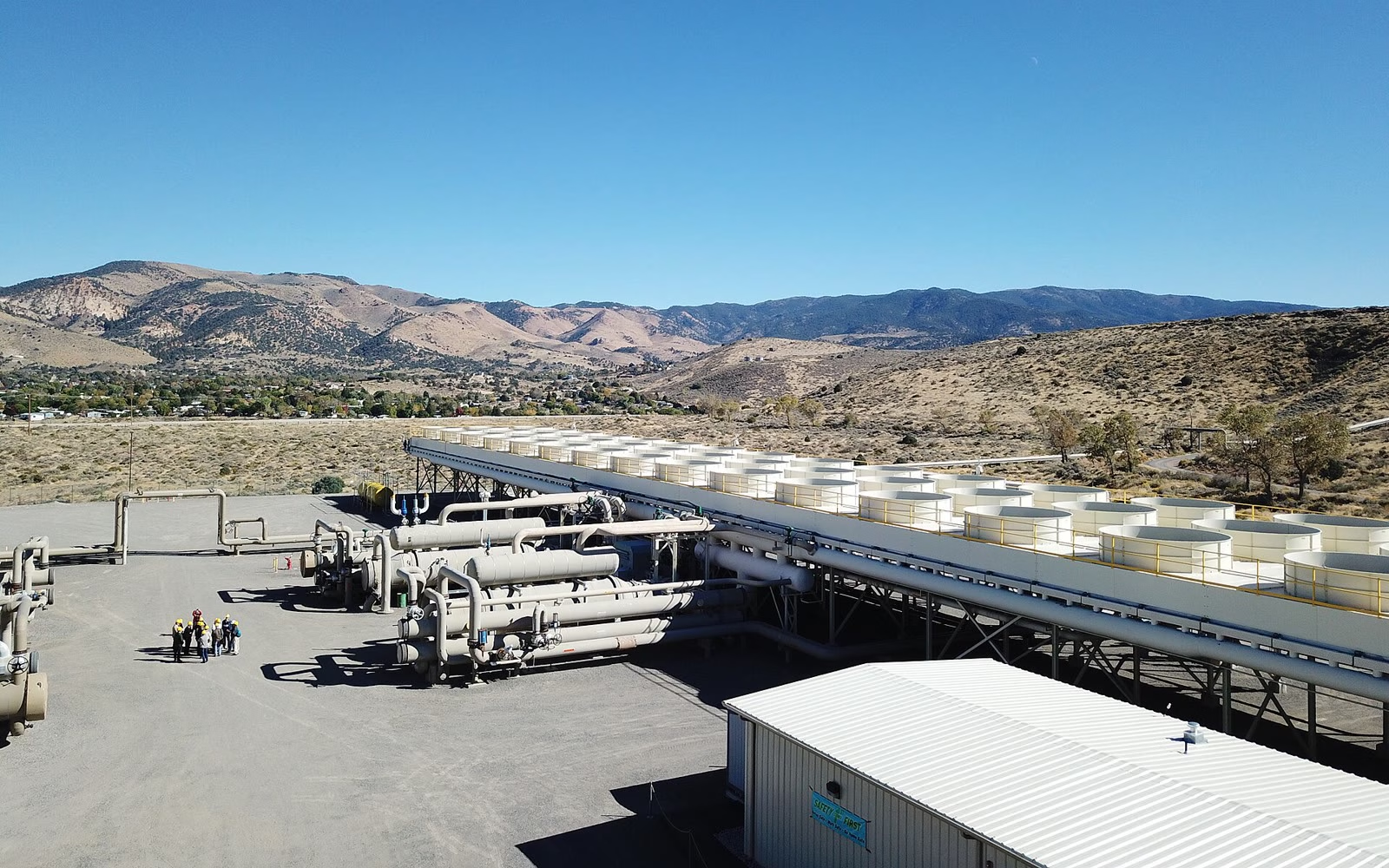
Unlike solar and wind, geothermal plants can run around the clock. To get there, the presidency is urging governments to streamline permitting, finance partners to share exploration risk, and the oil and gas industry to lend its drilling and subsurface expertise to cut costs. Its statement also points to growing demand from data centers, including those running artificial intelligence, as an opening for dependable geothermal power. It proposes a Geothermal Industry Advisory Panel within IRENA's Global Geothermal Alliance to connect countries with industry and finance.
“Geothermal has much more to contribute to the energy transition than its current deployment suggests, but attracting investment also requires clear policies and support to manage early project risks,” IRENA Director-General Francesco La Camera said. COP31 President Murat Kurum said that with more than 50 countries on board, “our task is to turn momentum into investment, partnerships and projects.” European Energy Commissioner Dan Jørgensen said geothermal “has a key role to play in strengthening Europe's energy security, competitiveness and resilience.”
Where Washington stands
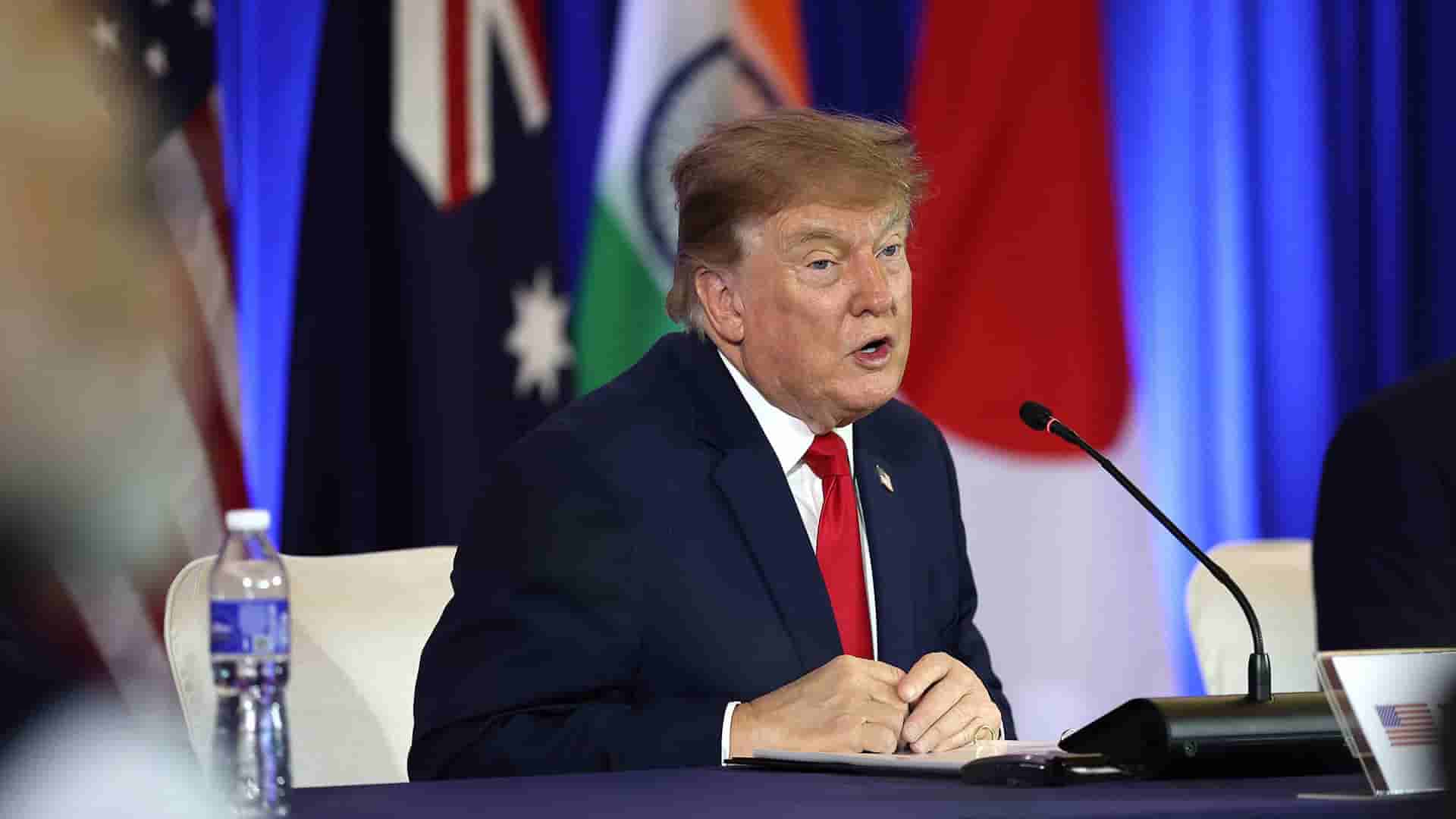
The presidency has not published the list of endorsing countries, so it is not clear whether the United States is among them. Washington sent no official negotiators to Antalya, skipping the U.N. climate talks for a second year under President Donald Trump.
The American market is moving anyway. According to ThinkGeoEnergy's ranking, the U.S. had 3,937 megawatts of installed geothermal capacity at the end of 2024, well ahead of Indonesia and the Philippines, with California and Nevada holding more than 90% of it. Tech companies are part of the pull: Fervo announced a 396-megawatt power purchase agreement with Google in September for a later phase of its Utah project, expected online in 2028.
Türkiye's own hot spots
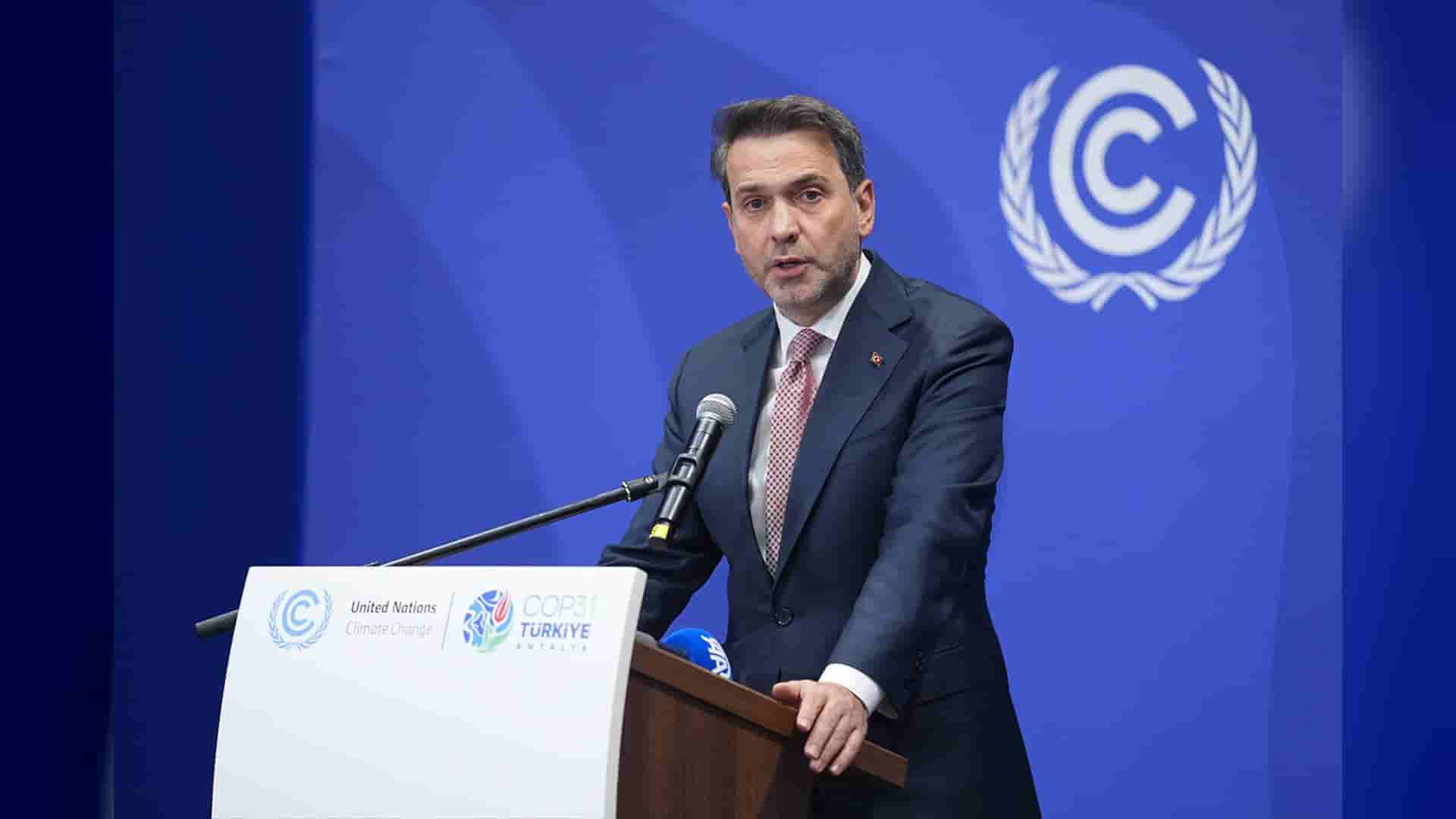
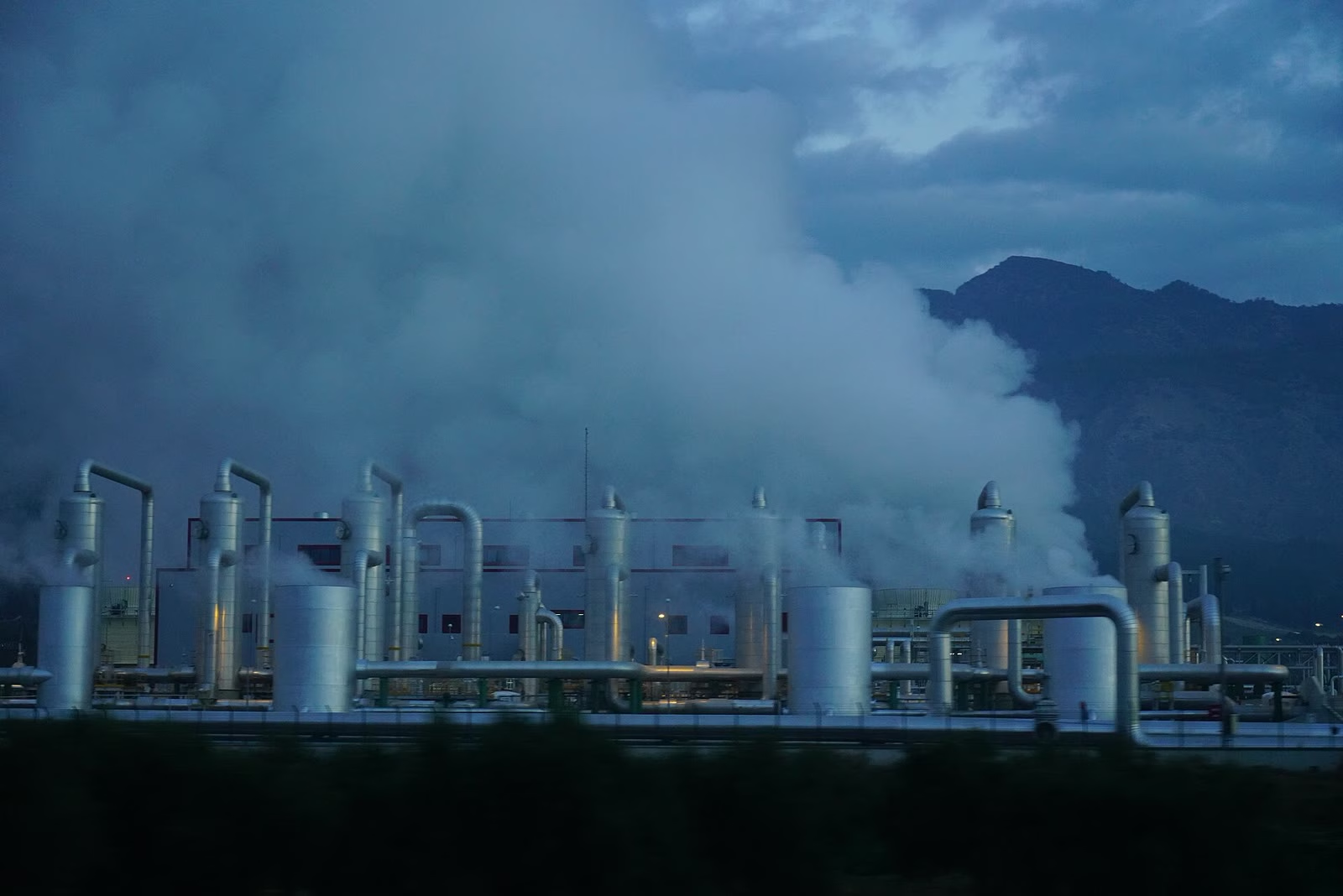
The host country is a geothermal heavyweight in its own right. Energy and Natural Resources Minister Alparslan Bayraktar said at the launch that Türkiye ranks fourth in the world with 1.8 gigawatts of installed geothermal power. Geothermal district heating serves the equivalent of about 170,000 homes, greenhouses use it to grow food through the winter, and thermal tourism brings jobs to the regions, he said. Under Türkiye's National Energy 2040 plan, geothermal and biomass together are expected to supply about 6 gigawatts.
“We can turn this underground source into a greater energy production opportunity, more secure energy supplies and stronger economies,” Bayraktar said. He argued that new drilling techniques and subsurface technologies mean geothermal is no longer limited to countries with volcanoes or natural hot springs, and that every country has some potential to tap.
The COP31 Presidency has invited more governments, financial institutions and businesses to join before the conference closes on Nov. 20.
Cover photo: Anadolu Agency. Photos: Wikimedia Commons (Steamboat, Nevada, CC BY 2.0; Kızıldere, CC BY-SA 2.0). Sources: COP31 Presidency, IRENA, Anadolu, Reuters, ThinkGeoEnergy.