- BIST10010,977+2.18%
- USD50.70+0.04%
- EUR55.61+0.02%
- GOLD3,668.50+2.91%
- INTEREST36.00%-1.00
- BITCOIN59,658-0.35%
- November 28, 20265°
- BIST10010,977+2.18%
- USD50.70+0.04%
- EUR55.61+0.02%
- GOLD3,668.50+2.91%
- INTEREST36.00%-1.00
- BITCOIN59,658-0.35%
- November 28, 20265°
Canada's top court largely upholds Quebec ban on religious symbols for public workers
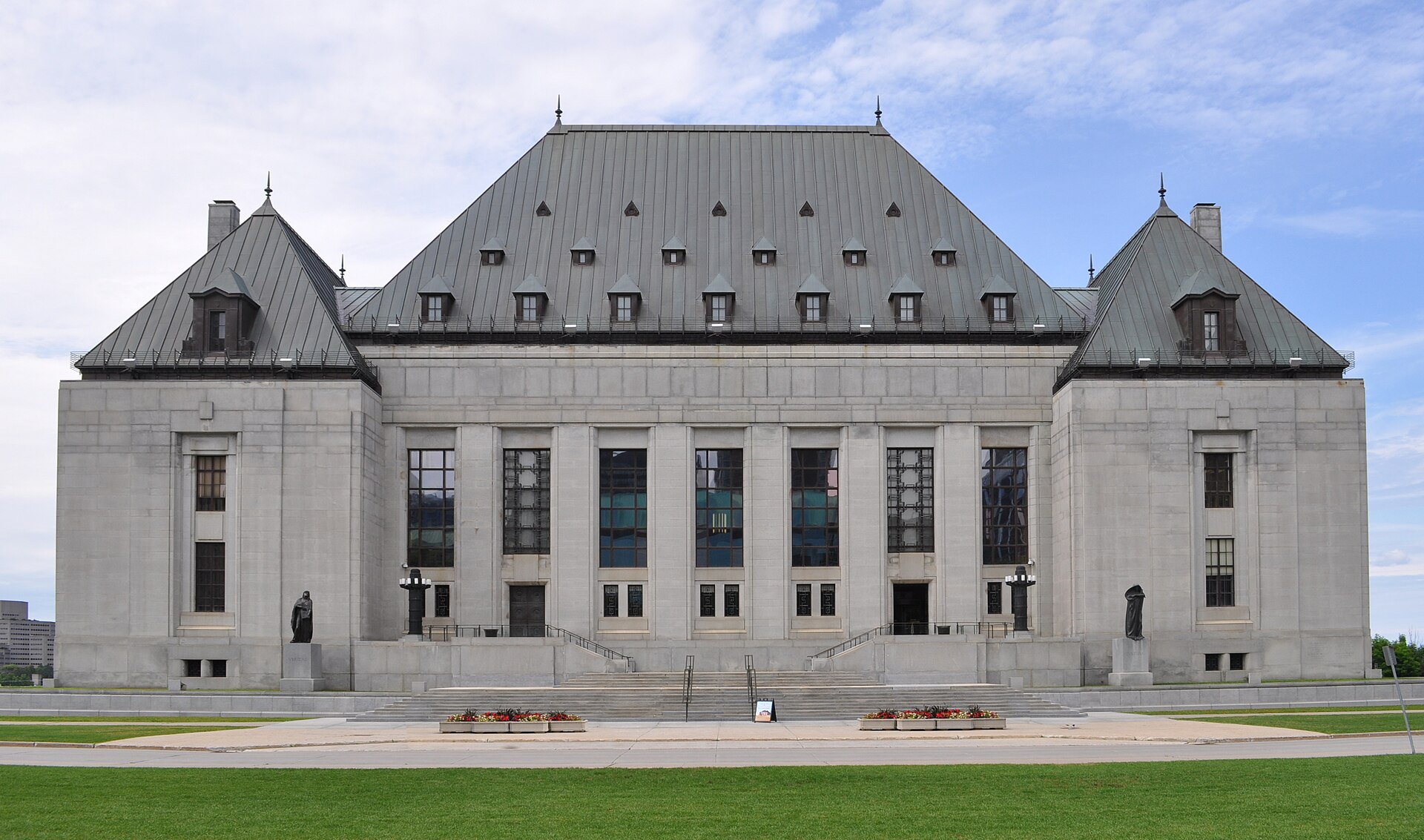
Canada's Supreme Court upheld most of Quebec's Bill 21, which bars teachers, police officers and other public employees in positions of authority from wearing religious symbols such as headscarves, turbans and skullcaps at work, and affirmed the province's use of the constitutional override.
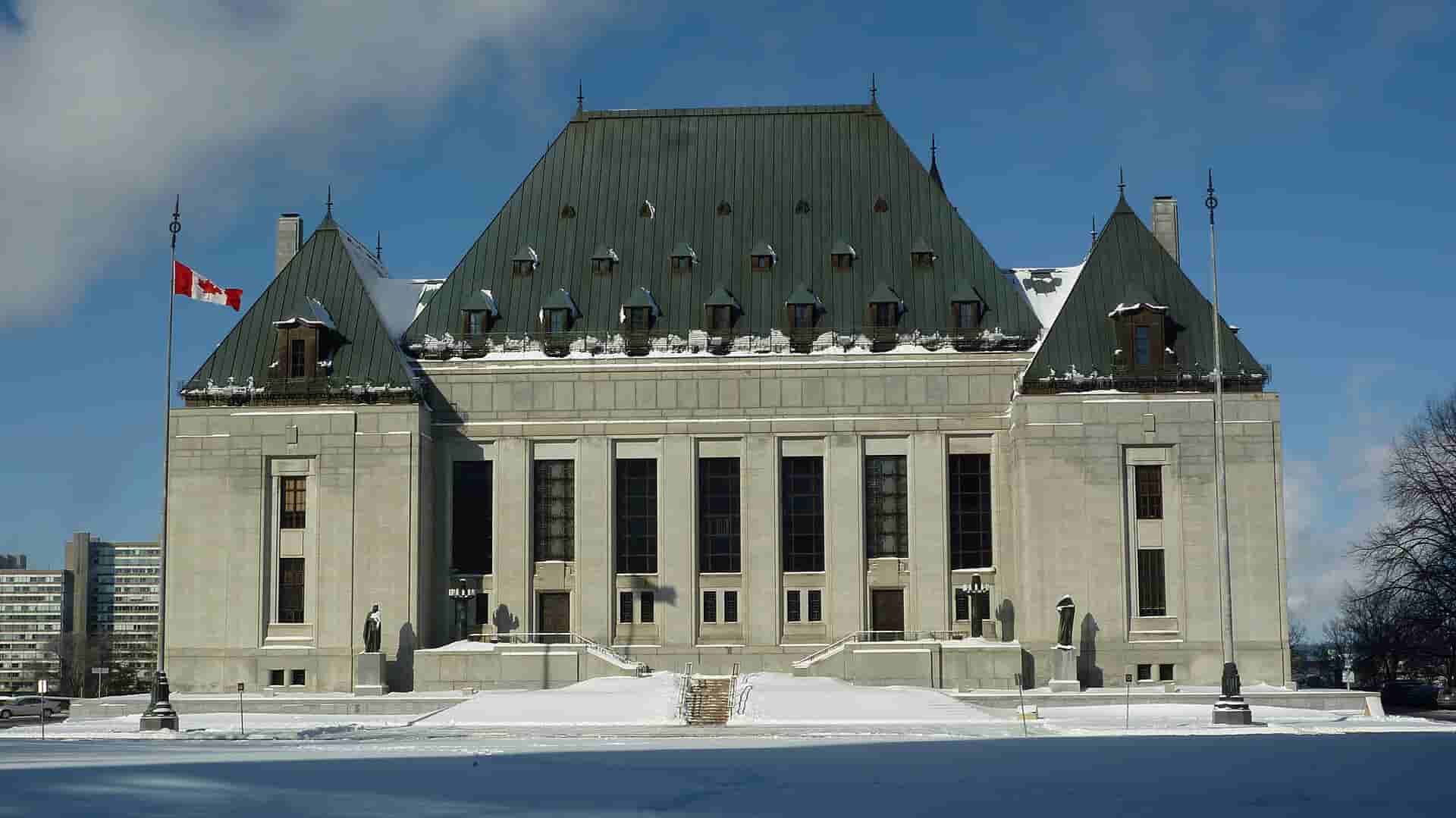
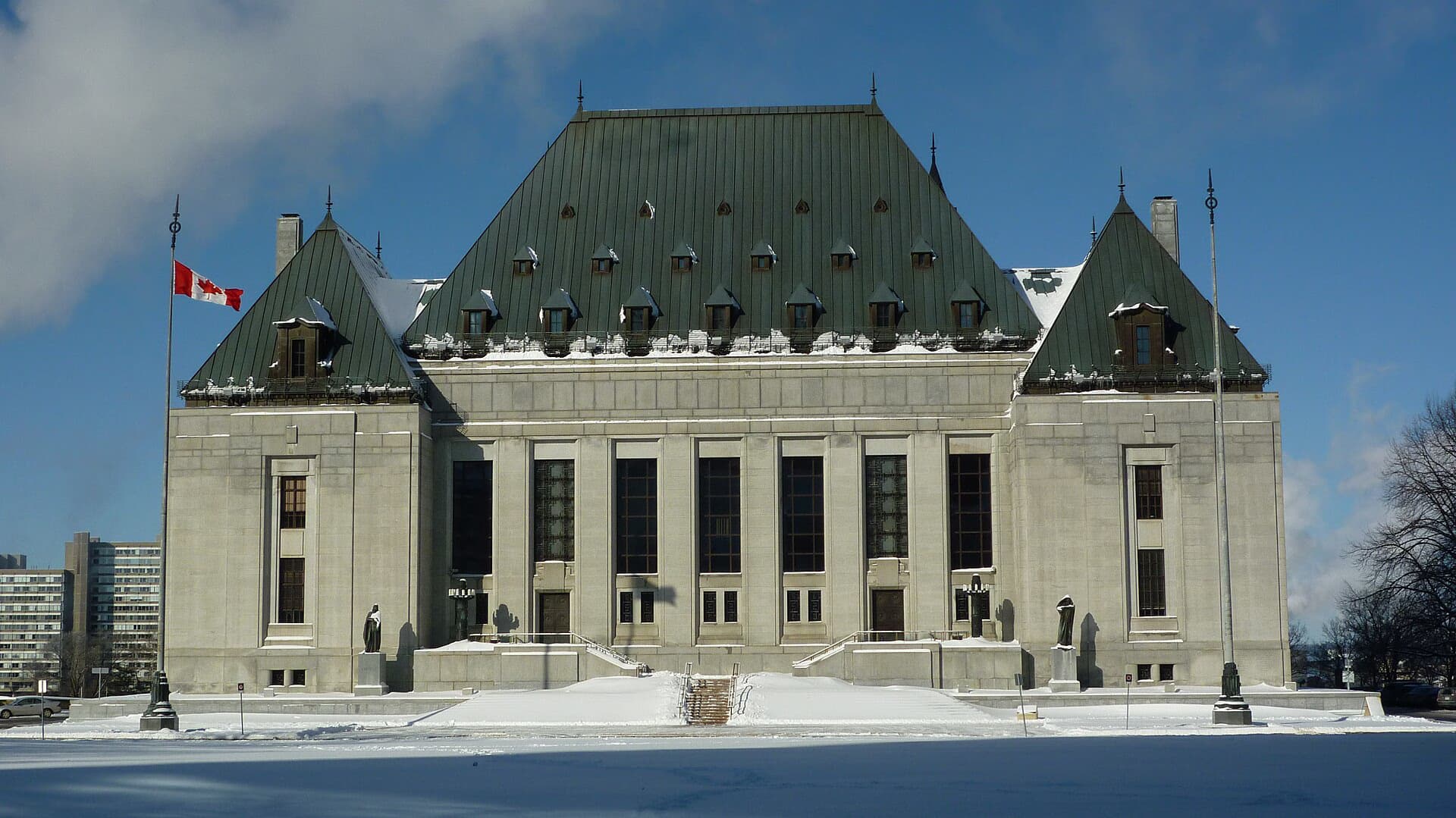
Canada's Supreme Court on Friday upheld most of Quebec's 2019 law banning public schoolteachers, police officers and other public employees in positions of authority from wearing religious symbols at work, including Muslim headscarves, Sikh turbans, Jewish skullcaps and Christian crosses.
The court affirmed Quebec's use of the "notwithstanding clause," which lets legislatures override certain Charter rights, including freedom of religion and equality, for renewable five-year periods. Chief Justice Richard Wagner wrote that the law, known as Bill 21, reflected Quebec's "legitimate and historical commitment" to a secular state. The court kept an exemption allowing members of Quebec's legislature to cover their heads while performing their duties.
Carney: Canada is a mosaic
Quebec Premier Paul St-Pierre Plamondon hailed the ruling as "a victory for secularism." Prime Minister Mark Carney said he respected the decision but pledged that his government would not use the override, stressing that constitutional rights matter most for minorities. "Canada is a mosaic," he said. Carney welcomed the court's finding that judges can still declare a law in breach of rights even when the override keeps it in force.
Opponents say the law discriminates against religious minorities, particularly Muslim women who wear headscarves. Manitoba Premier Wab Kinew called it "legislated discrimination" against Muslims, Sikhs and others, while the World Sikh Organization of Canada said Quebec was still telling qualified people to set aside their faith.
Stay Updated with Ally Daily
Subscribe to be informed about special news, developments and announcements. We will keep you informed.
By signing up, you agree to our Privacy Policy