- BIST10011,722-2.89%
- USD49.45+0.05%
- EUR55.62+0.37%
- GOLD4,203.30+0.53%
- INTEREST37.00%-1.00
- BITCOIN82,344+0.40%
- October 19, 20269°
- BIST10011,722-2.89%
- USD49.45+0.05%
- EUR55.62+0.37%
- GOLD4,203.30+0.53%
- INTEREST37.00%-1.00
- BITCOIN82,344+0.40%
- October 19, 20269°
Democrats Retreat from Climate Rhetoric as Debate Intensifies
In the US, Democratic politicians have significantly reduced their climate change rhetoric. This retreat has reignited debates within the party about whether this is the right strategy following the elections.


In the US, Democratic politicians have noticeably decreased the frequency with which they discuss climate change. This topic, once central to their agenda, has recently been withdrawn from speeches, social media posts, and podcast statements.
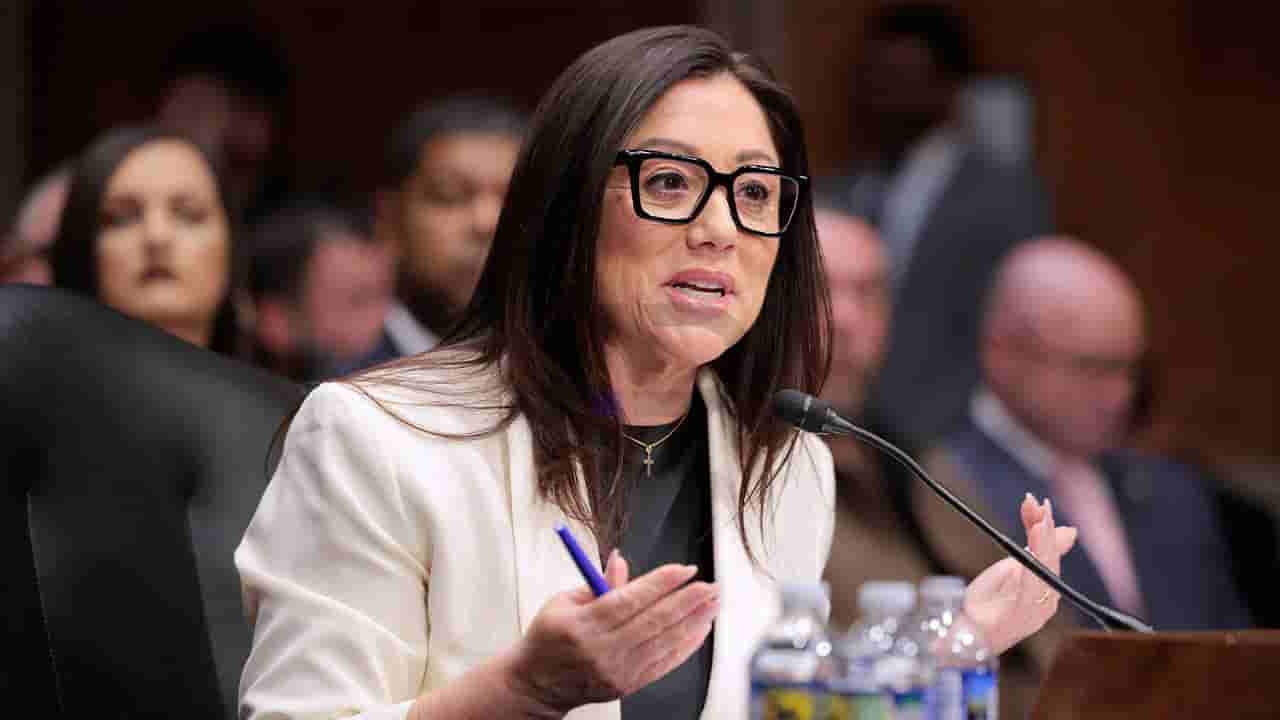
The most notable exception to this shift has been Rhode Island Senator Sheldon Whitehouse. Whitehouse has delivered his "Time to Wake Up" speech on the dangers of climate change over 300 times in the past fifteen years and has accused some party members of "silencing the climate."
Shift in Direction After Election Defeat
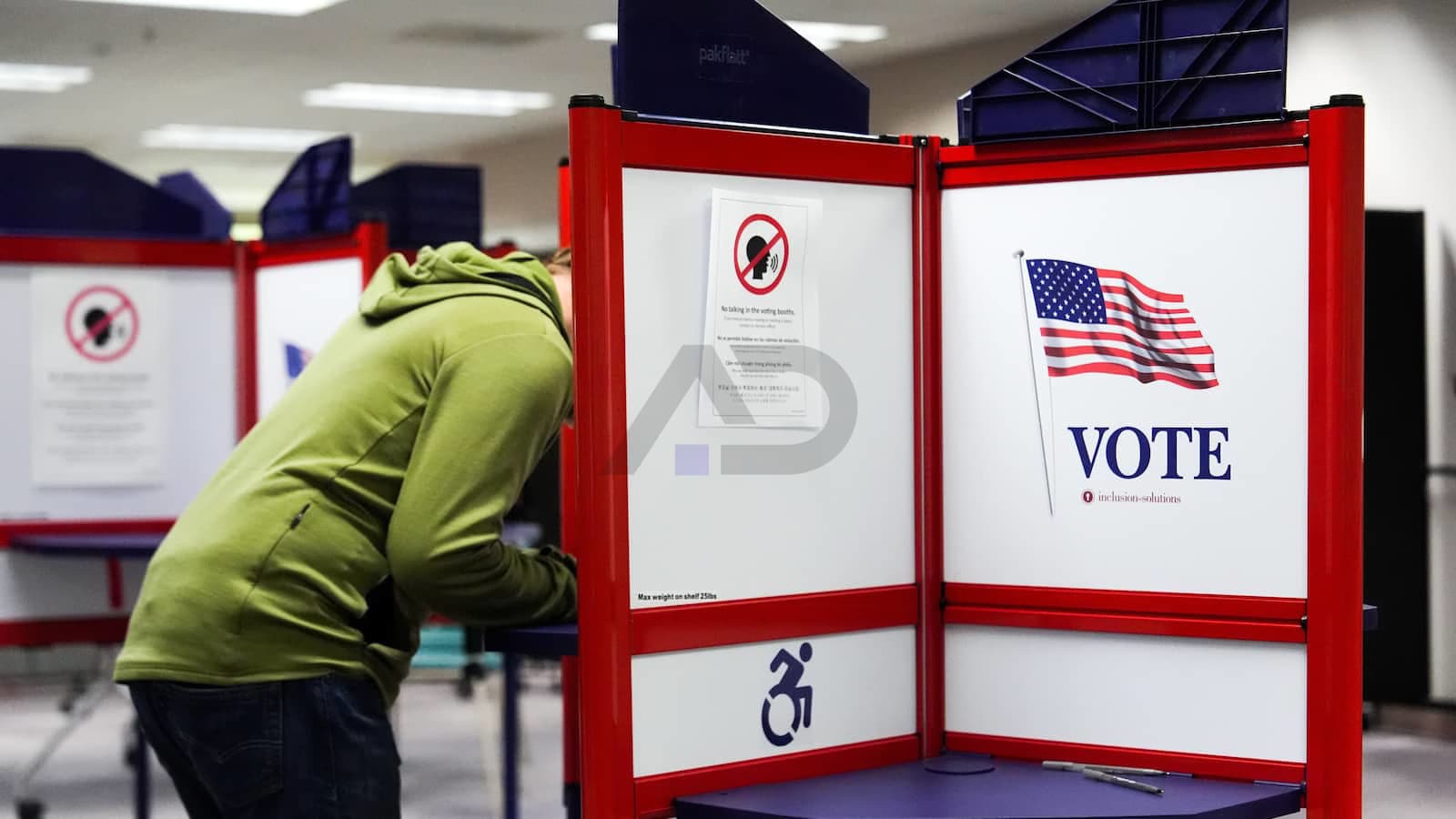
The acceleration of this retreat on climate issues was influenced by the 2024 presidential election. After Donald Trump defeated former Vice President Kamala Harris in all seven swing states, Democrats began to debate where they went wrong.
One prominent view within party circles was that there was too much focus on social justice and environmental issues, while the everyday economic struggles of voters were not sufficiently highlighted. This assessment strengthened the belief that climate messaging was also causing harm.
Whitehouse: The Problem Is Not Climate, But Costs
Whitehouse argued that climate change is not a separate issue from daily life. According to him, global warming raises many costs for families, from insurance premiums and grocery bills to electricity expenses and healthcare costs.
The senator said Democrats have addressed problems superficially by "chasing votes" instead of engaging in political struggle. While acknowledging that climate messages have been poorly framed for a long time, Whitehouse maintained that retreating in the face of the fossil fuel industry and climate denial would be a mistake.
"Don’t Talk About Climate" Approach Gains Ground
The idea of reducing climate rhetoric has also gained traction within the party. A think tank close to the Democrats advised last year to "avoid saying climate change." An opinion piece published in the New York Times suggested that remaining silent on the issue might sometimes be better.
The Democratic National Committee’s preliminary assessment draft for the 2024 election also noted that messages about climate change and the transition to green energy raised job loss concerns among workers in traditional sectors. This evaluation made the internal party debate even more visible.
Experts: There Is No Conclusive Evidence
Matto Mildenberger, a political science professor at the University of California, Santa Barbara, said Democrats are currently too inclined to believe that avoiding climate talk is politically wise. However, he noted there is no strong evidence showing that discussing climate harms Democrats in elections.
Mildenberger and other experts point out that some studies and polls even indicate a small advantage. Still, climate ranks quite low among voters’ priorities; according to data from the Yale Program on Climate Change Communication, last year it was 24th out of 25 issues in voter importance rankings.
Voters Prioritize Economic Concerns
Meanwhile, a significant portion of Democratic voters now place greater importance on issues like democracy, corruption, and immigration policies. As a result, the prominence of climate in campaign rhetoric has declined.
Matt Burgess, an economist at the University of Wyoming, said concluding that climate rhetoric alone causes losses is incorrect. According to him, research shows that climate issues generally provide Democrats with a slight advantage while posing more challenges for Republicans.
What Polls and Voting Behavior Show
In a 5,000-person poll conducted by Navigator Research before and after the election, among swing voters, "US efforts to combat climate change" was cited as a 21-point reason to support Harris. In contrast, Trump’s strongest support came from inflation, the economy, and immigration issues.
Bryan Bennett, who led the post-election poll for Navigator, summarized the result simply: Trump’s winning of these voters decided the election. According to Bennett, Harris’s loss was not due to mentioning climate a few times but because she failed to address voters’ primary concerns effectively.
Limited Impact of Spending and Infrastructure Investments
Another challenge for Harris was that voters were not sufficiently aware of federal infrastructure and manufacturing investments. According to a district-level analysis by the Center for American Progress, these investments were linked to only a very slight improvement in Harris’s vote share.
In other words, the issue seems less about climate policies harming voters and more about these policies not being communicated effectively. The debate hinges on this point: Will Democrats gain strength by moving away from climate, or will they lose an important political ground in the long term?
Stay Updated with Ally Daily
Subscribe to be informed about special news, developments and announcements. We will keep you informed.
By signing up, you agree to our Privacy Policy