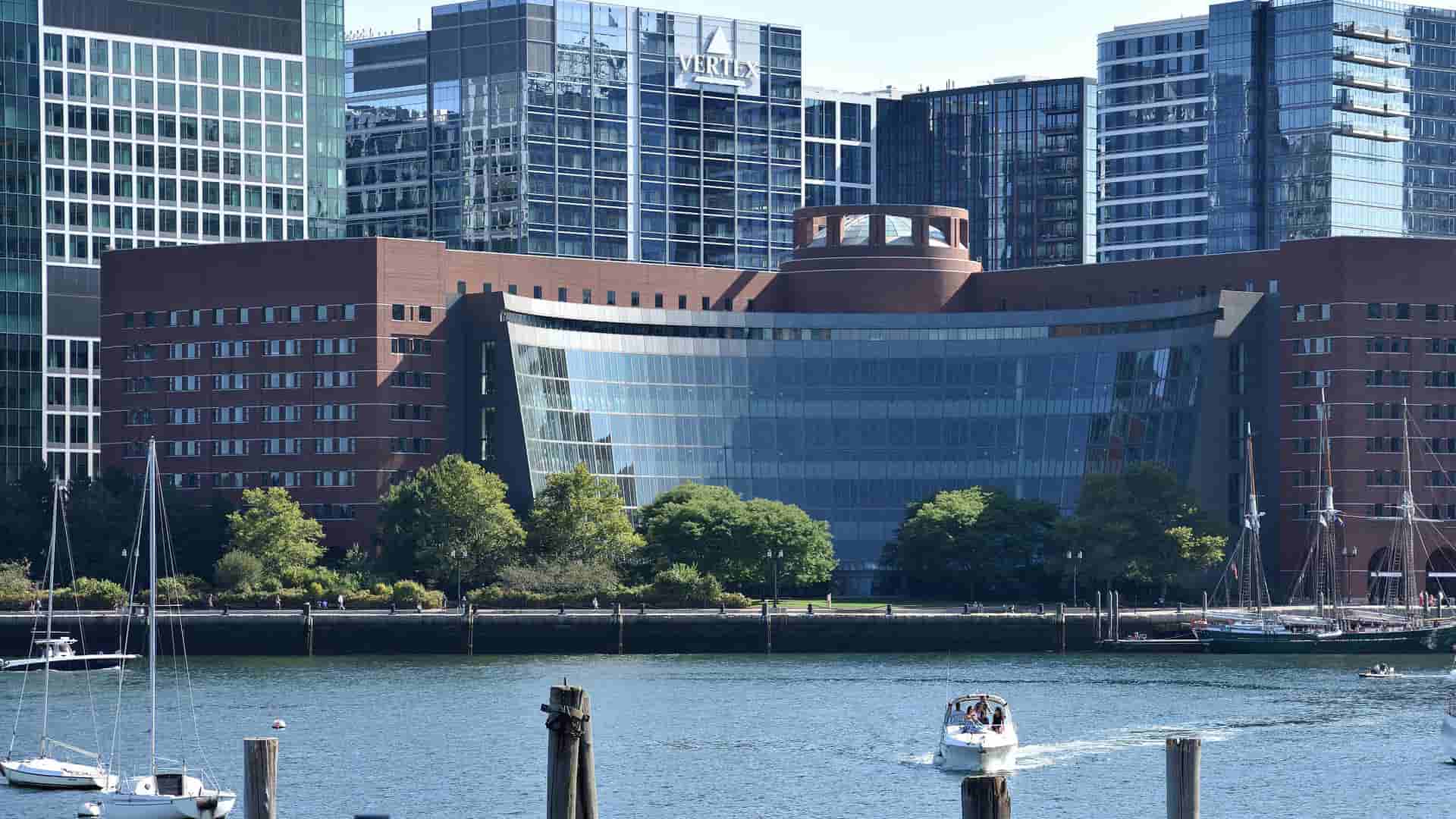
A federal judge in Massachusetts on Monday threw out a Department of Homeland Security rule that would have limited how long international students, exchange visitors and foreign journalists can stay in the United States. U.S. District Judge F. Dennis Saylor IV vacated the rule in its entirety, writing that it “is arbitrary, capricious, an abuse of discretion, and otherwise not in accordance with law,” STAT reported.
The rule, published on July 17 and due to take effect on Sept. 15, would have ended “duration of status,” the decades-old policy that lets F-1 students and J-1 exchange visitors remain in the country for as long as their programs last. Instead, students would have been admitted for a maximum of four years unless they won an extension, and I-visa holders representing foreign media for 240 days. Saylor put the rule on hold in September, the day before it was set to take effect; Monday's decision is his final ruling in the case.
“The very activity” Congress wanted
In an eight-page opinion, Saylor, an appointee of President George W. Bush, found that the rule's limits on academic mobility, which would have barred joint degrees and changes of concentration, were “not reasonably related to the nature and purpose of the F-1 visa program,” according to Inside Higher Ed. “Put bluntly, DHS is seeking to prevent or discourage the very activity — providing educational opportunities for foreign students in the United States — that Congress sought to permit and encourage,” he wrote. “The statute simply does not grant DHS such broad and open-ended authority to undermine the F-1 visa program.”
According to NAFSA: Association of International Educators, the court also held that DHS failed to weigh the rule's costs and benefits, to justify it with its stated fraud and national security concerns, to consider less burdensome alternatives such as improving the existing SEVIS tracking system, or to respond adequately to public comments. Trump officials had argued that duration of status allowed students to stay indefinitely without dealing with immigration officials, leading to overstays and security risks.
The case, Presidents' Alliance on Higher Education and Immigration v. DHS, was brought by a coalition that includes NAFSA, the Presidents' Alliance, the Association of Independent Colleges and Universities in Massachusetts, the American Federation of Teachers, the United Auto Workers and the NewsGuild-CWA. “Today's ruling is a clear and important victory for international students and scholars and the colleges and universities that welcome them,” said Miriam Feldblum, president and CEO of the Presidents' Alliance.
Appeal pending, relief for Turkish students
The ruling settles the matter at the district-court level, but the administration has appealed Saylor's September order, so the U.S. Court of Appeals for the First Circuit will weigh in next, Inside Higher Ed reported. Universities had warned that a four-year cap would deter graduate students in particular, since many doctoral programs take longer than that.
The decision also matters for students from Türkiye. According to the Open Doors 2026 report released Monday, 9,723 Turkish students were in the U.S. in the 2025/26 academic year, up 3.3% even as the overall number of international students fell 2.7% to 1,146,163. More than 4,000 of the Turkish students are enrolled in graduate programs, where degrees often take longer than four years.
Photos: Wikimedia Commons (file).