- BIST10011,661-1.54%
- USD50.39+0.22%
- EUR55.50-0.19%
- GOLD3,856.90-0.19%
- INTEREST36.00%-1.00
- BITCOIN64,929+0.15%
- November 18, 202610°
- BIST10011,661-1.54%
- USD50.39+0.22%
- EUR55.50-0.19%
- GOLD3,856.90-0.19%
- INTEREST36.00%-1.00
- BITCOIN64,929+0.15%
- November 18, 202610°
Roblox refuses to refund C$20,000 a 9-year-old spent on his parents' credit card
A Halifax couple found their 9-year-old son had run up C$28,000 in in-game purchases over the summer through a shared Apple Pay account. Most game companies reversed the charges, but California-based Roblox, which took about C$20,000, pointed the family to the "third party" that processed the payments.


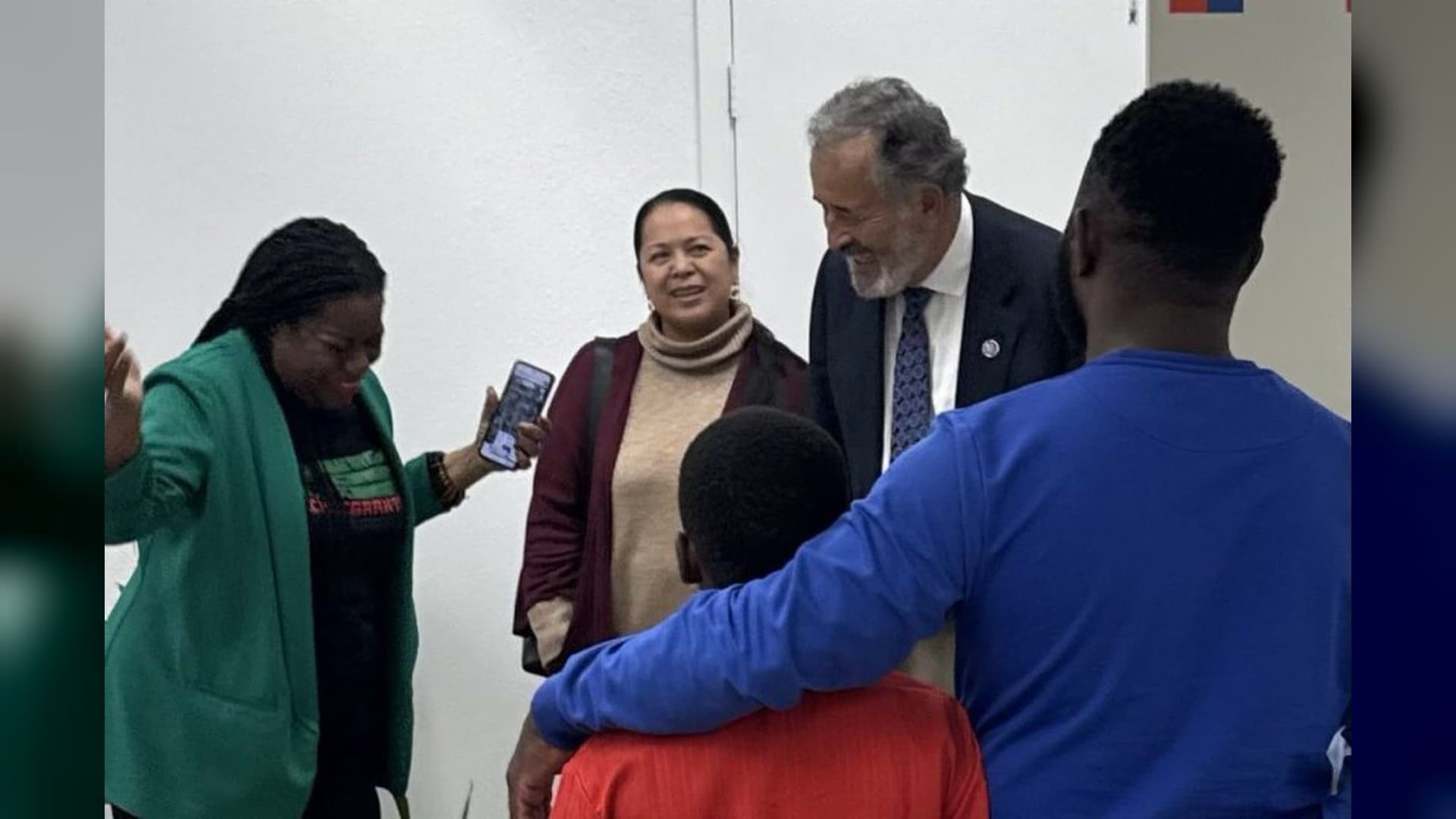
A Canadian family is pleading with California-based Roblox to return about C$20,000 that their 9-year-old son spent in the popular game over the summer, after the company declined to refund the charges. Carey Chernoff and Dawn Sutherland of Halifax, Nova Scotia, discovered the bill only when they got an alert that their Mastercard had hit its limit, CTV News reported.
Every iPad in the household was linked to one shared Apple Pay account, so each in-game purchase the boy made went straight onto the family card. In total he ran up C$28,000, roughly US$19,000, across several games. "He enters buttons and ta-da," Sutherland said. "He has no clue that he has spent any money."

Roblox: talk to the "third party"
The parents said most of the gaming companies reversed their share of the charges once asked. Roblox, which accounted for about C$20,000, did not. In a statement to CTV, the company said: "These purchases were made via a third party. We encourage the family to reach out to the merchant for review of the transactions." That appeared to point to Apple, which did not respond to CTV's request for comment, according to Kotaku. "It so easily can happen to anyone," Sutherland said. "It terrifies most parents."
How U.S. families can guard against surprise bills
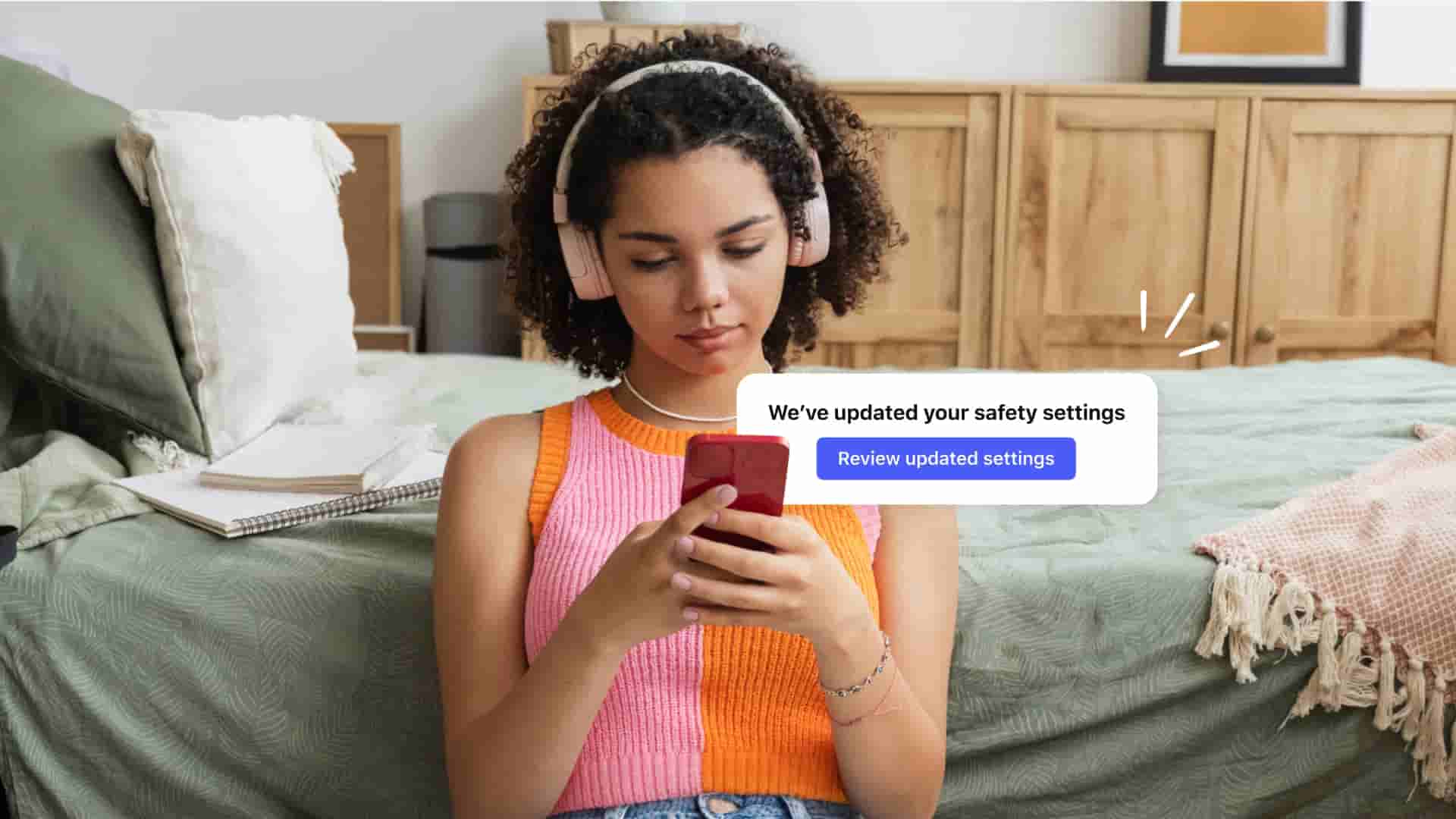
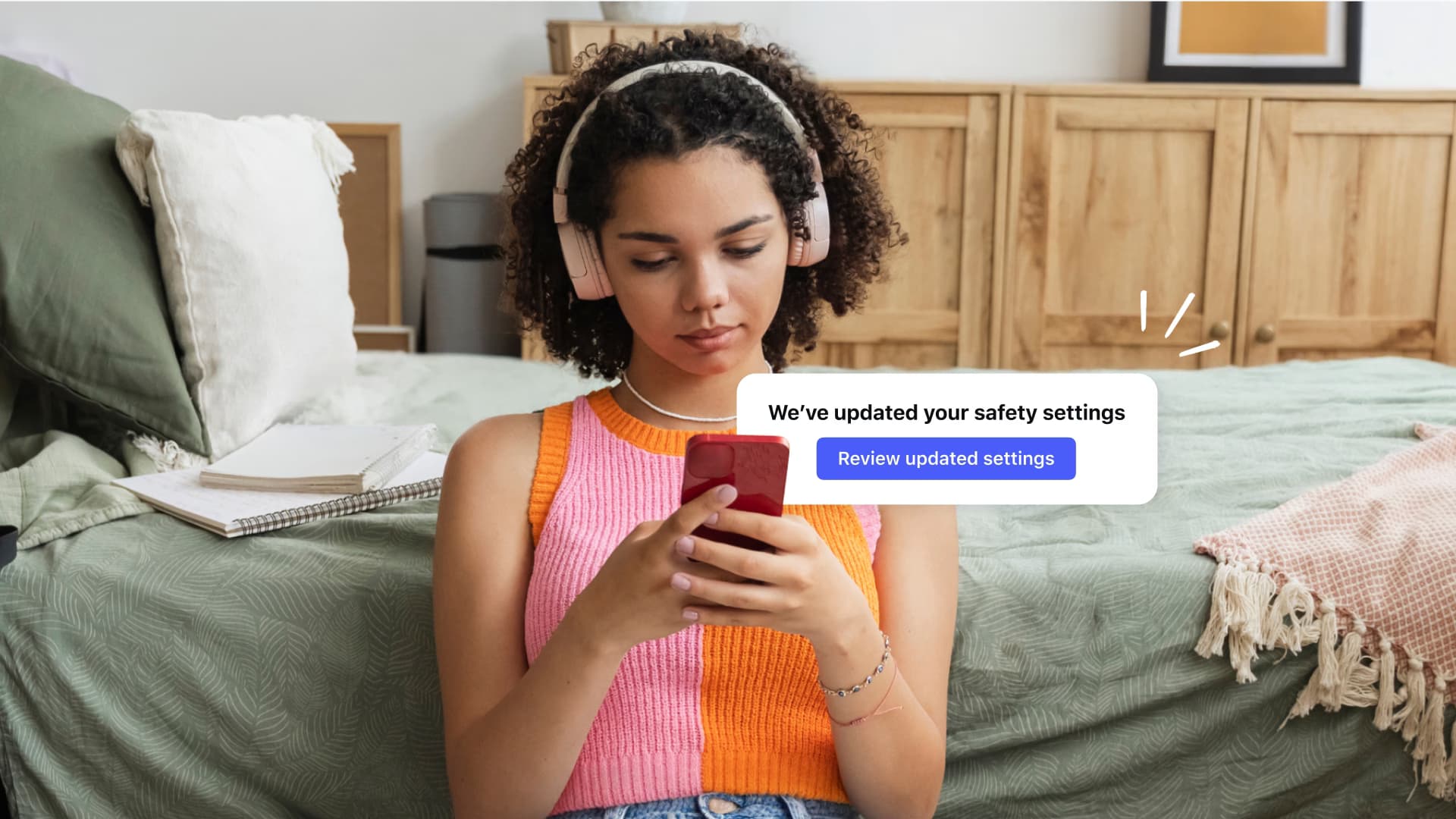
The case is a warning for American parents too. On iPhones and iPads, Apple's Family Sharing has an "Ask to Buy" setting that sends every purchase request to a parent for approval, and Screen Time can block in-app purchases entirely. Roblox's own parental controls let parents set a monthly spending limit and receive notifications when money is spent. Removing saved cards from shared accounts, or using prepaid gift cards instead, also caps what a child can spend.
Parents who are hit with unauthorized charges should contact the app store first, since in-game purchases on iPads are billed through Apple. In 2014, Apple agreed in a settlement with the Federal Trade Commission to refund at least $32.5 million to parents whose children made in-app purchases without their consent.
Photos: Wikimedia Commons.
Stay Updated with Ally Daily
Subscribe to be informed about special news, developments and announcements. We will keep you informed.
By signing up, you agree to our Privacy Policy