- BIST10011,909+0.56%
- USD50.28+0.05%
- EUR55.60-0.24%
- GOLD3,866.00-0.52%
- INTEREST36.00%-1.00
- BITCOIN64,461-1.31%
- November 16, 20262°
- BIST10011,909+0.56%
- USD50.28+0.05%
- EUR55.60-0.24%
- GOLD3,866.00-0.52%
- INTEREST36.00%-1.00
- BITCOIN64,461-1.31%
- November 16, 20262°
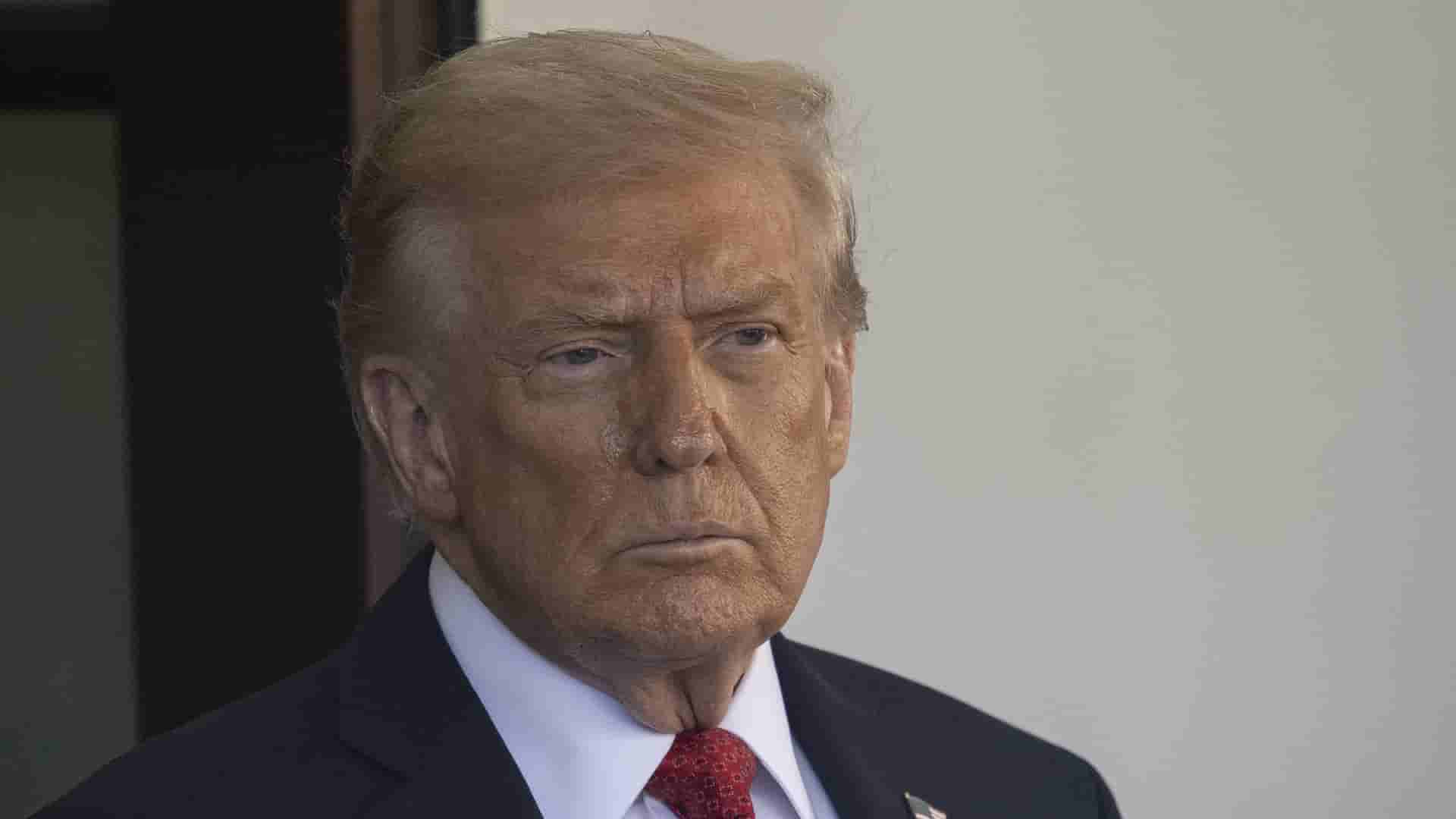
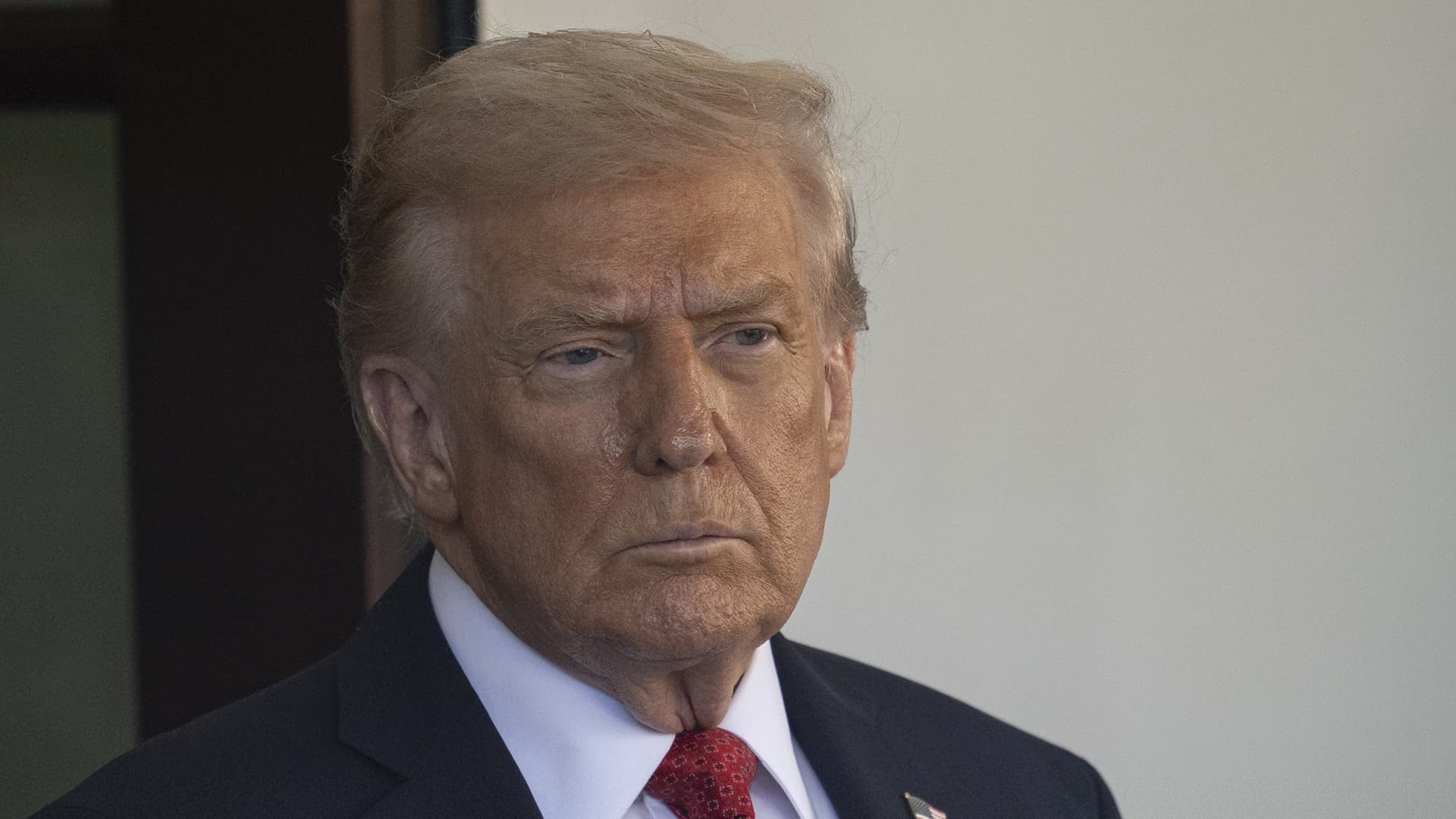
Trump heads to Manila as ASEAN summit opens under the shadow of war and tariffs
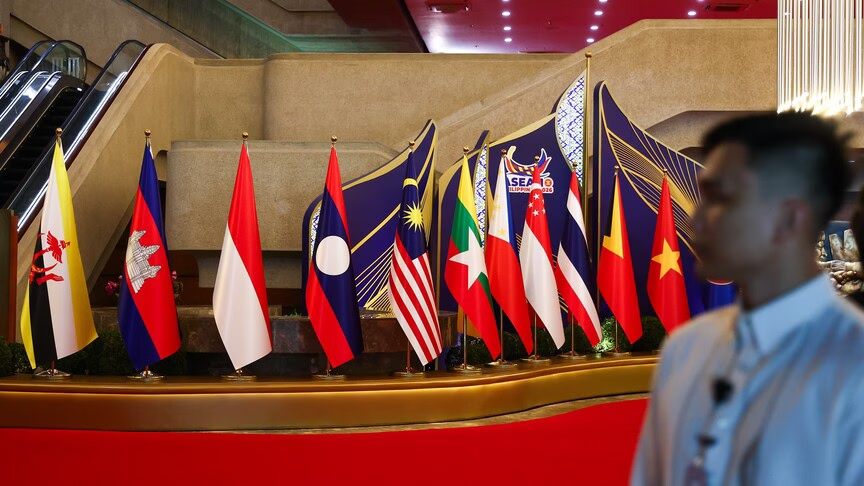
Southeast Asian leaders opened a three-day summit in Manila on Sunday focused on security, energy and trade. President Trump is due Tuesday for a Quad meeting and a special U.S.-ASEAN summit before heading to APEC in China.
Ally Daily Editorial DeskUpdated:


President Donald Trump is set to land in Manila on Tuesday afternoon with Secretary of State Marco Rubio, as leaders of the 11-nation Association of Southeast Asian Nations wrap up a summit that opened Sunday with the war in the Middle East, energy shocks and U.S. tariffs at the top of the agenda.
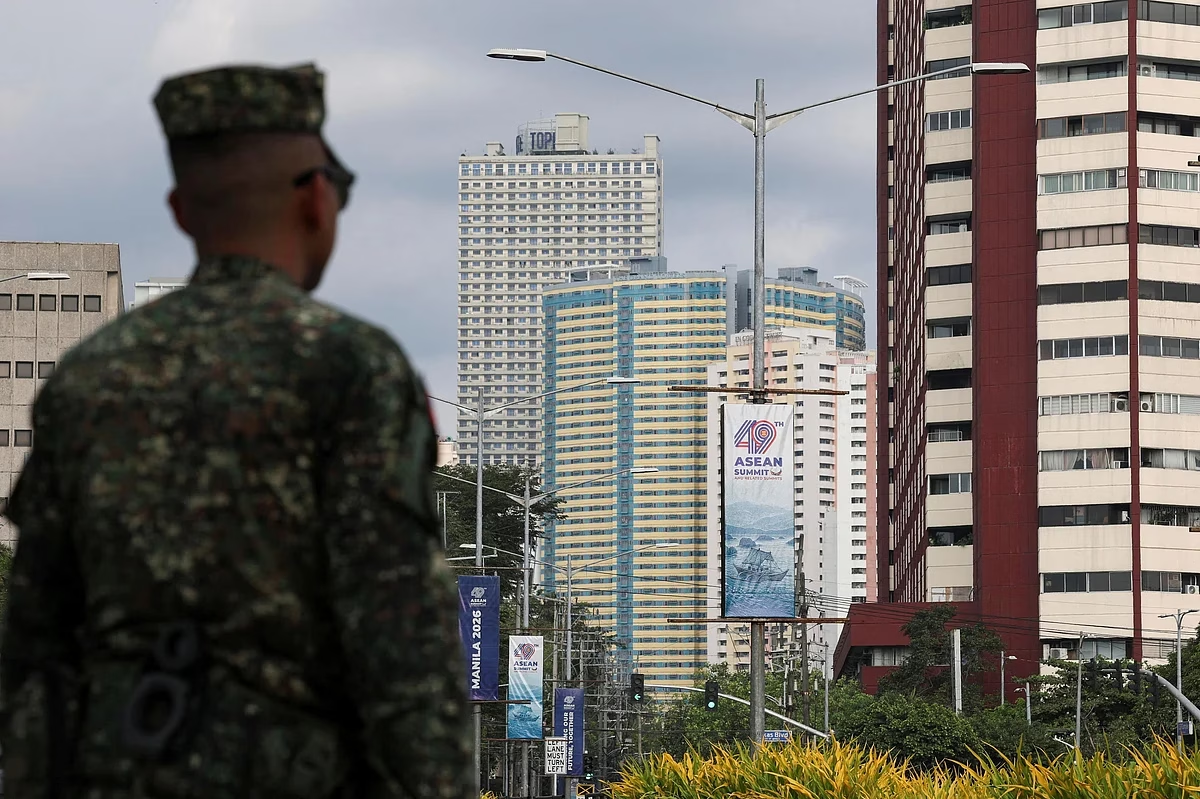
Trump will arrive after the main ASEAN meetings have concluded and Philippine President Ferdinand Marcos Jr. hands the bloc's rotating chairmanship to Singapore, Philippine officials told The Associated Press. The 49th ASEAN Summit and related meetings run from Nov. 15 to 17 at the Philippine International Convention Center.
A Quad meeting and a red carpet in Manila
Late Tuesday, Trump will join three key meetings, including a gathering of the Quadrilateral Security Dialogue with Japan, Australia and India, widely seen as a counterweight to China. According to AFP, it will be the first Quad leaders' sit-down of his second term. He will also attend a special summit with ASEAN leaders over cocktails.
On Wednesday, Marcos will receive Trump with a red-carpet welcome and a state luncheon at the presidential palace, where the two are expected to renew their countries' decades-old treaty alliance. Both leaders will then fly separately to Shenzhen for the APEC summit hosted by Chinese President Xi Jinping.
"The short stop in Manila will help reassure allies and partners that they aren't being forgotten before he jets off to Shenzhen to focus on meetings with Xi," U.S.-based analyst Greg Poling told AP, adding that the Republicans' midterm setback would follow Trump to Asia.
Marcos: no country can respond alone
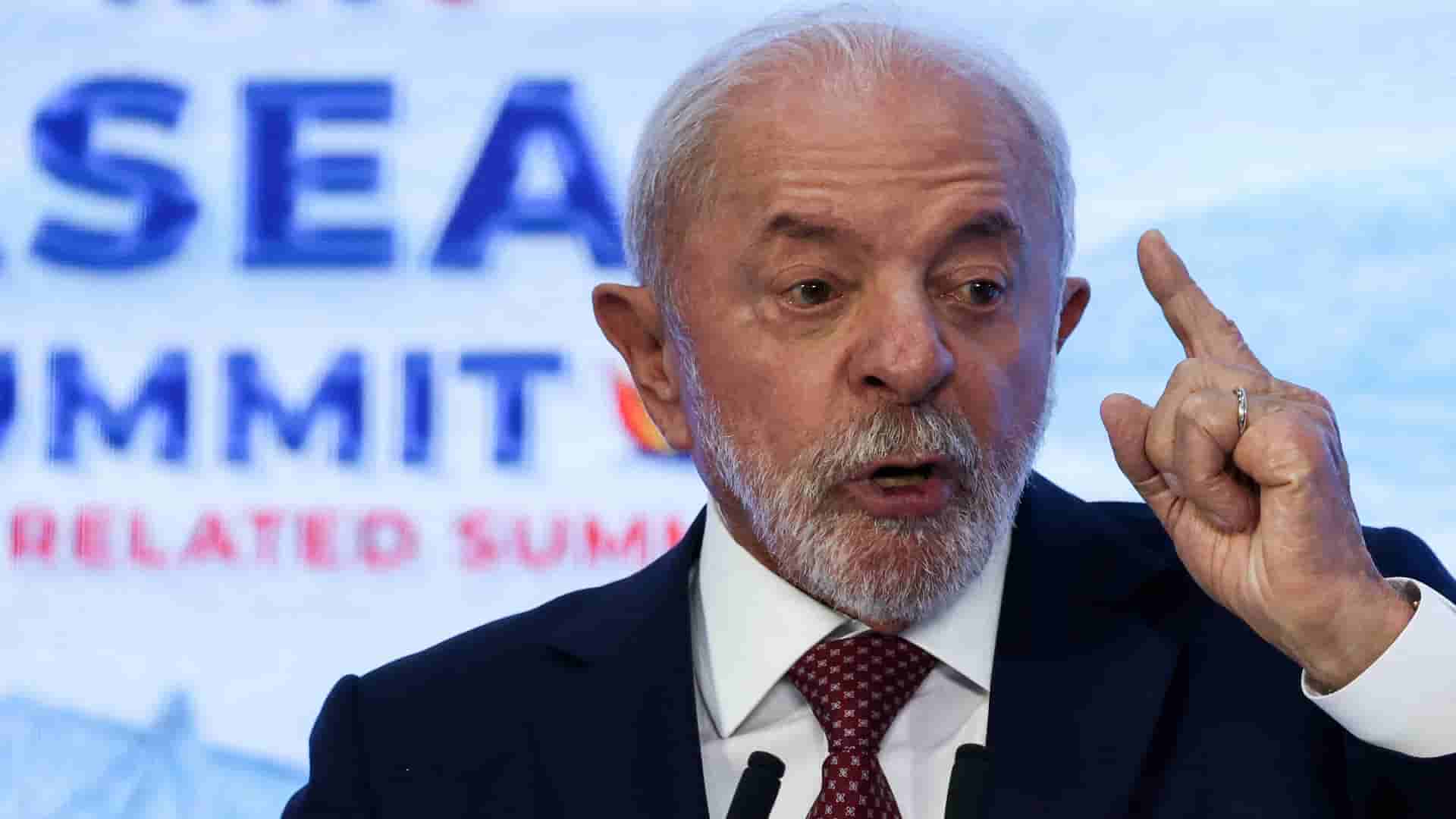
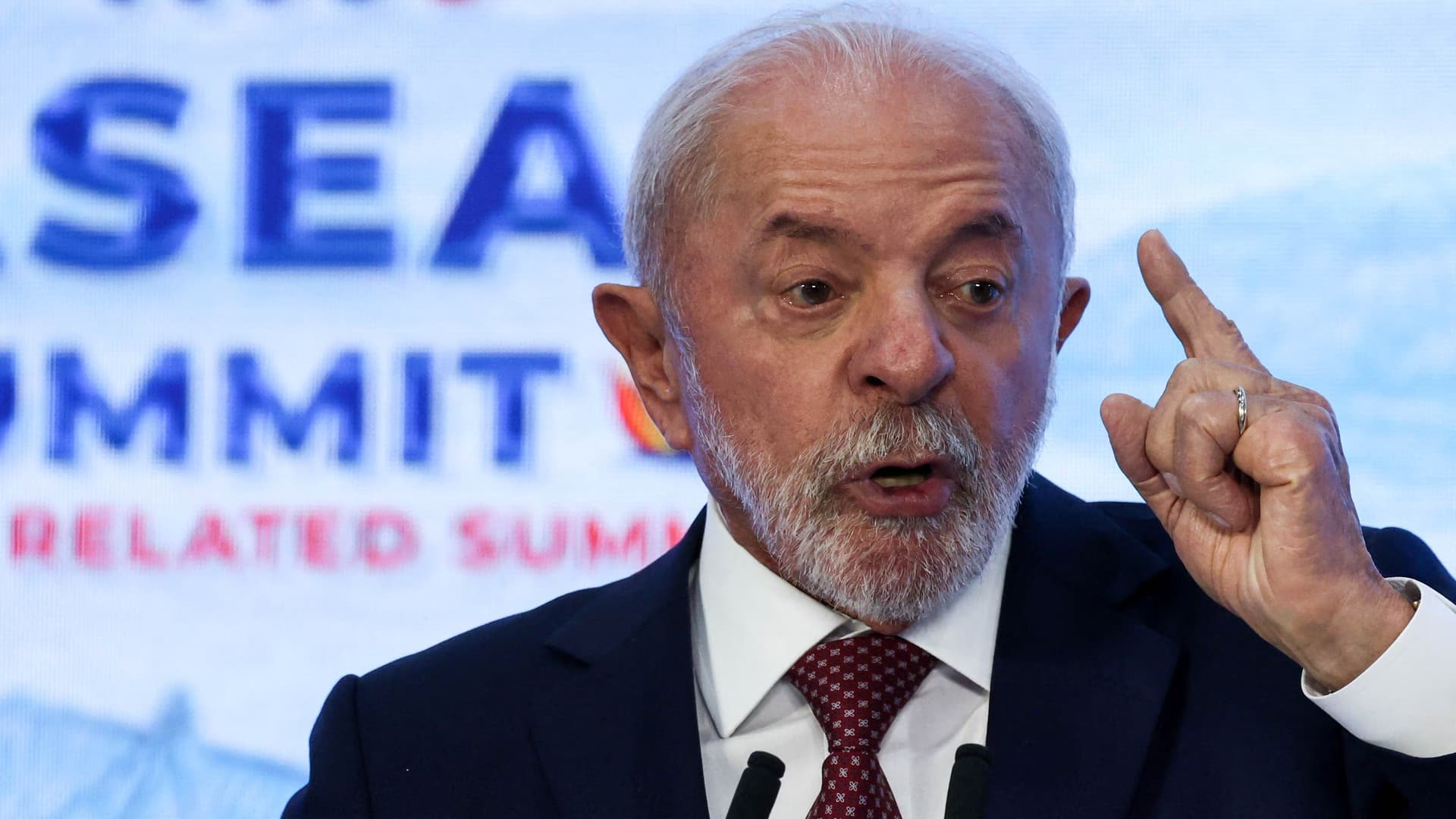
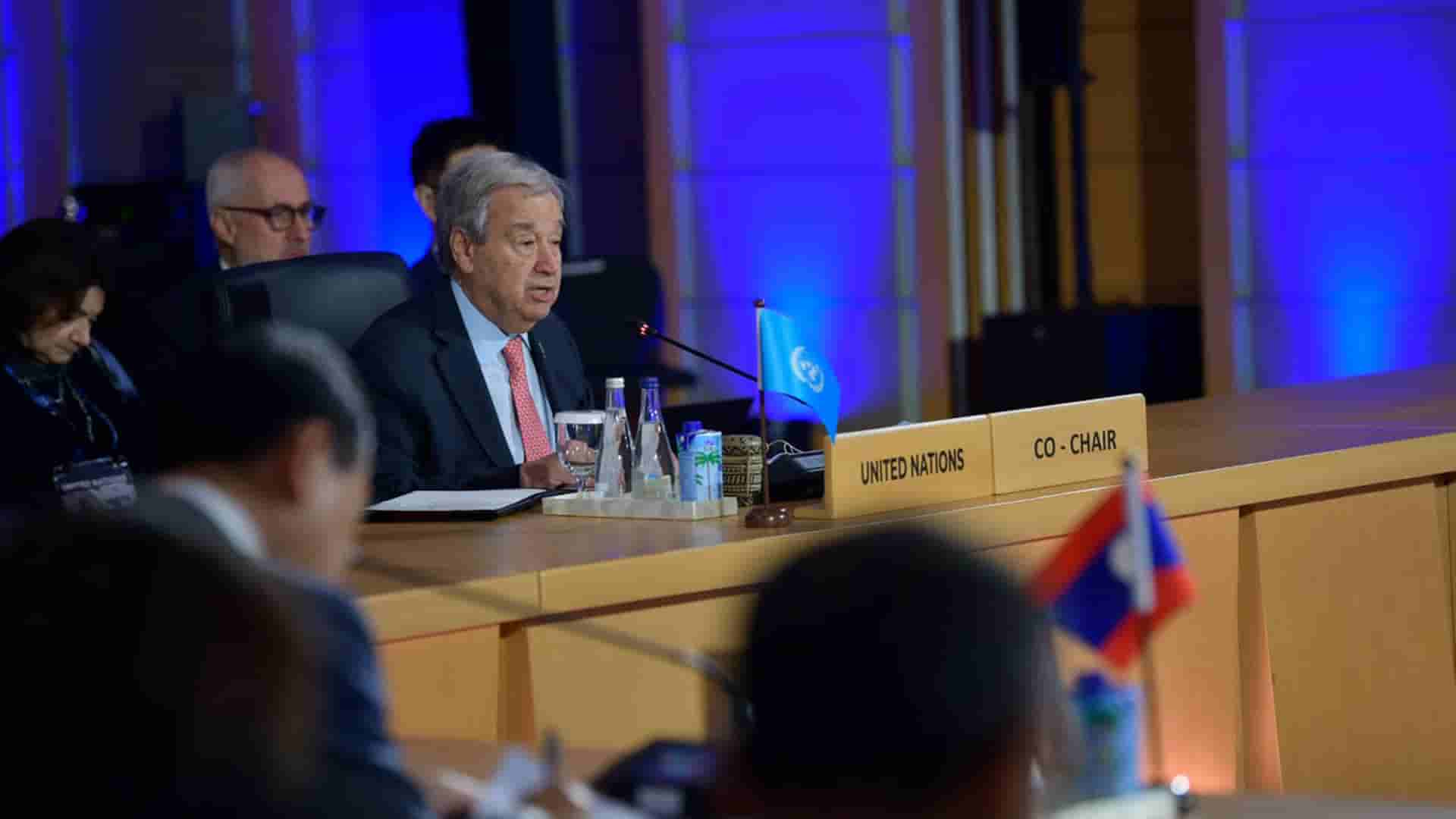
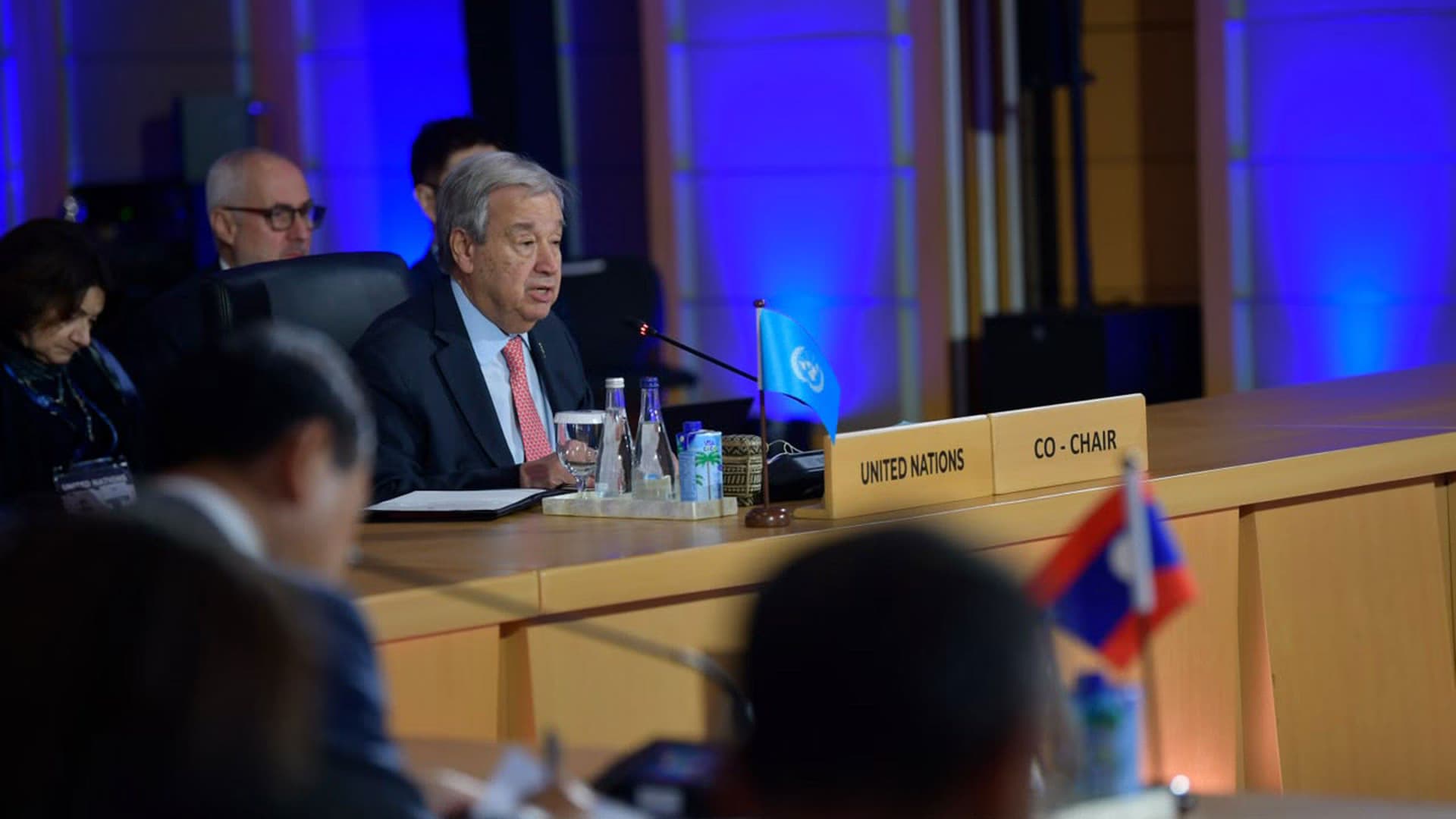
Opening the summit, Marcos said the bloc's commitment to unity "matters even more as the waters around us turn on shifting tides, geopolitical tensions, economic uncertainty, new technologies, climate change and transnational threats." He warned that global problems "are reshaping our region faster than any one country can respond to alone."
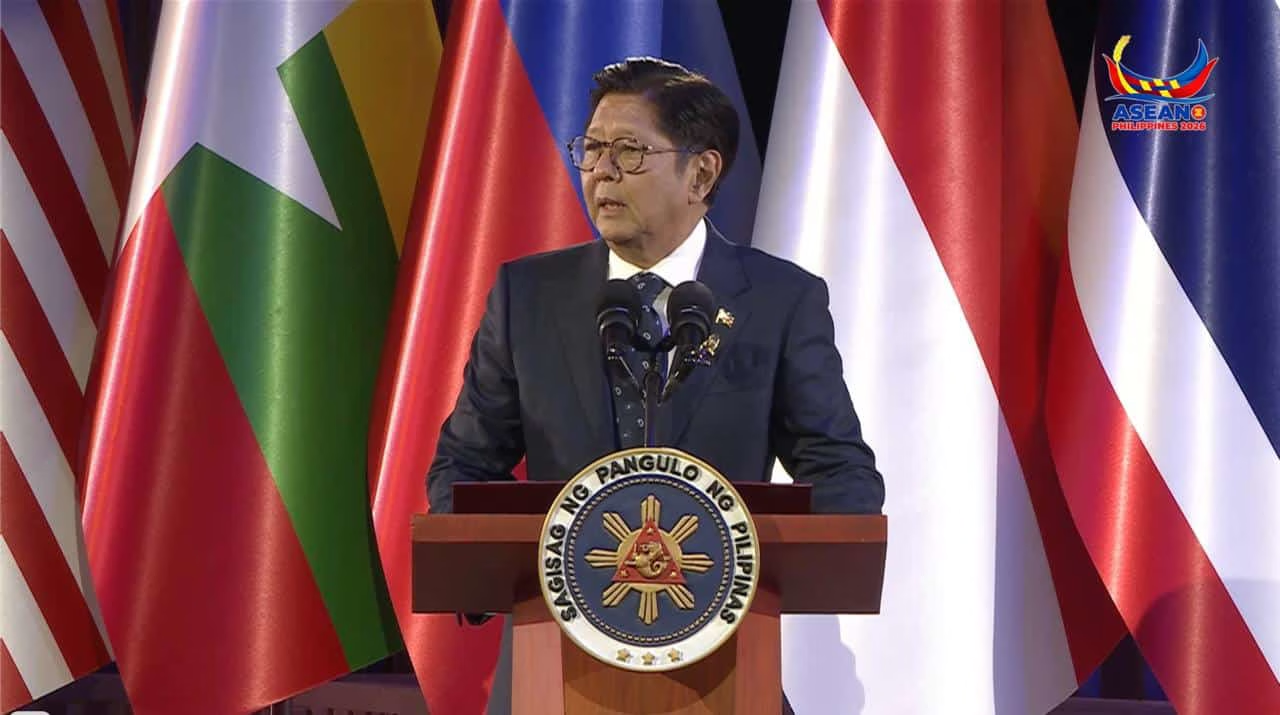
Marcos also said the hosts had considered postponing the summit because of developments in the region, but members decided a joint response was more important, Anadolu Agency reported. He listed progress on maritime cooperation, the fight against human trafficking, cybercrime and online scams, the ASEAN Digital Economy Framework Agreement, a regional power grid and artificial intelligence.
A draft leaders' statement seen by AP reaffirms "our shared commitment to upholding international law, including the United Nations Charter," and stresses freedom of navigation and overflight, including transit passage through international straits.
Energy shock, tariffs and protests
The war with Iran has hit the import-dependent region hard: the Philippines declared a national energy emergency in March, and leaders fear the fighting could threaten shipping through the Strait of Malacca. ASEAN members have also faced U.S. tariff hikes of 10 to 12.5 percent during Trump's second term, according to Al Jazeera.
Other leaders used the summit to court new partners. Canadian Prime Minister Mark Carney touted a new Philippine free-trade deal and said ASEAN trade talks were "substantially concluded," calling them part of a strategy of "reducing our relative reliance on the United States."
Nearly 20,000 police officers have been deployed around Metro Manila. On Sunday, about 200 protesters carrying signs reading "the Philippines is not for sale" and "Ban Trump!" clashed with riot police, AFP reported. Much of the anger targets the U.S. Pax Silica supply-chain program and its planned AI manufacturing hub north of Manila; U.S. Ambassador Lee Lipton said a rumored deal signing timed to Trump's visit was never in the works.
Two long-running issues, a South China Sea code of conduct and Myanmar's civil war, look set to pass to Singapore when it takes over the chair in 2027. Myanmar has been barred from high-level ASEAN meetings since its 2021 military coup and was represented in Manila by a foreign ministry official.
Photos: Philippine Daily Inquirer, AFP, Anadolu Agency
Stay Updated with Ally Daily
Subscribe to be informed about special news, developments and announcements. We will keep you informed.
By signing up, you agree to our Privacy Policy