- BIST10011,577-1.87%
- USD49.60+0.05%
- EUR55.68+0.11%
- GOLD4,112.40-0.91%
- INTEREST37.00%-1.00
- BITCOIN82,463-1.86%
- October 22, 20268°
- BIST10011,577-1.87%
- USD49.60+0.05%
- EUR55.68+0.11%
- GOLD4,112.40-0.91%
- INTEREST37.00%-1.00
- BITCOIN82,463-1.86%
- October 22, 20268°
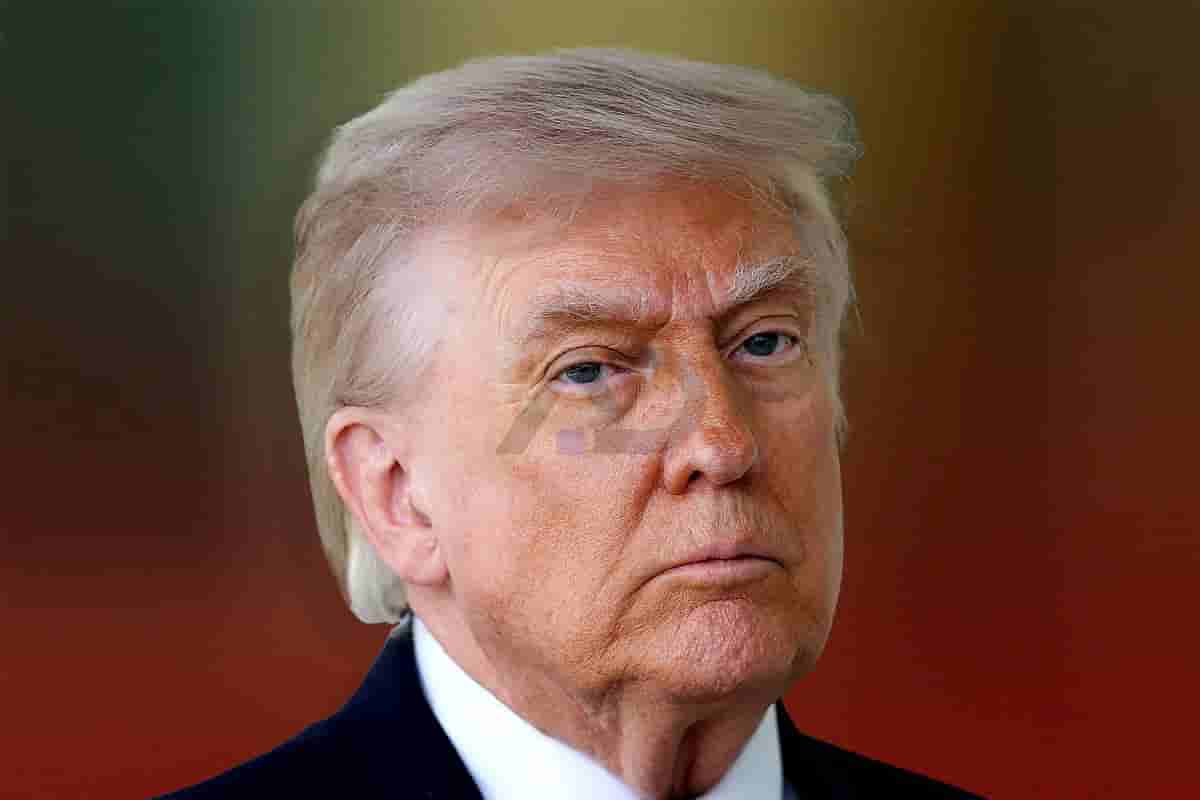
Trump's Challenges in International Politics and the Latest Status of Peace Talks with Iran
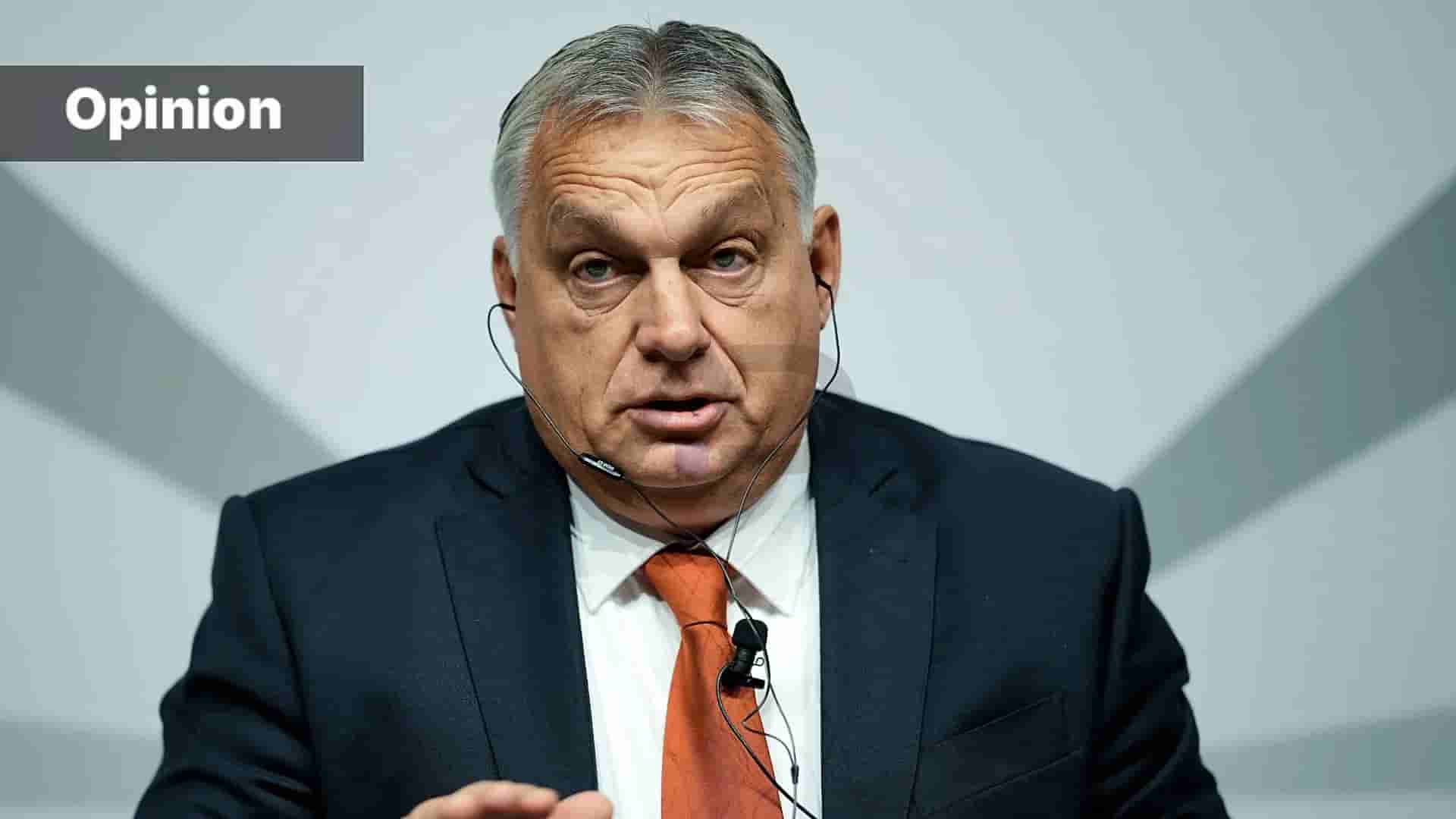
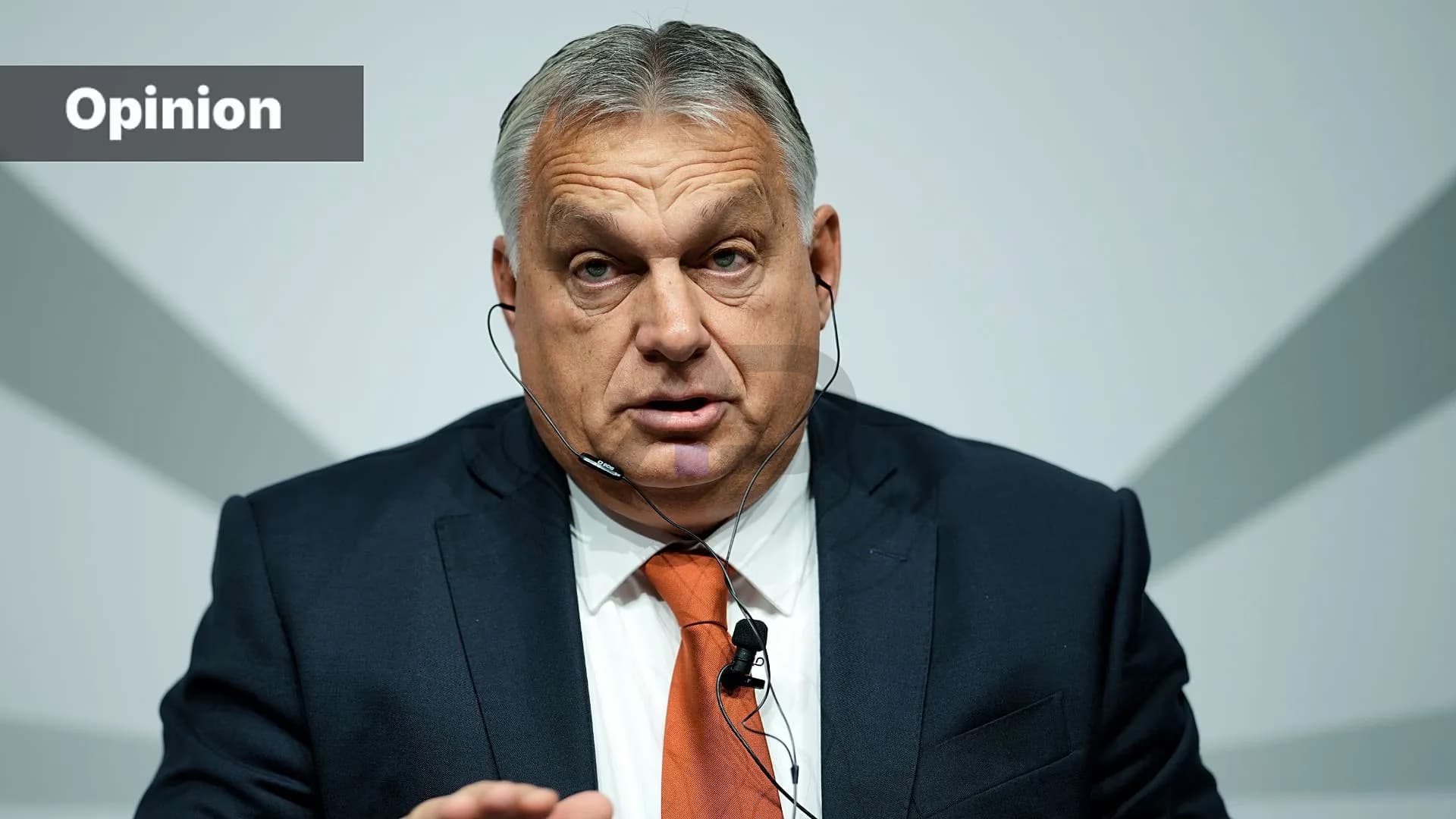
The defeat of Hungarian Prime Minister Viktor Orbán, supported by Donald Trump, in the elections and the failure of the peace talks between the US and Iran have weakened Trump's influence on the international stage. Additionally, Trump's blockade in the Strait of Hormuz has raised concerns in the regional and global economy.
Stay Updated with Ally Daily
Subscribe to be informed about special news, developments and announcements. We will keep you informed.
By signing up, you agree to our Privacy Policy