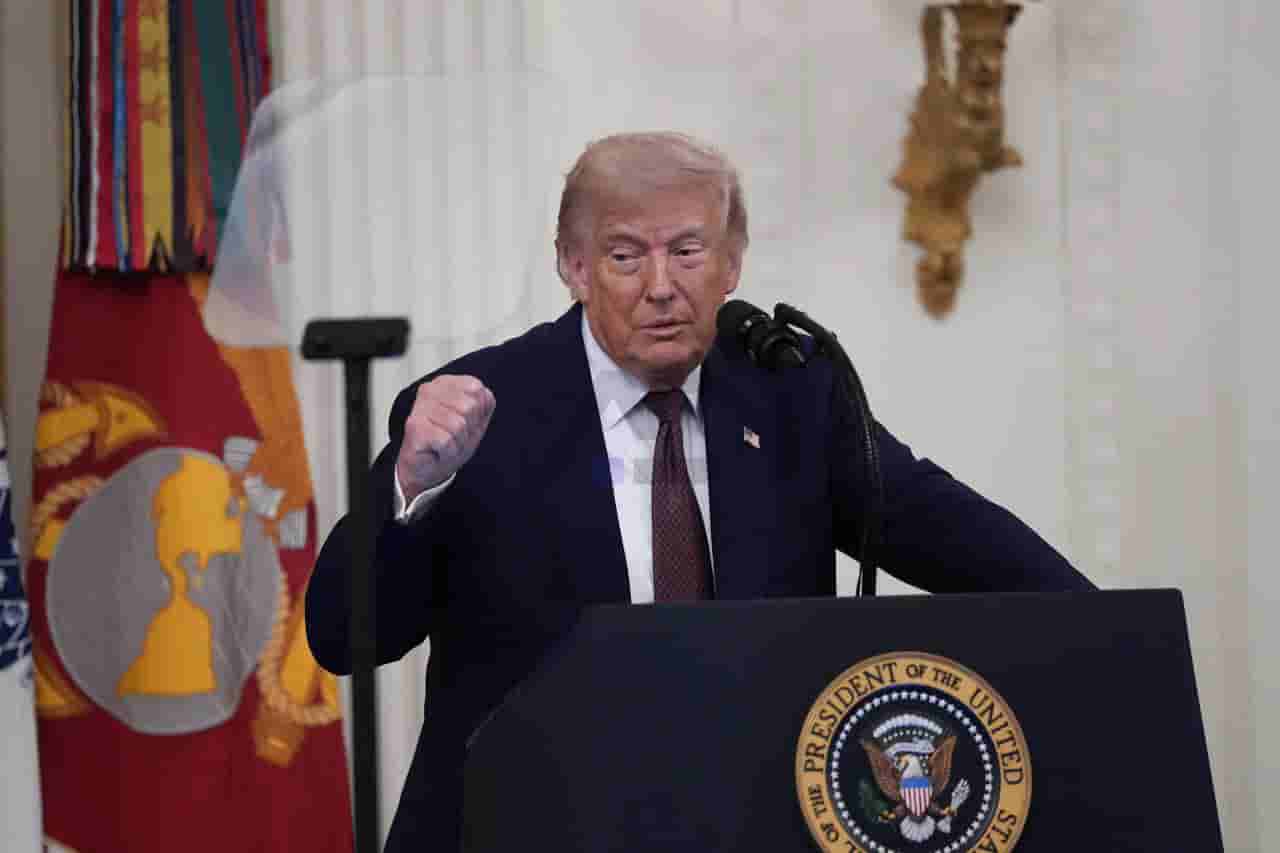
US President Donald Trump is expanding military escalation after the collapse of the temporary ceasefire agreement with Iran. The Trump administration has put options on the table such as striking Iran’s infrastructure, including energy plants and bridges, seizing the Kharg Island oil terminal, and bombing the nuclear-related facility at Mount Kazma.
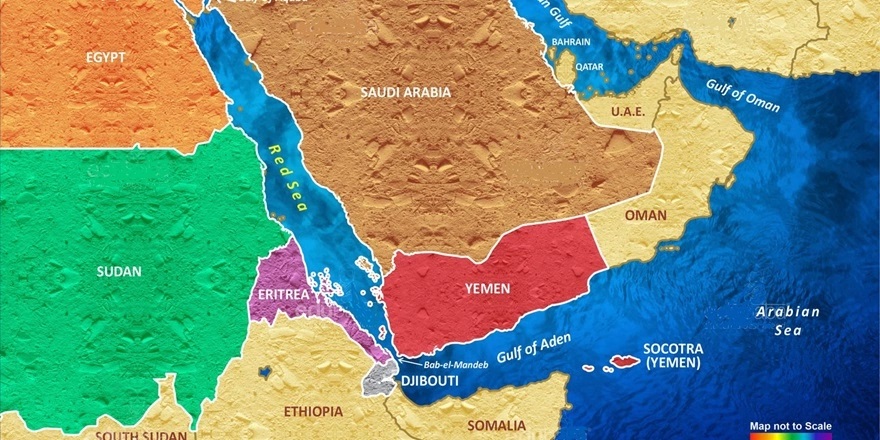
As the mutual attacks enter their sixth day, Iran signaled that if the US targets its energy infrastructure, it could close the Bab el-Mandeb Strait at the entrance to the Red Sea through the Houthis in Yemen. This move poses a new threat to global energy supply.
Experts say military pressure will not work
Most analysts believe that a major US escalation, short of a politically unsustainable land invasion, is unlikely to force Iran to change course. Jonathan Panikoff of the Atlantic Council think tank said, "There is no reason to believe that this latest series of attacks will force the Iranians to change their thinking."
Iran, indicating it is ready to expand the war, warned that if Trump continues the escalation, it could strike civilian facilities of US allies in the Gulf. Tehran still possesses significant stocks of missiles and drones.
Global markets reel
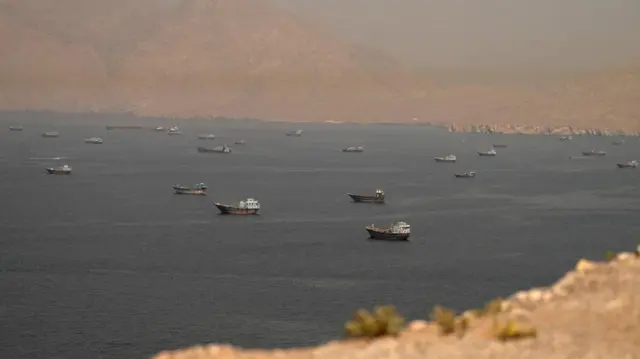
The escalating crisis has caused global oil prices to rise again and financial markets to experience turmoil. Iran has shown that it can halt one-fifth of the world's oil shipments during the war.
As negotiations aimed at turning the temporary agreement into a permanent peace reach a standstill, Trump is under pressure to end the war ahead of the November midterm elections. The president characterized the release of a US citizen detained in Iran as a goodwill gesture, but the Iranian judiciary reported that no prisoners were released.
Three US officials said the US wave of strikes could serve as "shaping operations" and give Trump the option of destroying targeted Iranian military capabilities before taking larger steps.
Some analysts suggested that Trump may be repeating mistakes he made when he launched the war on February 28. Danny Citrinowicz of the Israel Institute for National Security Studies said, "No matter how much pressure the administration applies, it is highly unlikely that the Iranian leadership will surrender."