- BIST10011,722-2.89%
- USD49.45+0.05%
- EUR55.62+0.37%
- GOLD4,181.10+0.26%
- INTEREST37.00%-1.00
- BITCOIN81,008-0.46%
- October 18, 20269°
- BIST10011,722-2.89%
- USD49.45+0.05%
- EUR55.62+0.37%
- GOLD4,181.10+0.26%
- INTEREST37.00%-1.00
- BITCOIN81,008-0.46%
- October 18, 20269°
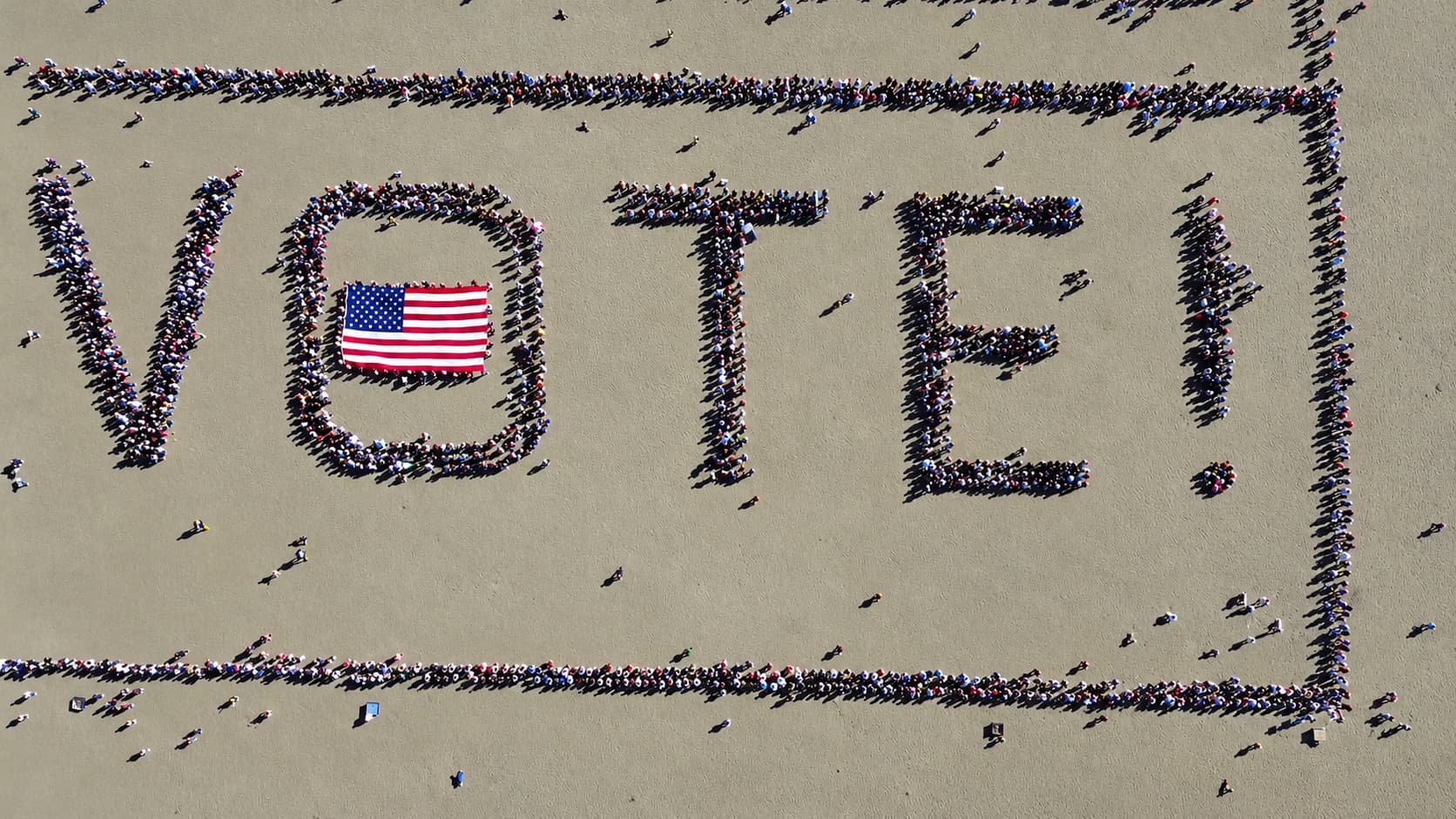
US celebrates 250th anniversary of independence
The United States celebrates the 250th anniversary of its independence on July 4. Parades, picnics, and fireworks displays are being held across the country.


The US is celebrating the 250th anniversary of its independence on July 4. Parades, picnics and fireworks displays are taking place nationwide.
History of Independence Day
The US declared its independence on July 2, 1776, by a resolution of the Continental Congress. The Declaration of Independence was signed on August 4, 1776. This process occurred 442 days after the start of the American Revolution.
At that time, the population of the 13 colonies was approximately 2.5 million. In a letter to British King George II, the Continental Congress listed its reasons for separating from the British Empire. The Declaration's 27-item list of grievances included the stationing of large British troops, obstruction of trade between the colonies and the world, imposition of taxes without local consent, and suspension of local legislative bodies.
The main issues were taxation and lack of control over their own actions. The Declaration stated: "He has abdicated Government here, by declaring us out of his Protection and waging War against us. He has plundered our seas, ravaged our Coasts, burnt our towns, and destroyed the lives of our people."
As an interesting coincidence, the second and third US presidents, John Adams and Thomas Jefferson, both died on July 4, 1826, the 50th anniversary of Independence Day.
Despite the complex history of relations, Britain remains one of the US's closest allies today. In 2015, trade volume between the two countries was recorded at $114.1 billion.
Celebration Traditions
Independence Day was hardly celebrated for the first 12 to 20 years; the young nation had too many problems. Today, it has become a major holiday where friends and families gather. Typical activities include hot dog eating contests, baseball games, and fireworks displays.
Washington, D.C., is packed with tourists hoping to see the original Declaration of Independence at the National Archives.
Stay Updated with Ally Daily
Subscribe to be informed about special news, developments and announcements. We will keep you informed.
By signing up, you agree to our Privacy Policy