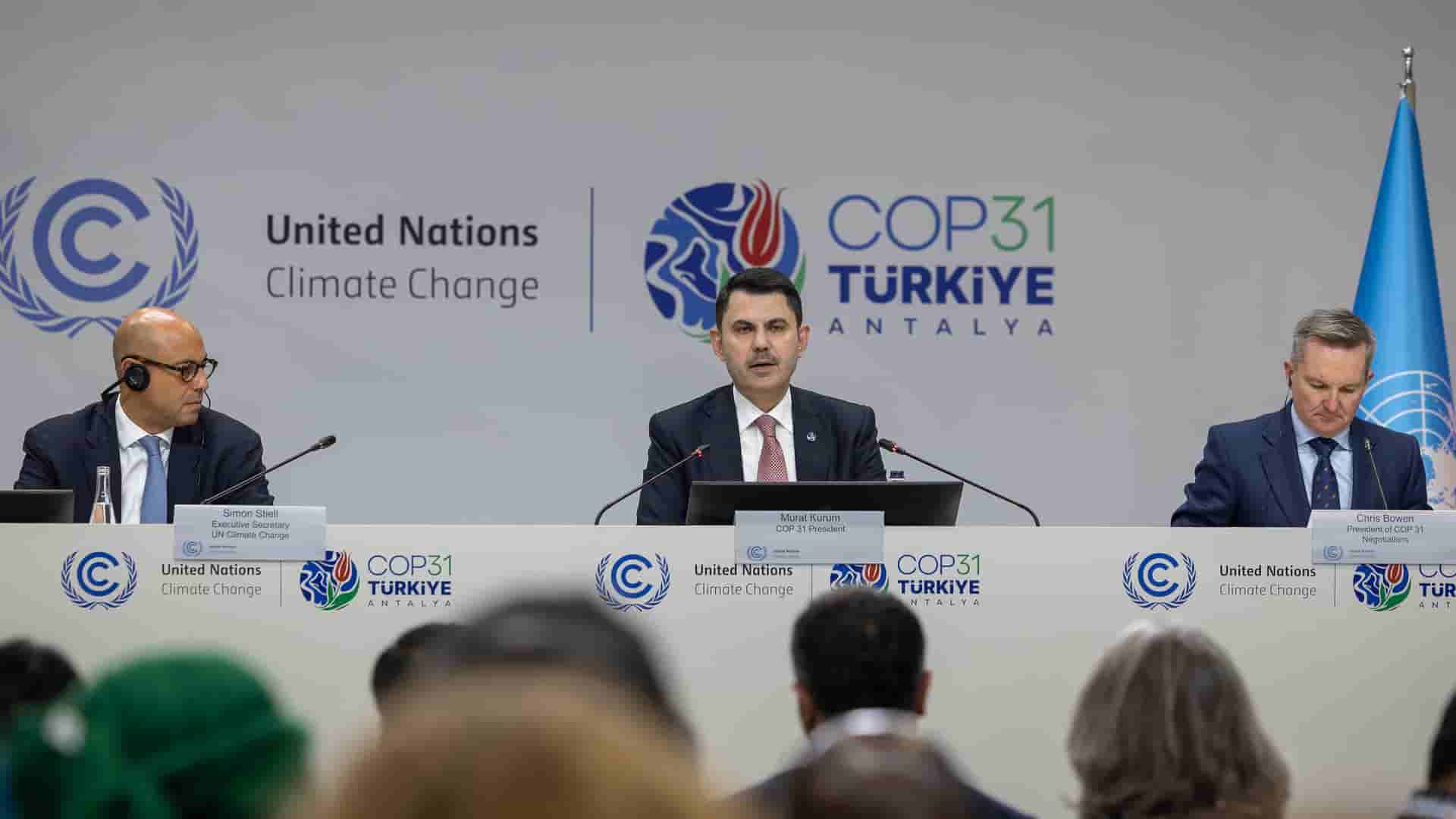
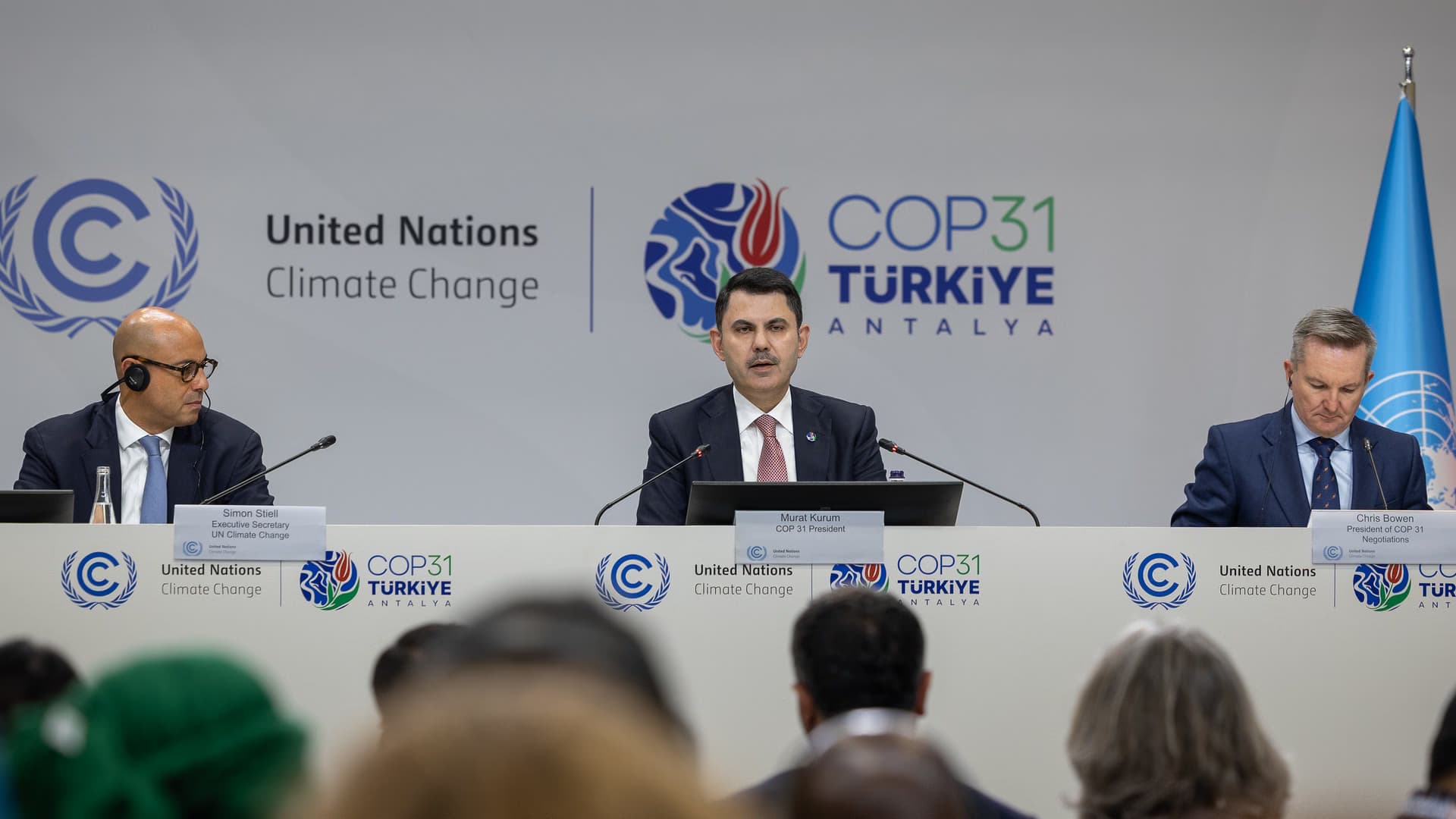
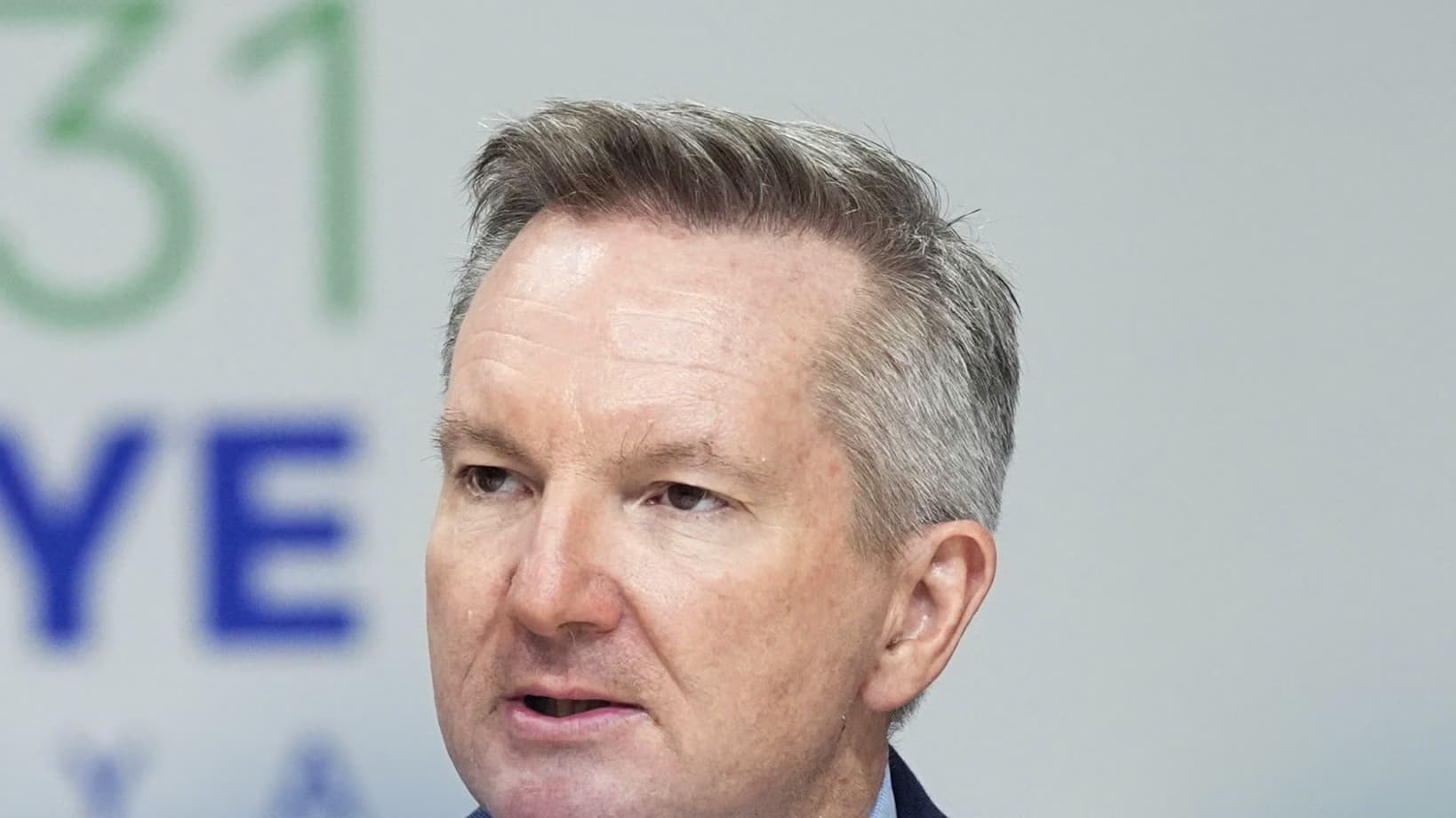
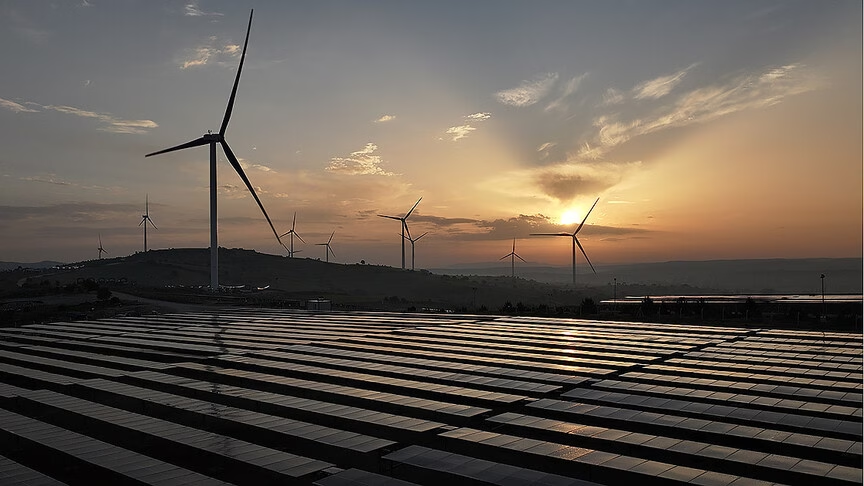
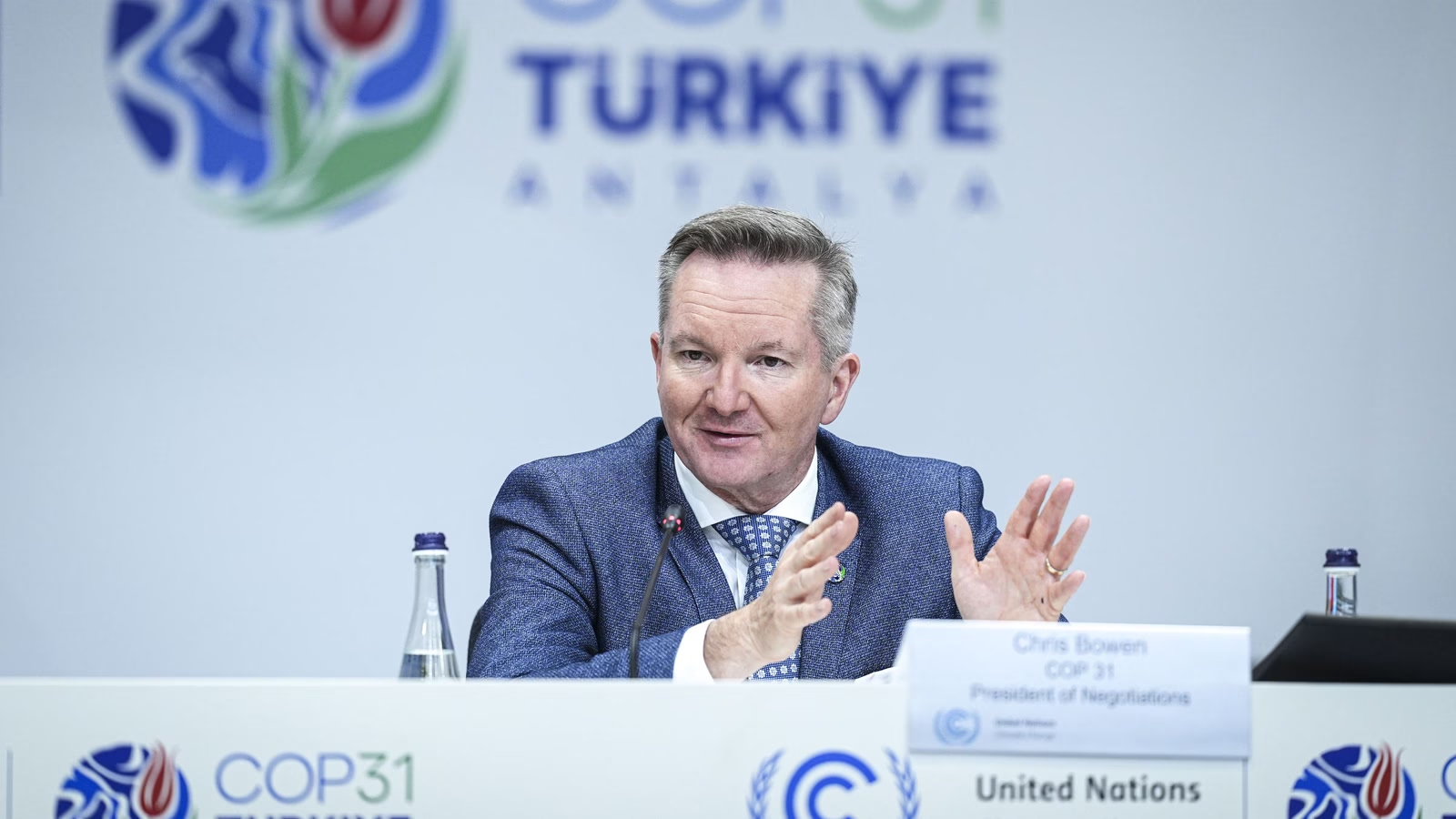
Seventy-five countries have now endorsed a goal championed by COP31 host Türkiye to raise electricity's share of global final energy consumption from about 22% today to 35% by 2035, the COP31 presidency said Wednesday as the U.N. climate summit in Antalya entered its final stretch. Supporters of the "35x35" target include Germany, the United Kingdom, Norway, South Korea, Spain, Japan, Denmark, Canada and Kyrgyzstan, while the European Commission said the European Union had signed on. Australia, which leads the negotiations, was among the first signatories, and 94 businesses and civil society groups have also backed the pledge.
The electrification target was included in the first draft text released after the conference's first week. It is meant to build on the pledge made at COP28 in Dubai to triple renewable energy capacity and double the rate of energy efficiency improvements by 2030.
'Entrenching in their positions'
Negotiators still have a long way to go before the summit closes on Friday. A member of Brazil's delegation told Anadolu that the 18-page draft decision acknowledges developing countries' priorities on finance, trade and technology but "does not yet deliver on them," warning that tripling adaptation finance would cover "less than a third" of what is needed. Soenke Kreft of the U.N. University's environment institute said countries are "not yet there" on consensus but "entrenching in their positions," adding that some oppose singling out specific technologies or sectors such as electrification.
America's empty chair
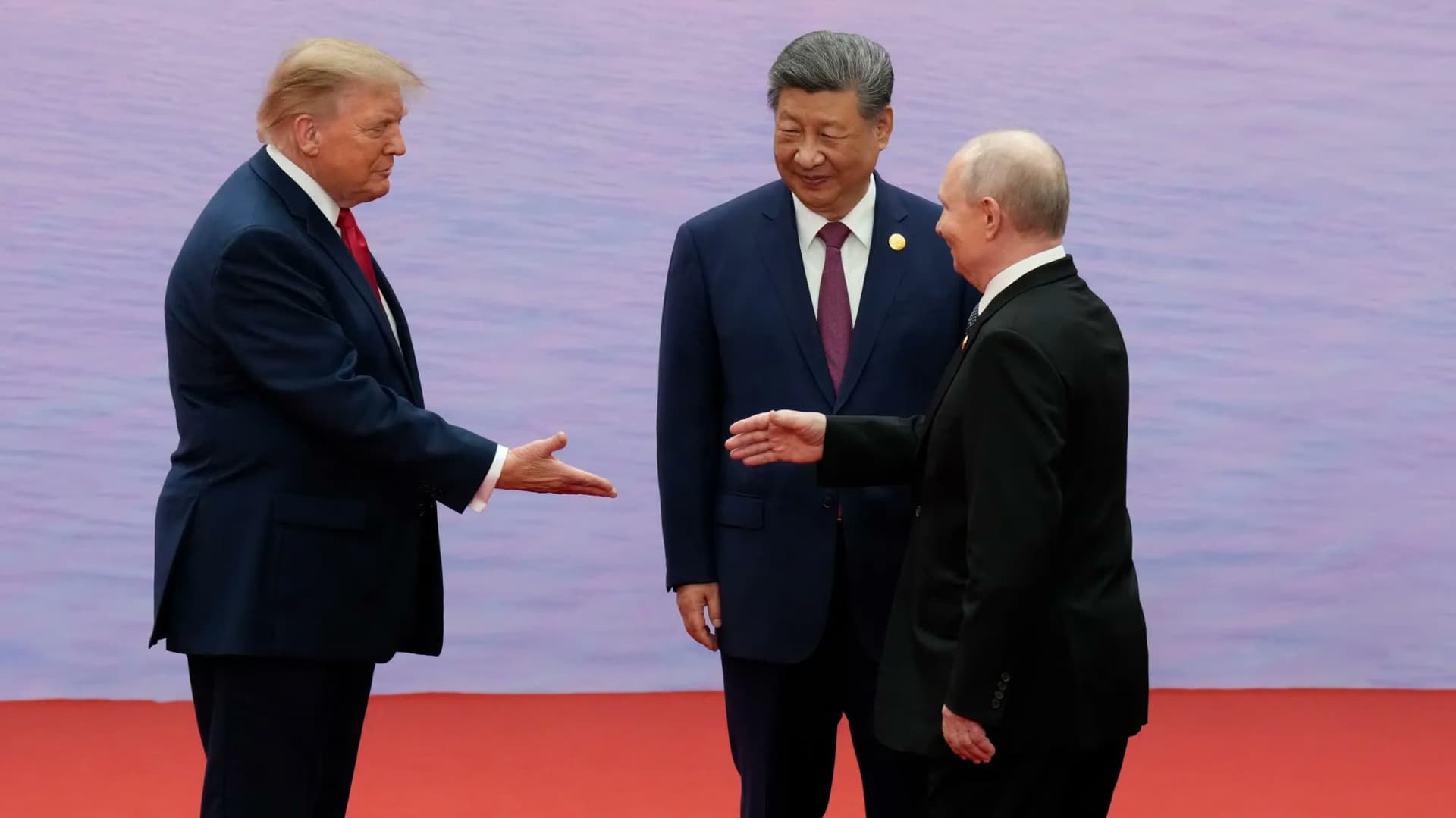
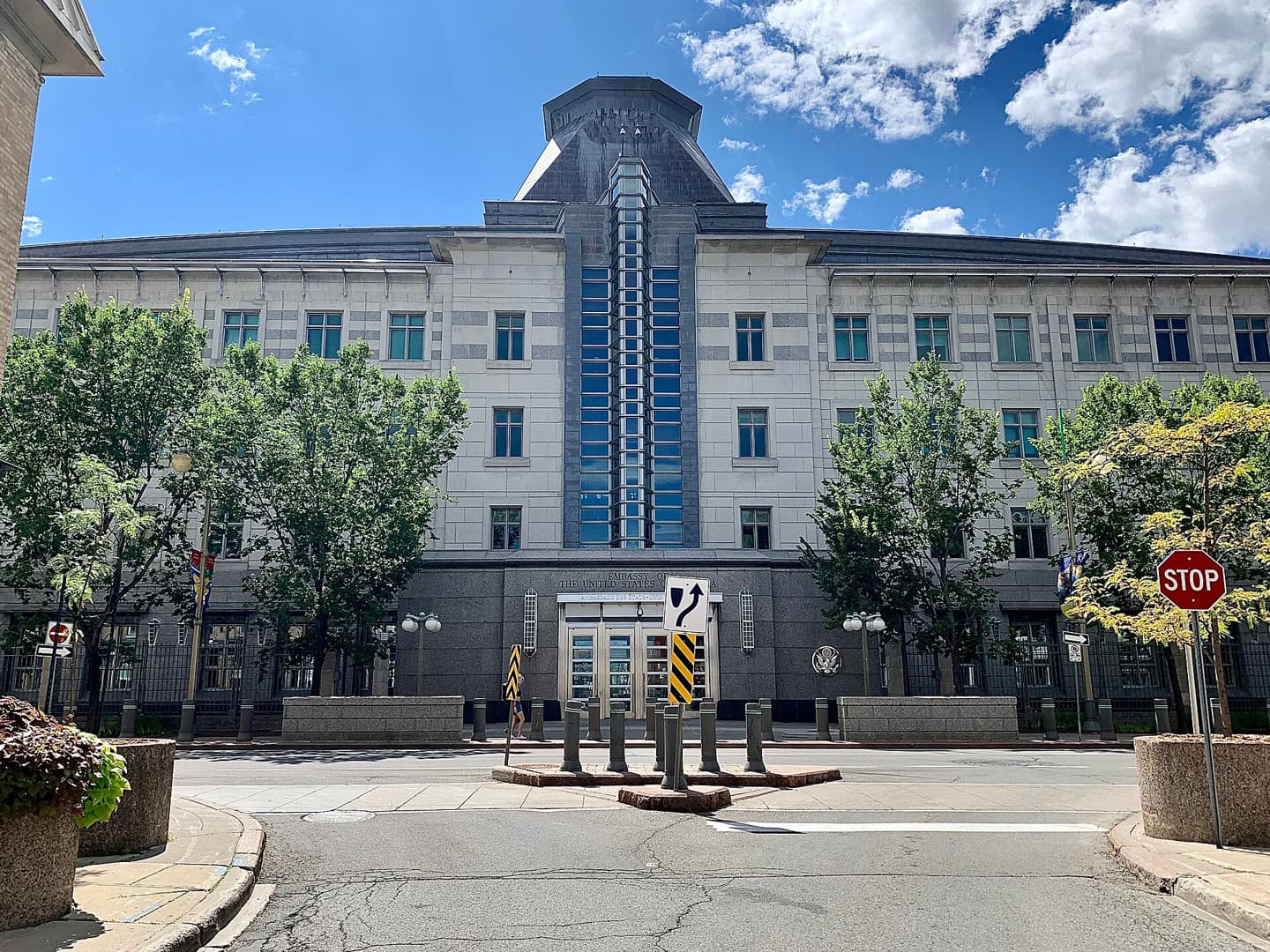
For the second year in a row, there is no official U.S. federal delegation at the U.N. climate talks. The United States, which withdrew from the Paris Agreement under President Donald Trump, was also missing from the 95 countries that sent leader-level delegations to Antalya, and it is not taking part in the negotiations, leaving other major economies to shape the outcome.
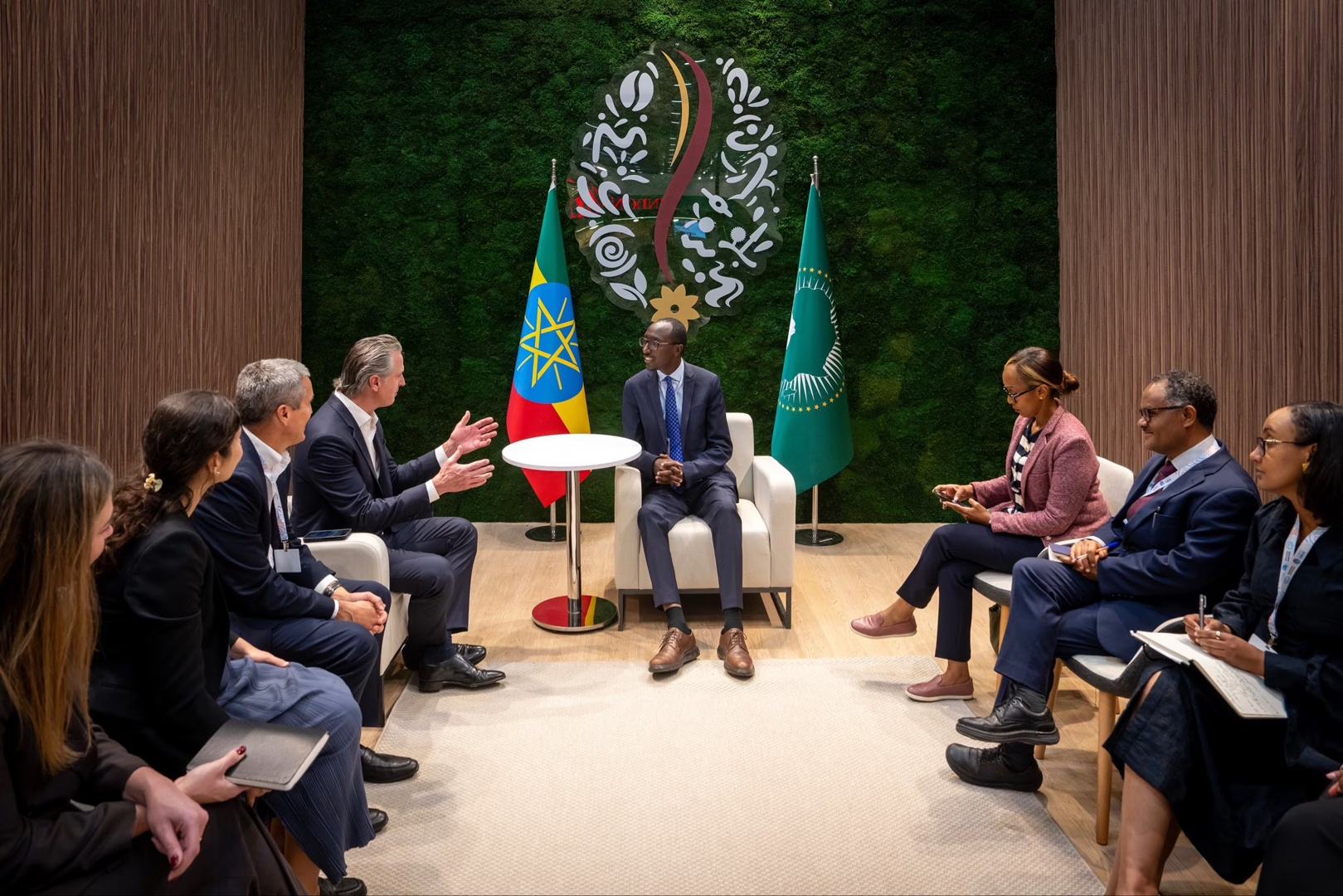
State and local leaders have tried to fill the gap. California Gov. Gavin Newsom, Minnesota Gov. Tim Walz, former Vice President Al Gore and former climate envoy John Kerry all came to Antalya, and leaders of states and cities making up more than 60% of the U.S. economy pledged to work with the U.N. on tracking emissions. Newsom also met Ethiopian Foreign Minister Gedion Timothewos, the incoming president of next year's COP32 in Ethiopia.
An 18-member House Democratic delegation arrived for the final week insisting that "climate action is alive in America," and Sen. Sheldon Whitehouse met Türkiye's deputy foreign minister on the sidelines of the talks. Rep. Yassamin Ansari of Arizona, a member of the congressional delegation, addressed the administration's absence in a message recorded at the venue.
Record crowds, a crowded draft
The Antalya talks registered 102,610 Blue Zone participants in their first week, close to the all-time record set in Dubai, and a 144-paragraph first draft landed on the table at the start of the second week. Türkiye's presidency has also gathered more than 50 backers plus the EU for a pledge to multiply geothermal power twelvefold by 2050, a field in which the United States leads the world in installed capacity. At the start of the summit, the Climate Action Tracker warned that current policies put the planet on course for 2.7C of warming by 2100.
What happens next
Ministers are now trying to close gaps on climate finance, a just transition mechanism and adaptation before the summit's scheduled close on Friday, Nov. 20. Wednesday is the conference's "Human and Social Development" day, focused on women, people with disabilities, older people and climate migration, and Thursday is devoted to strengthening implementation. COP31 President Murat Kurum has called Antalya the "implementation COP," with the goal of turning the $1.3 trillion finance target agreed last year into real investment.
Photos: Anadolu, official accounts. Videos: Türkiye's Ministry of Environment, Urbanization and Climate Change; Rep. Yassamin Ansari.