- BIST10011,661-1.54%
- USD50.39+0.22%
- EUR55.50-0.19%
- GOLD3,851.90-0.32%
- INTEREST36.00%-1.00
- BITCOIN64,658-0.26%
- November 18, 202611°
- BIST10011,661-1.54%
- USD50.39+0.22%
- EUR55.50-0.19%
- GOLD3,851.90-0.32%
- INTEREST36.00%-1.00
- BITCOIN64,658-0.26%
- November 18, 202611°
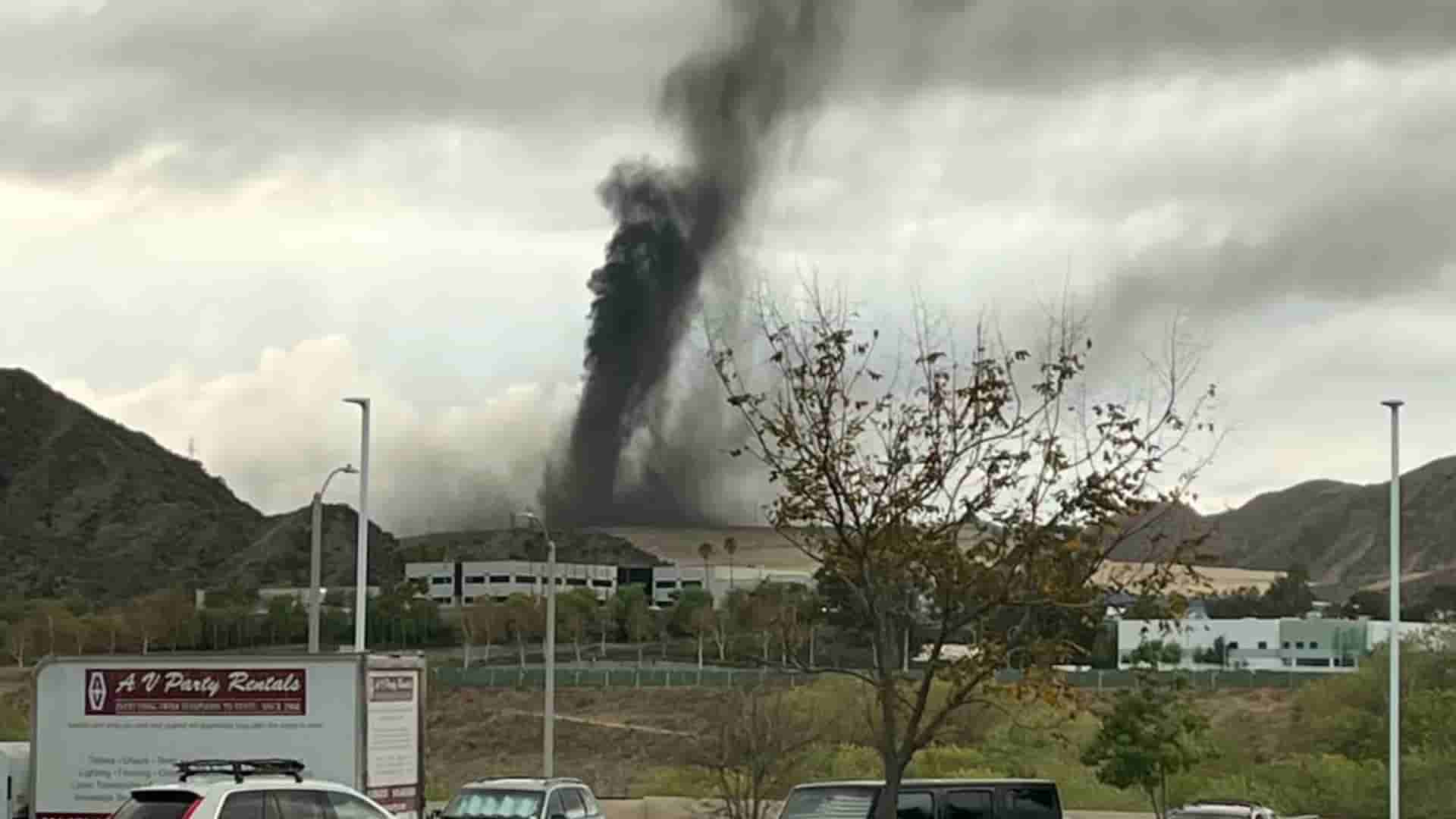
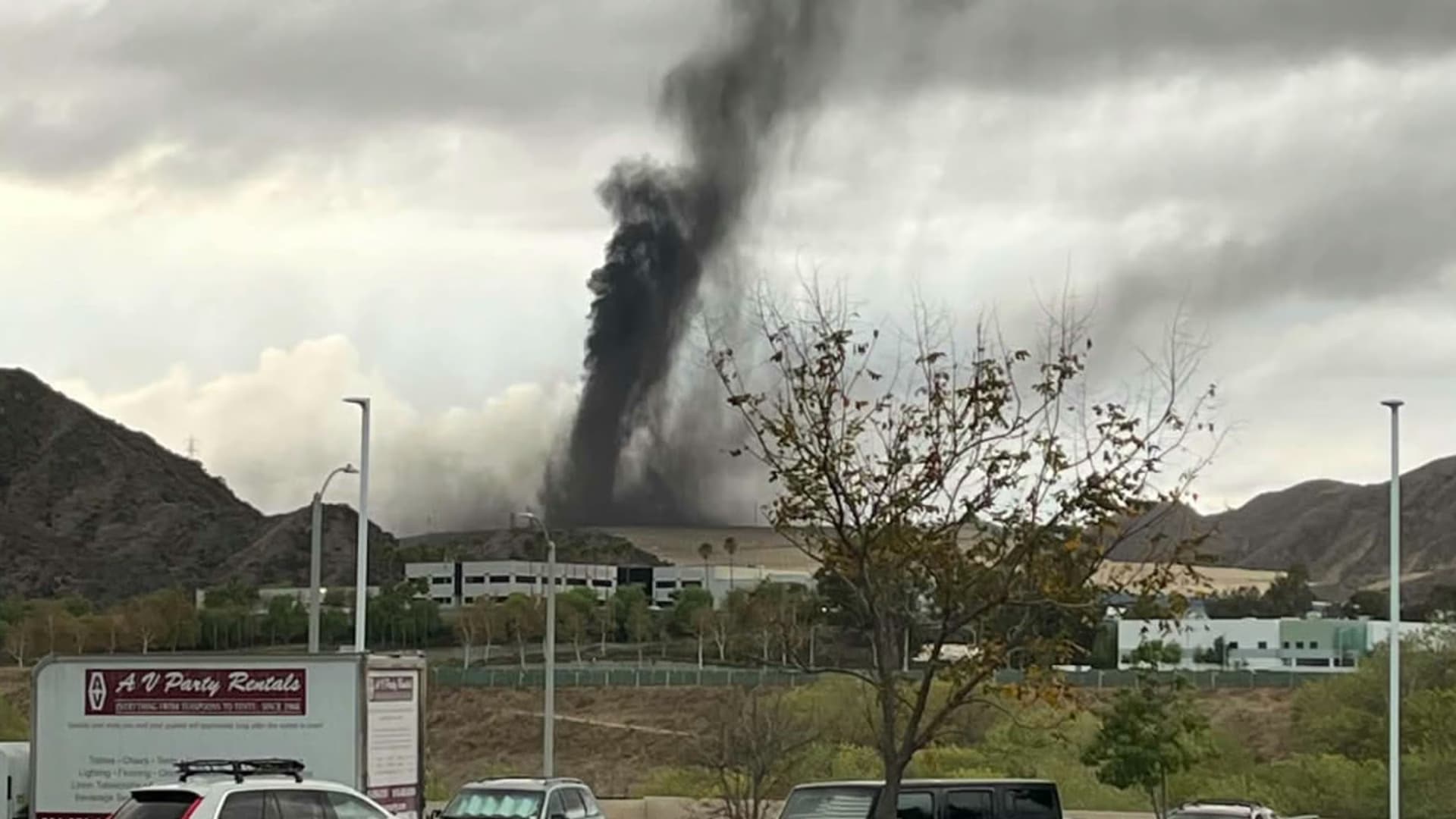
America's 403 biggest data centers out-pollute Denmark as COP31 pushes clean AI
A Harvard-led study estimates that the largest U.S. data centers emitted about 25.7 million metric tons of CO2 in a single year, more than Denmark, with over half their power coming from fossil fuels. The findings landed as COP31 host Türkiye launched the Antalya AI Pledge for clean-powered data centers, which Washington, absent from the talks, has not endorsed.


The 403 largest data centers in the United States put about 25.7 million metric tons of carbon dioxide into the air in a single year, more than the entire nation of Denmark, according to a Harvard-led study published Monday in the journal Nature Sustainability. The estimate covers May 2024 to April 2025, before the artificial intelligence building boom fully took off.
The researchers used satellite imagery to identify 403 hyperscale data centers, the largest class of facilities that run cloud computing, train large language models and serve AI tools. They estimated each site's electricity use and then used Environmental Protection Agency data to attribute emissions based on the power plants in its regional grid. Depending on how hard the centers were running, they used between 68 and 99 terawatt-hours of electricity, about 1.8% of total U.S. consumption. The upper estimate approaches the annual use of states such as Indiana, Michigan and Tennessee.
“We are going backwards”
Roughly 54% of the electricity came from fossil fuels, mainly natural gas (38%) and coal (15%), and just four states, Virginia, Oregon, Ohio and Iowa, accounted for more than half of the electricity use studied. The emissions figure is two to three times higher than an earlier estimate for 2018, the Harvard T.H. Chan School of Public Health said.

“It is the equivalent to the CO2 emission of an entire state like Michigan or a small European country,” senior author Francesca Dominici, a Harvard biostatistics professor, told The Associated Press. She said plans for 2,000 more data centers make the numbers more worrying. “We are going backwards toward the goal of controlling CO2 emissions.” Lead author Gianluca Guidi added that the footprint “could already be substantially larger now in 2026,” since new facilities have been built and existing campuses have expanded since the study period ended.
An Antalya pledge without Washington
On the same day, at the U.N. climate talks in Antalya, the COP31 Presidency and the International Telecommunication Union launched the Antalya Artificial Intelligence Pledge. It calls on signatories to power data centers with low- and zero-emission energy, use energy and water efficiently, assess and report AI's environmental footprint, and help developing countries use AI for climate action. “Claims about future emissions savings cannot excuse rising pollution now, making climate disasters even worse,” U.N. climate chief Simon Stiell said at the launch.
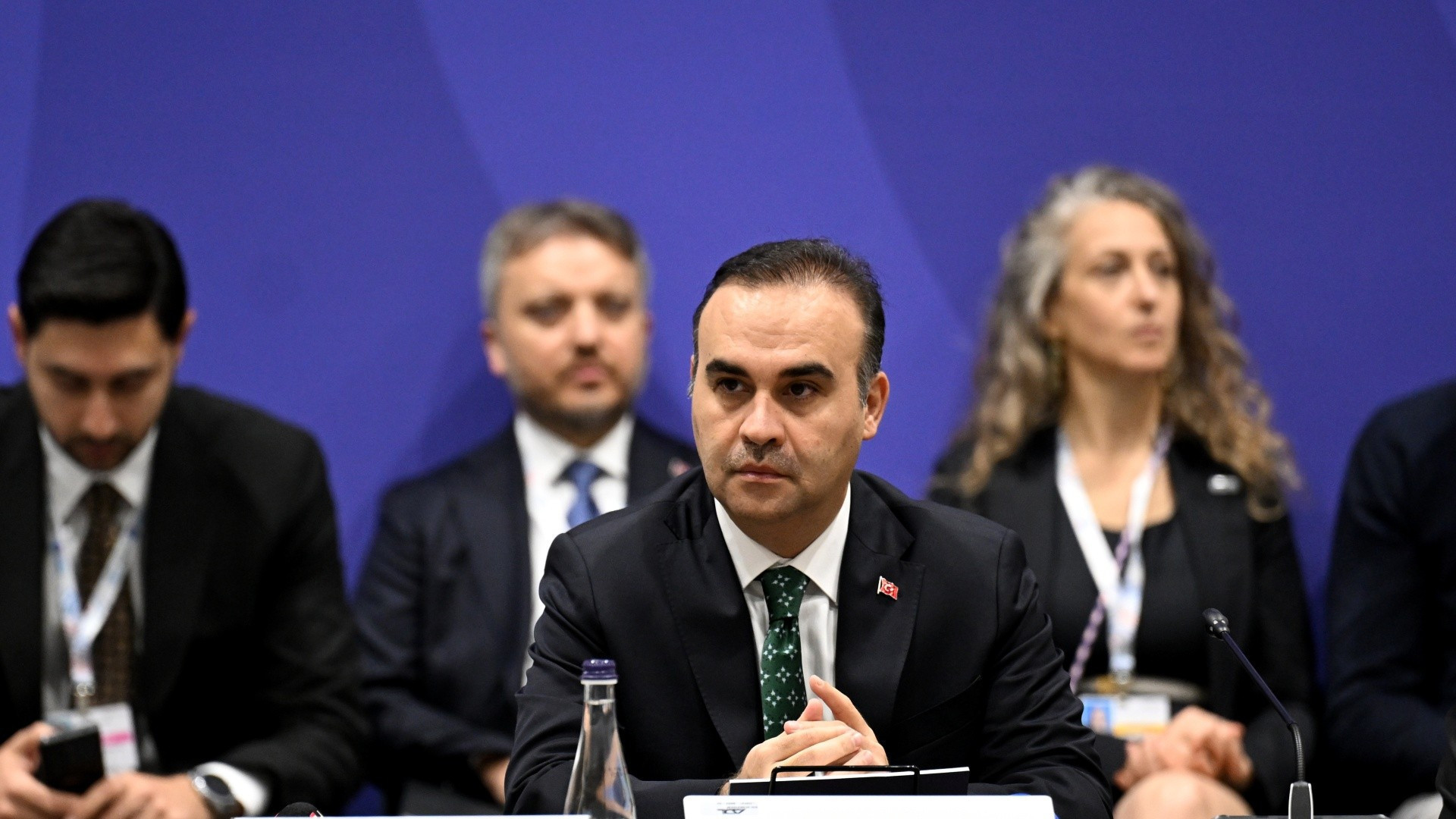
Türkiye's Industry and Technology Minister Mehmet Fatih Kacır said the pledge had drawn 80 endorsements and 271 concrete commitments as of Nov. 16, Anadolu Agency reported. According to The Japan Times, only about 10 of the endorsers are countries, and the United States, China and the European Union have not signed on. Washington sent no official negotiators to COP31, skipping the U.N. climate talks for a second year under President Donald Trump.
COP31 President Murat Kurum said the rapid growth of AI must be “powered and deployed responsibly, and used for the benefit of climate actions.” Outside experts said the Harvard study's reliance on modeling was reasonable because companies do not disclose their power use. “We cannot manage environmental impacts effectively without reliable measurements and disclosure,” said Cornell University energy systems scientist Fengqi You, who was not involved in the research.
Cover photo: AP. Photos: AA, Wikimedia Commons.
Have a story, event or announcement of your own?Send us your news on WhatsApp
Spotted an error in this story?Report it on WhatsApp
Share on all social platforms
Sponsored Ads
Featured Listings
Loading featured properties...
Stay Updated with Ally Daily
Subscribe to be informed about special news, developments and announcements. We will keep you informed.
By signing up, you agree to our Privacy Policy