- BIST10011,661-1.54%
- USD50.39+0.22%
- EUR55.50-0.19%
- GOLD3,856.90-0.19%
- INTEREST36.00%-1.00
- BITCOIN65,108+0.43%
- November 18, 202611°
- BIST10011,661-1.54%
- USD50.39+0.22%
- EUR55.50-0.19%
- GOLD3,856.90-0.19%
- INTEREST36.00%-1.00
- BITCOIN65,108+0.43%
- November 18, 202611°
Amid Trump tariff fight, Carney tells Xi Canada is ahead on its 50% China export goal
As Washington presses Ottawa on autos and tariffs, Canadian Prime Minister Mark Carney met Xi Jinping in Shenzhen and said Canada is "well ahead" of its plan to grow exports to China by 50% this decade. The two sides agreed on new tariff relief for Canadian pork and seafood and longer exemptions for Chinese steel and aluminum.
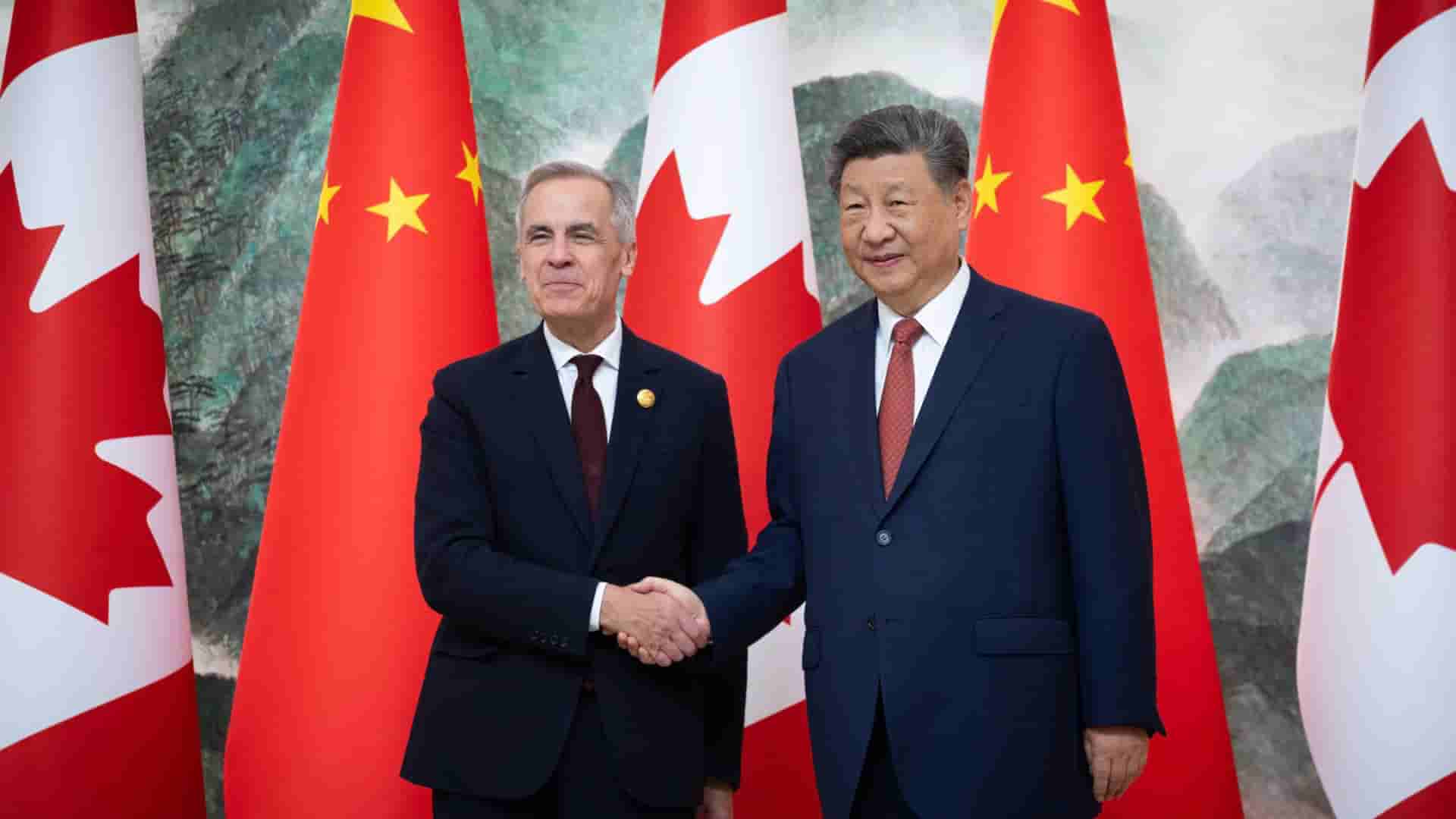
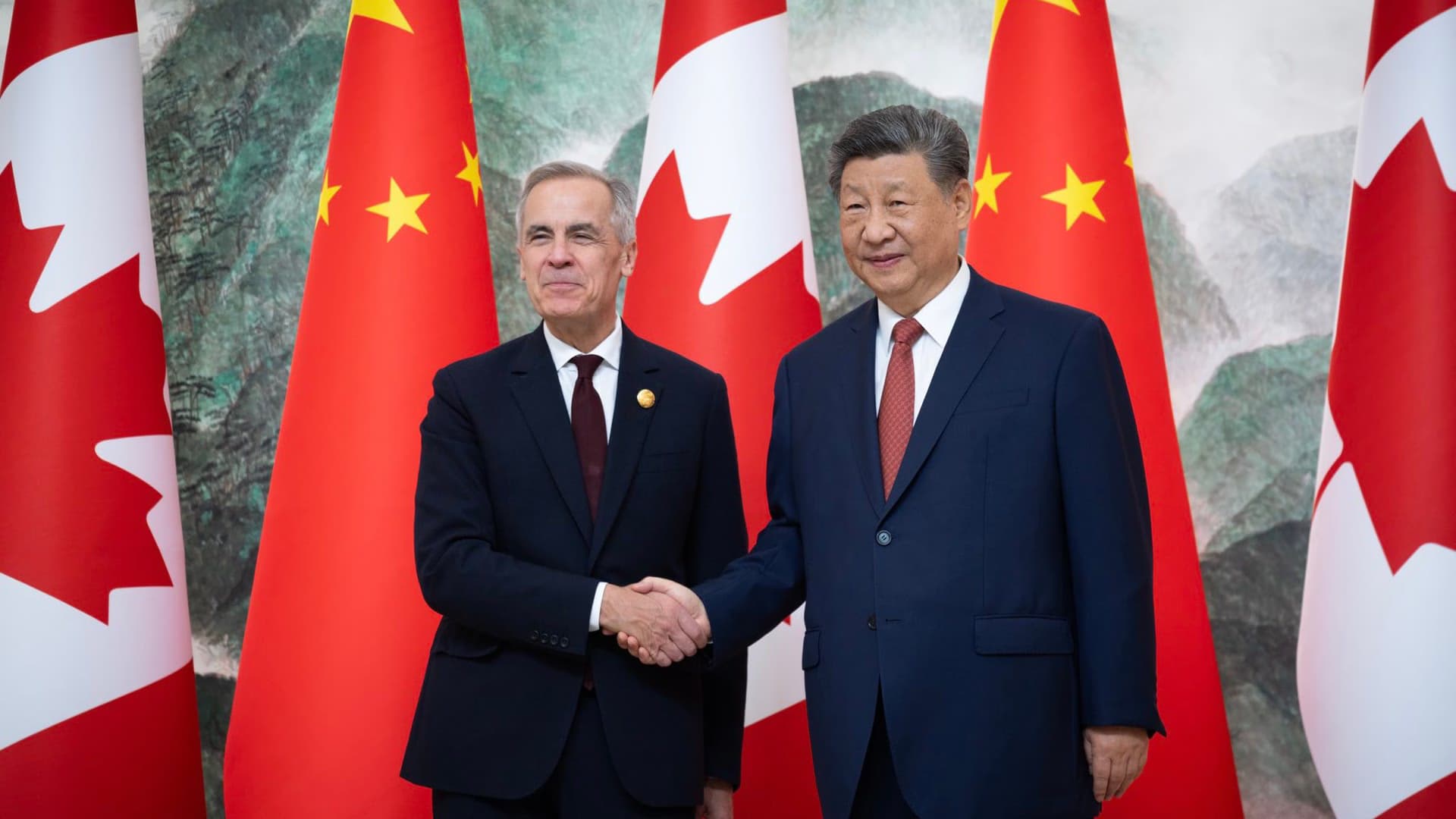
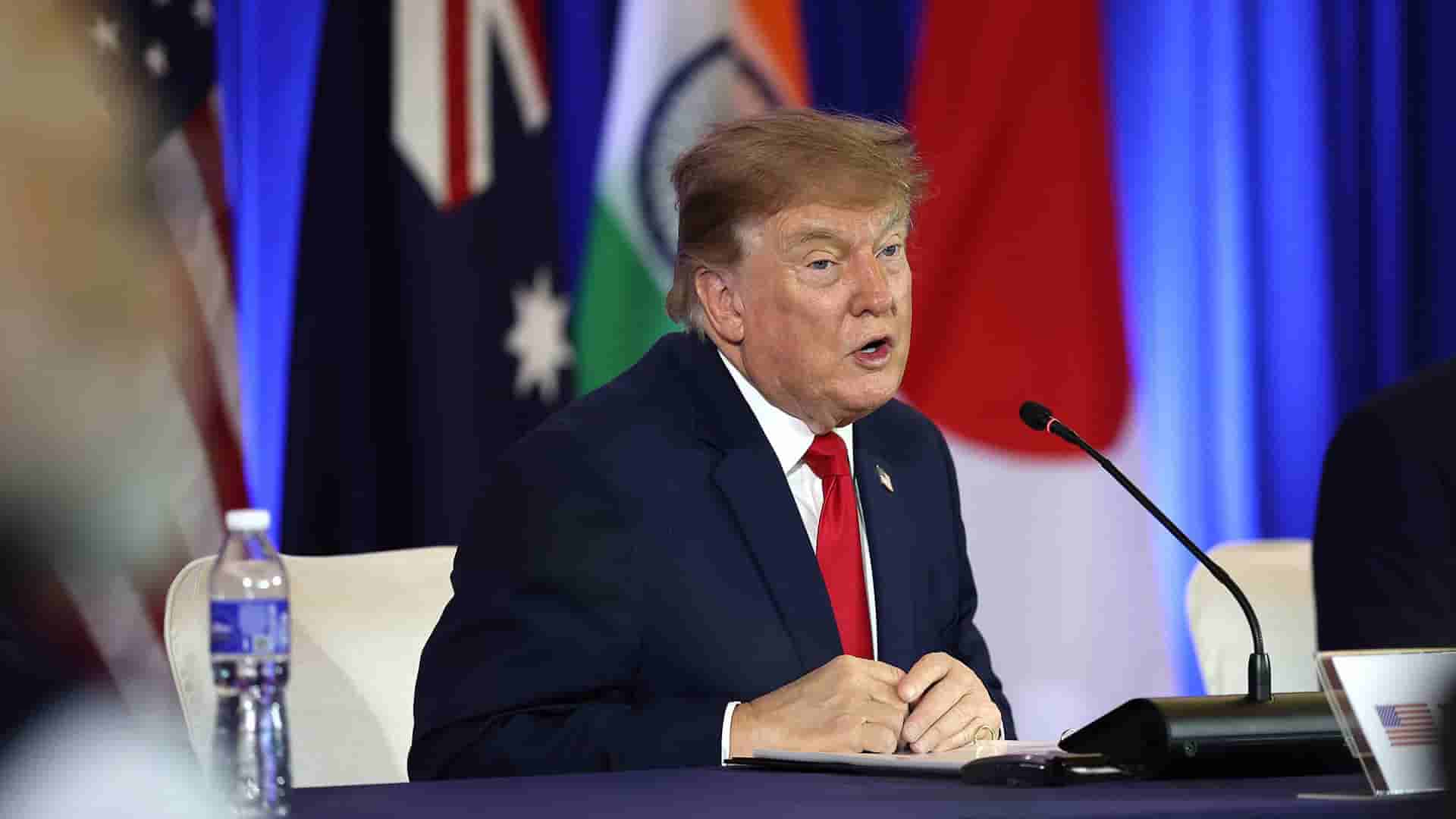
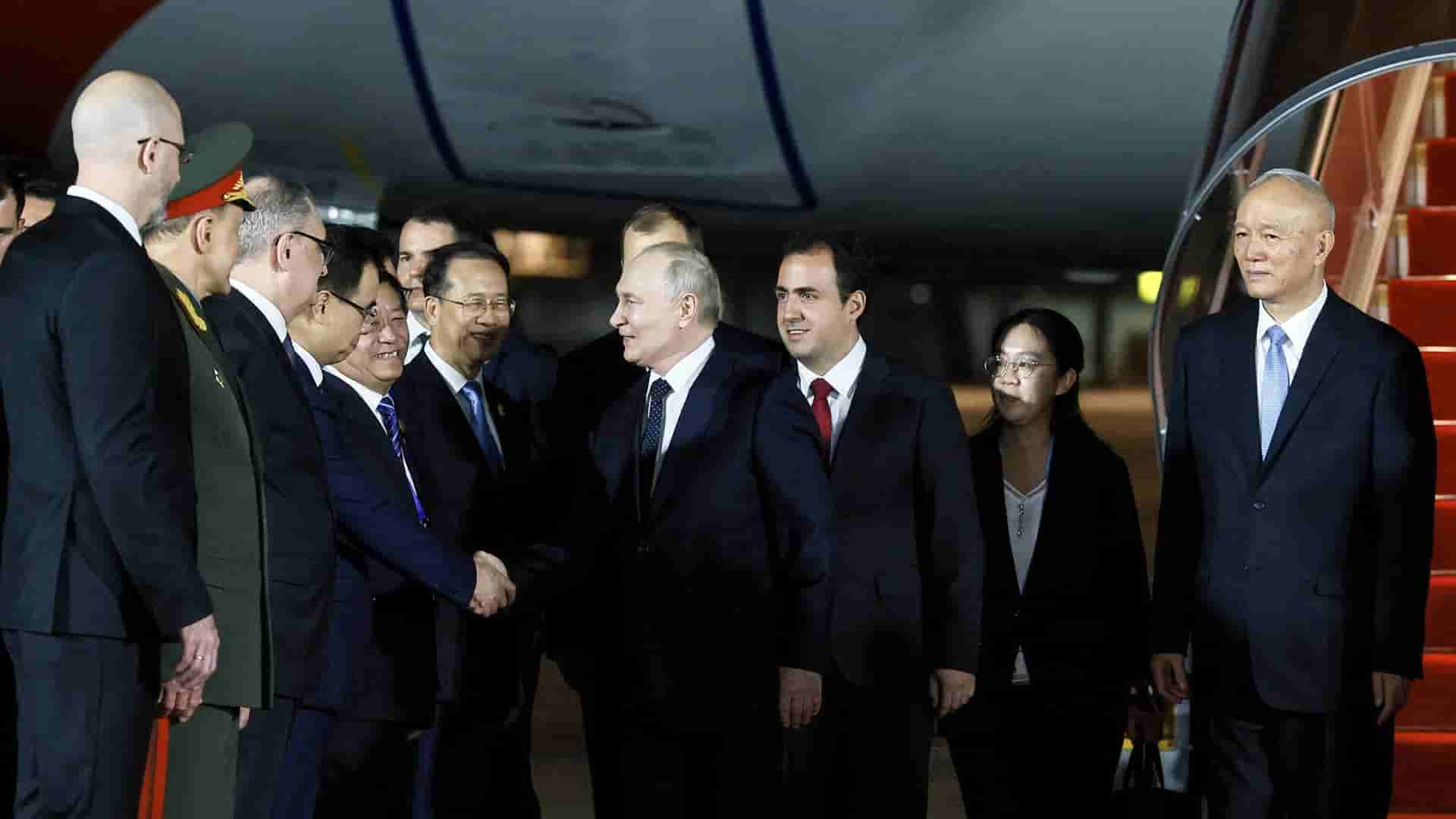
Canadian Prime Minister Mark Carney told Chinese President Xi Jinping on Tuesday that Canada is running ahead of its plan to raise exports to China by 50% by the end of the decade, as Ottawa looks beyond the United States while its trade talks with President Donald Trump drag on. The two leaders met in Shenzhen ahead of the Asia-Pacific Economic Cooperation (APEC) summit, which Trump is also traveling to this week.
Carney's office said the two sides agreed to extend and expand an earlier trade arrangement. China will provide tariff relief on about 400 million Canadian dollars ($280 million) of Canadian exports, including 116 million Canadian dollars in frozen pork cuts and 285 million Canadian dollars in fish and seafood, Anadolu reported. In return, Canada will extend tariff remissions on certain Chinese steel and aluminum products by two years and add 32 steel and aluminum items where domestic supply falls short.
In the meeting, Carney told Xi: "Canada is well ahead of our schedule for increasing our exports to China by 50% by the end of this decade." He also said there is now "greater predictability and stability" in the relationship, according to The Associated Press, adding that "the stabilization of our bilateral trade arrangement is indicative of how we can work together more broadly, pragmatically, to solve problems."
Washington's shadow over the talks
The meeting came a day after Carney said Canada could turn to Chinese automakers if negotiations with Trump fail to preserve an integrated North American auto industry. "We have the best auto workers in the world, and we want them fully deployed, full opportunity, in an integrated North American market," Carney told reporters in Cambodia. "That market has become less integrated because of US trade actions." According to CBC News, he said Canada could look to European, Chinese or Japanese automakers instead, and that "Canada is going to move forward either way."
Trump threatened an immediate 100% tariff on all Canadian goods after Carney's January visit to Beijing and accused him of trying to turn Canada into a "drop off port" for Chinese exports, Anadolu noted. Under the January deal, Canada cut its 100% tariff on Chinese electric vehicles to 6.1% for an initial quota of up to 49,000 vehicles a year, while China lowered tariffs on Canadian farm goods such as canola, the AP reported.
Opening the talks, Carney recalled that "much has been achieved since my visit in January, when we agreed to a strategic partnership," and said the two countries' trade road maps "have shown the strength of our fundamental interests." Xi said improving ties "serves the interests of the people of both countries" and called it "the right choice," the AP reported.
Flights, scholarships and e-commerce
Beyond tariffs, Carney committed 8.85 million Canadian dollars to environmental cooperation and student scholarships in China, named 2027 the Canada-China Year of E-commerce and announced a 2027 trade mission, according to Anadolu. Air Canada will launch flights between Vancouver and Guangzhou in May 2027, and Chinese airlines will add flights to Canada. Carney's office said nearly 7.5 billion Canadian dollars ($5.2 billion) in trade access has been restored since January.
Canada and the United States are again negotiating a trade deal after Ottawa walked away from earlier talks, mainly over Trump's push to move auto production from Canada to the U.S., Anadolu reported.
Looking ahead, Carney told Xi the two countries have "the opportunity to advance in areas of mutual interest," guided by "our national interests and values," and said they "can help shape a global order that benefits all peoples through sustainable, peaceful and human-centered growth."
Video: CPAC via Clash Report. Photo: Anadolu Agency.