- BIST10011,722-2.89%
- USD49.45+0.05%
- EUR55.62+0.37%
- GOLD4,181.10+0.26%
- INTEREST37.00%-1.00
- BITCOIN81,434-0.08%
- October 17, 202614°
- BIST10011,722-2.89%
- USD49.45+0.05%
- EUR55.62+0.37%
- GOLD4,181.10+0.26%
- INTEREST37.00%-1.00
- BITCOIN81,434-0.08%
- October 17, 202614°
Americans Hall and Woodford take Nobel for work behind modern central banking
Stanford’s Robert E. Hall and Columbia’s Michael Woodford won the 2026 Nobel economics prize for research that shapes how the Fed and other central banks steady the economy.
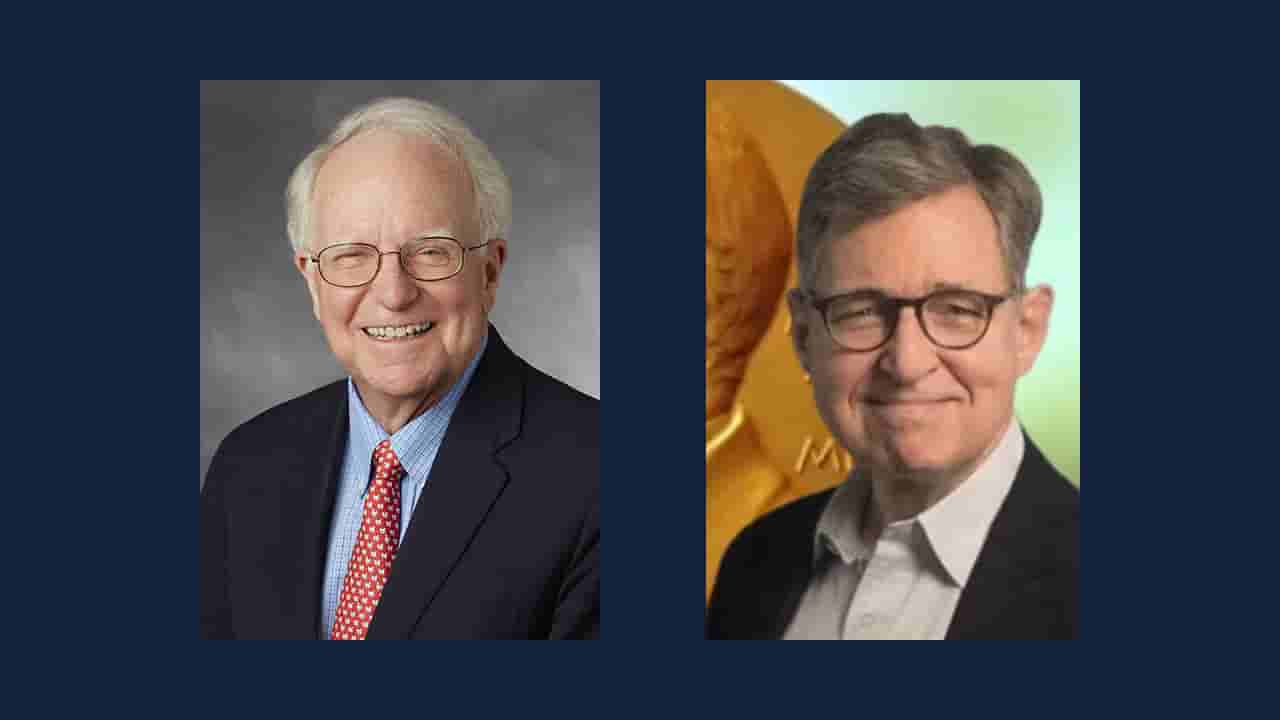
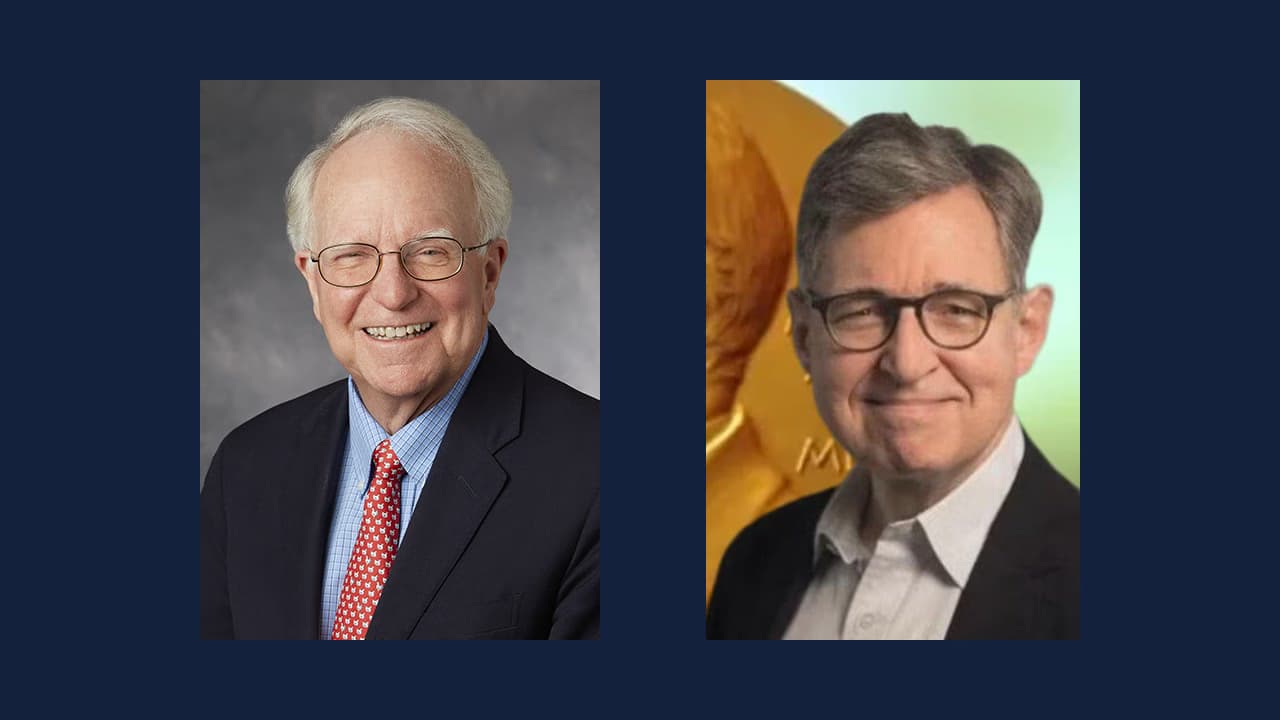
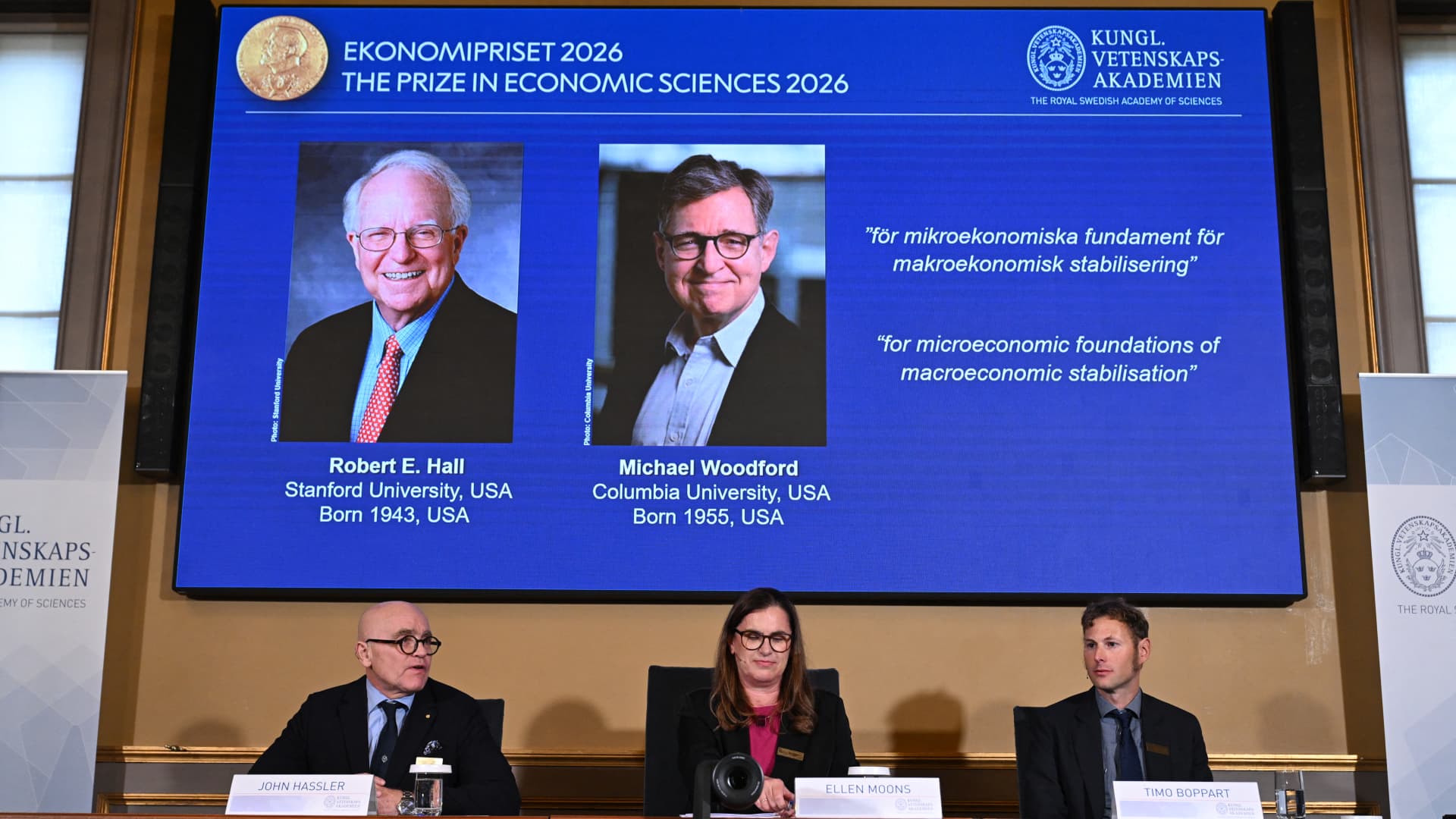
Two American economists, Robert E. Hall of Stanford University and Michael Woodford of Columbia University, won the 2026 Nobel economics prize on Monday, honored by the Royal Swedish Academy of Sciences “for microeconomic foundations of macroeconomic stabilisation.”
Their research helped build the models that the Federal Reserve and other central banks rely on when they raise or cut interest rates to cool inflation or support employment.
The man who calls U.S. recessions
Hall, born in 1943, is a senior fellow at Stanford’s Hoover Institution. He led for many years the National Bureau of Economic Research committee that officially dates American recessions, served as president of the American Economic Association and co-designed a well-known flat tax proposal with Alvin Rabushka.
Architect of New Keynesian theory
Woodford, born in 1955, is a leading figure of New Keynesian economics. His 2003 book “Interest and Prices” became a standard reference for central bankers, and he received the Erwin Plein Nemmers Prize in 2024.
The two will share the 12 million Swedish crown award, officially the Sveriges Riksbank Prize in Economic Sciences in Memory of Alfred Nobel, which closed this year’s Nobel announcements.
Stay Updated with Ally Daily
Subscribe to be informed about special news, developments and announcements. We will keep you informed.
By signing up, you agree to our Privacy Policy