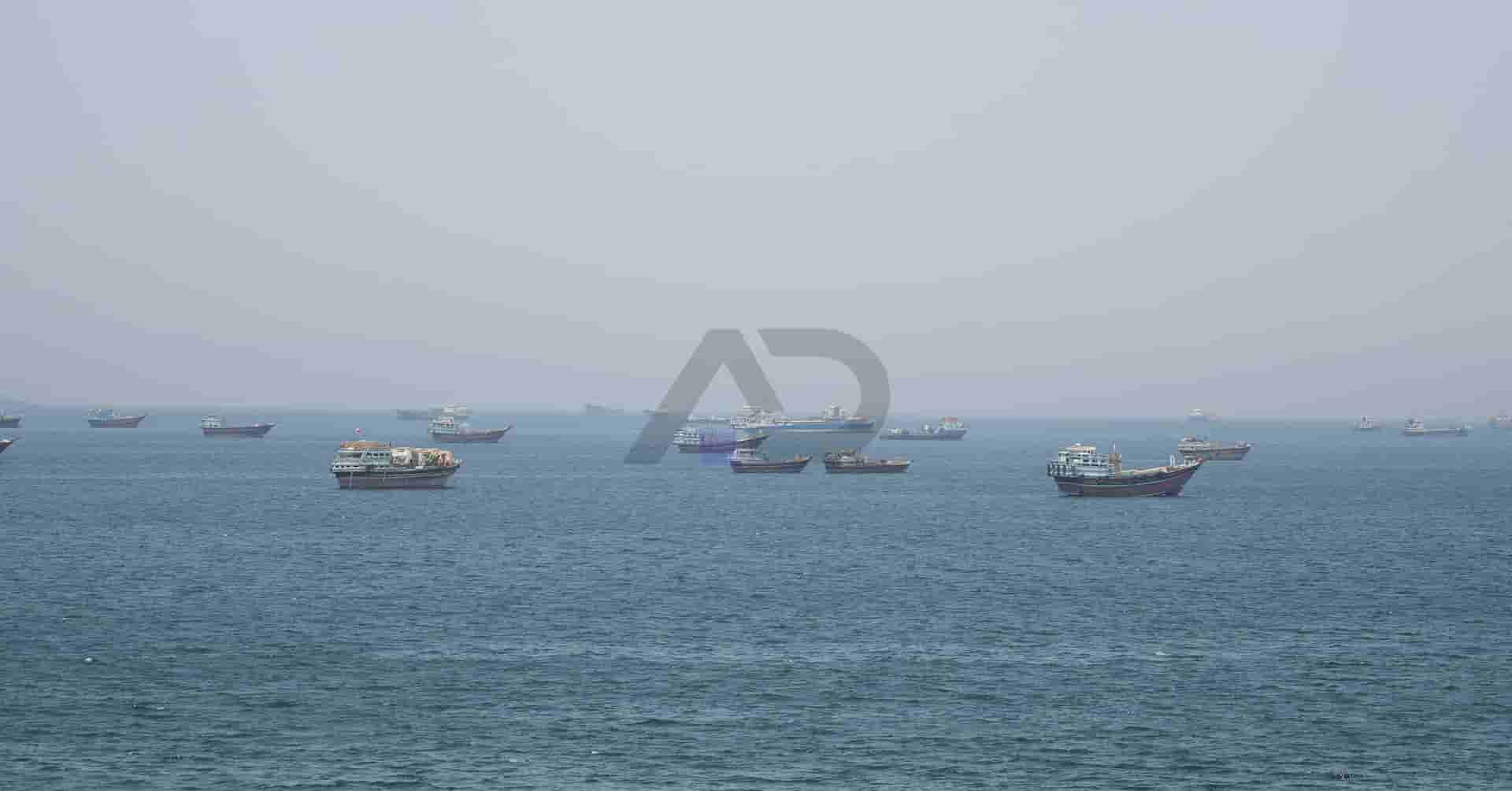
As the disruption in the Strait of Hormuz exceeds 100 days, an unusual picture has emerged in global oil shipping. Crude oil and liquefied natural gas shipments through the strait, considered one of the most critical chokepoints of world trade, have declined sharply.
World Trade Organization data points to a 95 percent drop in crude oil shipments from Gulf ports and a 99 percent decline in LNG-carrying vessels. The International Energy Agency also describes the situation as the largest supply disruption in the history of the global oil market.
Despite this, the Brent crude price has remained at $87.55 per barrel. This level indicates that the expected jump compared to the period before the conflict began has not materialized.
Why haven't prices risen as much as expected?
One of the main factors limiting price increases in the energy market has been stockpiles. China has around 1.3 billion barrels of oil in storage and is drawing down these reserves by approximately 1 million barrels per day.
Analysts report that China's purchases have also declined compared to previous months. It is noted that daily demand in May, June and July stood at around 7 million barrels, while in December it rose to 12.5 million barrels.
It is assessed that the US, Brazil and Canada stepped in to cover part of the shortfall. Experts offering opinions agree that the oil market has responded more strongly to the disruption than previously thought.
FGE NexantECA Middle East Director Iman Nasseri says that a portion of demand in the market has been trimmed and significant volumes of stockpiles have also entered the market. According to Nasseri, these buffers may not continue at the same pace for long; by July, the balance appears likely to shift.
How big is the disruption?
It is difficult to clarify the size of the disruption because shipments known within the industry as "dark trade" create an area that is hard to monitor. Some vessels turn off their AIS transponders, sail close to the Omani coast at night, and occasionally proceed with naval escorts.
Still, it is possible to partially track exit volumes for some crude types. For example, the UAE's Murban crude can be shipped from outside the strait via Fujairah. However, for some crude types like Upper Zakum, no such alternative exists.
One oil market analyst reports that Upper Zakum crude has been seen in other markets, but the scale is unclear. Matt Stanley, meanwhile, says that around 100 million barrels of oil may have passed through the Strait of Hormuz since May 1.
Stanley recalls that before the conflict around 20 million barrels of oil passed through the strait daily, stressing that this volume amounts to just a few days' shipments under normal conditions. In his view, while 100 million barrels is a significant figure, it still represents a limited volume compared to the previous traffic.
What will happen when stockpiles run out?
According to experts, the market's resilience has its limits. It is noted that some stockpiles are approaching operationally critical levels, which is creating a need for new shipments and replenishment.
Stanley says that the US may also have to prioritize its own domestic demand as the year-end approaches, and the supply balance could become even more delicate due to the heating season. For this reason, it is stated that the market hopes the situation in the strait will become clear by mid-August.
According to analysis by S&P Global CERA, restarting fields that have been shut for two months can take between 10 weeks and 7 months. International Energy Agency Executive Director Fatih Birol said that more than 80 energy facilities have been damaged and recovery could take up to two years.
The UAE's national oil company forecasts that full flow through Hormuz may not return to normal until 2027. Stanley also notes that basic infrastructure, from vessel services to inspection processes, may have ground to a halt because business volumes have dropped.
Another risk for the market is a quick and clean resolution scenario. According to Stanley, if oil is supplied from elsewhere and the strait reopens before prices reach $200, the risk could then arise of prices falling to as low as $50.
Experts assess that producers like Iraq, which have suffered prolonged revenue losses, could turn to aggressive exports as soon as the gates open, and supply management will once again take center stage in the second half of the year.