Iranian Foreign Minister Abbas Araghchi said that the draft agreement in talks with the US has reached its final stage and the text could be signed in the coming days. Araghchi also stressed that Iran will not back down on its national interests.
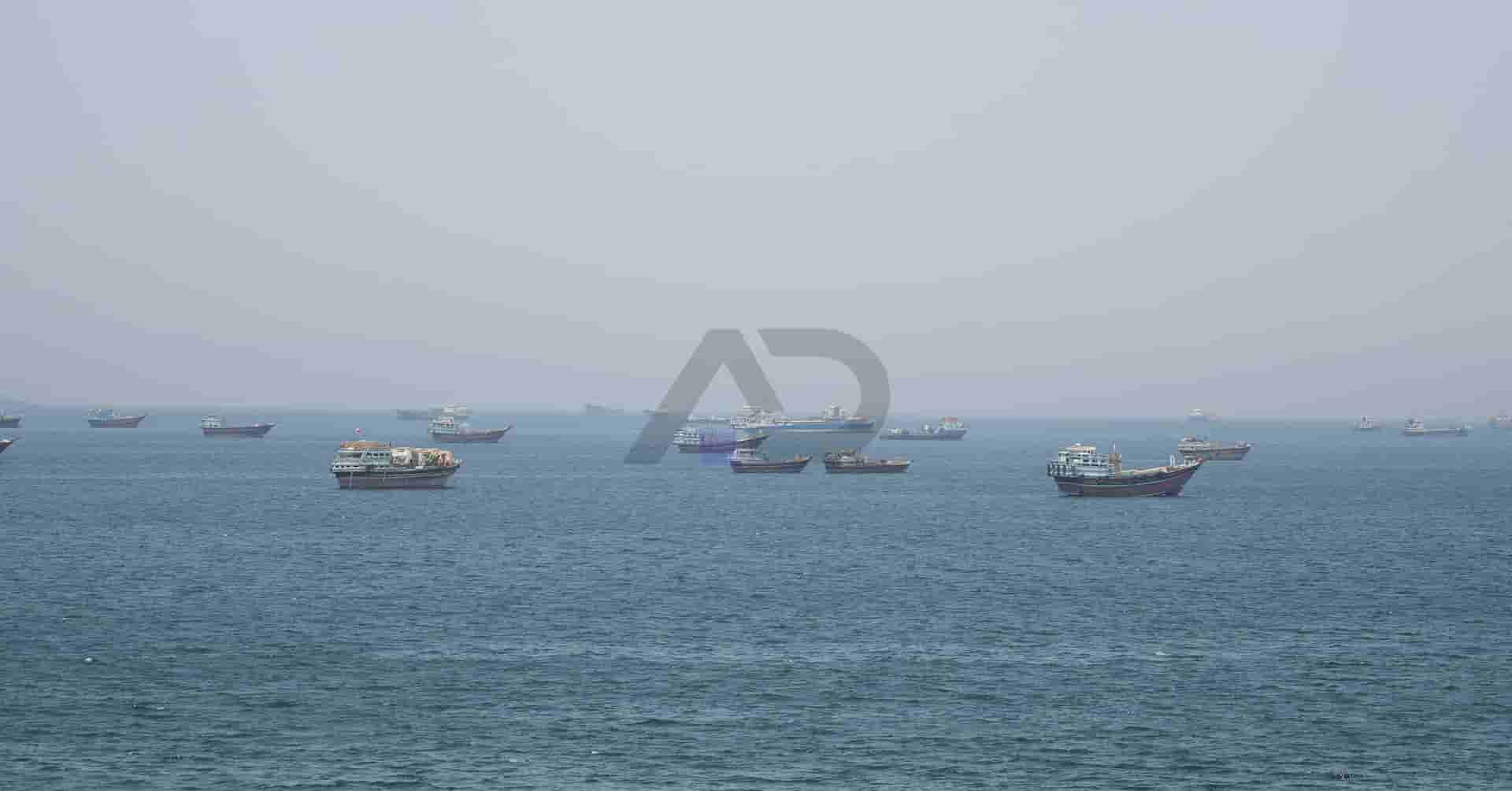
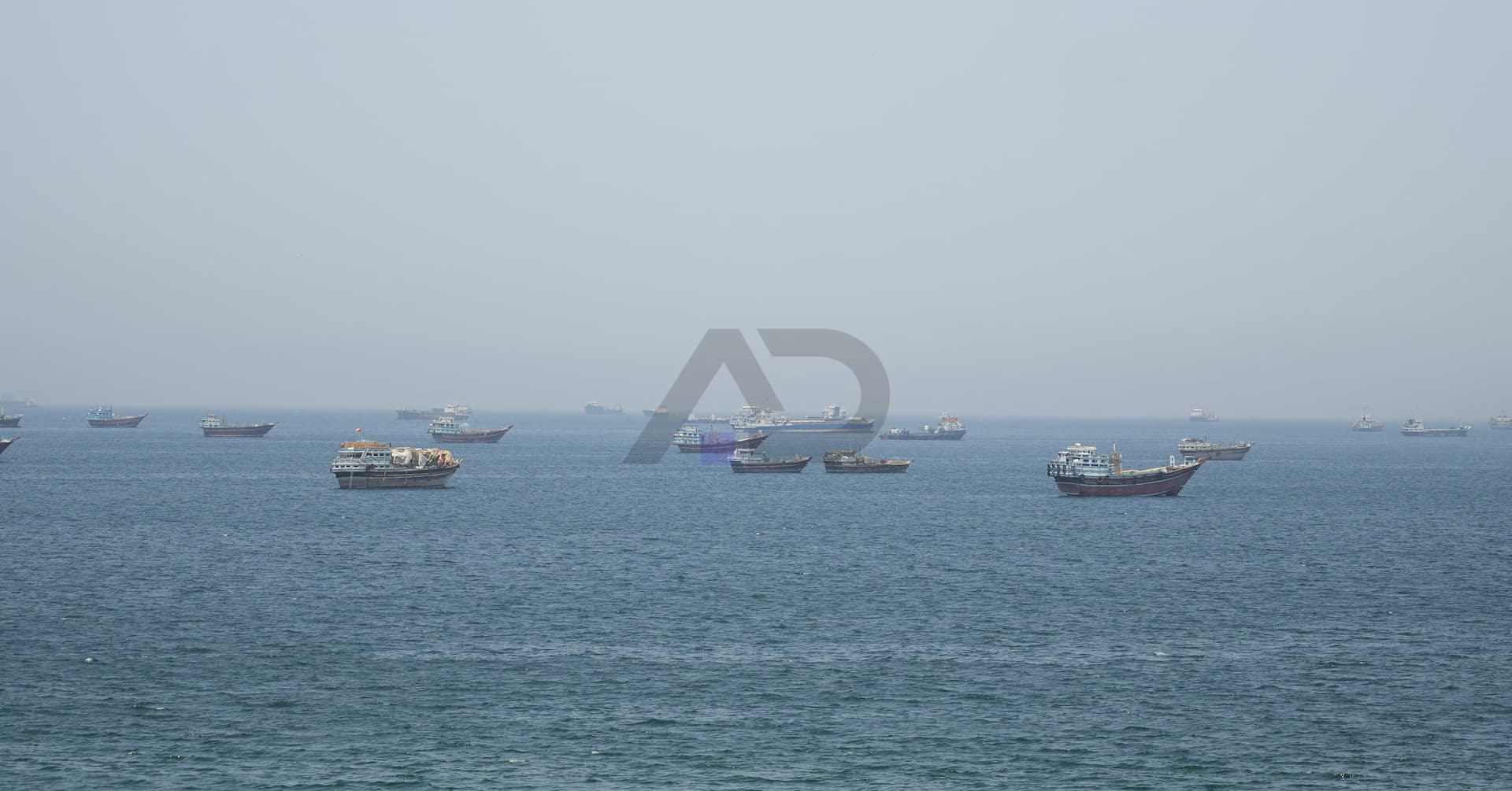
Speaking in a television interview, Araghchi advised against trusting unofficial information about the proposed drafts. According to him, the core of the talks centers on lifting maritime restrictions and reopening the Strait of Hormuz.
New Regulation Proposed for the Strait of Hormuz
Araghchi noted that the Strait of Hormuz is jointly managed by Iran and Oman and said the future arrangement will differ from previous practices. He explained that services previously provided free of charge will now incur fees for ships.
However, he emphasized that this fee will not be a transit toll. He explained that international law does not permit such a toll, but fees related to facilities and services in the strait can be collected.
The Iranian minister also mentioned ongoing contacts with China and Oman on this matter and said a joint statement from Tehran and Muscat is expected.
Frozen Assets and Nuclear Material Issues
Araghchi rejected statements by some US officials regarding Iran’s enriched nuclear materials. He said that if any arrangement is made in the future, the nuclear material must remain inside Iran.
He also stated that Iran’s frozen funds will be released after the agreement is finalized. Reconstruction plans are also on the agenda, with efforts underway to compensate for the damages Iran has suffered.
The second phase of the talks will address sanctions relief, the future of nuclear materials, and the reconstruction fund. According to the Iranian side, the memorandum of understanding is less than two pages long but has been revised multiple times.
Final Decision to Be Made by the Supreme National Security Council
Araghchi said the negotiations are overseen by the Supreme National Security Council, which will also make the final decision. He noted that all demands regarding the agreement’s content have been carefully incorporated into the text.
The Iranian minister explained that the process is proceeding in two phases; nuclear issues are deferred to the second phase, while sanctions relief, reconstruction steps, and frozen assets are addressed in the initial agreement.
Araghchi added that if the process is successfully completed, the agreement could be signed digitally and remotely, followed by an official announcement. He also called on the media to allow the talks to proceed calmly.
Galibaf Emphasizes Fulfillment of Commitments
Separately, Iranian Parliament Speaker Mohammad Bagher Ghalibaf stated that any potential agreement must be based on the full implementation of commitments made. Ghalibaf wrote that promises must be upheld and executed without excuses.
He said there is no alternative and that parties will ultimately face the consequences of their actions. This message came just hours after Araghchi said the agreement is nearing its final stage.