- BIST10011,619-0.87%
- USD49.45+0.05%
- EUR55.62+0.37%
- GOLD4,192.60+0.28%
- INTEREST37.00%-1.00
- BITCOIN82,124+0.14%
- October 19, 20265°
- BIST10011,619-0.87%
- USD49.45+0.05%
- EUR55.62+0.37%
- GOLD4,192.60+0.28%
- INTEREST37.00%-1.00
- BITCOIN82,124+0.14%
- October 19, 20265°
California gas station nears $10 a gallon as state prices stay above $6
A remote station in Big Sur is charging close to $10 a gallon, a symbol of California’s fuel pain as the statewide average hovers above $6, nearly $2 higher than the national average, amid oil prices near $100 a barrel.
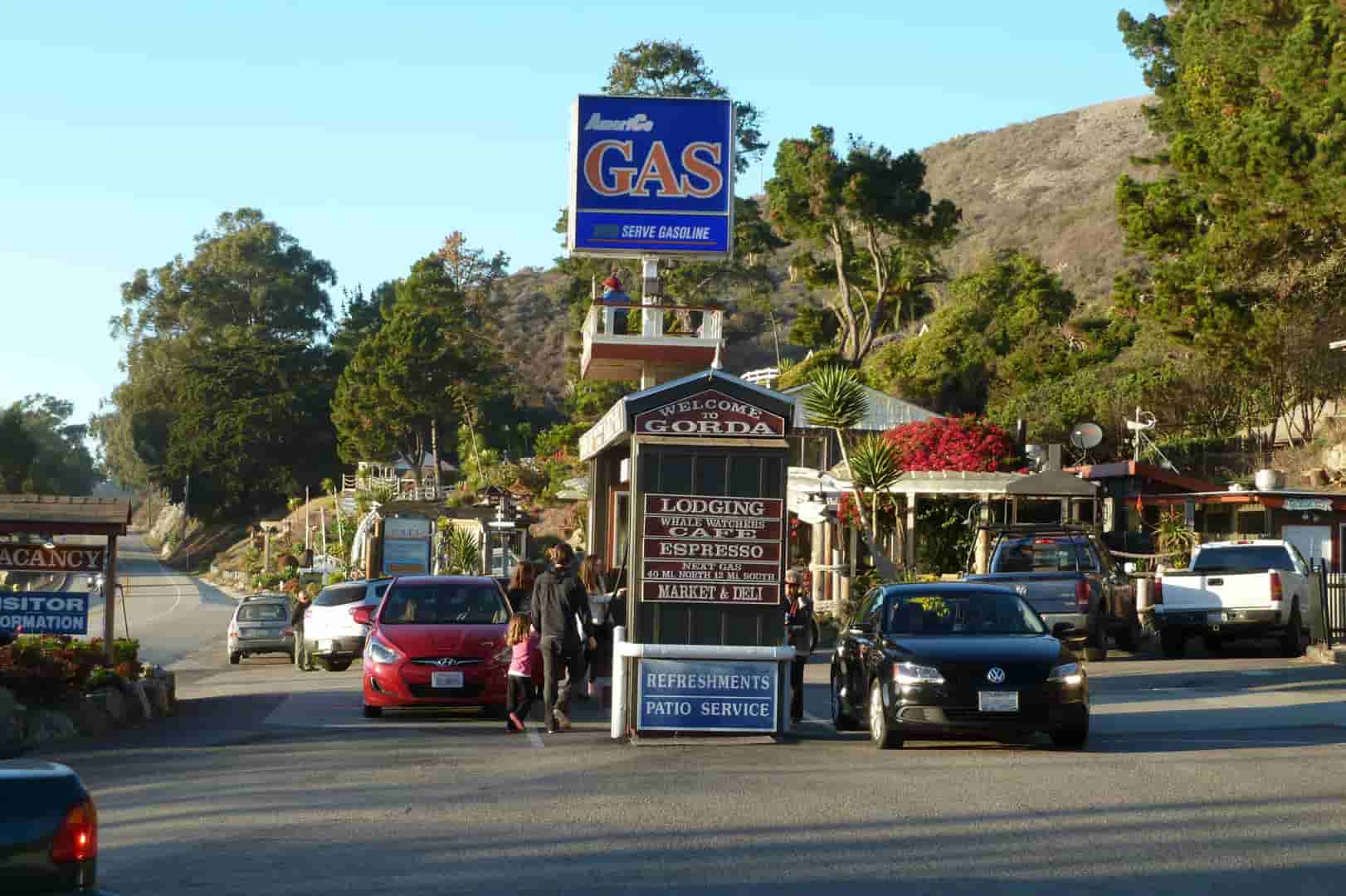
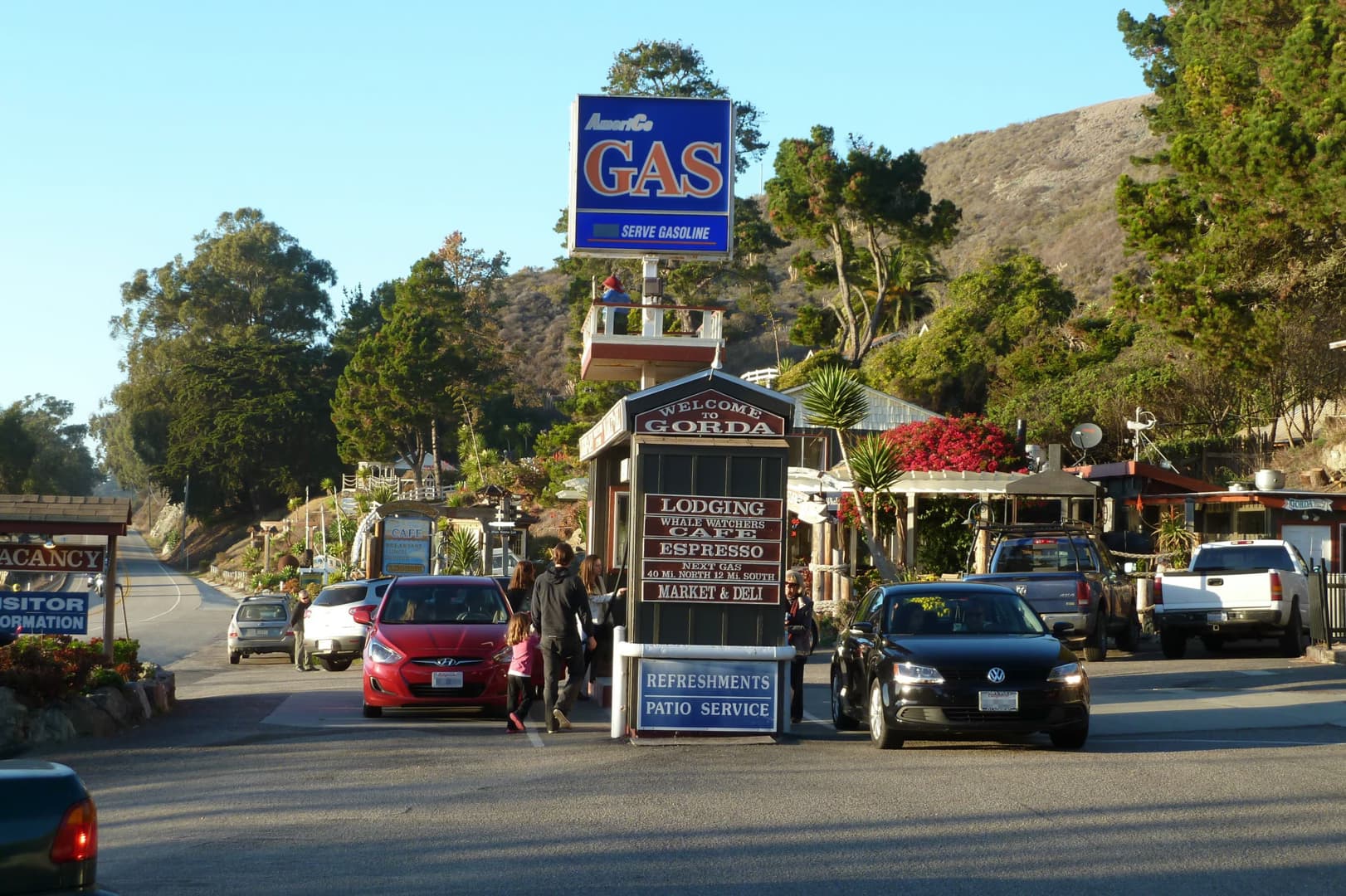
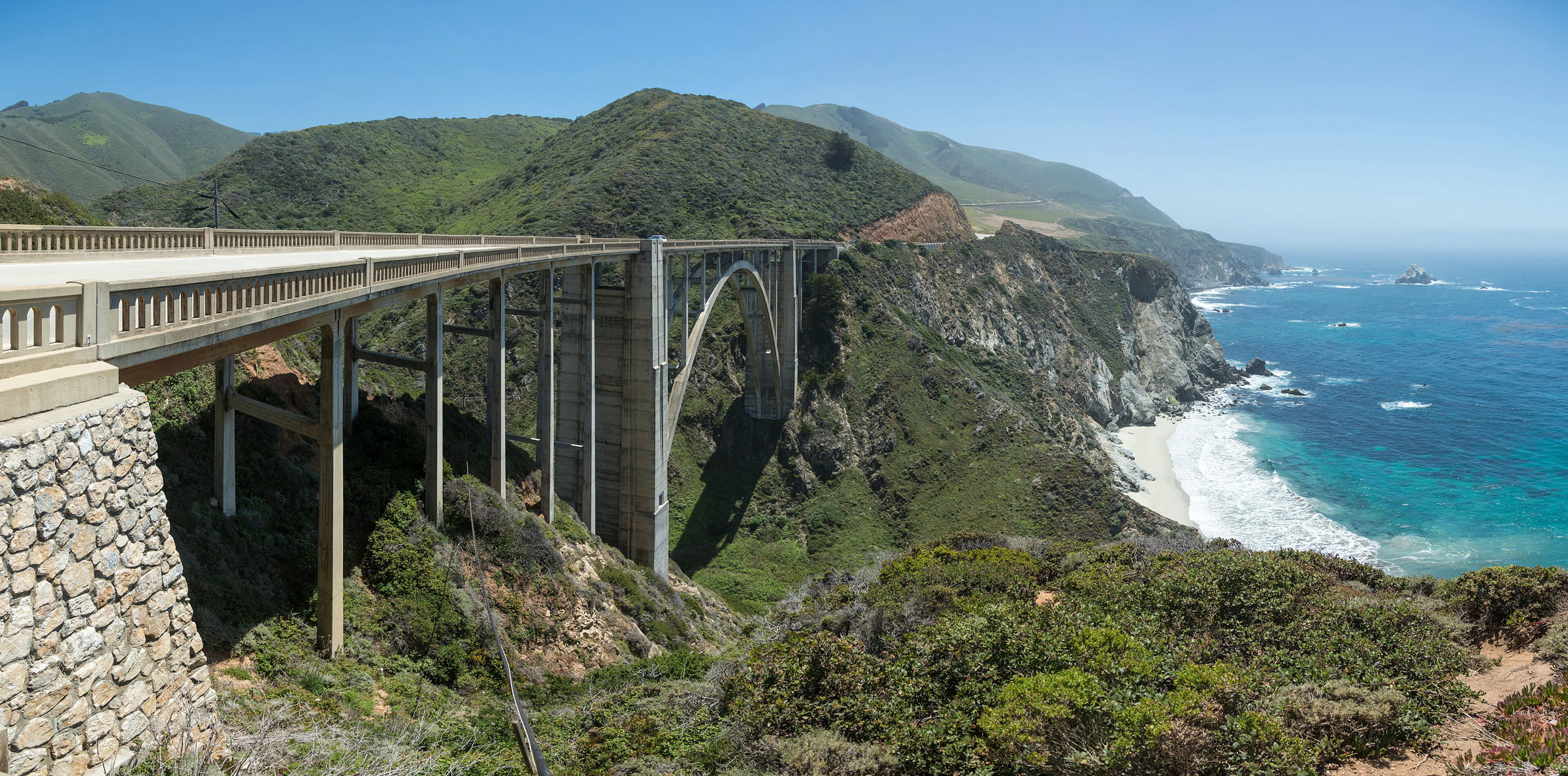
On a remote stretch of California’s Highway 1, drivers are paying close to $10 for a gallon of gas. The station at Gorda, on the Big Sur coast, has become a symbol of the state’s fuel costs and was revisited by The New York Times on Oct. 17.
Owner Leo Flores has said the price is capped only by his equipment. “The software only goes to $10,” he told reporters this year, when regular sold for about $9.40, mid-grade for about $9.70 and premium for $9.99.
Why so expensive?
Flores says the station runs entirely on generators because it is off the power grid, and fuel has to be trucked in from Fresno, more than 100 miles away. Most customers buy only a few gallons, just enough to reach the next, cheaper station.
“They probably could charge $20 and if you have to get gas, you have to get gas,” one driver, Debbie Carignan, told ABC earlier this year.
Statewide prices near a record
Elsewhere in California, prices are lower but still the highest in the nation. AAA put the statewide average for regular at $6.23 on Oct. 16, down 11 cents for a second straight weekly decline but $1.58 higher than a year ago. San Francisco was at $6.34, while Stockton and Modesto were at $6.09.
Earlier this month, the state average reached $6.39, the highest of 2026 and less than 5 cents below California’s all-time record of about $6.44 set in June 2022. Diesel hit a record $8.44 a gallon in late September. The national average stood at $4.33.
“The national average has stayed above $4 per gallon since late July,” said Doug Johnson of AAA, adding that “volatility in the oil market has led to seasonal record highs this year.” AAA called September the most expensive September on record for U.S. gas prices.
Oil, war and state rules
Gov. Gavin Newsom has blamed the high prices on rising global oil costs tied to the conflict with Iran. Crude oil is trading near $100 a barrel, with West Texas Intermediate settling at $95.09, and refineries in the region still cannot fully move products through the Strait of Hormuz.
On Sept. 28, Newsom used emergency powers under Senate Bill 237 to let cheaper winter-blend gasoline be sold immediately instead of waiting for Nov. 1, a fuel that costs refiners about 15 cents a gallon less to make. He also ordered the California Energy Commission to publish regular spot-market price reports.
California has no inbound interstate pipelines for refined fuel and depends on tankers that take 10 to 34 days to arrive. Its gasoline excise tax rose to 63.4 cents a gallon on July 1, the highest state gas tax in the country.
Stay Updated with Ally Daily
Subscribe to be informed about special news, developments and announcements. We will keep you informed.
By signing up, you agree to our Privacy Policy