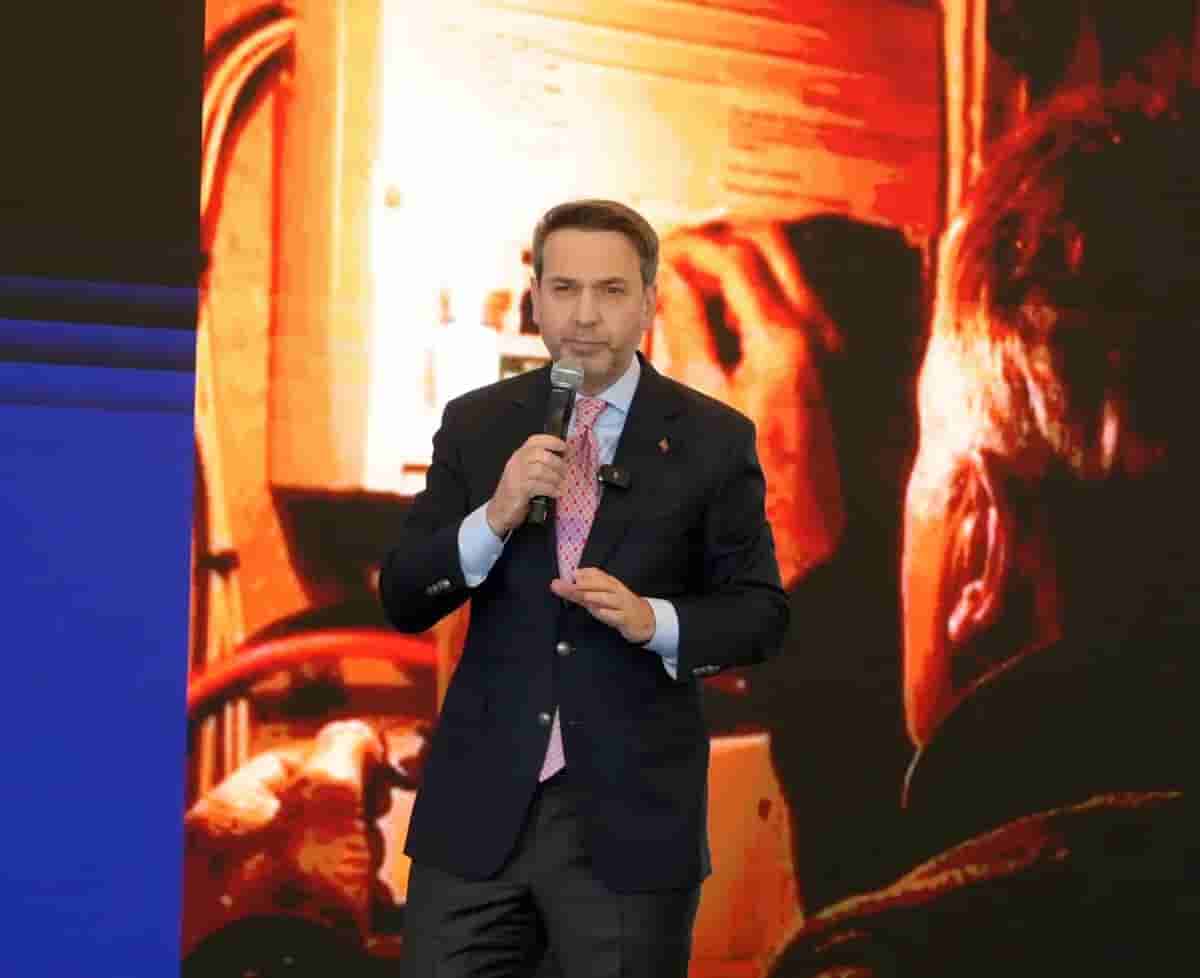
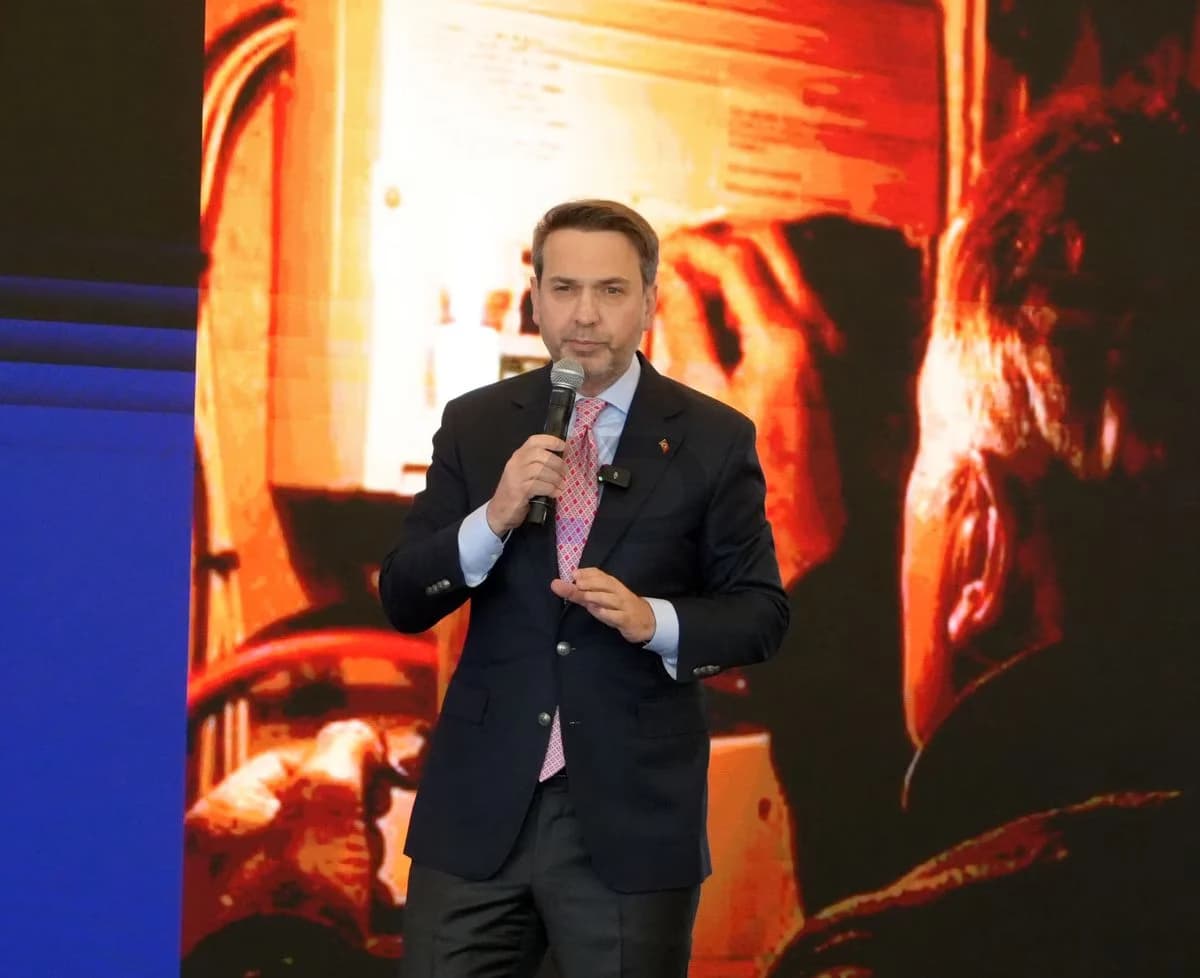
The Baku Initiative Group (BIG) organized a conference titled "Right to Self-Determination and Right of Return: Double Standards and Selective Approaches" at the Kennedy Hall in the Russell Senate Office Building, which houses the US Congress.
The event brought together academics, lawyers, political experts and civil society representatives, addressing topics such as the role of the right to self-determination in decolonization processes, its relationship with state sovereignty, and the right of return under international law.
Forced migration in four distinct periods
Speaking at the opening of the event, Baku Initiative Group Executive Director Abbas Abbasov said that the forced migration experienced by Western Azerbaijanis should be assessed under international law. Abbasov noted that Western Azerbaijanis were removed from their ancestral lands during four different periods throughout the 20th century, stating:
It is of great importance to recognize that Western Azerbaijanis were forcibly exiled from their own lands in 1905, 1918, 1948, and finally between 1987 and 1991.
Recalling that hundreds of people lost their lives and many others were subjected to severe torture during these processes, Abbasov noted that approximately 300,000 Azerbaijanis were forcibly displaced by Armenia.
"Not a territorial claim, but a basic human right"
Abbasov emphasized that the Western Azerbaijanis' demand for return does not constitute any territorial claim against Armenia or a challenge to the country's sovereignty. He stated that the right of return is a fundamental right recognized by the Universal Declaration of Human Rights, the 1951 Convention Relating to the Status of Refugees, and other norms of international law.
Underlining that the international community must be consistent in its approach to cases of ethnic cleansing and forced migration, Abbasov argued that while some crises receive widespread attention on the international agenda, other similar incidents do not draw enough notice. "Today, the international community should approach cases of ethnic cleansing fairly, not due to special support, but as a requirement of international law norms and principles," Abbasov assessed.
Call for universal standards
Other speakers at the conference also noted that the right to self-determination and the right of return are among the fundamental principles of the international legal system. It was expressed that universal and equal standards, independent of political approaches, should be adopted in the implementation of these rights.
The event also emphasized that ensuring the safe, voluntary and dignified return of forcibly displaced communities is a shared responsibility of the international community. A call was made for international organizations and states to develop more consistent policies on this issue.