- BIST10011,722-2.89%
- USD49.45+0.05%
- EUR55.62+0.37%
- GOLD4,181.10+0.26%
- INTEREST37.00%-1.00
- BITCOIN81,523+0.03%
- October 17, 202610°
- BIST10011,722-2.89%
- USD49.45+0.05%
- EUR55.62+0.37%
- GOLD4,181.10+0.26%
- INTEREST37.00%-1.00
- BITCOIN81,523+0.03%
- October 17, 202610°
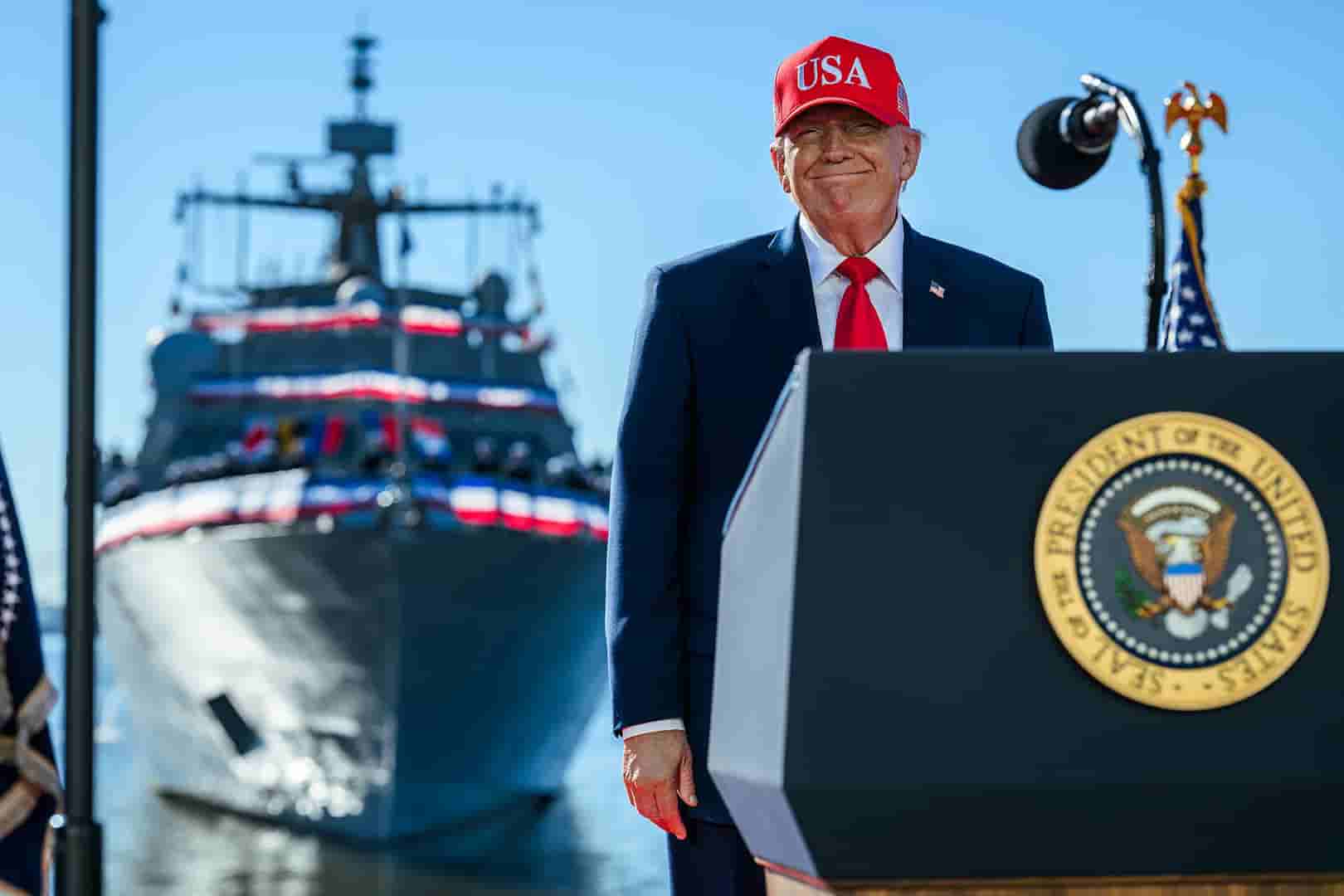
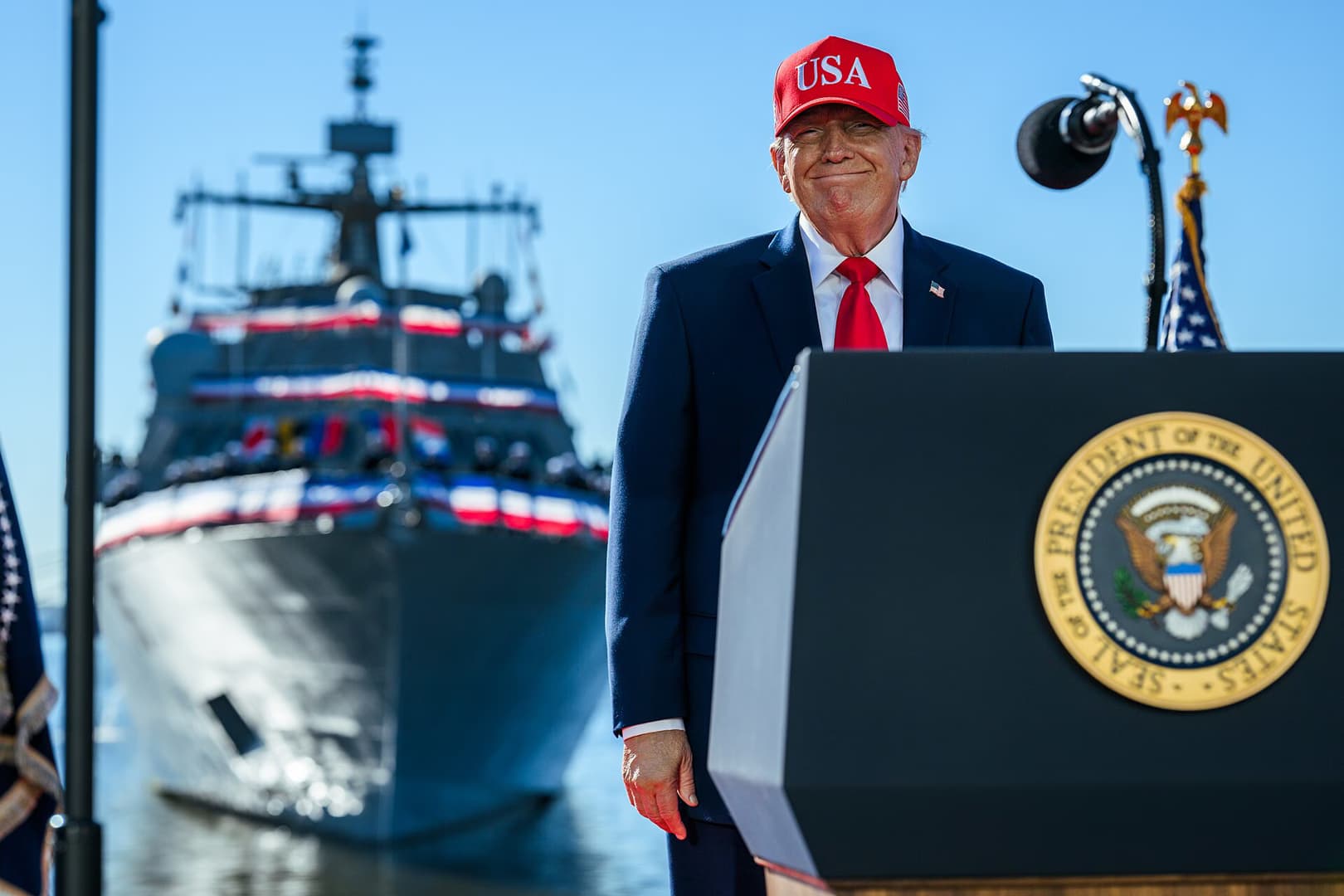
Trump suspends Russia sanctions and tariffs under Graham Act, citing national interest
President Donald Trump signed an order late Friday waiving the sanctions and tariffs required by the Lindsey O. Graham Sanctioning Russia and Iran Act, certifying to Congress that the move serves U.S. national interests. The waiver follows a diesel deal with Putin and spares major buyers of Russian energy, including Türkiye, from potential U.S. tariffs.
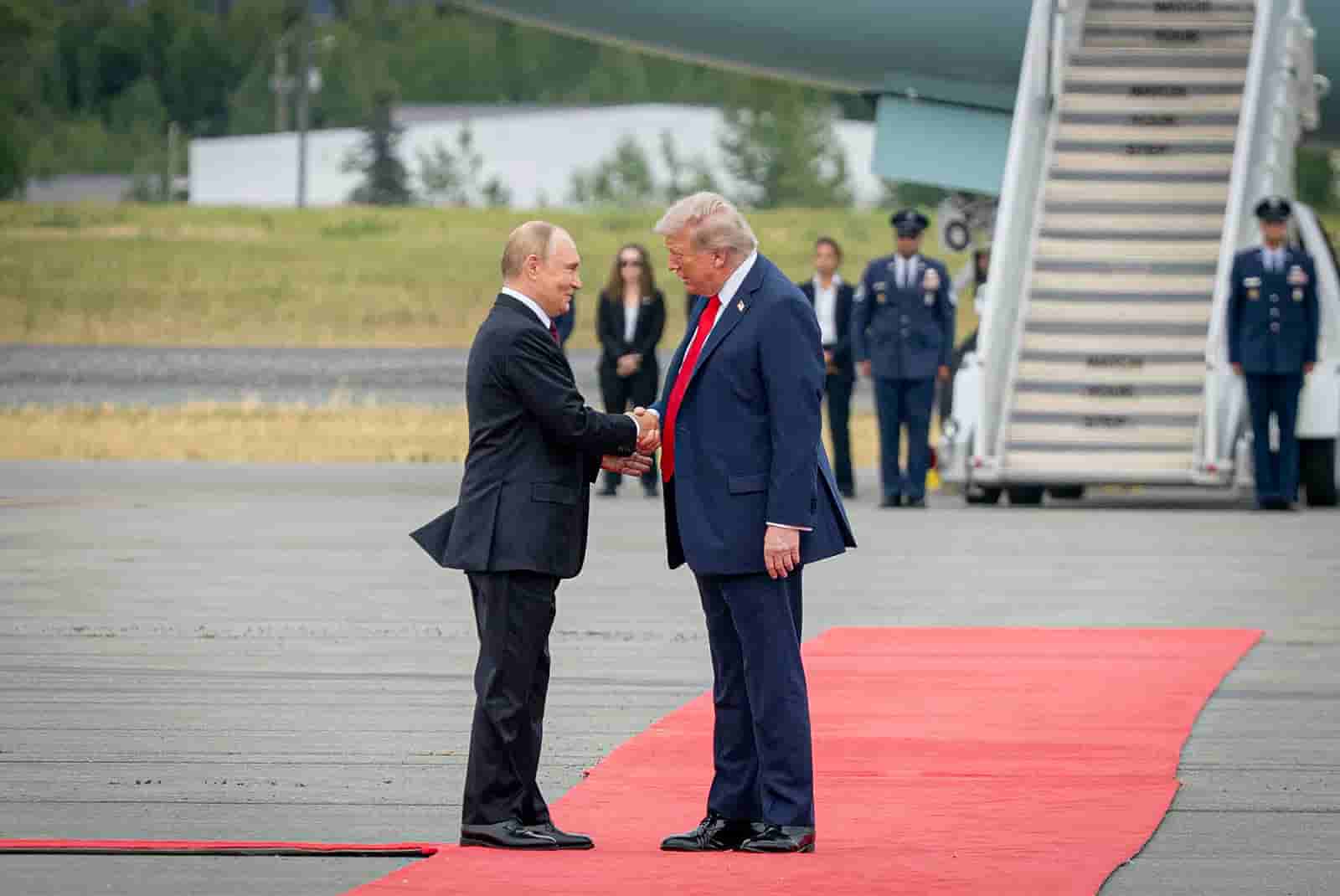

President Donald Trump signed an executive order late Friday, Oct. 16, waiving the sanctions and tariffs mandated by the Lindsey O. Graham Sanctioning Russia and Iran Act, which he signed into law on Sept. 18. Trump certified to Congress that the waiver serves U.S. national interests and sent lawmakers a report explaining the decision.
What the law required
The law, named after the late Republican Sen. Lindsey Graham, required 100% tariffs on goods from the five largest buyers of Russian crude oil, sanctions on numerous Russian entities and 500% tariffs on U.S. imports of Russian energy products. The administration faced an Oct. 18 deadline to put the measures into effect.
The order formally imposes the tariffs but suspends their enforcement, preserving the option to activate them later. Sanctions imposed on Russia under earlier executive orders remain in place.
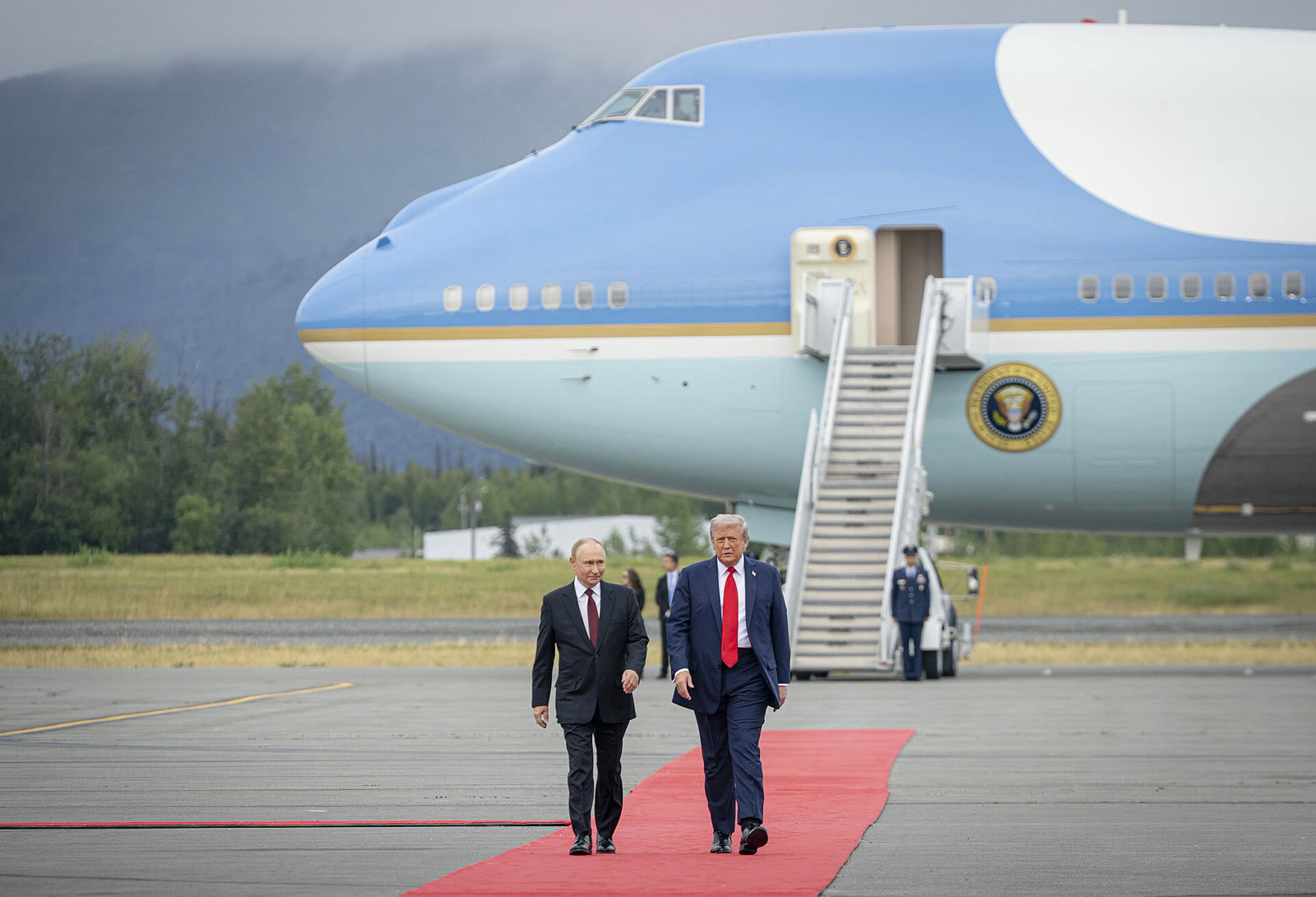
Diesel deal with Putin
The waiver follows an agreement with Russian President Vladimir Putin, announced Oct. 9, that allows Russian diesel to be exported to the United States and other markets. The Treasury Department’s Office of Foreign Assets Control then issued General License 135, authorizing transactions involving Russian-origin diesel until April 2027.
Diesel prices have climbed nearly 70% since the war with Iran began, and the administration is under pressure to bring them down ahead of the Nov. 3 midterm elections. Treasury Secretary Scott Bessent has argued that easing some sanctions was necessary to get relief from surging diesel prices.
Türkiye among the buyers spared
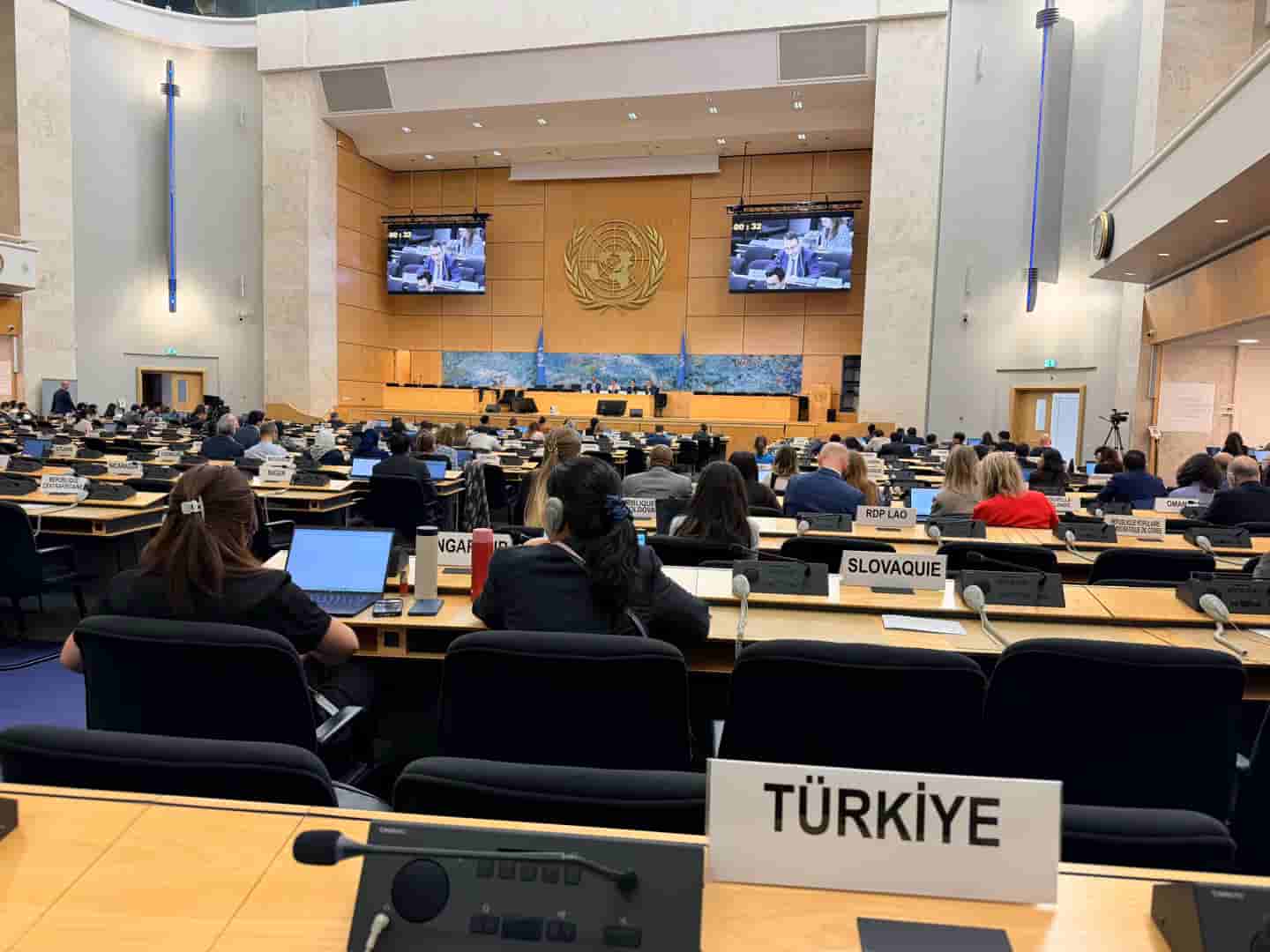
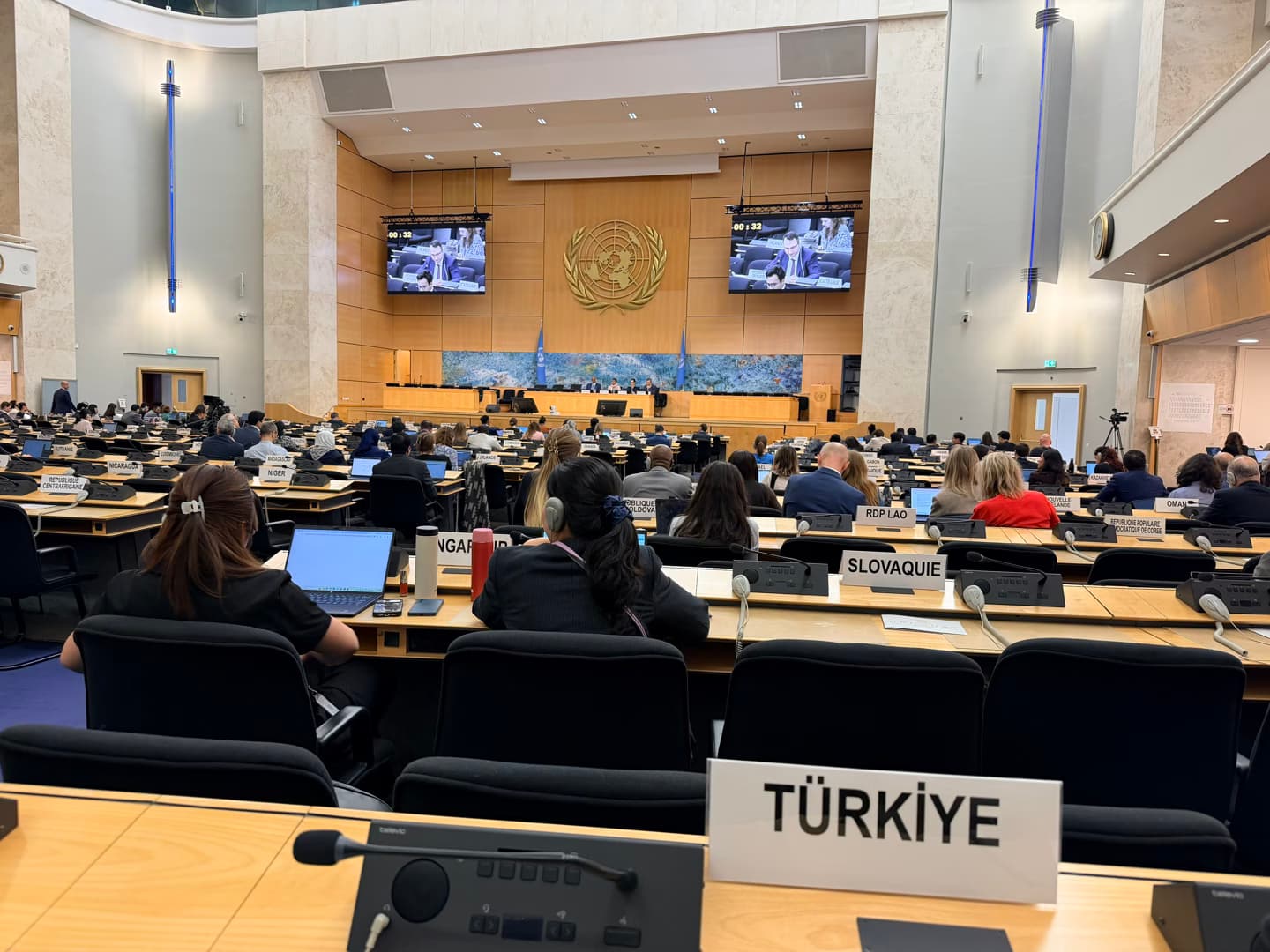
The waiver also averts potential trade disputes with major customers of Russian energy, including China, India and Türkiye, which could have faced steep U.S. tariffs under the law.
Backlash in Congress
Democratic Sen. Richard Blumenthal, who wrote the original sanctions bill with Graham, called the waiver a “craven, cowardly action” and accused Trump of “sucking up to Vladimir Putin.” Republican Rep. Don Bacon said the decision amounted to prolonging the war in Ukraine.
Earlier this week, a bipartisan group of 12 senators led by Blumenthal sent Trump a letter urging him to rescind the diesel license and enforce the Graham law.
Stay Updated with Ally Daily
Subscribe to be informed about special news, developments and announcements. We will keep you informed.
By signing up, you agree to our Privacy Policy