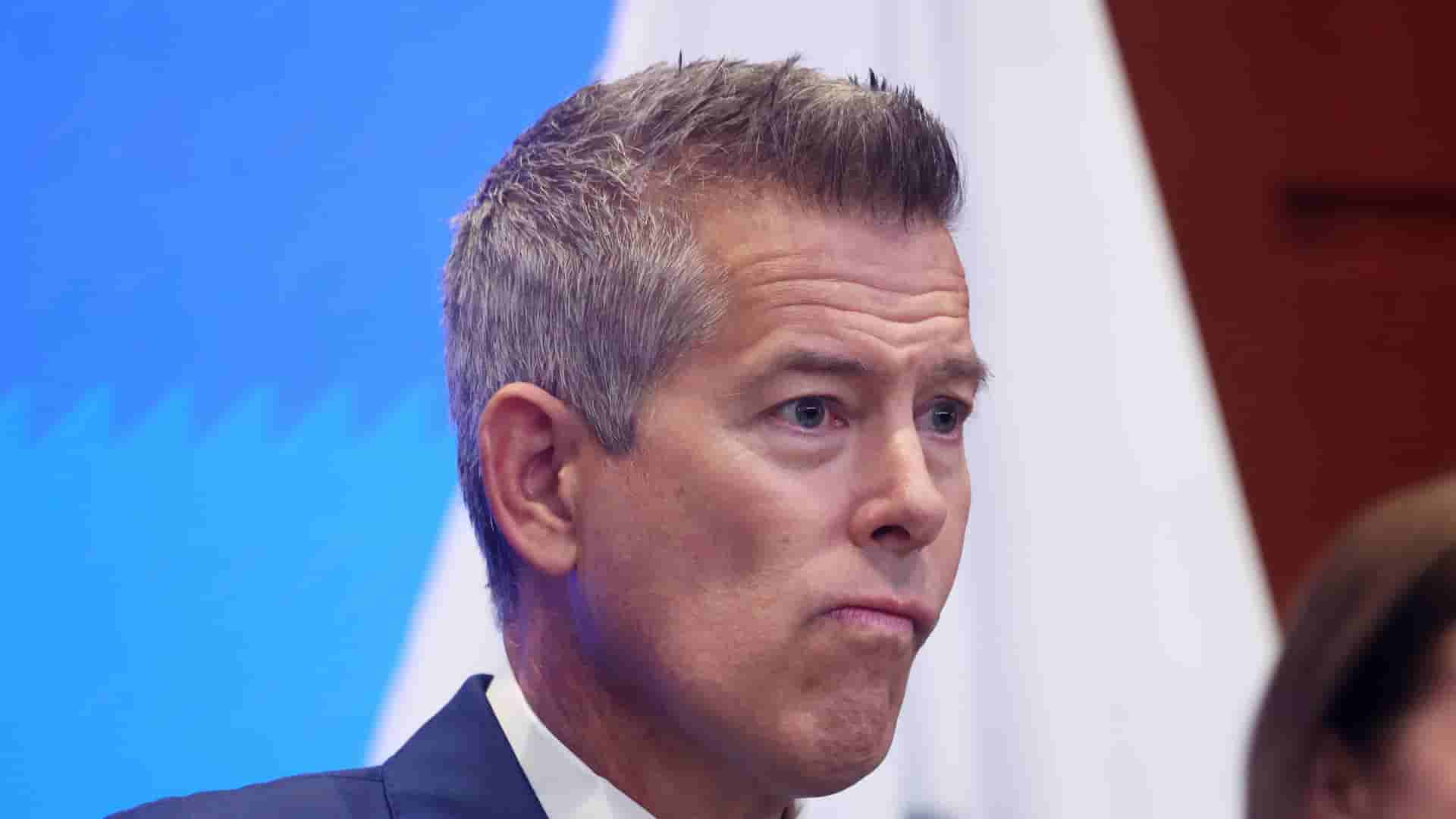
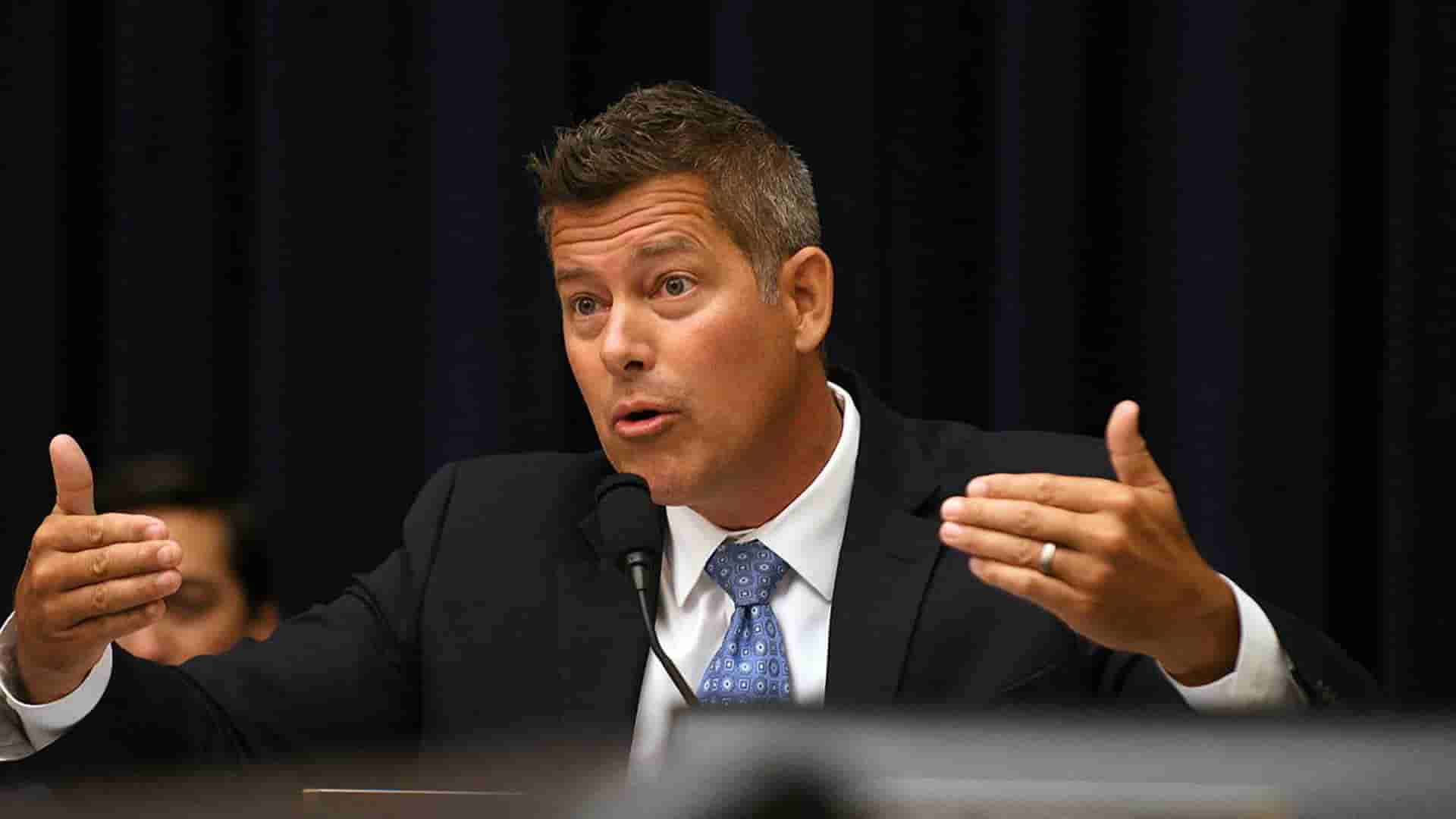
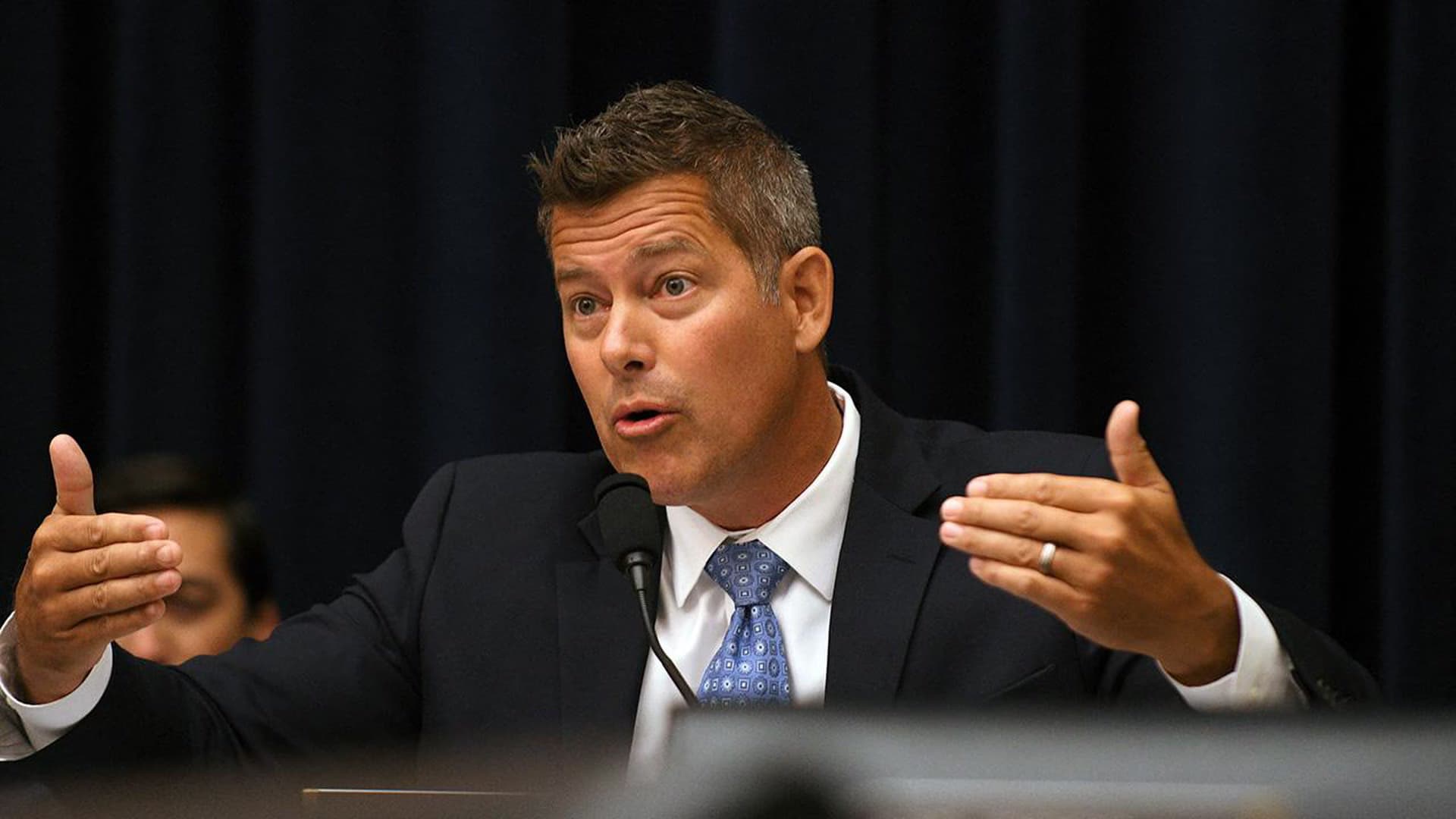
Transportation Secretary Sean Duffy said Saturday that work by an FAA contractor, not a cyberattack, set off Friday's nationwide ground stop, as airlines canceled thousands more flights while the system recovered. "We are back at full operations," Duffy told reporters at the Department of Transportation in Washington, according to CBS News.
The briefing itself got off to a rocky start. Moments after Duffy stepped up to the podium, the room's microphone system malfunctioned, an awkward moment for an official explaining a communications breakdown.
The clip above shows Duffy at the department's podium as the sound cuts out at the start of his opening remarks. The briefing went ahead after the glitch, with FAA Administrator Bryan Bedford also taking questions.
A router swap that flooded the network
Duffy said a preliminary investigation found that a contractor for L3Harris was working at a remote FAA site, converting old copper wiring to fiber and replacing a router. The router being switched then began flooding other routers and overloading the system. "We had over 1,000 connection attempts every four to five seconds, and what that did was give us issues with our communication with airplanes, and it also caused some disruption with our radar," he said, according to Reuters.
"We're working to determine whether we had incompetence, meaning whether it was user error or installer error from L3Harris, or whether they installed a faulty router," Duffy said. "We haven't determined what the fault was." L3Harris, which runs the network, did not respond to Reuters' request for comment.
In this clip, Duffy takes on the question many travelers asked on Friday night: "Was this a cyberattack? Did some foreign nation attack this network? The answer to that: We don't believe so." Bedford said there was zero evidence of anything nefarious or anything AI-related, CBS News reported, and Duffy said an AI scheduling tool was not to blame either.
Thousands more cancellations on Saturday
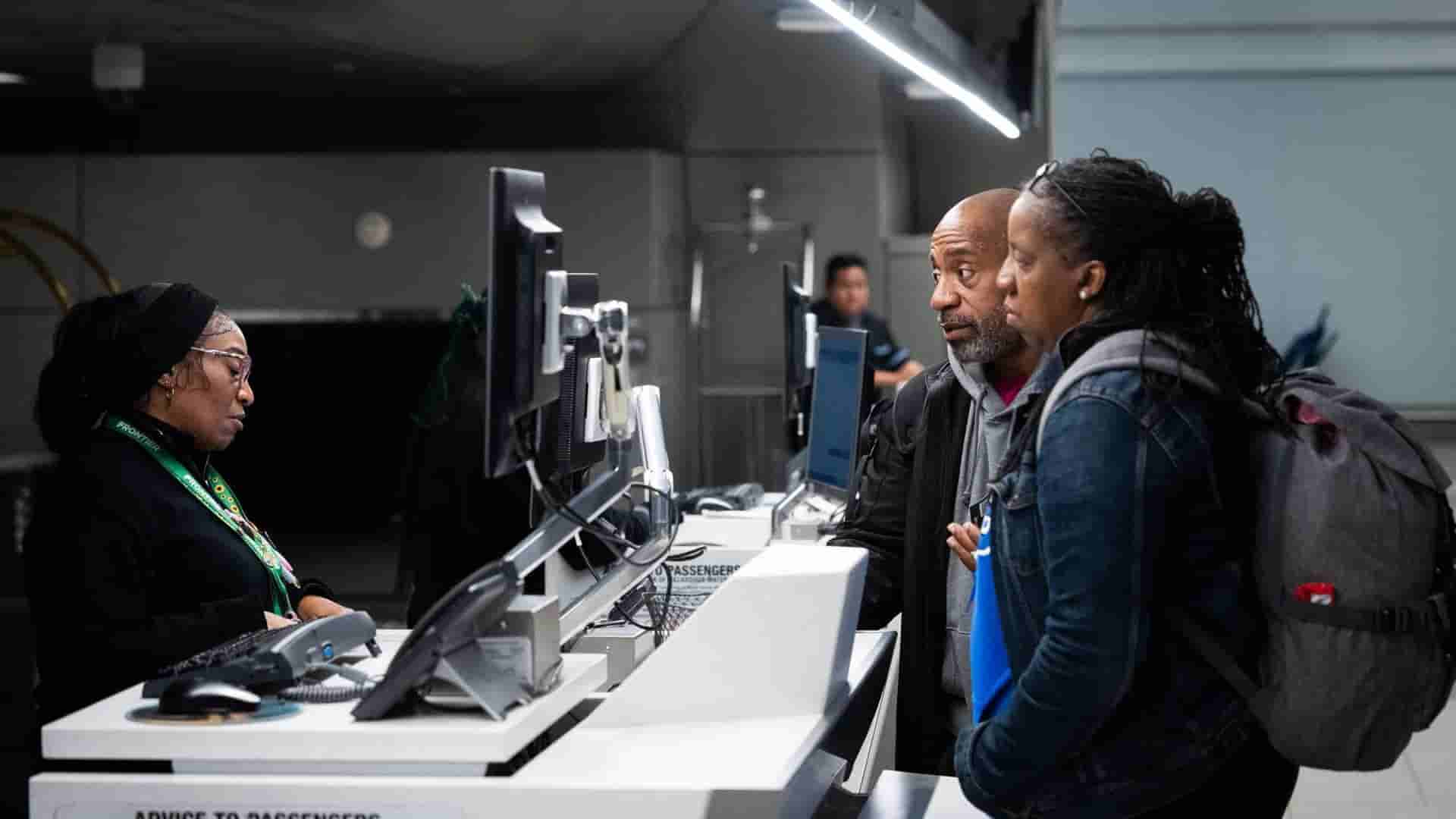
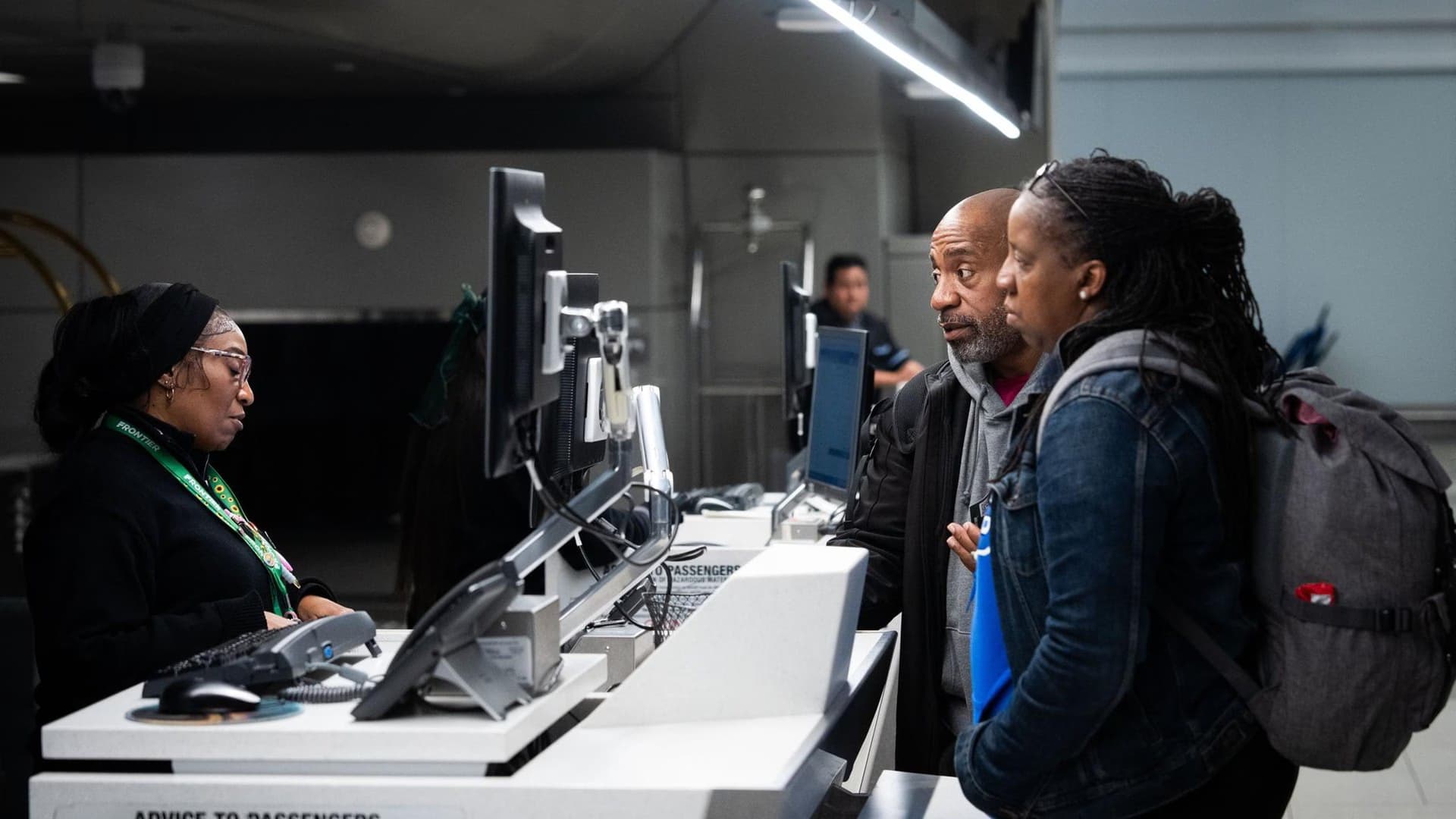
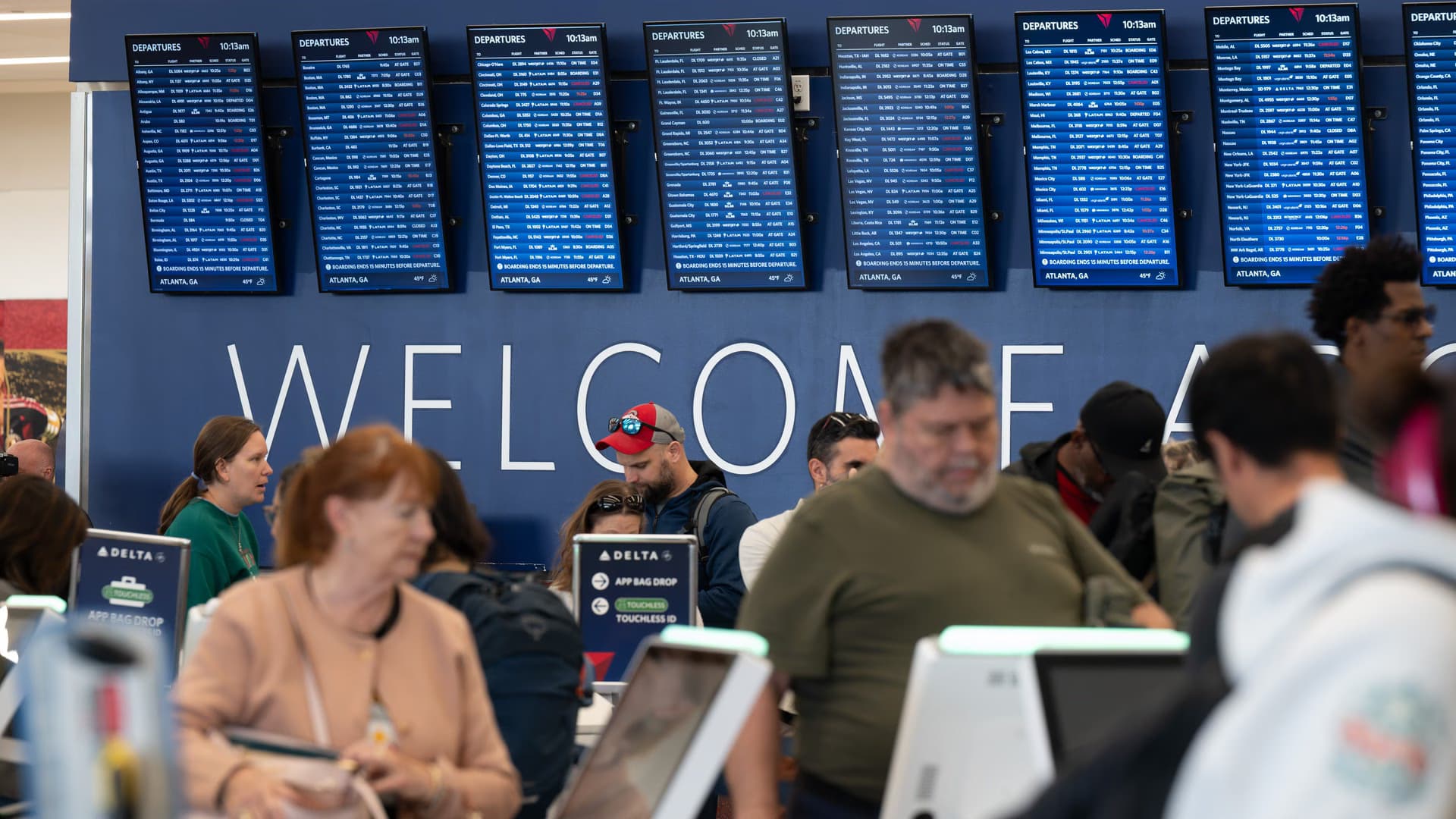
Bedford said the router flooded the system for about 45 minutes while the FAA was unable to identify the cause, and the instability then spread to 17 facilities. Of the 50,000 flights scheduled on Friday, about 12,000 could not be completed, around 3,000 of them private flights. He expected up to 5,000 cancellations on Saturday and said airlines should be fully back on schedule by the end of Sunday.
On Saturday, airlines had canceled more than 4,000 U.S. flights and delayed about 3,000 more, Reuters reported. Delta, United and American each canceled about 20% of their flights, while JetBlue canceled 40%.
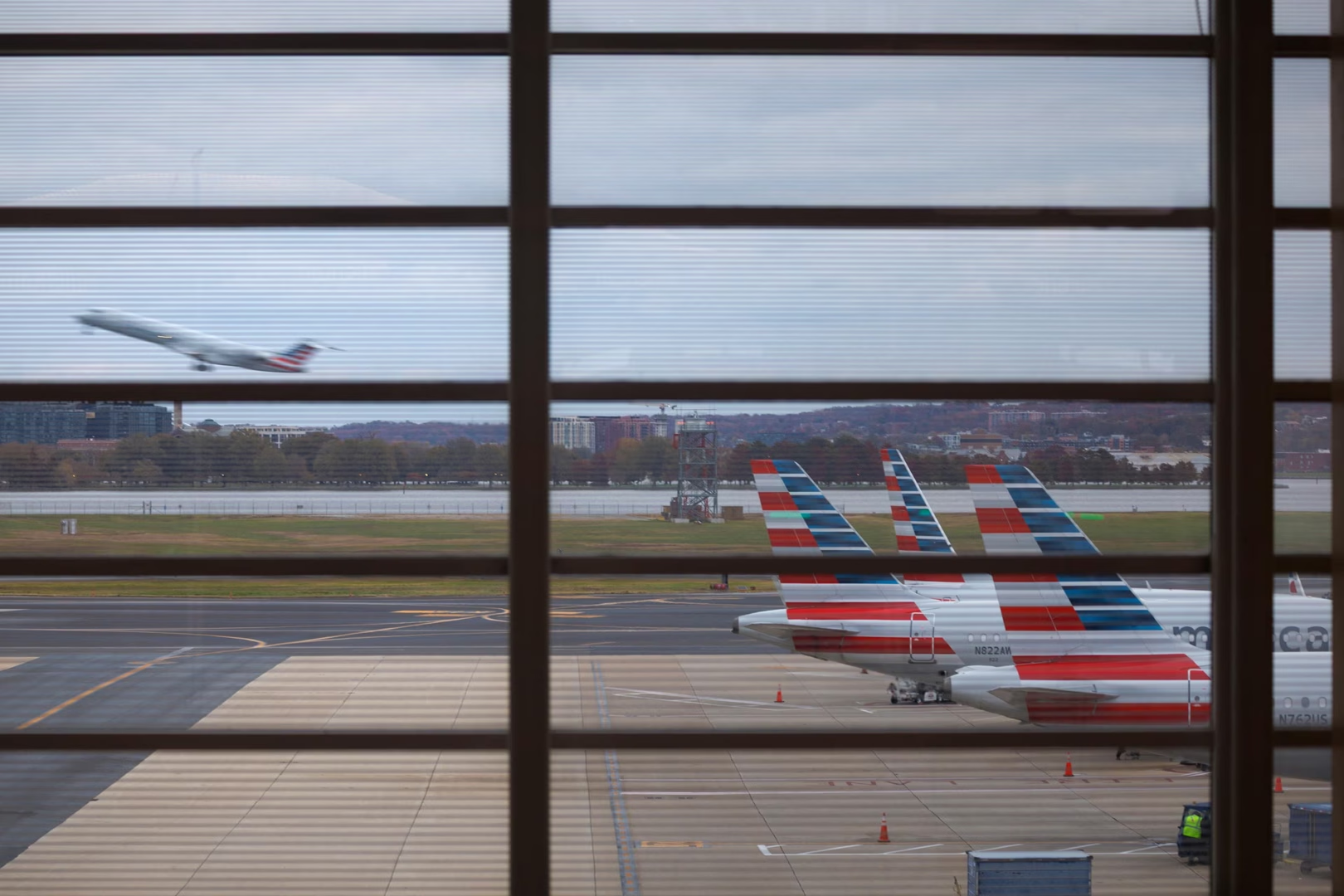
Delta offered customers flexible rebooking and warned of more delays as it repositioned crews and aircraft. American said "the lingering effects of this major disruption" would continue through Saturday. Duffy urged travelers to check with their airline before heading to the airport.
'Didn't meet the moment'
Duffy was blunt about where the failure lay, while insisting that passengers had never been at risk.
"An FAA system didn't meet the moment. Our contractor didn't meet the moment, or the equipment didn't meet the moment," Duffy says in this clip. He added that many contractors "take our money and provide really poor service," according to CBS News. He also said: "We have the safest airspace in the world. No one competes with us on safety."
The outage has turned into a political fight. Duffy has asked Congress for up to $50 billion to replace the aging air traffic control system, and New York Gov. Kathy Hochul, a Democrat, called on him to resign or be removed and demanded a full investigation, ABC7 New York reported.
Videos: U.S. Department of Transportation briefing, via social media. Photos: AP via CBS News