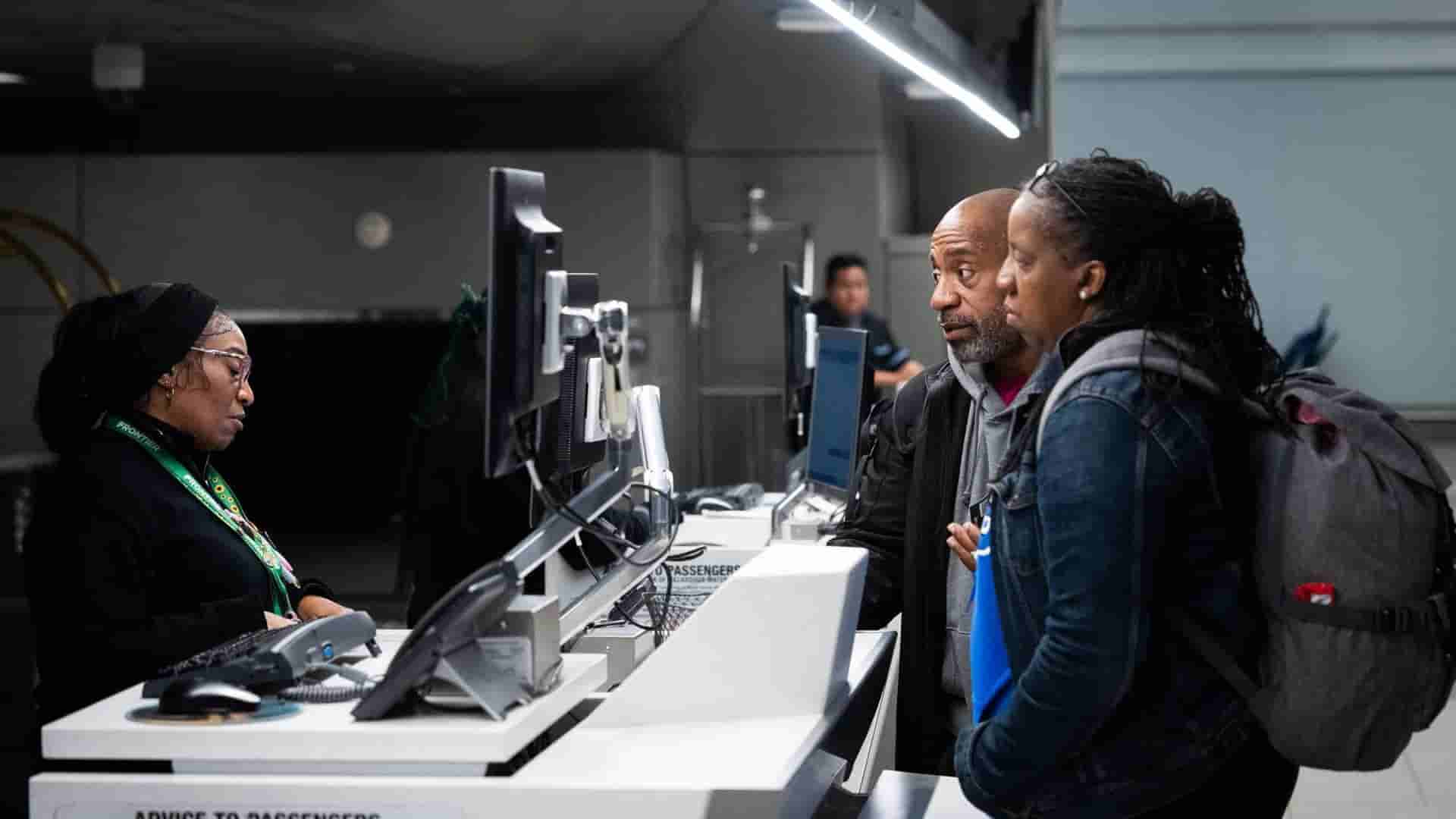
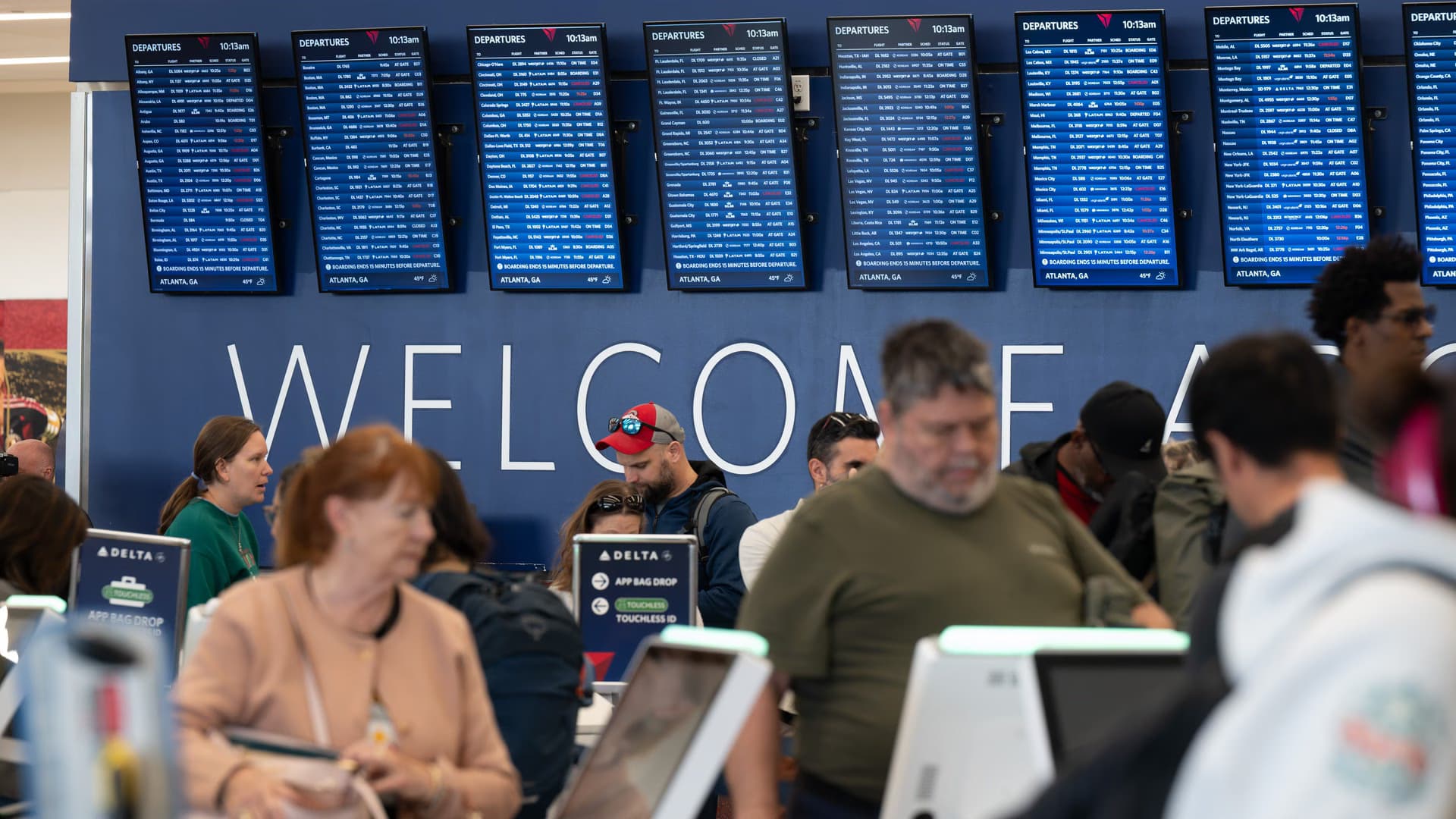
The Federal Aviation Administration lifted a nationwide ground stop Friday night after a communications breakdown at the country's air traffic control centers halted every departing flight in the United States for more than four hours. By the time the stop was lifted, more than 6,300 flights within, into or out of the U.S. had been canceled and about 9,500 delayed, according to FlightAware data cited by Wired; The Guardian put the total number of delayed or canceled flights at more than 11,000.
Transportation Secretary Sean Duffy said the airspace reopened at 8:15 p.m. Eastern time but warned that it would take time to "unwind" the afternoon's disruption. The FAA had ordered the stop at 3:54 p.m. "due to extraordinary circumstances and for reasons of safety."
'Our routers actually got overloaded'
At a White House briefing, Duffy blamed what he called an "incredibly old air traffic control system." He said the system's routers "got overloaded with data" and began sending inconsistent information, prompting officials to shut it down. According to Engadget, Duffy said the problems started at 3:36 p.m., affected only legacy equipment that had not yet been replaced, and did not knock out all communications and radar; the FAA grounded flights out of caution.
A United Airlines pilot waiting to depart Los Angeles International Airport told passengers the outage began at the Kansas City Center, which handles airspace over the middle of the country, and then spread nationwide, according to a Yahoo News reporter on board. Duffy said more than 3,500 planes were in the air when the ground stop was issued, and hundreds of flights were diverted.
Wired reported that the failure was linked to the FAA Telecommunications Infrastructure (FTI) network, the private communications backbone of the air traffic control system. The network is run by contractor L3Harris Technologies and is midway through a multiyear upgrade replacing decades-old copper wiring with fiber-optic lines. CBS News reported that an update to the network caused it to reboot and crash.
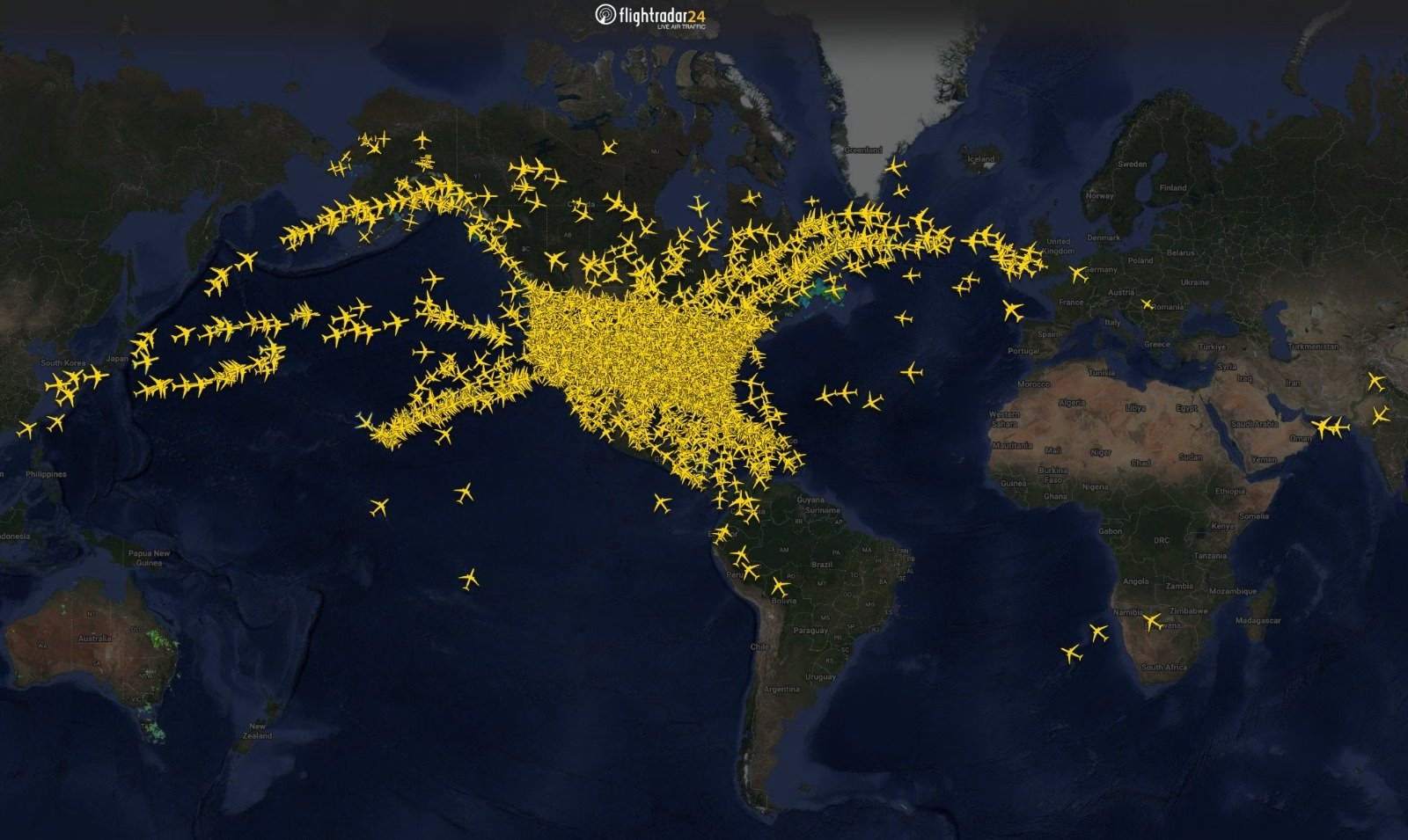
No sign of a cyberattack so far, DHS says
Homeland Security Secretary Markwayne Mullin said there was "no indication as of yet that this was a nefarious attack," calling it a telecommunications outage, though his department was not ruling anything out. Duffy used the briefing to press Congress for more money: lawmakers have already provided $12.5 billion to modernize air traffic facilities, and he is seeking about $30 billion more. "How many times does this have to happen for Congress to give the money to fix it?" he asked, Engadget reported.
Teams and travelers stranded
The halt scrambled a busy sports weekend. Auburn took a bus to Mississippi State, where the SEC pushed Saturday's kickoff back to 4:15 p.m., and Purdue bused to Iowa, Newsday reported. Several NBA, NHL and college teams were stranded, and passengers in Charlotte and other airports sat on tarmacs for hours.
It was the first nationwide ground stop since January 2023, when a key FAA computer system failed; before that, the last came after the Sept. 11, 2001, attacks. Duffy warned that getting air traffic back to normal would be slow, and travelers are advised to check with their airlines.
Cover photo: Newsday (LaGuardia Airport, Nov. 13, 2026). Photos: TMZ, Flightradar24 via X