- BIST10011,722-2.89%
- USD49.45+0.05%
- EUR55.62+0.37%
- GOLD4,181.10+0.26%
- INTEREST37.00%-1.00
- BITCOIN81,509+0.01%
- October 17, 202613°
- BIST10011,722-2.89%
- USD49.45+0.05%
- EUR55.62+0.37%
- GOLD4,181.10+0.26%
- INTEREST37.00%-1.00
- BITCOIN81,509+0.01%
- October 17, 202613°
Goncourt jury drops Thélyson Orélien’s novel over AI suspicions and plagiarism claims
The Académie Goncourt removed Canadian-Haitian writer Thélyson Orélien’s novel from its prize selection, saying it was very likely largely produced by artificial intelligence and citing plagiarism. The author denies using AI.
Ally Daily Editorial DeskUpdated:
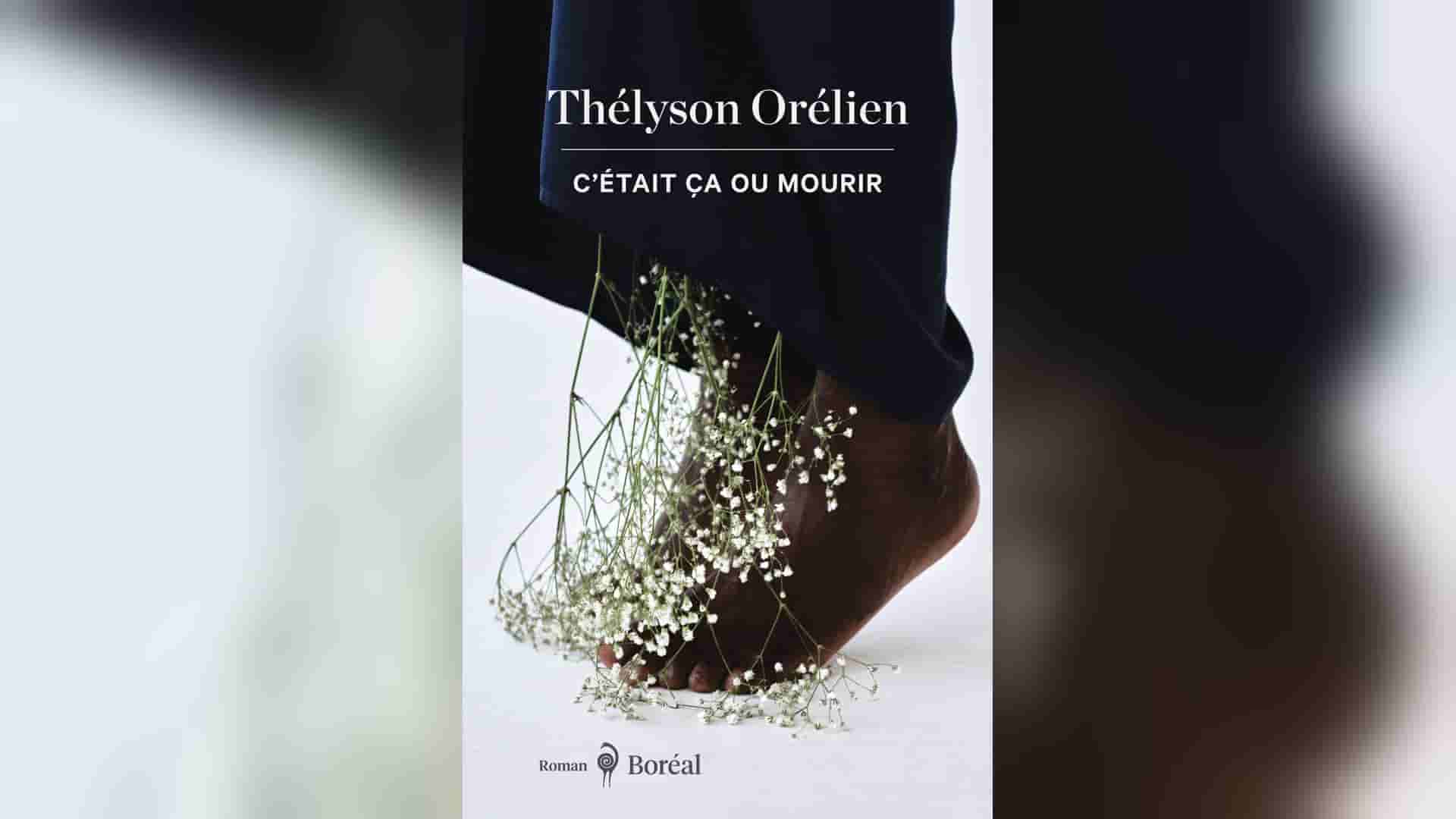
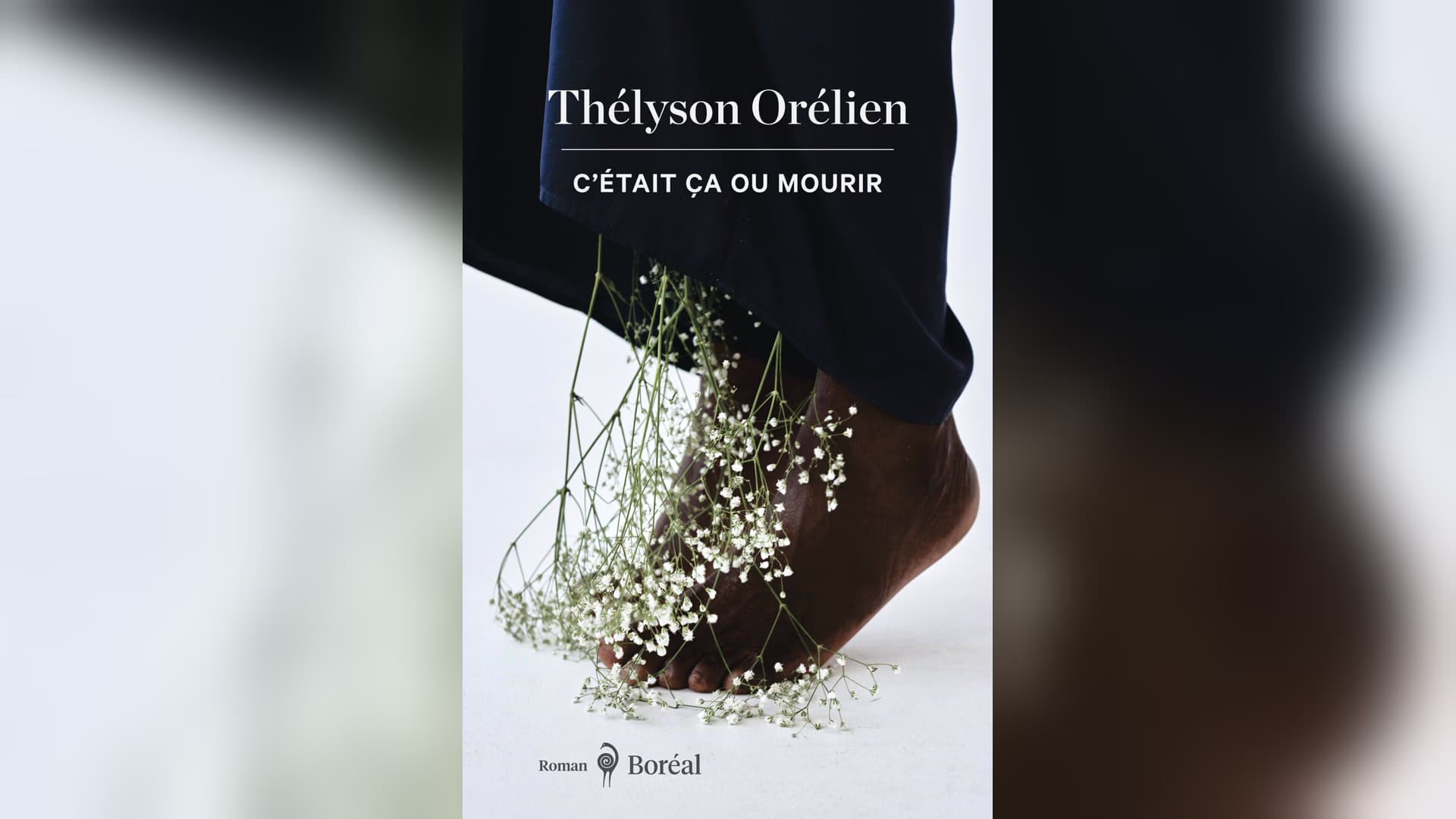
The Académie Goncourt has removed Canadian-Haitian writer Thélyson Orélien’s novel “C’était ça ou mourir” from the first selection for France’s most prestigious literary prize. The academy said on September 25 that the decision was dictated by “the will to preserve the integrity of the prize,” adding that the book is “in all likelihood very largely the product of artificial intelligence.”
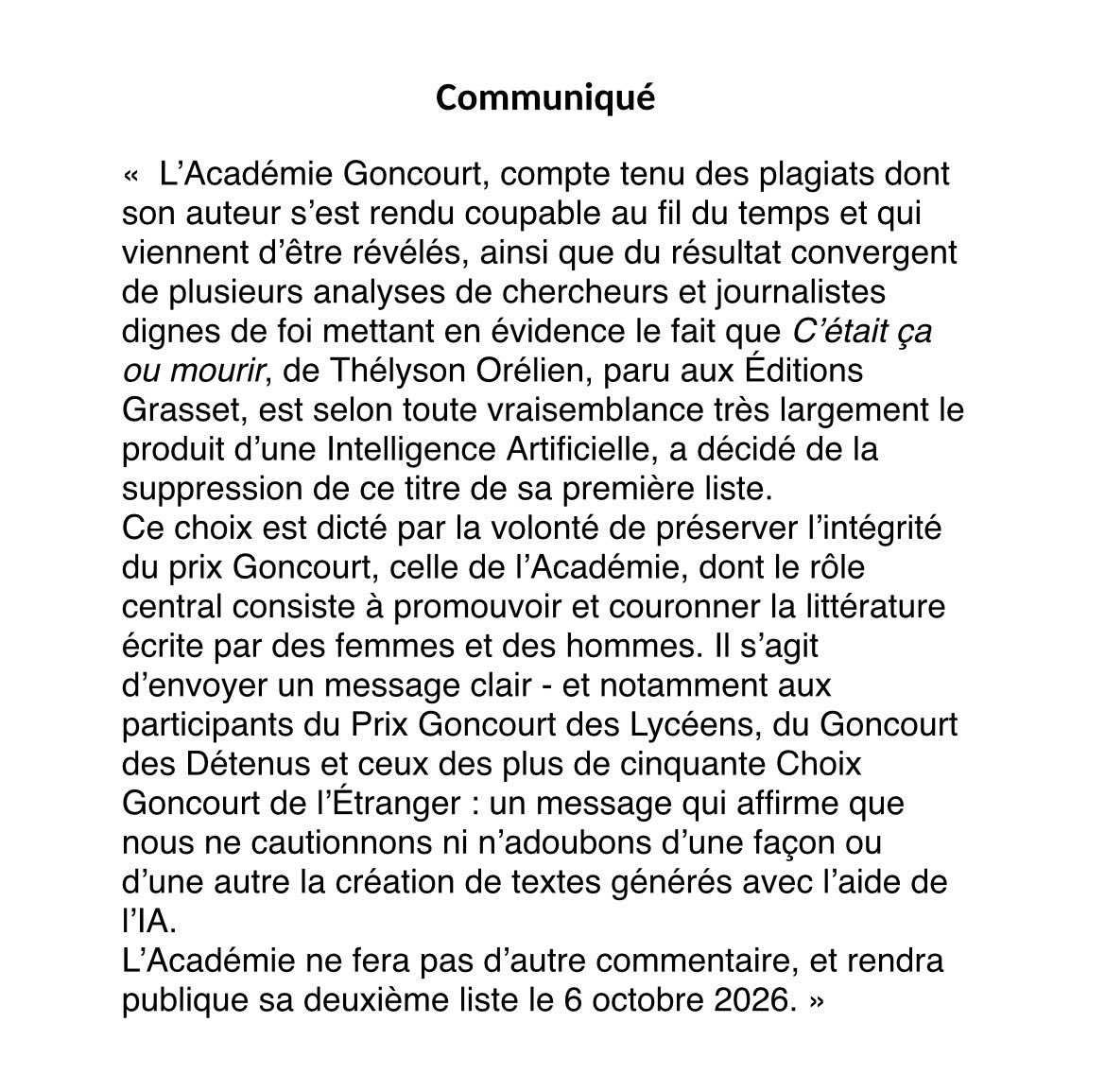
The academy also cited plagiarism for which the author bears responsibility, involving at least one short story and articles published in Canada. Concerns were first raised on X by an anonymous account called “Balance ton Claude,” which essayist Samuel Fitoussi later said he ran; passages from the novel had been analyzed with the AI-detection software Pangram.
Orélien, 38, denied using artificial intelligence and denounced what he called a will to “silence” him. His novel had won the Fnac novel prize and had been included in the selections for the Femina and Médicis prizes.
The decision was not unanimous: jury member Pascal Bruckner voted against it, saying he would not take part in “the lynching” of what he called the best novel of the literary season. The book remains on the lists for the Renaudot, Femina, Médicis and Décembre prizes. Its French publisher, Grasset, rejects the accusations, while Quebec publisher Boréal suspended promotion of the book and the Salon du livre de l’Estrie dropped Orélien as guest of honor.
A Pangram test reported by Radio-Canada flagged 94% of the novel as AI-generated, and France 24 said the tool rated 92% of its 63,425 words as AI, while AFP’s own tests with several detectors gave mixed results. About half of Orélien’s 2012 short story “Où va le monde” was found to have been taken from the book “Le Matin des magiciens.” The academy will announce its second selection on October 6.
Stay Updated with Ally Daily
Subscribe to be informed about special news, developments and announcements. We will keep you informed.
By signing up, you agree to our Privacy Policy