- BIST10011,722-2.89%
- USD49.45+0.05%
- EUR55.62+0.37%
- GOLD4,186.70+0.40%
- INTEREST37.00%-1.00
- BITCOIN81,432-0.09%
- October 17, 202617°
- BIST10011,722-2.89%
- USD49.45+0.05%
- EUR55.62+0.37%
- GOLD4,186.70+0.40%
- INTEREST37.00%-1.00
- BITCOIN81,432-0.09%
- October 17, 202617°
Isaias death toll rises to 4 as hundreds of thousands remain without power
At least four people have died after Hurricane Isaias made landfall near Destin, Florida, as a Category 2 storm, and hundreds of thousands of customers across the Southeast were still without power as the storm weakened into a post-tropical cyclone.
Ally Daily Editorial DeskUpdated:
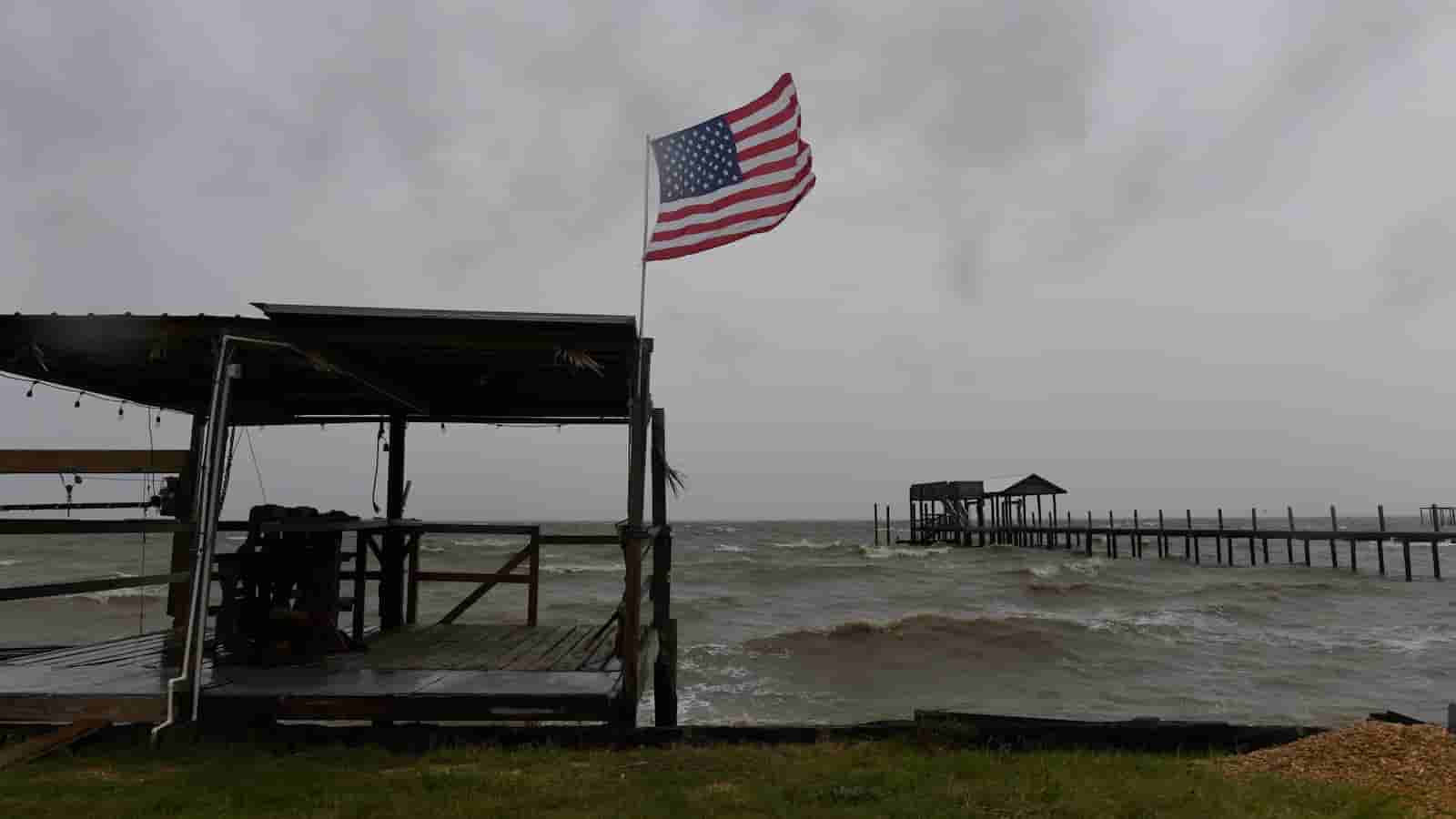
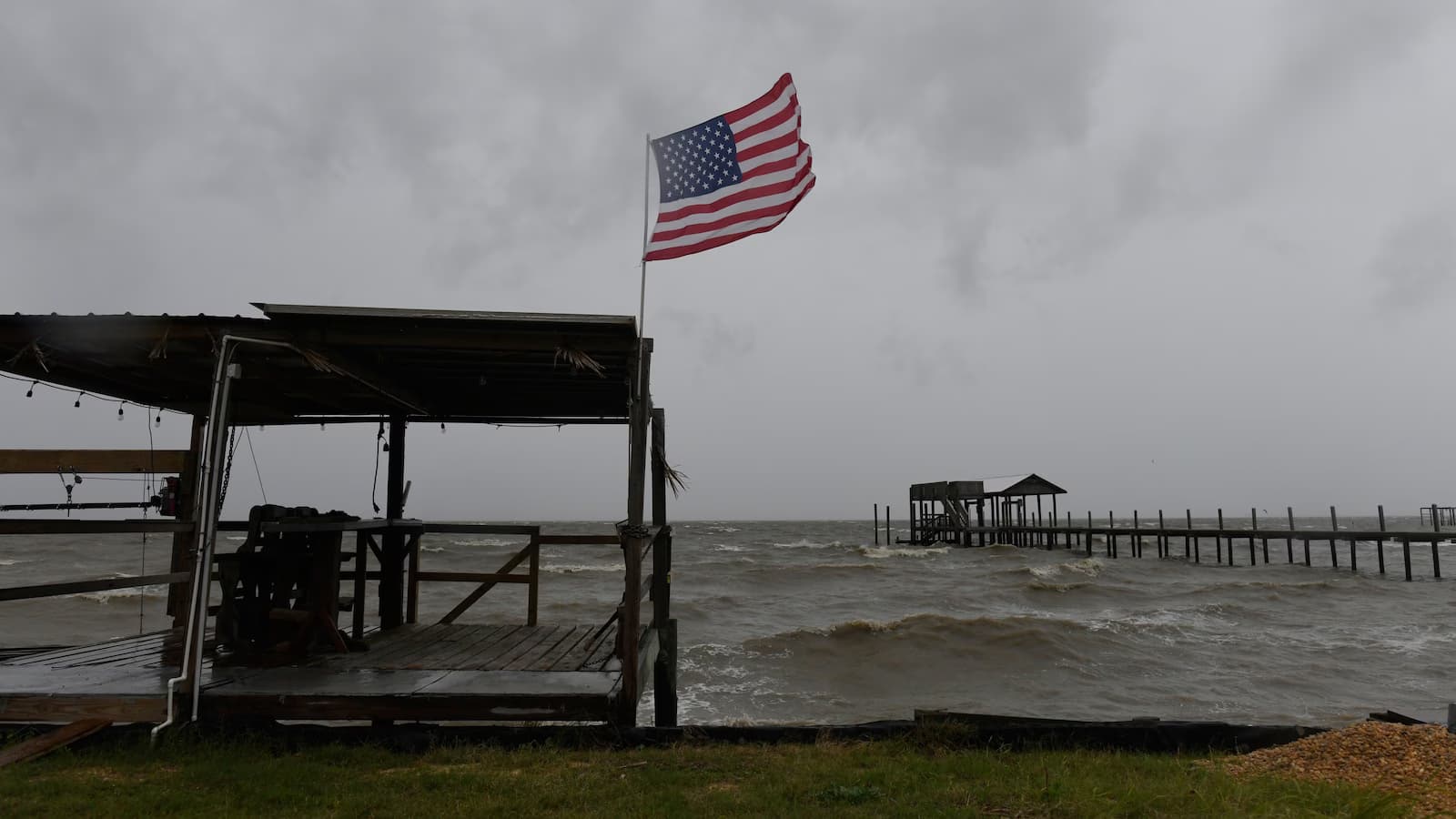
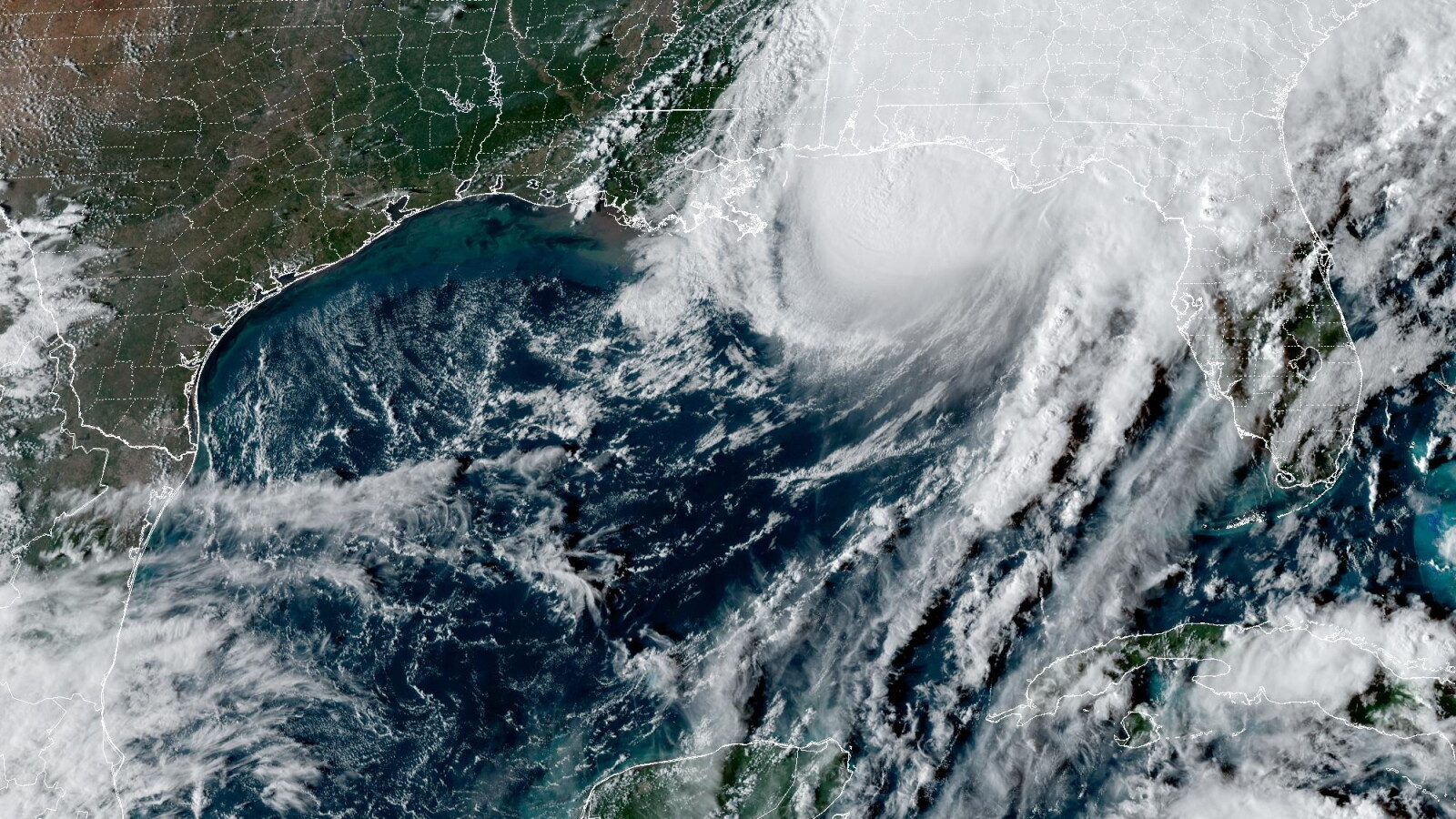
Hurricane Isaias came ashore near Destin, Florida, on Friday night as a Category 2 storm with maximum sustained winds of 105 mph, after briefly strengthening to Category 3 earlier in the day. It is the first hurricane of the Atlantic season and the first to hit the U.S. since Milton in 2024.
President Donald Trump approved federal emergency declarations for Florida and Alabama, authorizing the Federal Emergency Management Agency (FEMA) to coordinate relief and provide equipment and resources. According to the declarations, the Florida order covers 27 counties in the Panhandle and Big Bend, while the Alabama order covers Baldwin, Escambia and Mobile counties and the Poarch Band of Creek Indians.
Hundreds of thousands in the dark
More than 726,000 customers in Florida and Alabama were without power early Saturday, according to PowerOutage.us. Roads flooded in Destin, police in Pensacola urged residents to stay off streets littered with debris, and officials in Mobile reported downed trees and power lines. All flights at Destin-Fort Walton Beach Airport were canceled, and some Panhandle counties temporarily suspended emergency response overnight because of dangerous conditions. No deaths had been reported as of early Saturday.
“Assume you’re going to lose power,” Florida Gov. Ron DeSantis warned residents on Friday, adding: “You hide from the wind, but you run from the water.” He said some 16,000 utility workers were on standby and about 5,000 Florida National Guard members would support recovery. Alabama Gov. Kay Ivey had declared a state of emergency for 40 counties, and DeSantis for 25.

Flooding and tornado threat continues
Isaias weakened as it moved inland through Alabama, but forecasters warned of 4 to 8 inches of rain, with up to 15 inches in places, across southern Alabama, the Florida Panhandle, the Big Bend and southwest Georgia through the weekend. Tornadoes are possible from the Panhandle into Georgia and the Carolinas. Trump canceled plans to attend Saturday’s Georgia-Alabama football game in Tuscaloosa to avoid disrupting emergency response.
Death toll climbs to four
At least four people have been killed by the storm, two in Escambia County, Florida, and two in Alabama, according to CNN. Several of the deaths were caused by trees falling during the storm’s strongest winds.
Power outages peaked at nearly 900,000 customers across Florida, Alabama, Georgia and Mississippi, The Washington Post reported. More than 420,000 Florida customers were still without power on Saturday afternoon as crews worked to clear fallen trees and debris. Isaias weakened into a post-tropical cyclone within hours of landfall, but officials warned that flooding and tornadoes remained a threat as it moved inland.
Have a story, event or announcement of your own?Send us your news on WhatsApp
Spotted an error in this story?Report it on WhatsApp
Share on all social platforms
Sponsored Ads
Featured Listings
Loading featured properties...
Stay Updated with Ally Daily
Subscribe to be informed about special news, developments and announcements. We will keep you informed.
By signing up, you agree to our Privacy Policy