- BIST10011,690-0.91%
- USD49.58+0.05%
- EUR55.62+0.09%
- GOLD4,145.20+0.06%
- INTEREST37.00%-1.00
- BITCOIN83,321+0.46%
- October 21, 20269°
- BIST10011,690-0.91%
- USD49.58+0.05%
- EUR55.62+0.09%
- GOLD4,145.20+0.06%
- INTEREST37.00%-1.00
- BITCOIN83,321+0.46%
- October 21, 20269°
Immigration fear grows ahead of the World Cup
Human rights organizations warn that immigration policies and ICE operations in the US leg of the 2026 World Cup have created a climate of fear for fans...


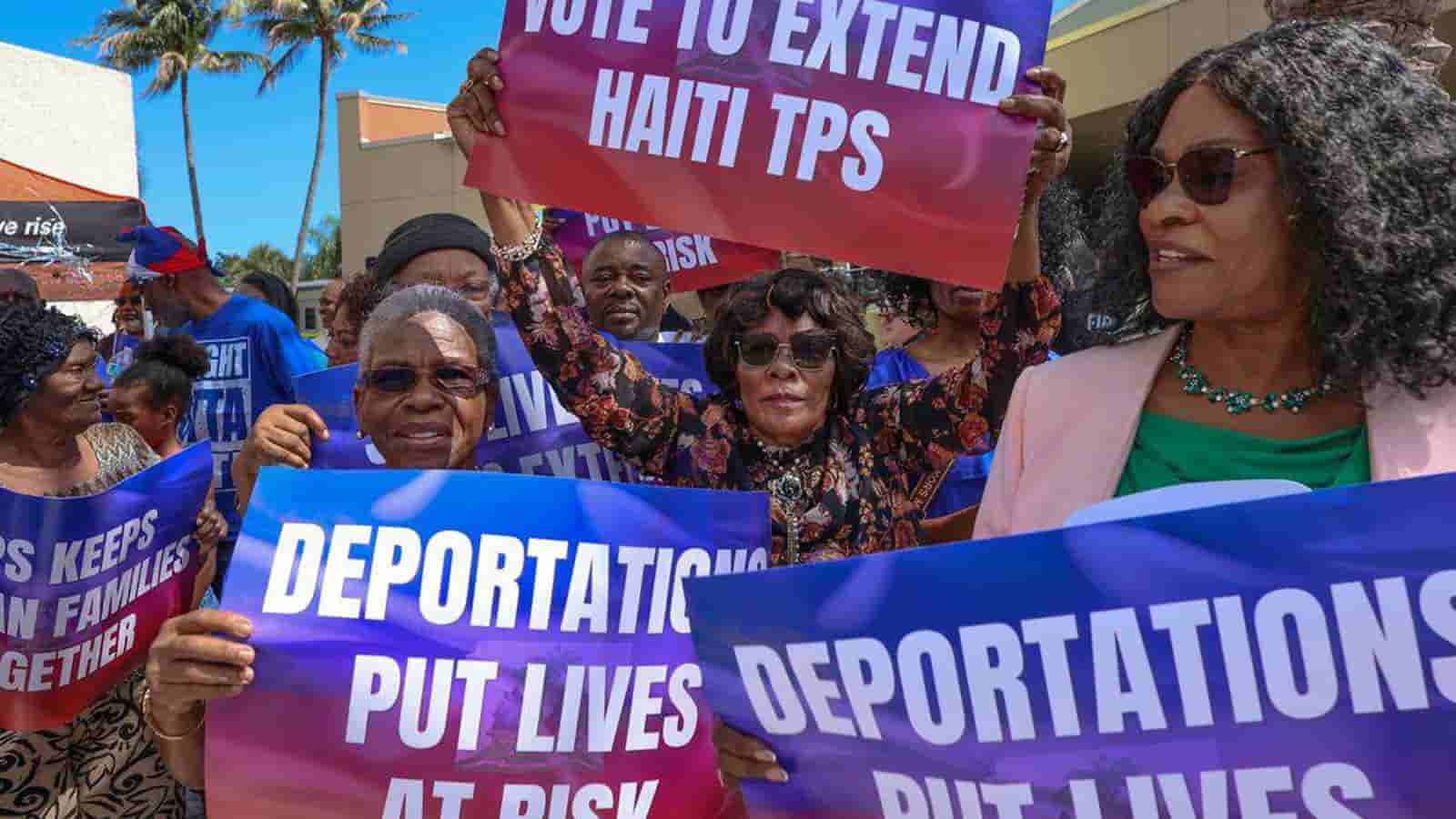
International human rights organizations have warned that immigration policies and border enforcement in the US leg of the 2026 World Cup contradict the promises that the tournament will be "safe and inclusive." The organizations argue that there is a risk of detention, deportation, and arbitrary questioning for fans, journalists, workers, and local communities around the tournament.
Organizations including Sport & Rights Alliance, Human Rights Watch, Amnesty International, and the ACLU are demanding that FIFA obtain public and clear assurances from US authorities. It is stated that these assurances should include no immigration checks at stadiums, fan zones, hospitality areas, and events surrounding the tournament.
Demand for concrete assurances from FIFA
Human Rights Watch described this demand as an "ICE truce." The organization argues that FIFA should pressure the Trump administration to suspend immigration operations around matches and tournament venues.
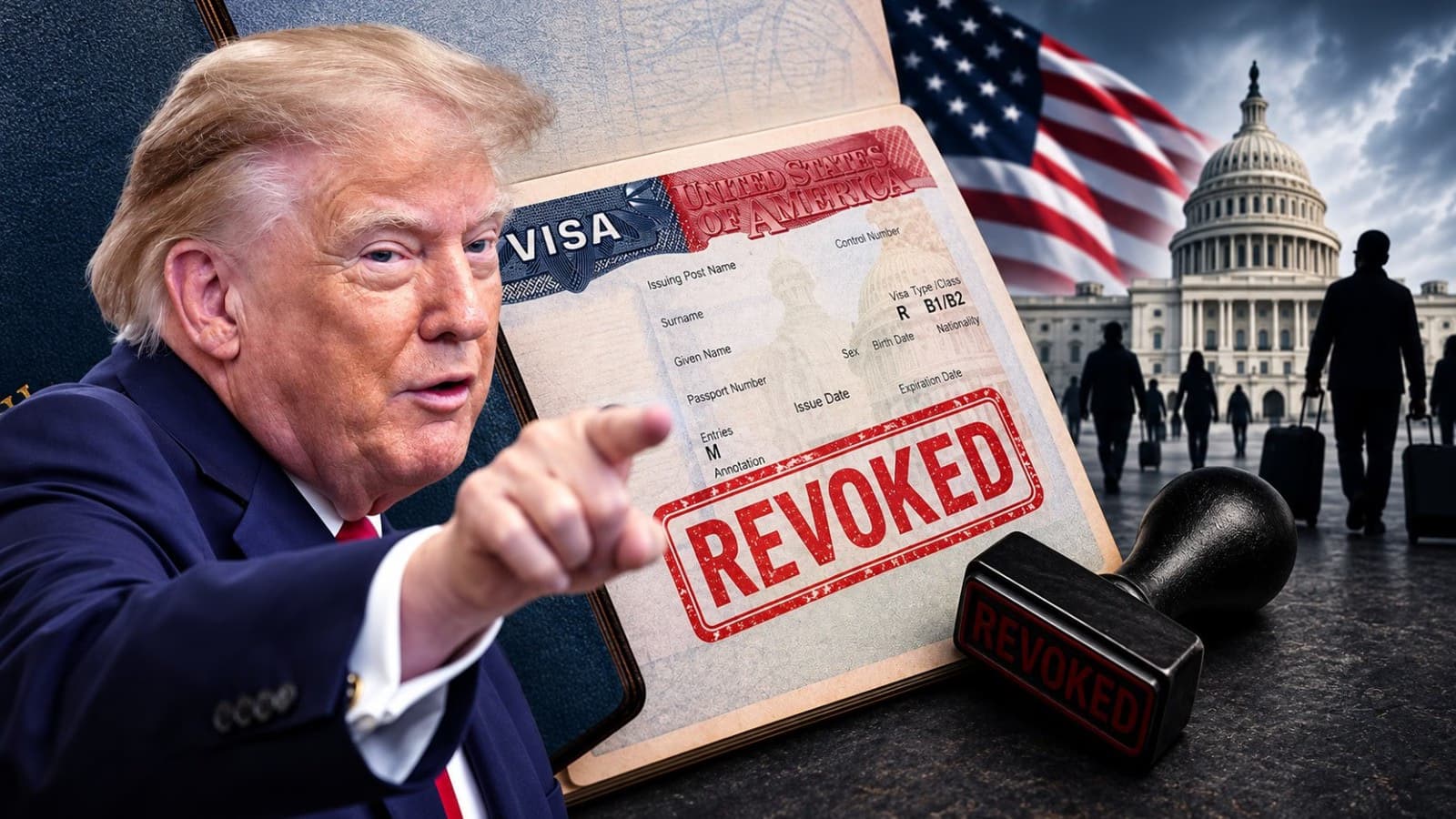
Sport & Rights Alliance Executive Director Andrea Florence said that US immigration policies and harsh political rhetoric have created a dangerous environment affecting not only immigrants but also fans, journalists, and workers participating in the tournament. The organizations highlight visa barriers, discriminatory questioning at borders, social media checks, policing practices, and ICE operations, stating that the tournament is moving onto a fragile ground in terms of rights.
White House rejects criticisms
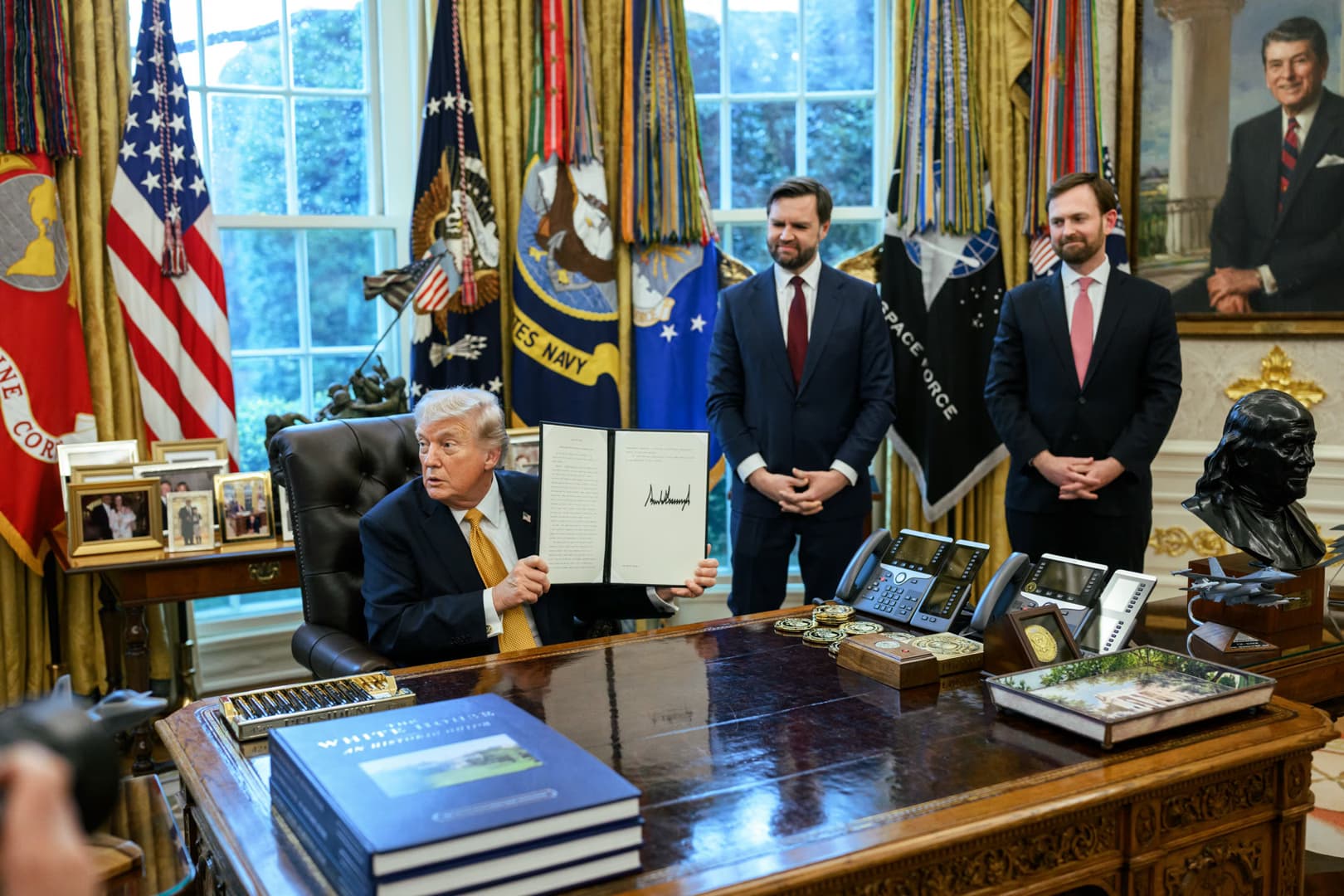
The White House does not accept these criticisms. The Trump administration claims the tournament will be organized safely and successfully and describes the warnings from rights organizations as a politically motivated fear campaign.
FIFA President Gianni Infantino had previously assured that the tournament would be open and inclusive for everyone. However, rights organizations say FIFA's human rights commitments do not adequately address the risks on the ground, especially lacking concrete and binding assurances in the US leg.
Travel warnings issued within the US as well
The warnings are not limited to international organizations. More than 120 civil society organizations in the US issued a travel warning for the millions of people coming to the country for the World Cup.
These organizations reported that the human rights environment in the US has deteriorated and visitors may face risks of arbitrary entry denial, detention, arrest, or deportation. The warning emphasized that immigrants, Muslims, Latin Americans, Black people, individuals with pro-Palestinian statements, journalists, and visitors who may exercise the right to protest could be at greater risk.
Amnesty: Inclusivity claim is being tested
Amnesty International also reminded FIFA and host countries in a statement in March that the tournament should not become a threat to the rights of fans and local communities. The organization argues that restrictions on freedom of expression, peaceful protest, and anti-discrimination undermine the claim that the World Cup will be "safe, warm, and inclusive."
The organization states that FIFA should obtain a commitment from US authorities to provide safe spaces for everyone regardless of political views, immigration status, or identity.
Economic impacts and booking pressure
Warnings about the economic reflections of the climate of fear are also increasing. According to data shared by the American Hotel and Lodging Association, hotel bookings in most US cities hosting the World Cup are below expectations.
In some cities, hotel operators say the expected tourism increase from the tournament may not materialize. BBC's May 20 report noted that bookings were below forecasts in almost all host cities. Reuters reported that although there had been increases in flight and hotel bookings earlier, the recent immigration raids and border policies' impact on demand has not yet been fully measured.
ICE raids at the center
According to rights organizations, the risk centers on operations by the US Immigration and Customs Enforcement (ICE). Detentions and deportations in major cities like Los Angeles, Chicago, and New York are said to create pressure on immigrant communities.
The ACLU states that some of the cities hosting the World Cup have recently been in the spotlight for intensive immigration enforcement, surveillance practices, and security measures. Therefore, it is requested that not only stadiums but also transportation lines, fan zones, hotels, surrounding neighborhoods, and worker housing areas be secured.
Tension between local governments and federal authority
Some local governments are trying to distance themselves from federal immigration practices. According to Reuters, Los Angeles police announced they will not conduct civil immigration enforcement in World Cup areas.
However, rights organizations argue that such statements by local police are not sufficient on their own. They cite the authority and power of ICE and other federal agencies as able to override local safeguards.
The significance of the tournament grows
The 2026 World Cup will be held jointly by the US, Canada, and Mexico. The tournament will start on June 11 with a new 48-team format and end on July 19.
For FIFA, the event is presented as the biggest showcase of football in North America. For rights organizations, the same tournament will show how global sports events perform in terms of immigrant rights, press freedom, the right to protest, and anti-discrimination.
Therefore, the debate is not limited to sports security. The atmosphere around the World Cup raises the question of whether an event aiming to bring millions of people together simultaneously increases fear of detention and deportation for some communities.
Sponsored Ads
Featured Listings
Loading featured properties...
Stay Updated with Ally Daily
Subscribe to be informed about special news, developments and announcements. We will keep you informed.
By signing up, you agree to our Privacy Policy