Ehud Barak, former Prime Minister who led Israel’s withdrawal from Lebanon in 2000, stated that the Israeli army should avoid becoming embroiled again in a long-term stalemate in southern Lebanon. Barak acknowledged the security reasons behind the current military pressure but argued that a permanent presence would be a new mistake.
Speaking from his home in Tel Aviv, Barak said he believed the military presence in Lebanon should have ended years ago. According to him, the decision made in 2000 ended a prolonged military presence that had sparked deep debate within Israel.
Withdrawal of 2000 Back in Focus
Barak said the reasons for withdrawing Israeli troops from the security zone in Lebanon at that time are now clearer. He described staying in southern Lebanon as "an extended tragedy without a rational justification."
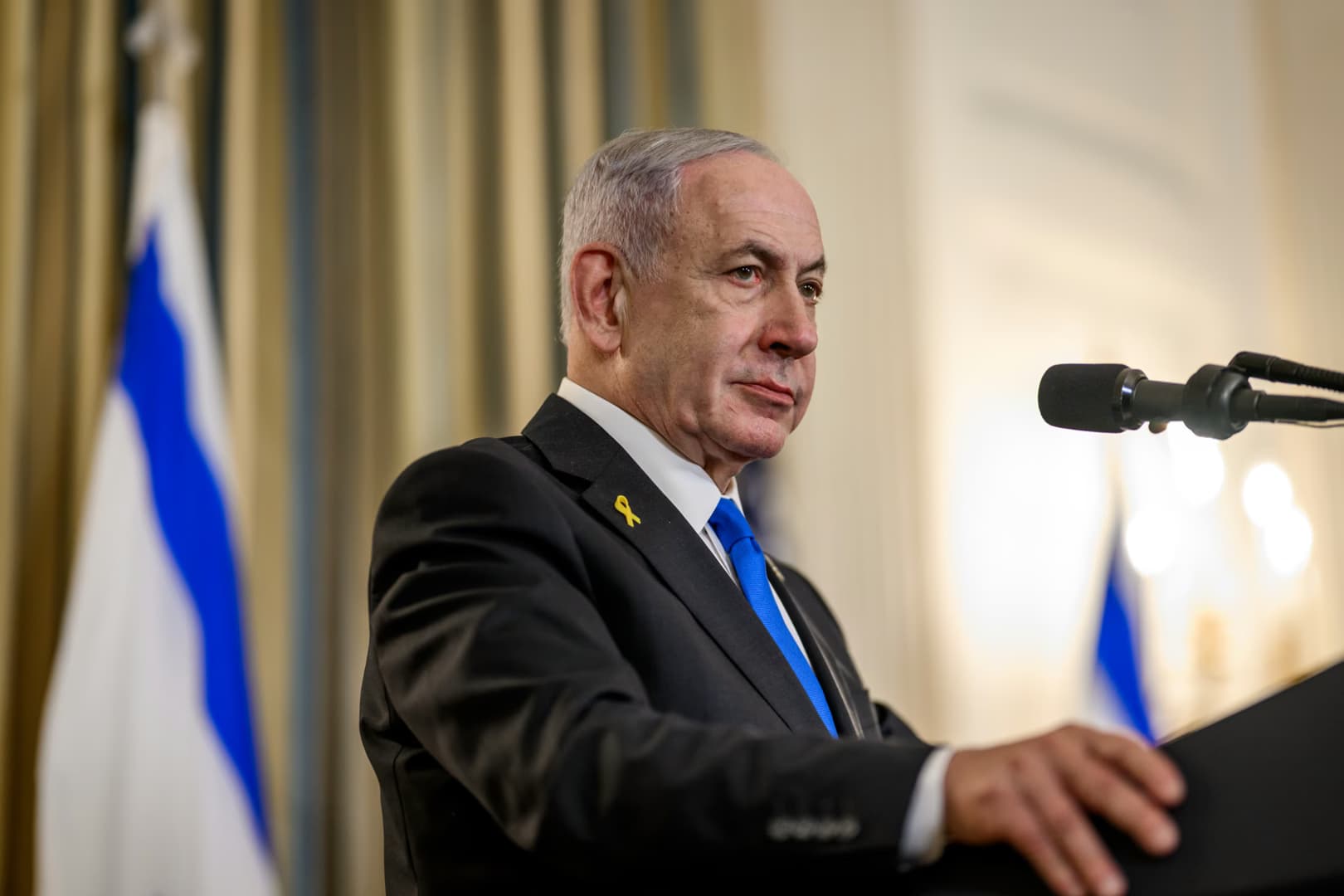
Today, the Israeli army maintains a significant military presence in southern Lebanon again after 26 years. Israeli Prime Minister Benjamin Netanyahu says this force is in the area to stop Hezbollah fire targeting northern Israel.
Netanyahu told his cabinet that they would not allow fire on Israeli territory and that they have dealt Hezbollah very harsh blows. The Israeli side claims that clashes have intensified in recent days and that Hezbollah is entering a withdrawal phase.
Tensions Along Israel, Lebanon, and Iran Fronts
According to the report, Hezbollah’s attacks began in early March. The group announced it was acting in support of Iran; Iran responded by launching ballistic missiles at Israel on Sunday and Monday, citing Israeli attacks in Lebanon as justification.
Israel retaliated with airstrikes. Thus, despite an official ceasefire declaration, the Lebanon and Iran fronts have recently escalated into interconnected conflict zones.
It is also reported that U.S. President Donald Trump sent a message to Netanyahu urging him to stop or at least reduce the scope of attacks in Lebanon. This request is seen as one of the factors complicating efforts to find a deal with Iran.
Barak: Short Operation Must Be Backed by Political Process
While acknowledging Israel’s need to stop Hezbollah attacks, Barak said it would not be right for the army to remain in the area for a long time. He argued that to completely defeat Hezbollah, Israel would have to take over all of Lebanon, which is not a feasible option.
The former prime minister advocated that a limited military operation should be conducted alongside a political process coordinated with the Lebanese government and other parties. Otherwise, he warned, military gains on the ground would not translate into a lasting solution.
It was also reported that Israeli and Lebanese delegations met in Washington last week and announced the renewal of the ceasefire in April. However, the new arrangement is not seen as a sign of lasting stability on the ground.
The Iranian side says it will not agree to any deal with the U.S. unless a ceasefire is simultaneously achieved in both Lebanon and Iran, further complicating the diplomatic equation in the region.
Old Debate Rekindled Within Israel
Barak’s withdrawal decision 26 years ago received broad support outside Israel but sparked intense debate within the country. Some viewed it as a move to free Israel from a military burden leading to a deadlock, while hawks argued the withdrawal would strengthen Hezbollah.
Barak recalled that there was serious resistance within the military at the time. He said he believed his decision was correct and has defended it for years.
Today, public support in Israel for the military presence in Lebanon appears strong. However, Israeli journalist and former war veteran Haim Har-Zahav criticized the army’s re-entry into Lebanon, writing that political and military leaders struggle to explain the purpose of this presence to the public.
Har-Zahav noted that his daughter also joined the army as part of compulsory service, arguing that the new generation is being dragged into fighting amid the same uncertainty. He considers the occupation of southern Lebanon a strategic mistake that does not contribute to Israel’s security.
Rising Costs of the Conflict on the Ground
The report states that the Israeli army is currently positioned about 15 miles deep inside Lebanon and has lost nearly 30 soldiers in the area. Israeli Defense Minister Israel Katz said the army will remain in southern Lebanon.
Although Hezbollah has weakened due to blows in recent years, it retains its fighting capacity. The group claims it was excluded from the Washington talks and views the arrangement as a surrender from their perspective.
Hezbollah leader Naim Kassem described the agreement as "absurd, humiliating, and insulting." The verbal exchanges between the parties indicate that ceasefire discussions have not immediately stopped the fighting on the ground.
Meanwhile, the Israeli army continues extensive operations in Gaza, frequently clashes with Palestinians in the West Bank, and holds onto Syrian territory captured last year. Israel is also reported to coordinate closely with the U.S. militarily in the conflict with Iran.
Barak said that in modern conflicts, a prolonged military presence always carries risks because conditions change rapidly. He recalled that Hezbollah has developed new methods over the years, from mine devices to fiber-optic controlled drones, emphasizing that battlefield superiority is not permanent.
In the latest round of fighting, Hezbollah’s use of fiber-optic drones poses a significant threat to Israel, reportedly killing some Israeli soldiers. Barak said some Israeli leaders dream of holding part of Lebanon indefinitely, but he called this completely unrealistic.
The report also cites Lebanese Ministry of Health data indicating that more than 3,600 people have died in recent clashes and over one million have been forced to flee their homes. Barak believes the United Nations will call for Israel’s withdrawal from Lebanon once the war ends.
The former prime minister said that images of displaced people returning home will be the most difficult to present. According to him, the solution lies not in extending the military presence but in finding a political way out.