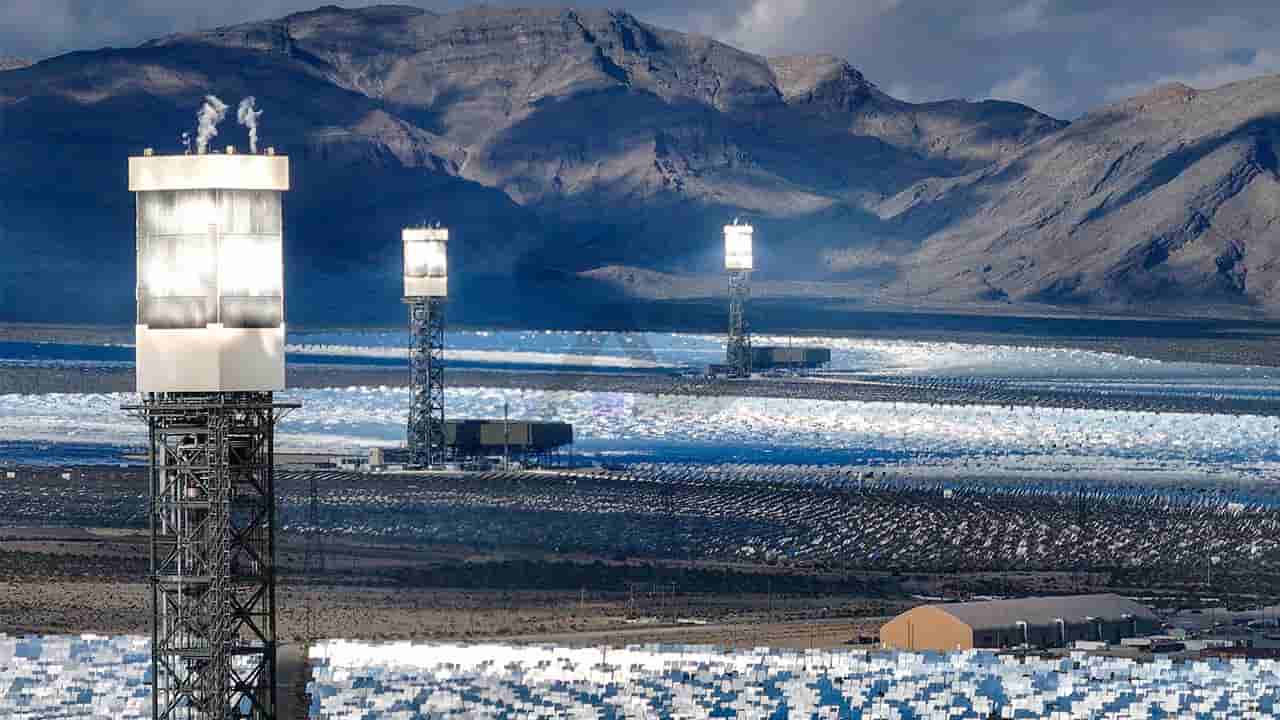
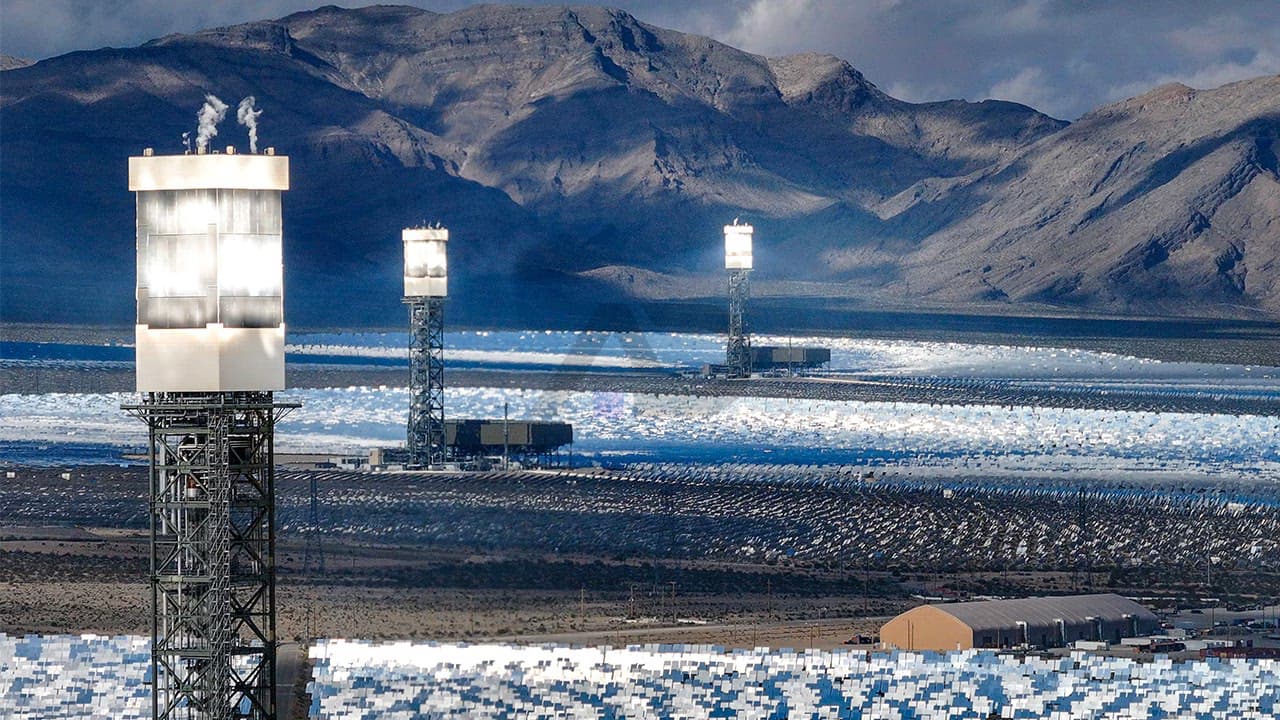
Located on the California-Nevada border, the Ivanpah Solar Power Plant stands out as a large solar energy facility built with $2.2 billion in federal support during the Obama administration. However, both the Trump and Biden administrations, along with electric companies, have requested its closure, citing economic inefficiency. It is stated that the plant's electricity production costs are higher compared to newer and more affordable solar energy technologies. Nevertheless, the California Public Utilities Commission has not allowed the plant to close due to the security of the electrical grid and increasing demand. The commission noted that closing the plant could lead to costs exceeding $300 million in grid infrastructure and security risks. Ivanpah uses concentrated solar power technology and has lagged behind more efficient and economical alternatives like photovoltaic panels since its opening in 2014. The plant's financing included a $1.6 billion federal loan, of which approximately $730-780 million remains unpaid. Additionally, a $539 million grant was provided by the U.S. Treasury Department. The electric company PG&E supports the closure of the plant, arguing that this would allow customers to access lower-cost energy sources. However, regulators emphasize that the plant must continue operations to meet current energy demand and ensure grid security. Experts state that the Ivanpah project faces economic challenges due to rapid changes in renewable energy technologies and developments in market conditions. This situation highlights the need to balance reliability, cost, and past investments in the energy sector.