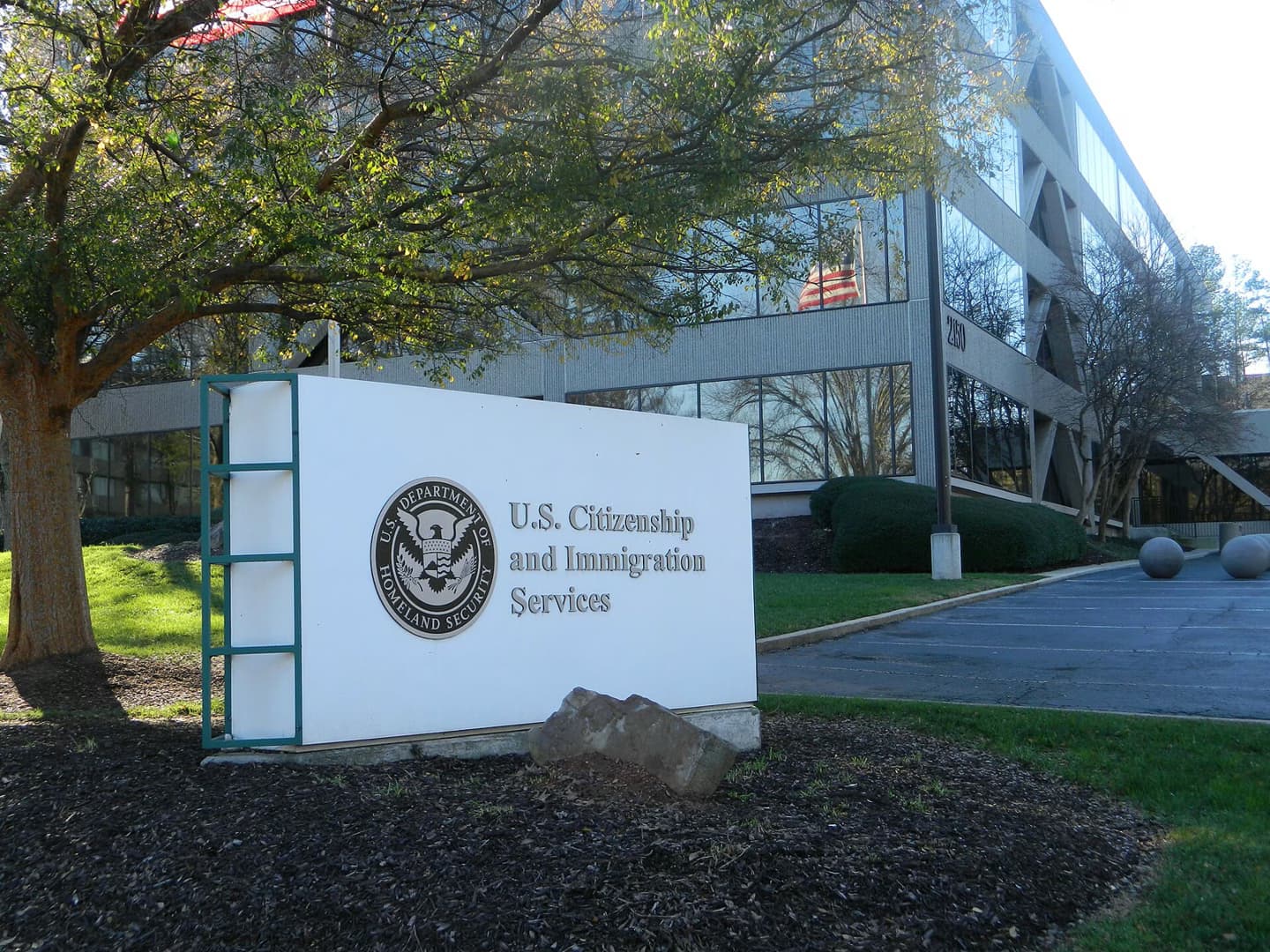
More than 6,300 people have been apprehended by U.S. Immigration and Customs Enforcement in Michigan since the beginning of 2025, according to newly analyzed federal immigration data.
A Michigan Advance analysis published on September 14 found that 6,307 individuals were apprehended by ICE in Michigan from the beginning of 2025 through the period covered by the latest available data.
What Happens After an ICE Arrest?
The report also examined what happens after a person is taken into ICE custody in Michigan.
Depending on an individual's immigration status and case, detainees may enter removal proceedings, appear before an immigration judge, seek release on bond or remain in federal immigration detention while their cases move forward.
Michigan is also home to the North Lake Processing Center in Baldwin, described as the largest ICE detention facility in the Midwest. The privately operated facility is contracted to ICE and has been used to hold people detained in immigration cases.

Local Police Cooperation Under Scrutiny
The new figures come as cooperation between local law enforcement agencies and federal immigration authorities receives increasing attention across Michigan.
A separate recent investigation found that at least 43 Michigan law enforcement agencies made referrals to federal immigration authorities between 2021 and 2026. Researchers documented at least 388 encounters involving referrals to federal immigration agencies, although not every referral necessarily resulted in detention or deportation.
ICE Enforcement Expands Across Michigan
Several Michigan communities have reported increased immigration enforcement activity since 2025.
In Pontiac alone, a local immigrant advocacy organization estimated that more than 400 residents had been arrested by immigration agents since enforcement intensified in 2025, although that figure is an advocacy-group estimate rather than an official ICE count.
The latest statewide figure of 6,307 apprehensions provides a broader picture of the scale of immigration enforcement in Michigan and comes as federal, state and local authorities continue to debate how immigration laws should be enforced and what role local agencies should play.