- BIST10010,977+2.18%
- USD50.70+0.04%
- EUR55.61+0.02%
- GOLD3,668.50+2.91%
- INTEREST36.00%-1.00
- BITCOIN58,767-0.94%
- November 29, 20265°
- BIST10010,977+2.18%
- USD50.70+0.04%
- EUR55.61+0.02%
- GOLD3,668.50+2.91%
- INTEREST36.00%-1.00
- BITCOIN58,767-0.94%
- November 29, 20265°
New footage shows SpaceX's historic Starship tower catch from every angle
A compilation of camera angles shows the moment SpaceX's launch tower in Texas snatched Starship's Ship 42 out of the air, the first-ever recovery of an upper stage returning from orbit. Elon Musk said he still can't believe it happened.
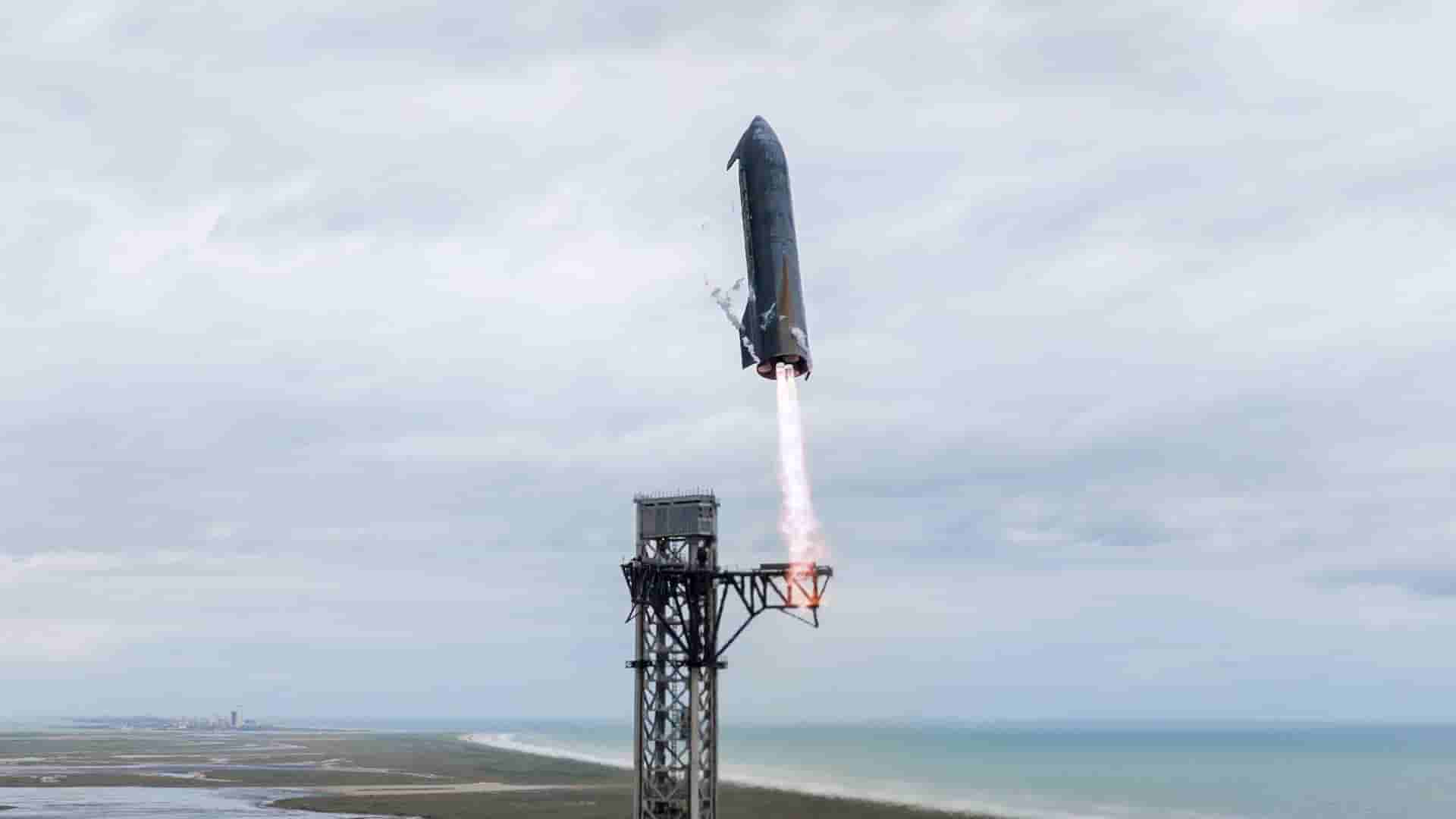
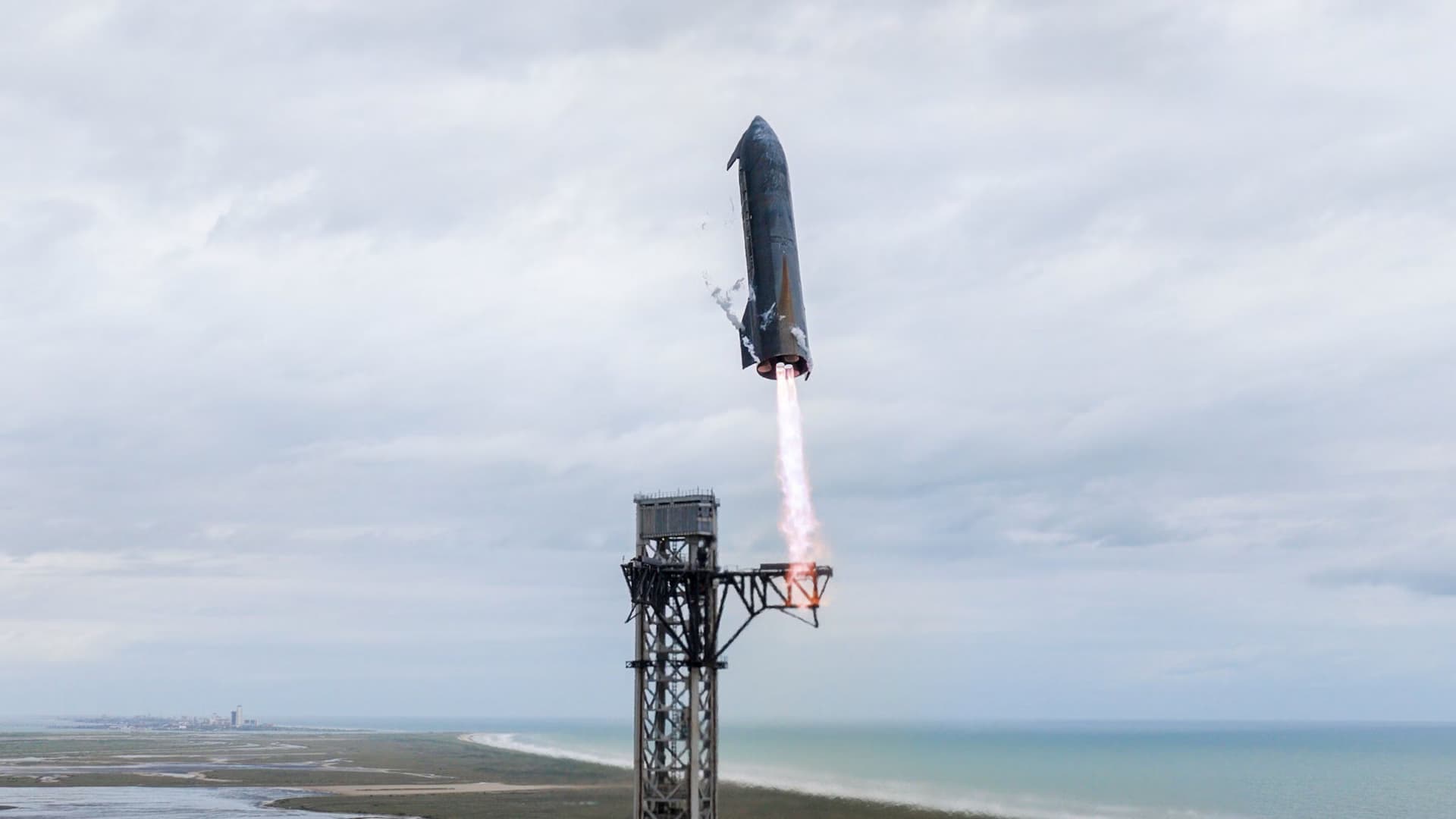
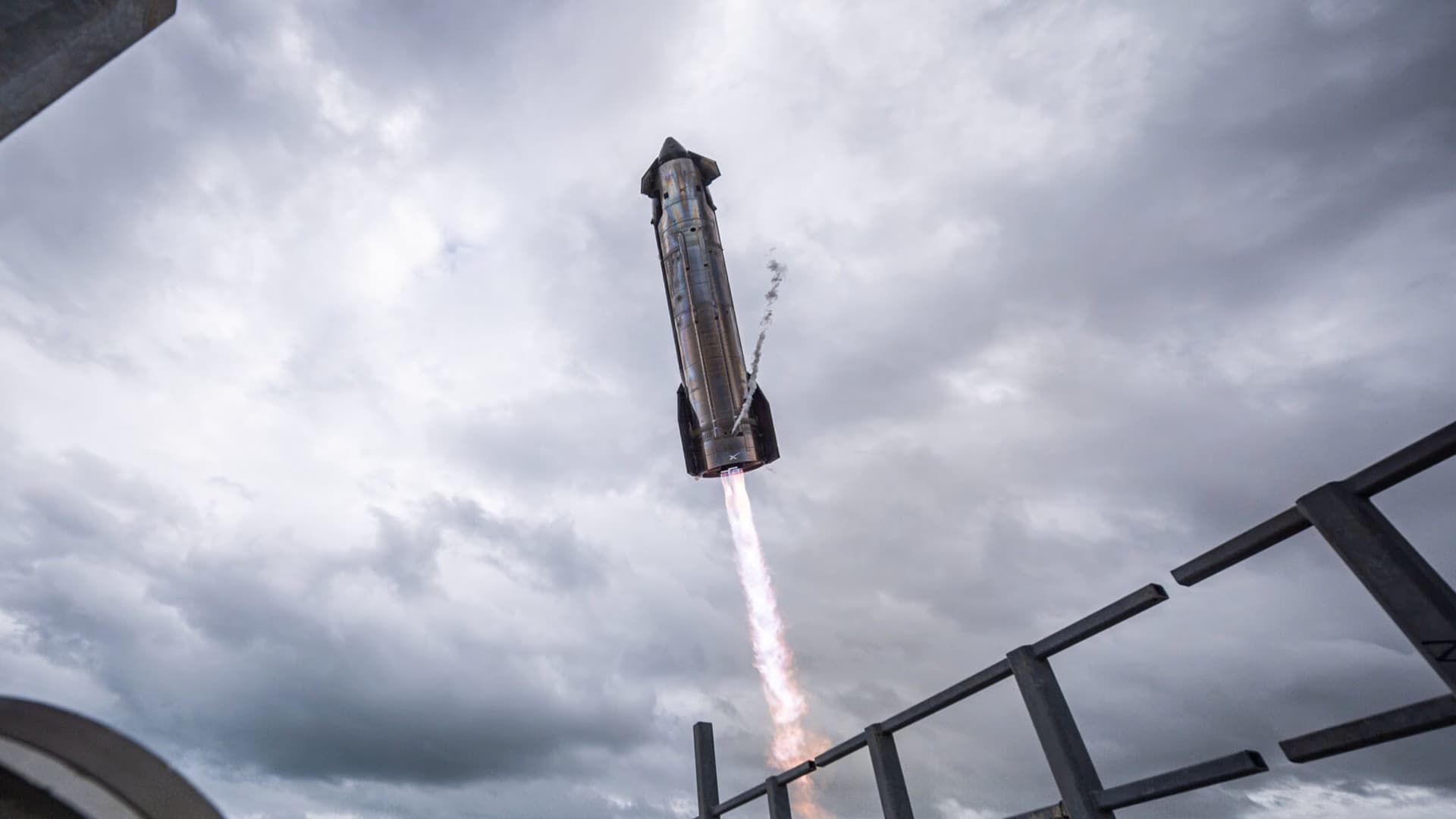
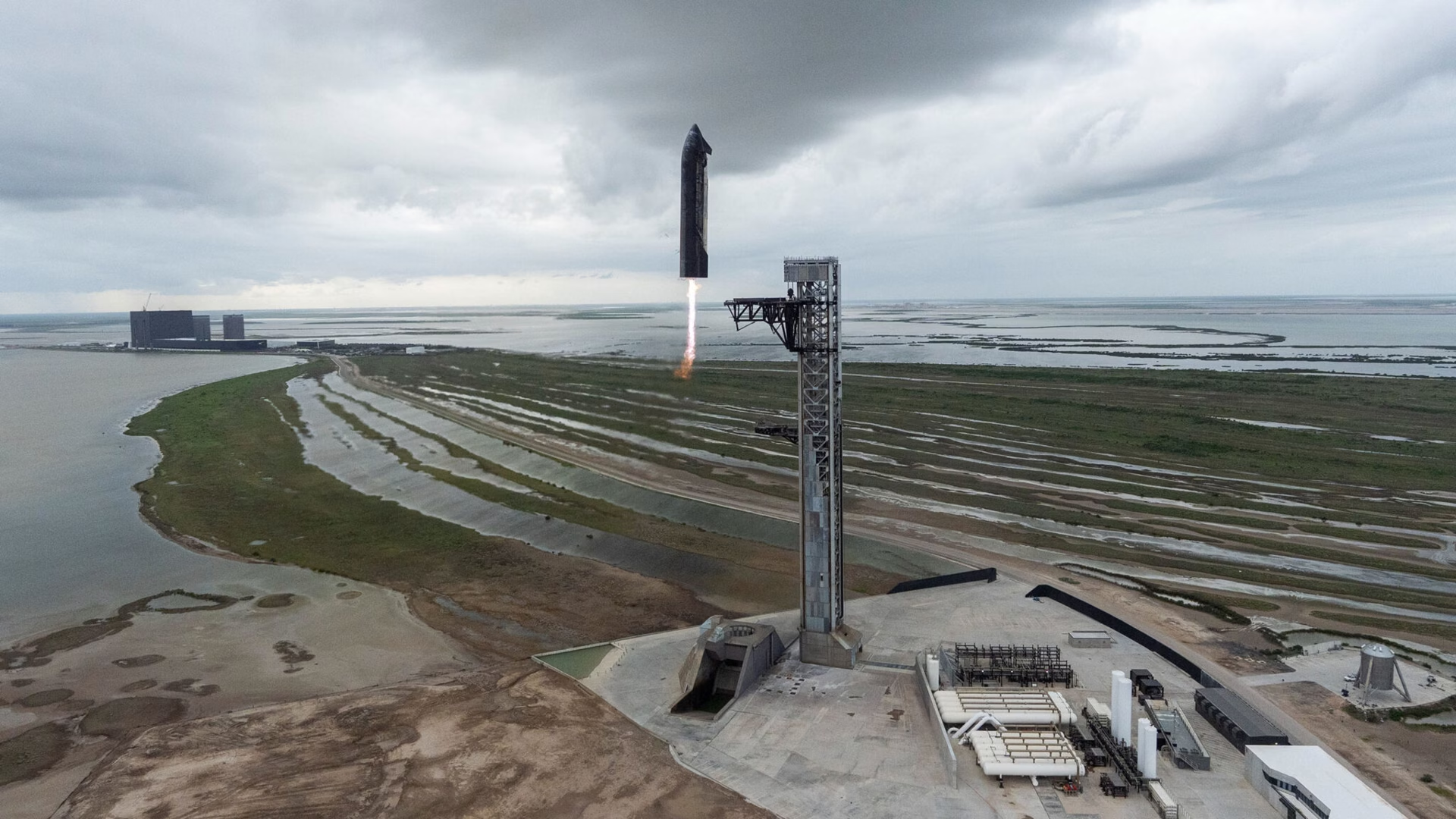
New footage compiling multiple camera angles shows the moment SpaceX's launch tower at Starbase, Texas, caught the Starship upper stage known as Ship 42 in mid-air, a world first that the American company achieved earlier this month.
The video, which spread widely on social media on Saturday, includes views from cameras mounted on the spacecraft itself during its fiery return through the atmosphere, as well as close-up shots from the top of the 480-foot-tall tower as its giant "chopsticks" arms closed around the giant spacecraft.
SpaceX CEO Elon Musk, reacting to the footage, said he still can't believe the catch actually happened.
The ship returned to Starbase in South Texas on Nov. 14 after spending more than 22 hours in orbit, the longest Starship flight to date. It fired its Raptor engines for a final landing burn and slowed to a near hover beside the tower before the arms locked onto it at 3:20 p.m. CST.
A first in spaceflight history
Flight 15 lifted off from Starbase on Nov. 13 carrying 26 Starlink V3 satellites. After roughly 14 orbits around Earth, Ship 42 became the first spacecraft returning from orbit ever to be caught by a launch tower, a key step toward SpaceX's goal of a fully and rapidly reusable rocket.
"The epic day has arrived, thanks to the incredibly talented team at SpaceX!" Musk wrote on X after the catch.
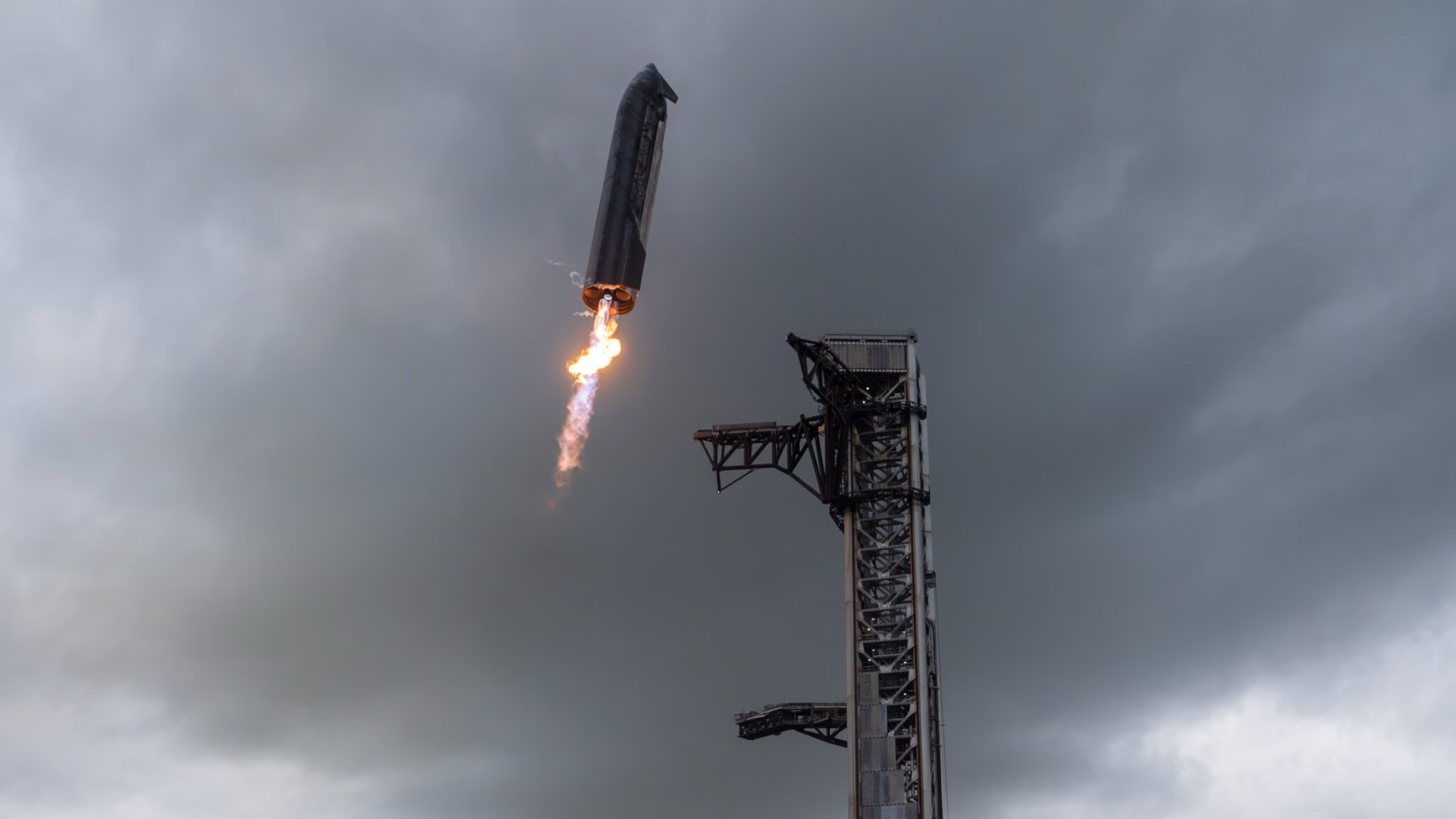
The mission was only a partial success, however. SpaceX had planned to catch both stages on the same flight, but the Super Heavy booster, Booster 22, came back low on fuel and slightly off course. Its automated return criteria called off the tower landing and diverted it to a contingency splashdown in the Gulf of Mexico, where it was destroyed. Musk blamed a "slight underperformance of engines" on the flight.
Next goal: catching both stages
Musk has said SpaceX will try to catch both the booster and the ship on its next test launch, calling a successful double catch a profound technology milestone. He also said the company will retire Ship 42, the first upper stage ever caught by the tower's arms.
Recovering and reflying both stages is central to SpaceX's plans to slash launch costs, deploy its next-generation Starlink satellites and fly NASA astronauts back to the Moon under the Artemis program.
Stay Updated with Ally Daily
Subscribe to be informed about special news, developments and announcements. We will keep you informed.
By signing up, you agree to our Privacy Policy