- BIST10011,906+0.53%
- USD50.28+0.05%
- EUR55.60-0.24%
- GOLD3,864.80-0.55%
- INTEREST36.00%-1.00
- BITCOIN64,511-1.23%
- November 16, 20262°
- BIST10011,906+0.53%
- USD50.28+0.05%
- EUR55.60-0.24%
- GOLD3,864.80-0.55%
- INTEREST36.00%-1.00
- BITCOIN64,511-1.23%
- November 16, 20262°
Congress races to lock down AI chip exports to China after Nvidia spy scandal
Republicans and Democrats are lining up behind four bills that would curb sensitive chip sales, close a cloud loophole used by Chinese firms and give Congress power to block Trump administration export approvals. Backers want them in the must-pass defense bill before the new Congress takes office in January.
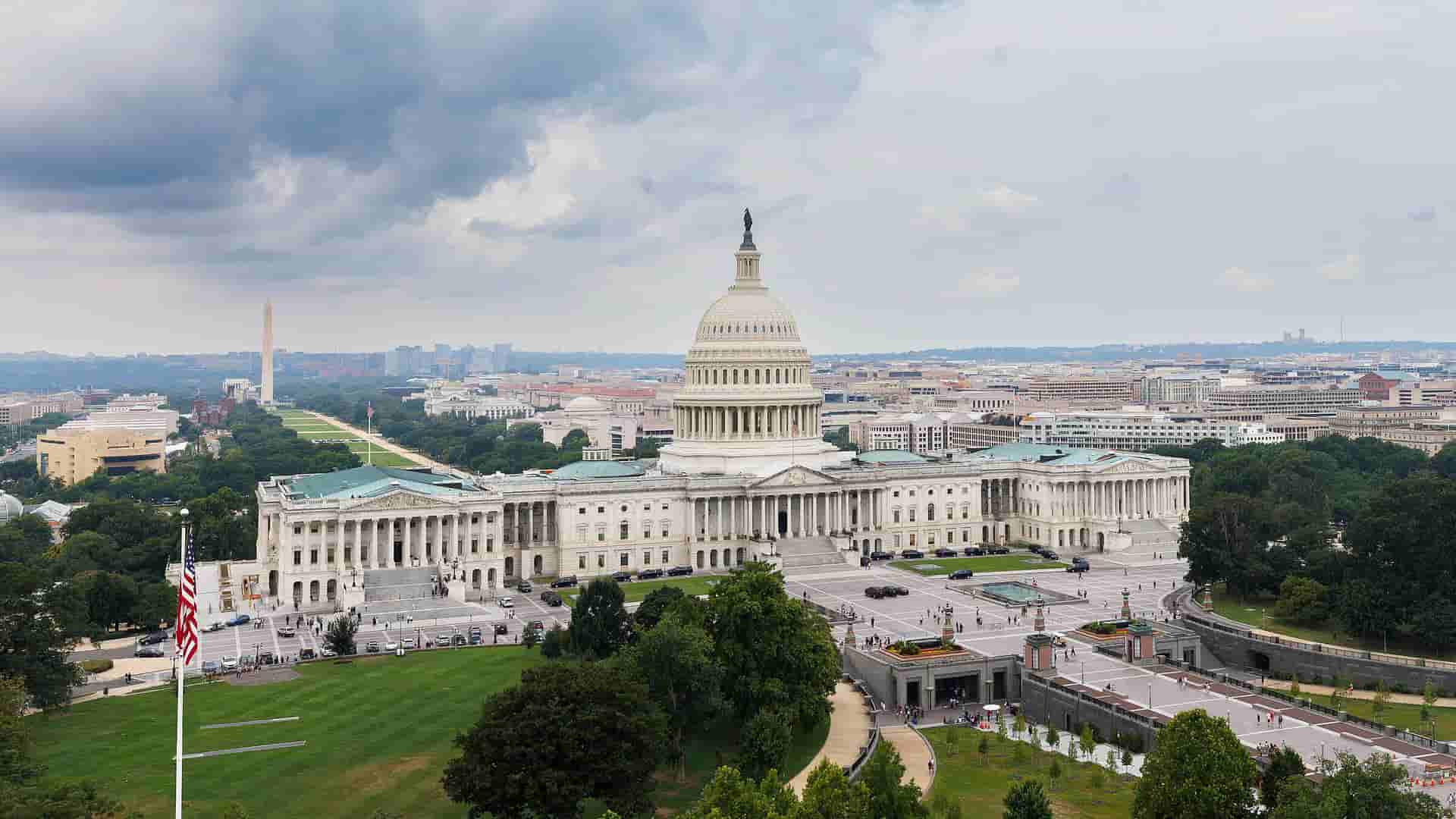
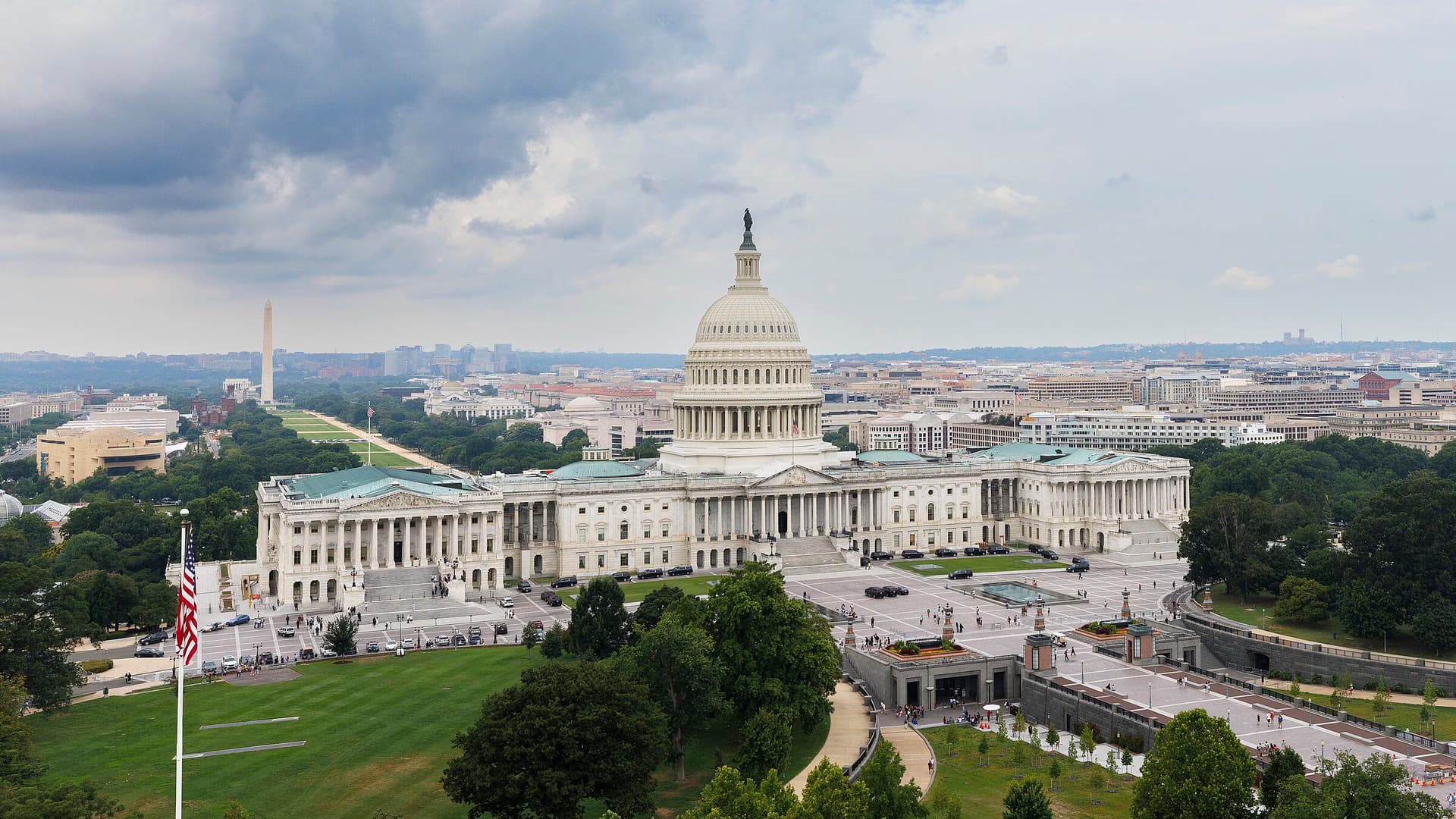
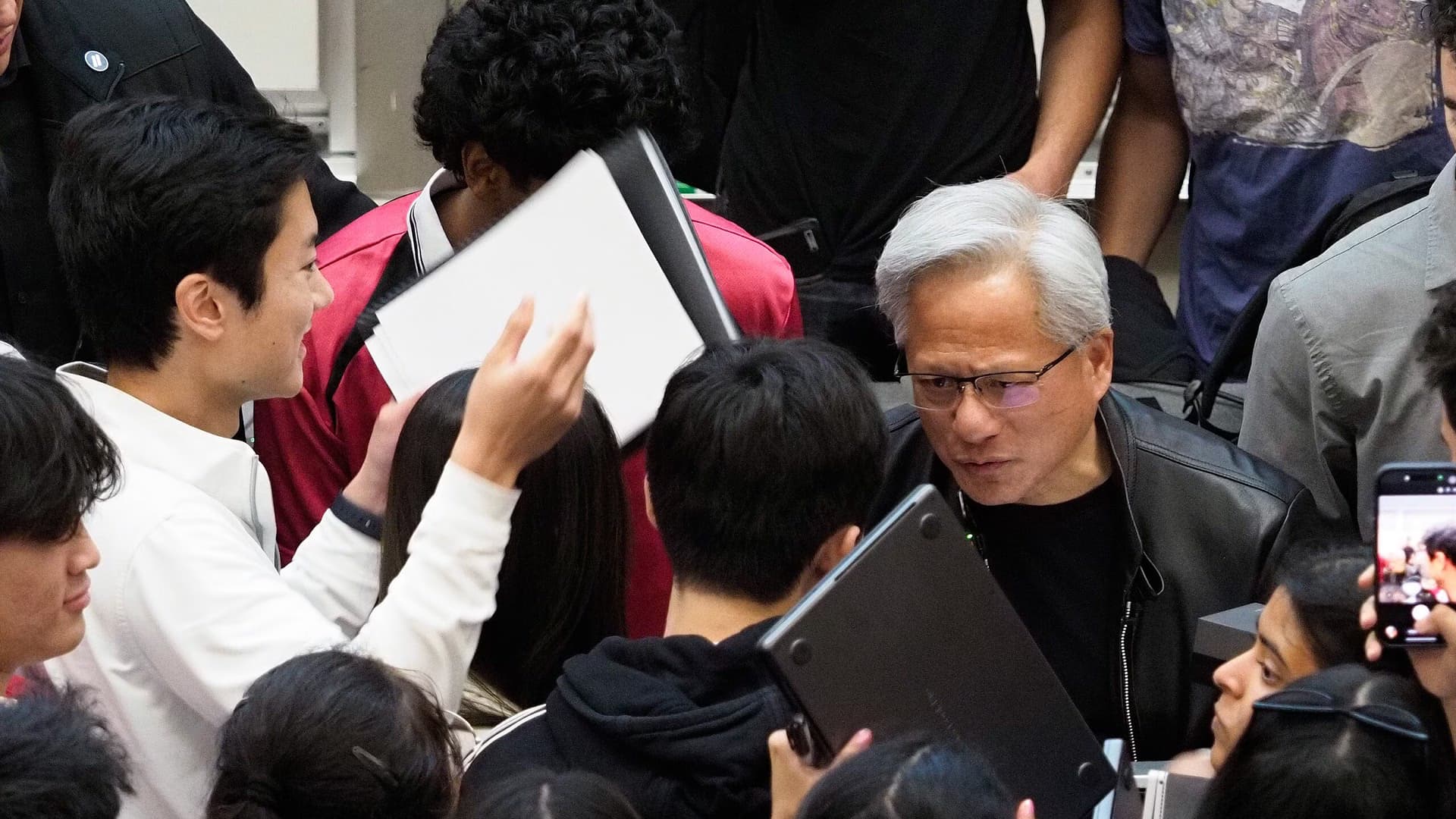
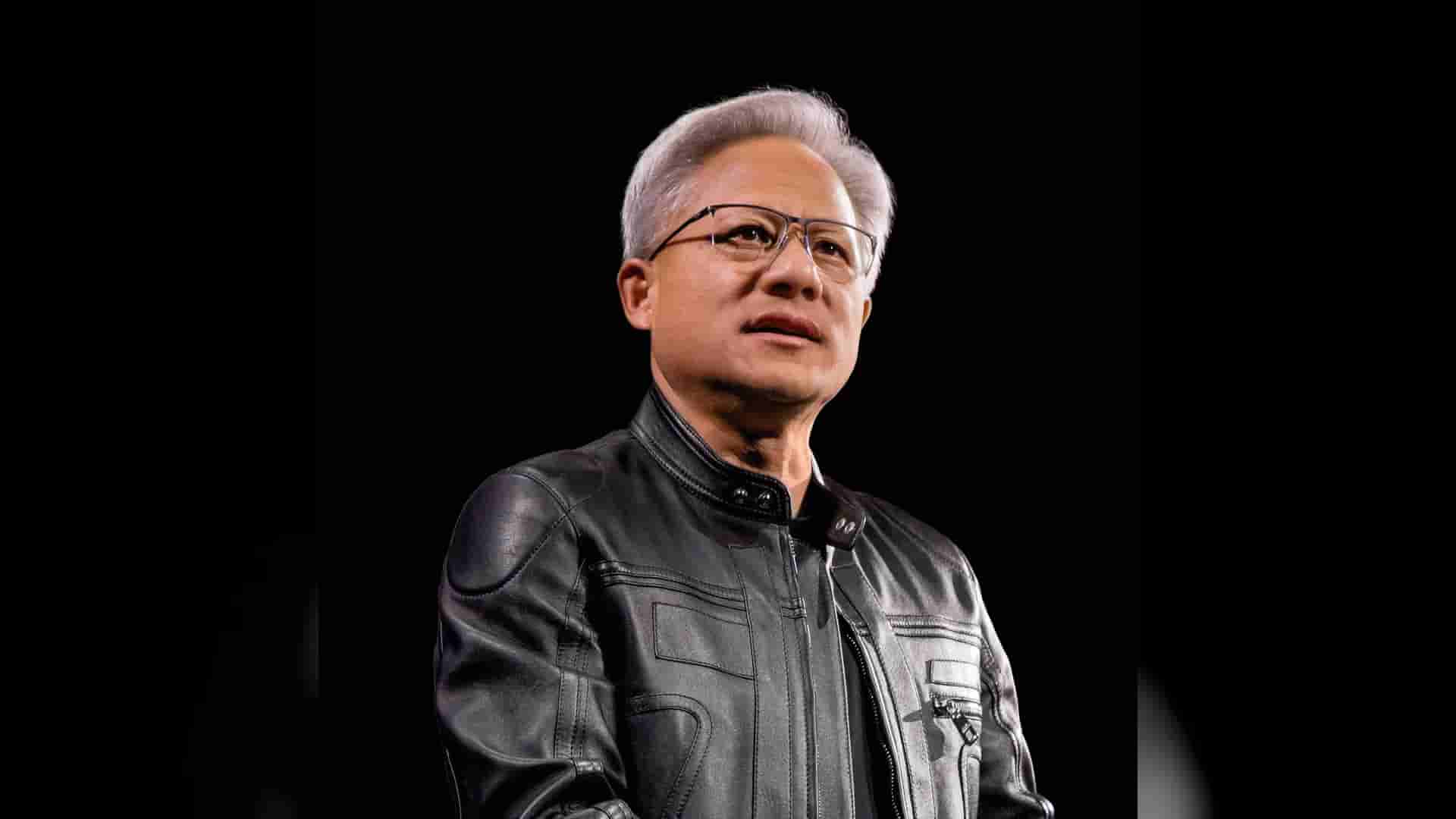
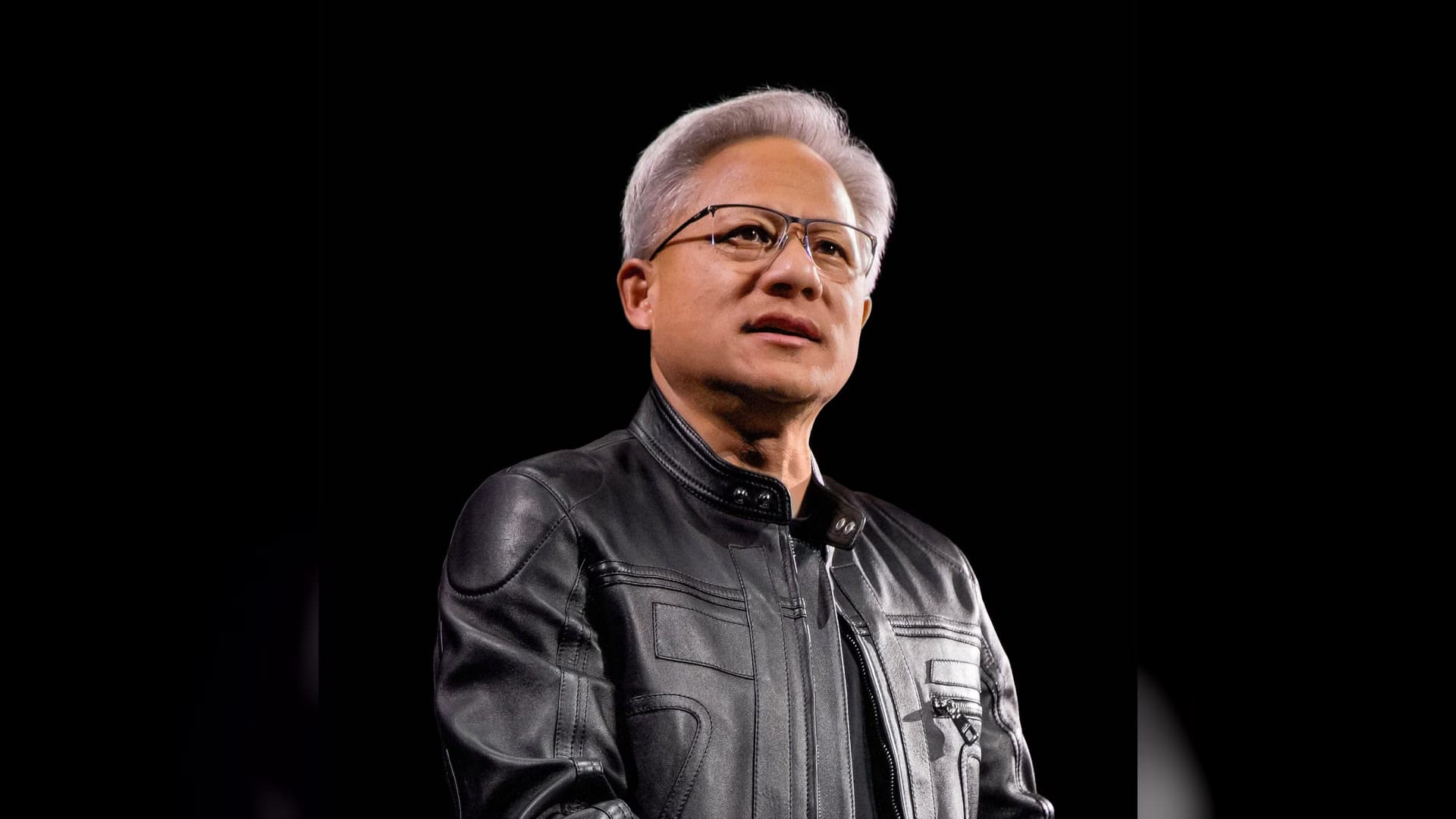
Lawmakers from both parties are accelerating efforts to tighten exports of advanced artificial intelligence chips to China, using the scandal that forced out Nvidia CEO Jensen Huang to push legislation that had stalled for months, the Financial Times reported.
Republicans and Democrats are backing bills that would restrict sensitive chip sales, block Chinese access to American chips through overseas cloud services and give Congress greater power to review or block export approvals by the Trump administration. Three senior House Republicans have called for the immediate passage of four bills and demanded testimony from Nvidia executives and a senior Commerce Department official, according to the FT. Supporters hope to attach the measures to the annual defense authorization bill before the new Congress is seated in January.
The four bills
Lawmakers have been pressing colleagues since Monday to pass at least four chip-export measures, Reuters reported:
AI Overwatch Act: would give Congress the power to review and block exports of advanced AI chips to U.S. adversaries. The Senate version is sponsored by Sen. Elizabeth Warren, D-Mass., and Sen. Jim Banks, R-Ind., according to The Hill.
Chip Security Act: put forward by Sen. Tom Cotton, R-Ark., it would require export-controlled AI chips to carry a location verification mechanism to prevent smuggling.
MATCH Act: introduced by Sens. Andy Kim, D-N.J., James Risch, R-Idaho, and Pete Ricketts, R-Neb., it would push U.S. allies to restrict the sale and maintenance of advanced chipmaking equipment bound for China.
Remote Access Security Act: would give the Commerce Department tools to stop Chinese firms from renting overseas data centers to reach Nvidia chips.
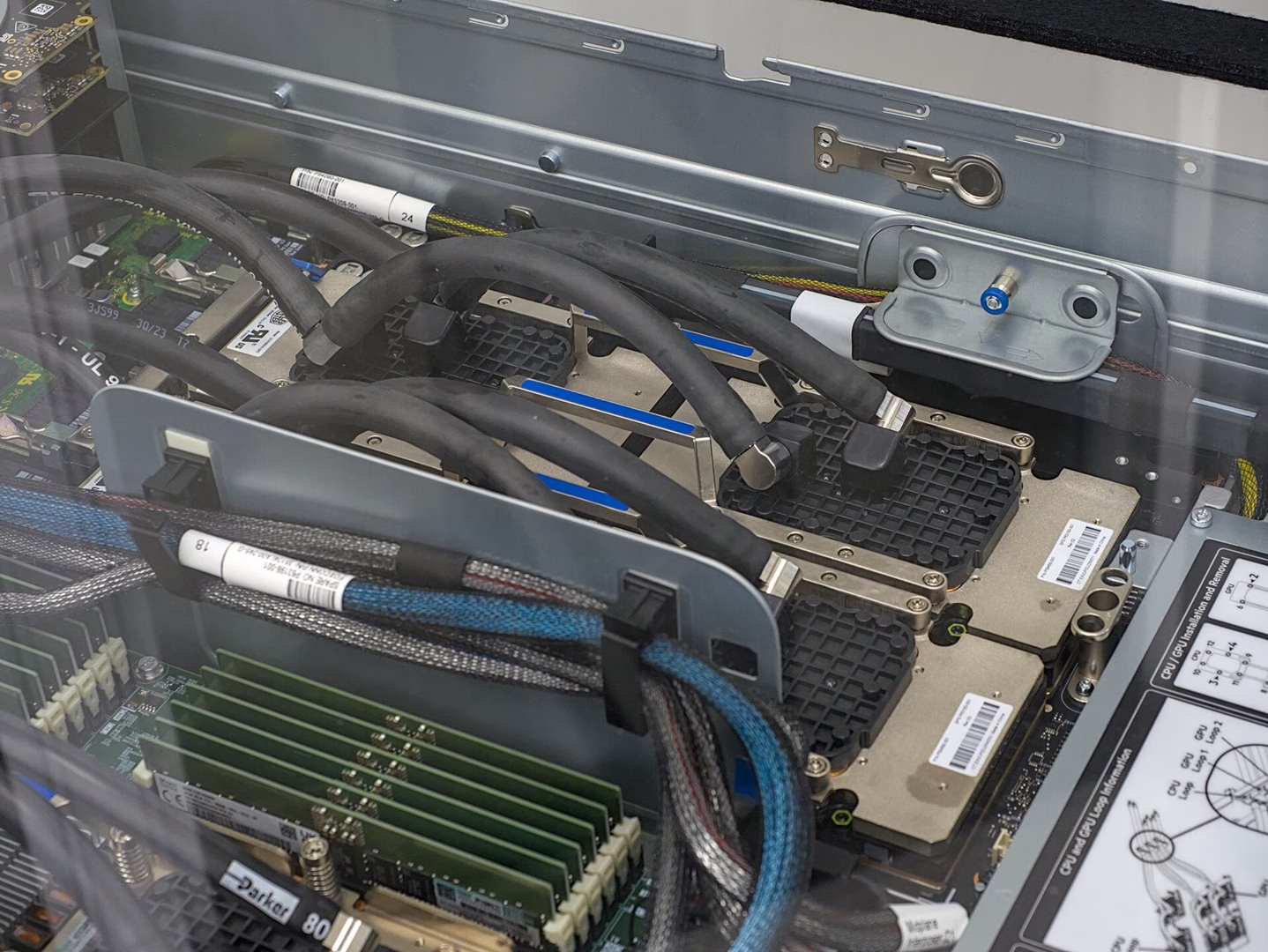
Versions of the first three bills are already included in the Senate manager's amendment to the fiscal 2027 National Defense Authorization Act, Roll Call reported. The cloud measure targets a loophole Chinese companies have been rushing to use: Reuters reported last week that Chinese AI firms were trying to rent Nvidia-powered computing capacity outside China out of fear that Washington would tighten the rules.
Why the scandal changed the math
Huang resigned Thursday after reports of a relationship with Alice Huang, an executive at Singapore-based Nvidia partner Megaspeed whom U.S. officials suspect of spying for Beijing. Beijing has denied that she is a spy. As CEO, Huang had argued against tight export limits and won approval last year for sales of Nvidia's H20 and H200 chips to China.

"The export controls on chips to China has been a big issue around here," House Speaker Mike Johnson, R-La., told reporters Thursday. "I think there's a developing consensus in Congress that is an important position to take." House Minority Leader Hakeem Jeffries, D-N.Y., who is in line to become speaker in January, has said he "strongly supports" the limits in the Senate's defense bill.
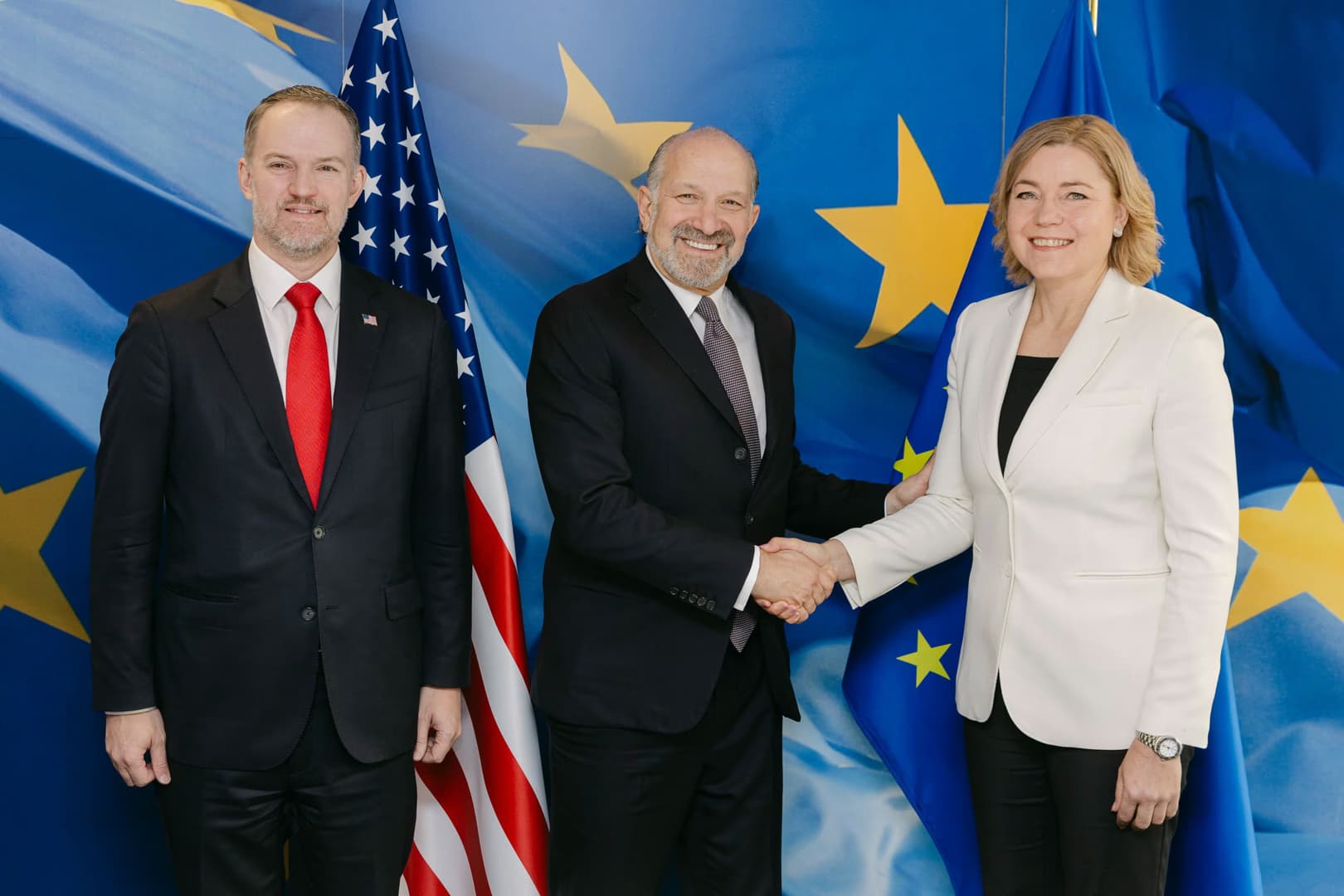
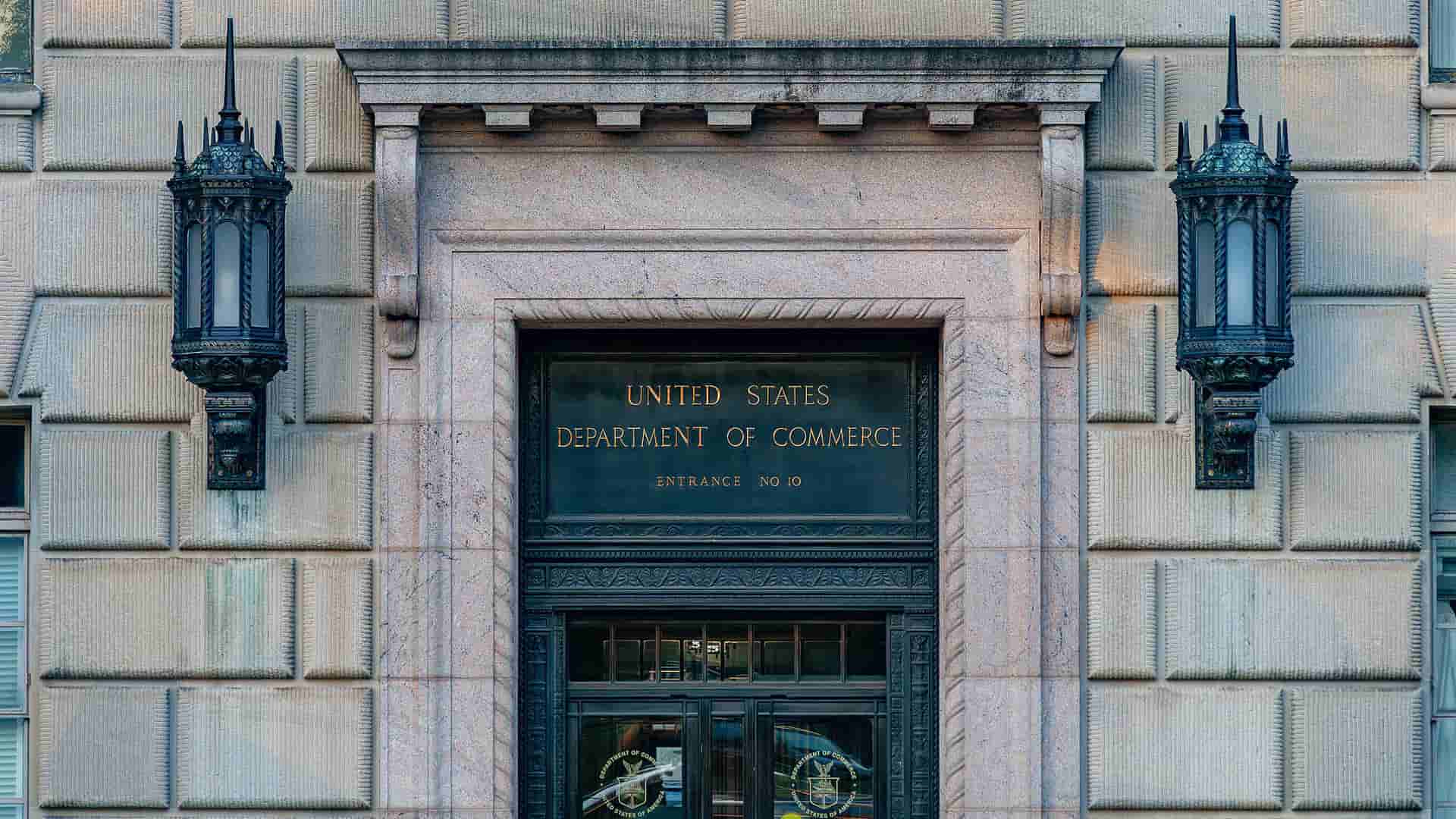
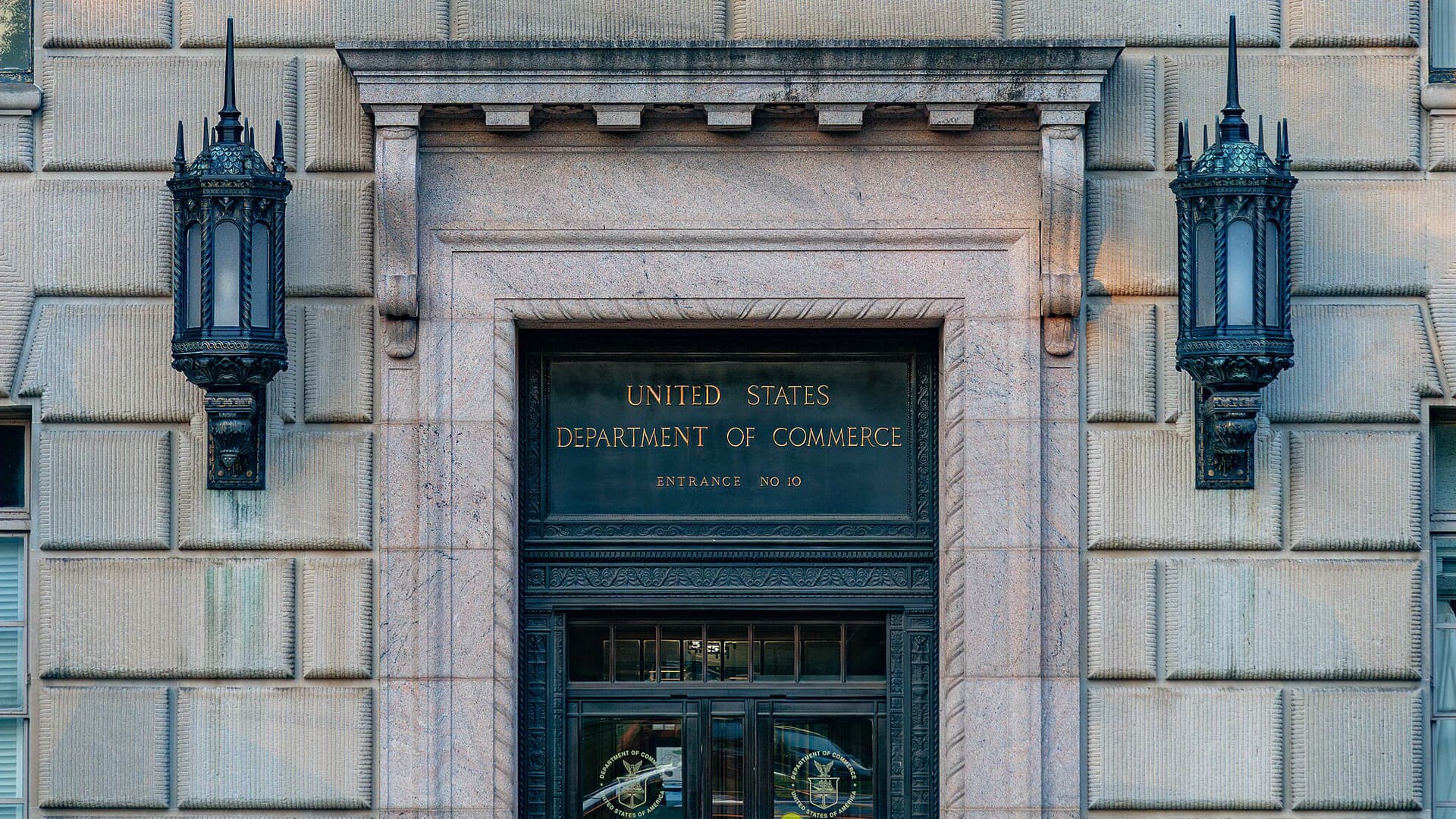
The oversight push is moving in parallel. House China Select Committee Chairman John Moolenaar, R-Mich., Foreign Affairs Chairman Brian Mast, R-Fla., and Intelligence Chairman Rick Crawford, R-Ark., have asked Huang for a closed-door transcribed interview on Dec. 1 and Nvidia General Counsel Tim Teter for one on Dec. 2. Mast also asked Jeffrey Kessler, the Commerce Department's under secretary for industry and security, to appear at a hearing on Dec. 3.
Photos: Wikimedia Commons
Have a story, event or announcement of your own?Send us your news on WhatsApp
Spotted an error in this story?Report it on WhatsApp
Share on all social platforms
Sponsored Ads
Featured Listings
Loading featured properties...
Stay Updated with Ally Daily
Subscribe to be informed about special news, developments and announcements. We will keep you informed.
By signing up, you agree to our Privacy Policy