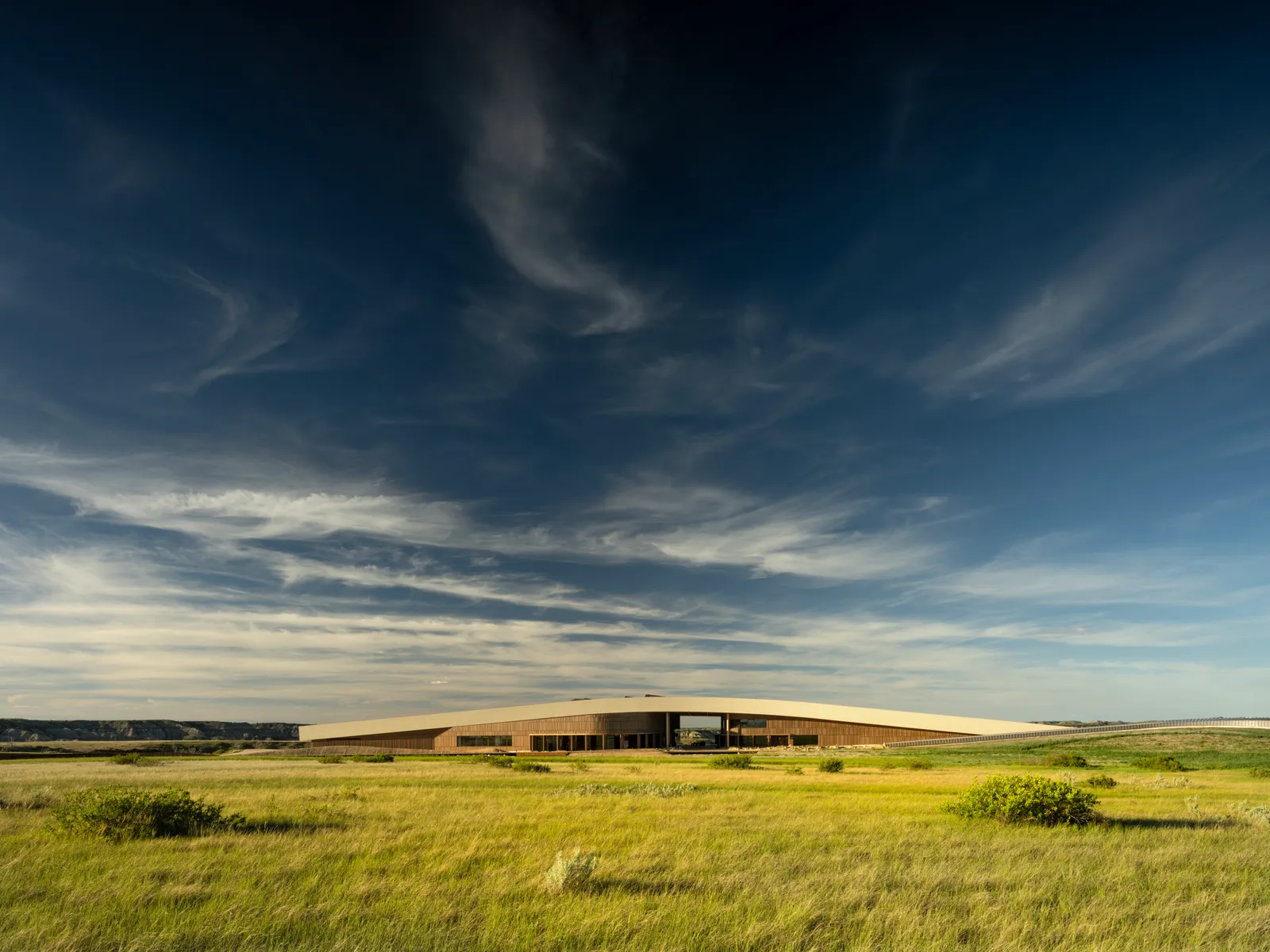
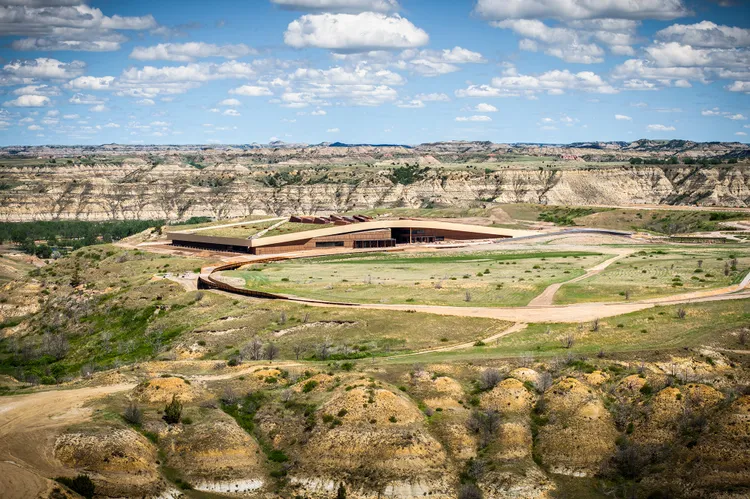
A new presidential library celebrating the life and enduring conservation legacy of the 26th US President Theodore Roosevelt has opened in the Badlands region of North Dakota. The Theodore Roosevelt Presidential Library opened its doors in early July in Medora, as a 9,000-square-meter complex right next to Theodore Roosevelt National Park.
The museum sheds light on a period that marked a turning point in Roosevelt's presidential journey. In 1884, while serving as a New York state assemblyman, Roosevelt lost both his wife Alice and his mother Mittie on the same day. This tragedy occurred just two days after the birth of his first daughter, Alice.
After the devastation, Roosevelt left politics and settled in North Dakota, where he had previously come for bison hunting. In the region known as the Badlands, famous for its steep cliffs and colorful rock formations, he spent two years cattle ranching. This period allowed him to forge a deep connection with nature and lay the foundations of his conservationist philosophy. In his memoirs, Roosevelt stated, ‘I would never have become president if it had not been for my experience in North Dakota.’
History meets artificial intelligence and digital archives
The library offers an extensive multimedia exhibition spanning Roosevelt's childhood to his presidency, from his service in the “Rough Riders” cavalry unit during the Spanish-American War to his travels in Africa and the Amazon. One of the most poignant items on display is the journal entry he wrote after his wife and mother's deaths: “the light has gone out of my life.”
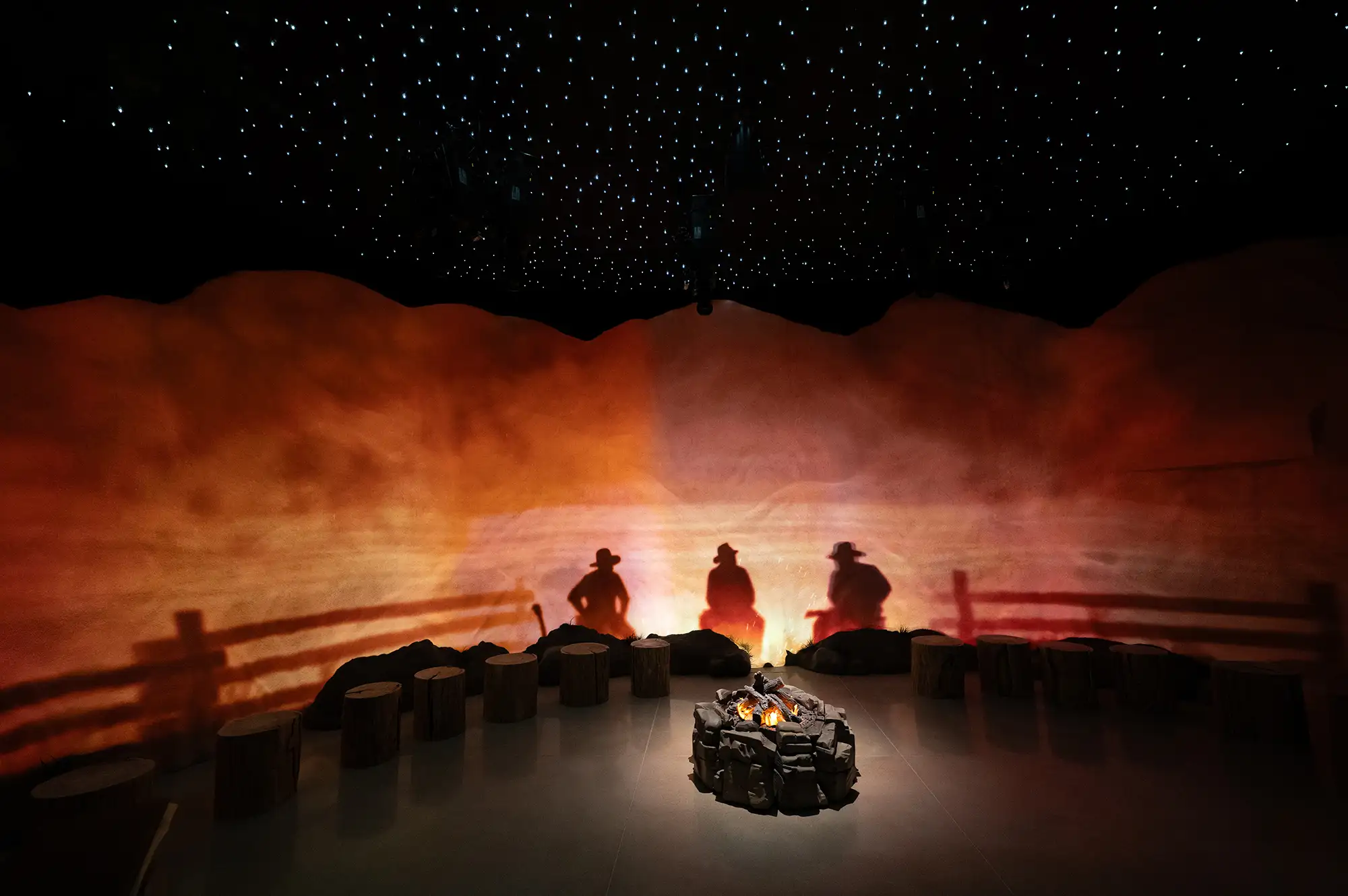
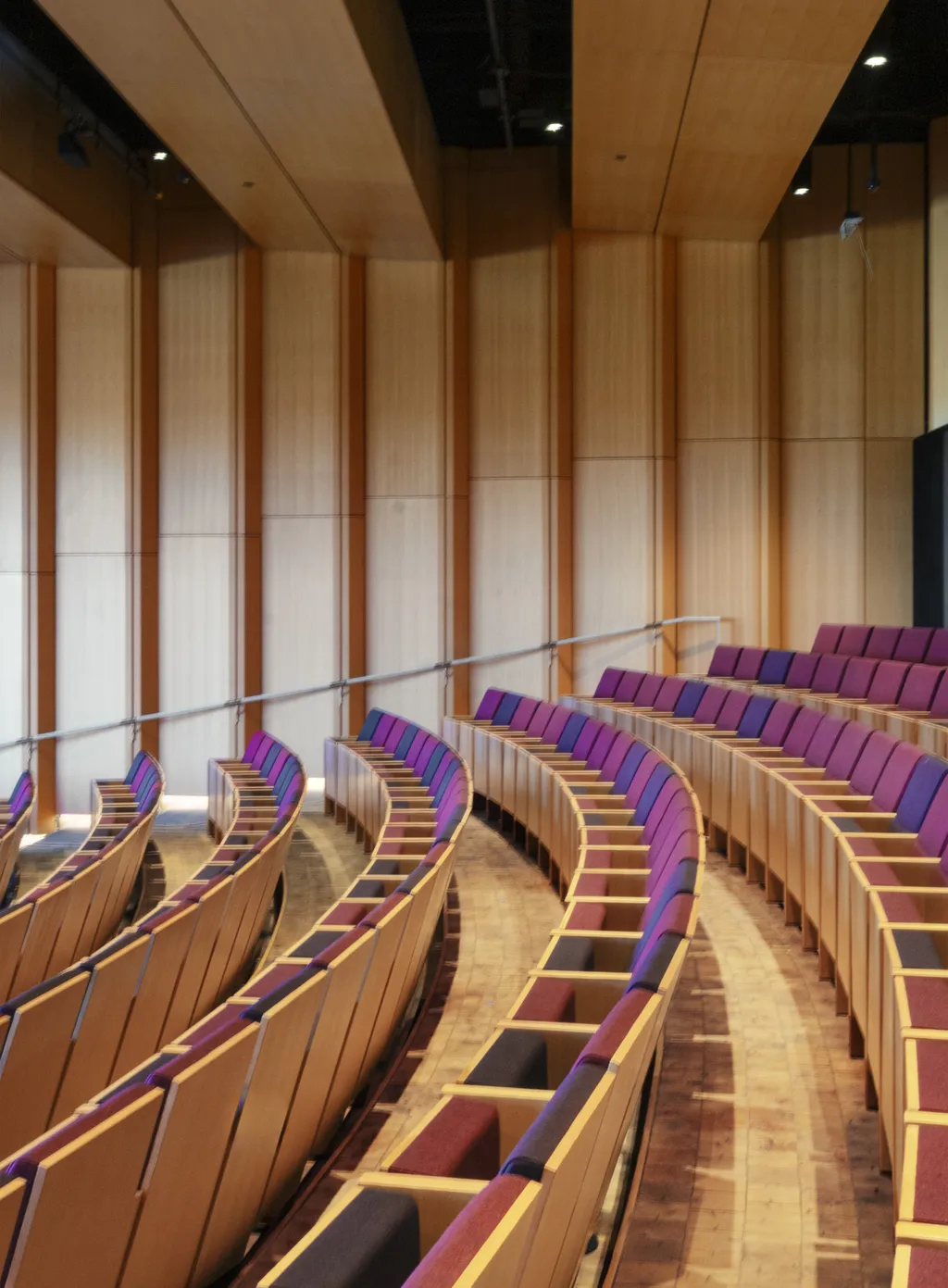
Visitors can chat with a digital Theodore Roosevelt created through artificial intelligence technology and participate in an interactive experience called “Run Your Own Presidential Campaign.” The museum also features a recreation of Roosevelt's Elkhorn Ranch in the Badlands and an area where visitors can listen to Western stories around a virtual campfire.
Senior collections curator Sue Sarna noted that previously, Roosevelt's letters, photographs, and manuscripts were scattered across 30 different institutions, including the Library of Congress, Harvard University, and the National Park Service archives. Thanks to a collaboration with Microsoft and the Theodore Roosevelt Center, all these materials have been brought together digitally for the first time.
The legacy of the architect of America's national parks
During his presidency, Roosevelt signed the 1906 Antiquities Act into law, giving the president the authority to designate federal lands as national monuments. This law laid the foundation for iconic national parks such as the Grand Canyon and Acadia. Library CEO Ed O'Keefe said, “Nature was a healing path for him. Thanks to his decisions, places emerged that everyone can visit today.”
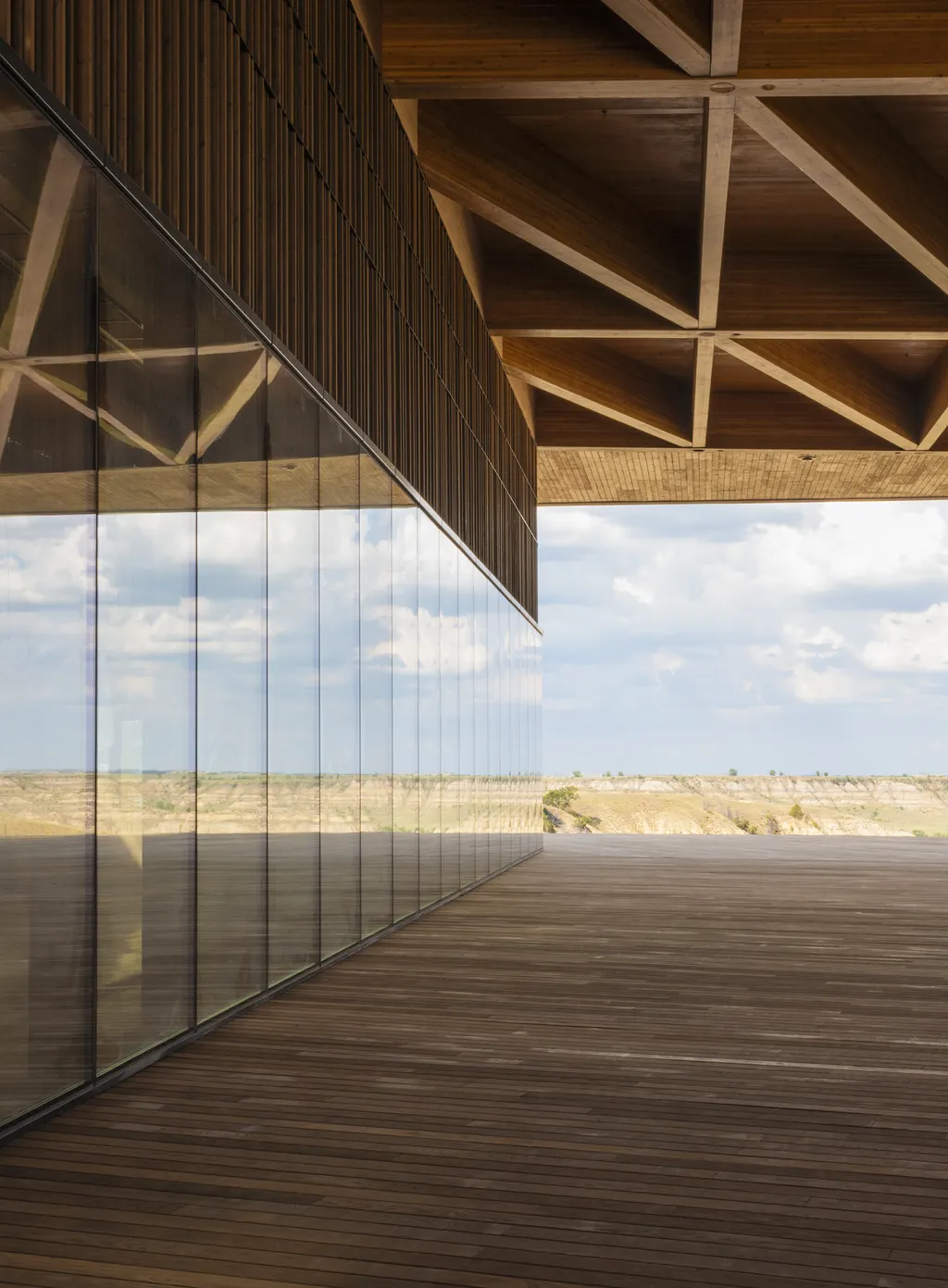
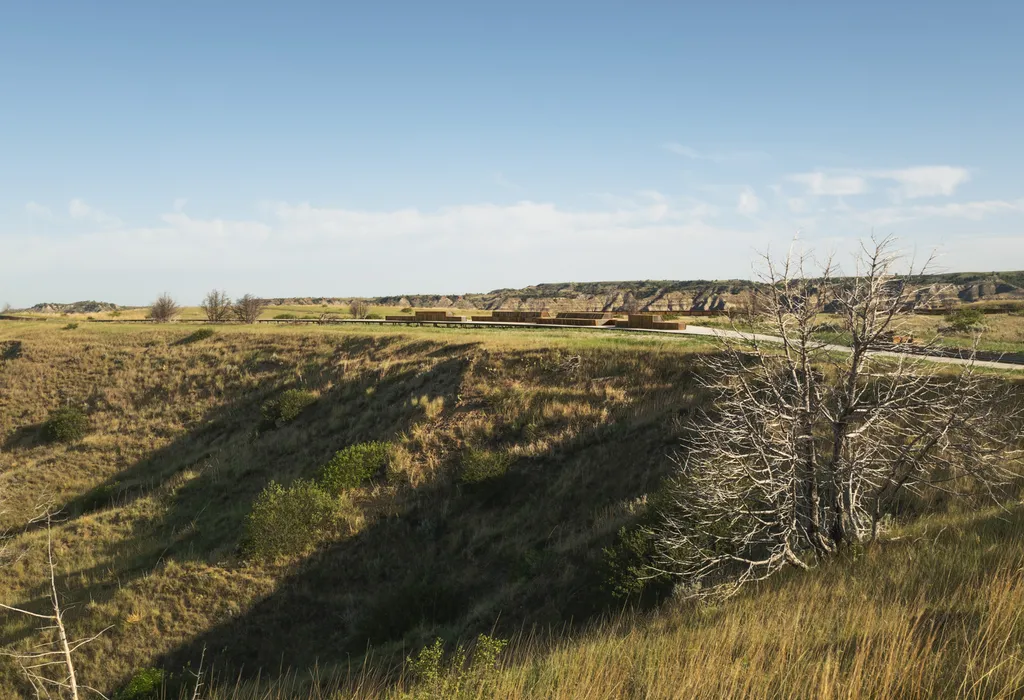
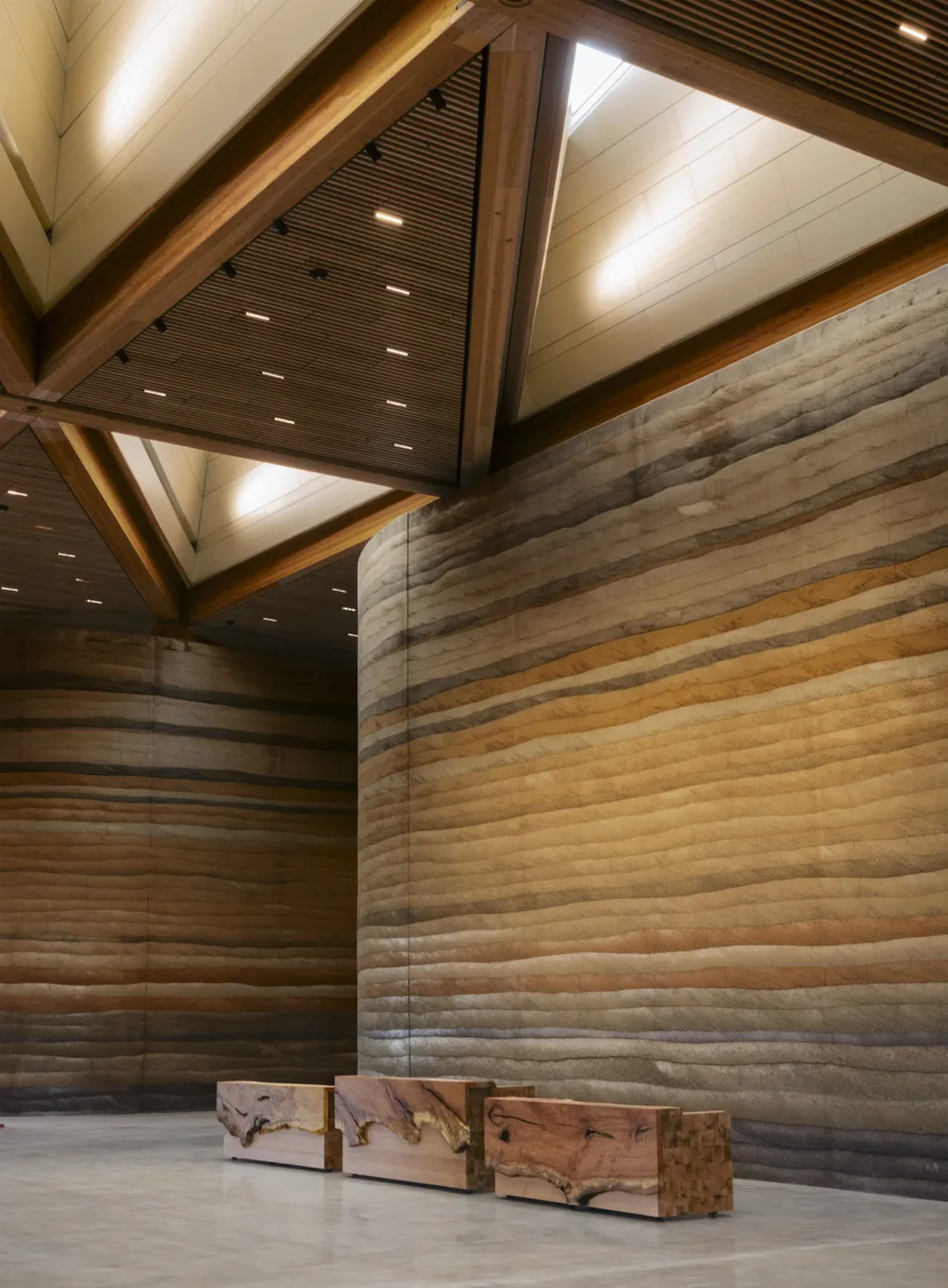
The museum building features an environmentally harmonious design. Its roof is covered with native prairie grasses, and it was built using rammed earth and local timber. Outside, there is a roughly 1.5-kilometer wooden boardwalk overlooking the Badlands landscape, observation decks, and a hammock where visitors can lie down.
The Theodore Roosevelt Presidential Library will host history presentations and lectures throughout the summer as part of the 250th anniversary celebrations of the founding of the United States.