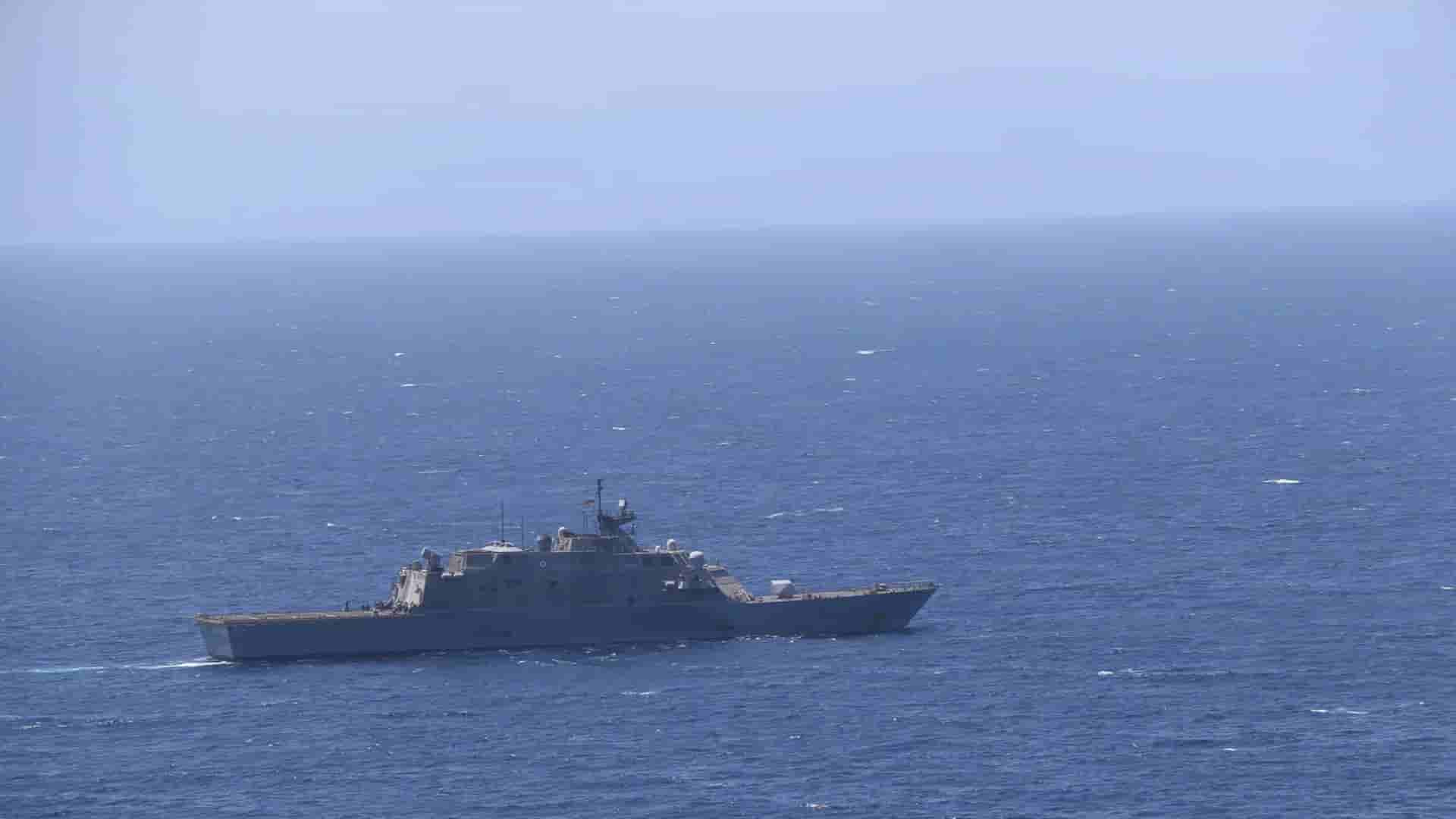
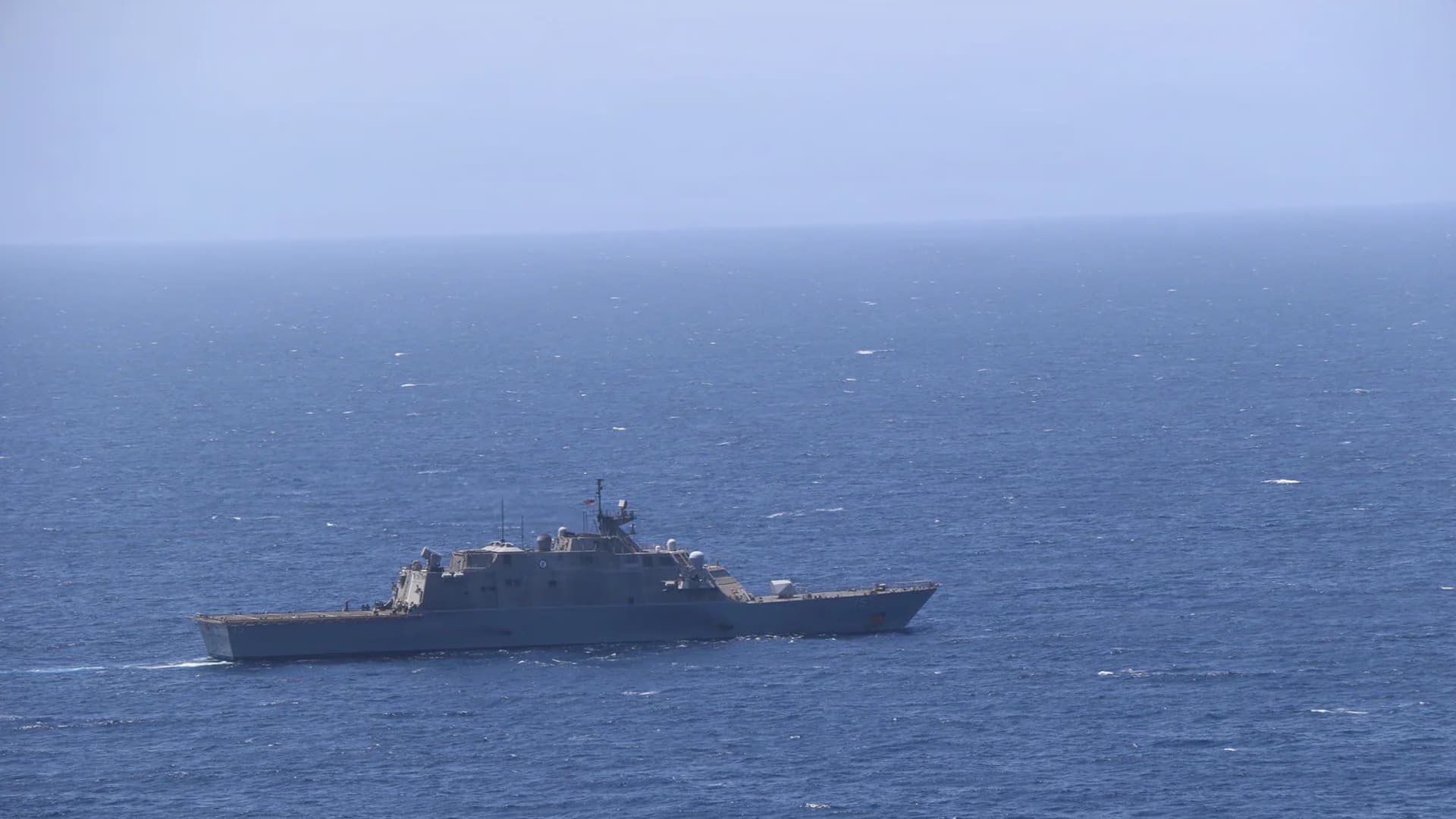
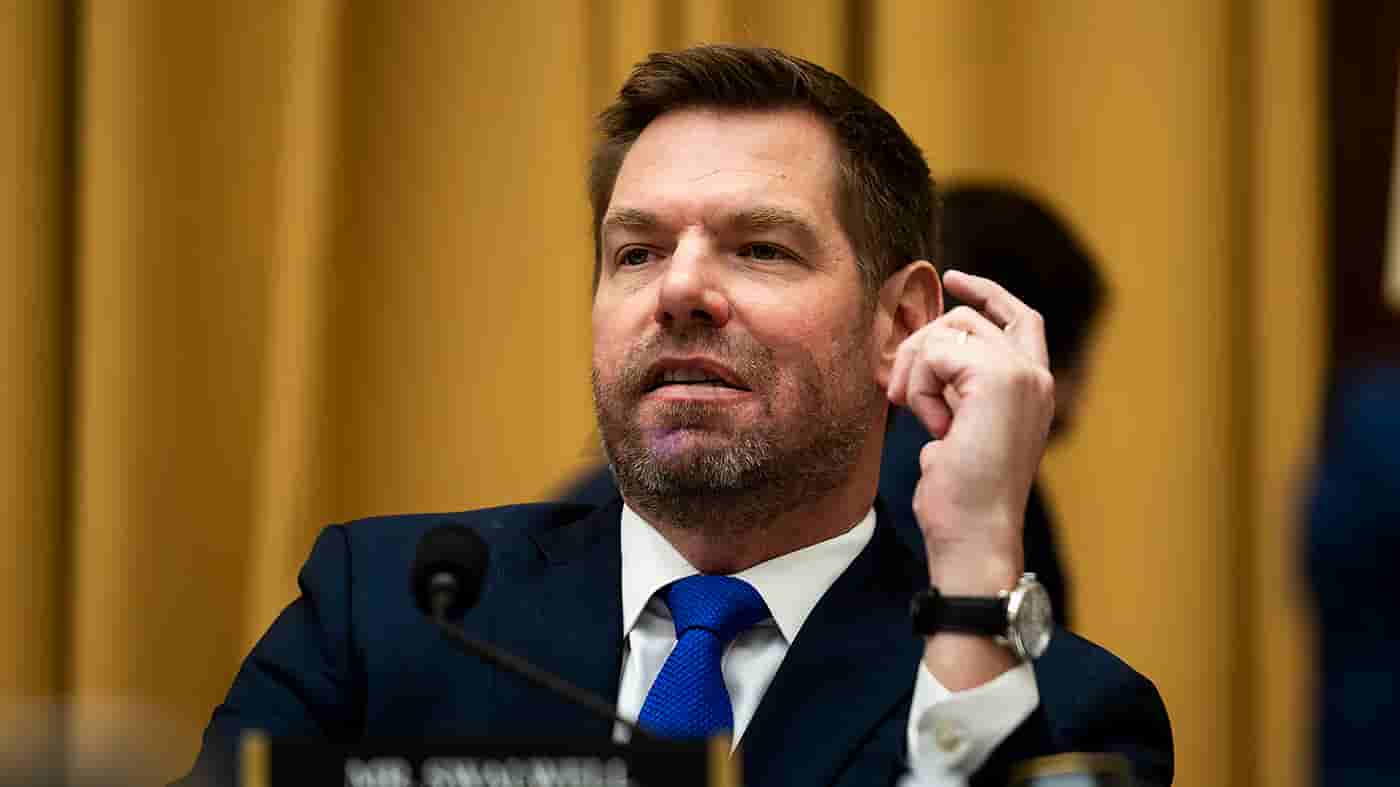
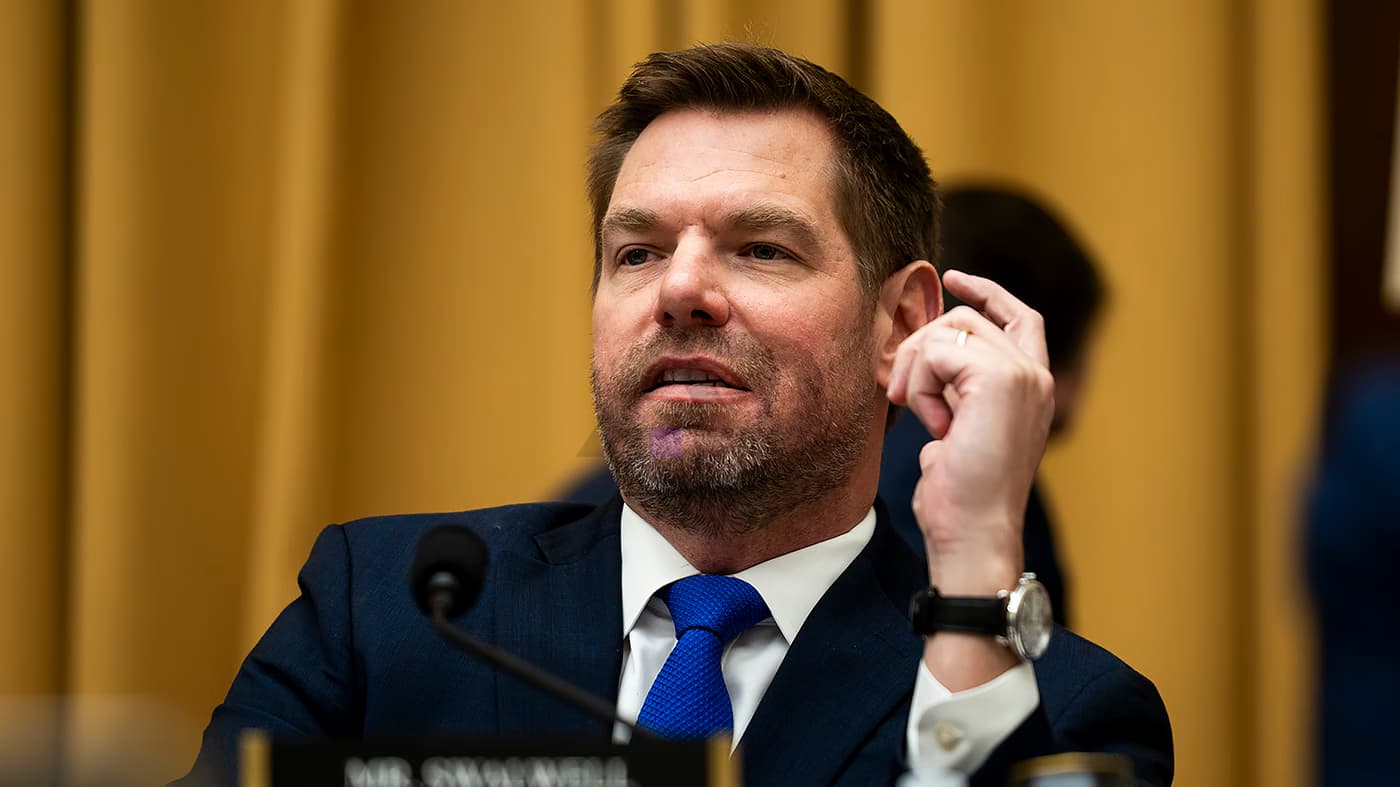
The Trump administration is negotiating an agreement with Venezuela that could lay the foundation for a long-term U.S. military presence in the country, The New York Times reported on Tuesday, citing U.S. officials. According to the Times, Washington and Caracas are working on a status of forces agreement, the legal framework that governs the presence of foreign troops and their legal standing in a host country.
Such a deal would go well beyond the temporary relief deployments of recent months. The terms of the talks have not been made public, and neither government has commented on how many troops could be stationed in Venezuela or where.
From regime change to troop talks
The negotiations cap a dramatic year in U.S.-Venezuelan relations. On Jan. 3, U.S. forces struck Venezuela and captured President Nicolás Maduro, after which President Donald Trump said Washington would "run" the country. Delcy Rodríguez, Maduro's vice president, was sworn in as acting president two days later and has since moved toward closer ties with the United States.

After a series of earthquakes struck Venezuela on June 24, U.S. forces supported the American disaster relief effort there, according to the U.S. Navy. In October, Washington lifted sanctions on Jorge Rodríguez, the head of Venezuela's National Assembly and the acting president's brother, Bloomberg reported, a further sign of the thaw.
Trump: 'We're looking at doing a lot of things'
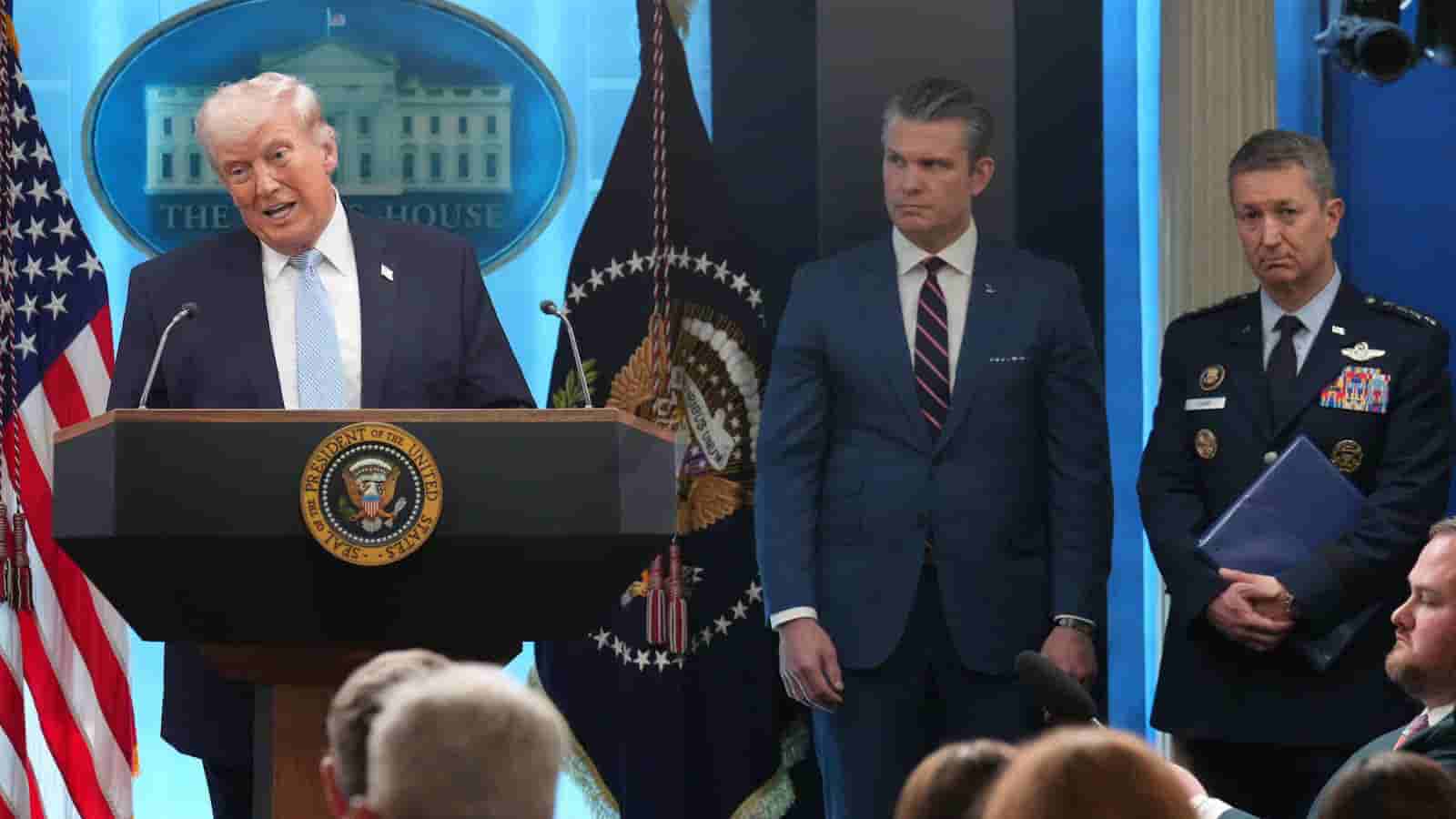
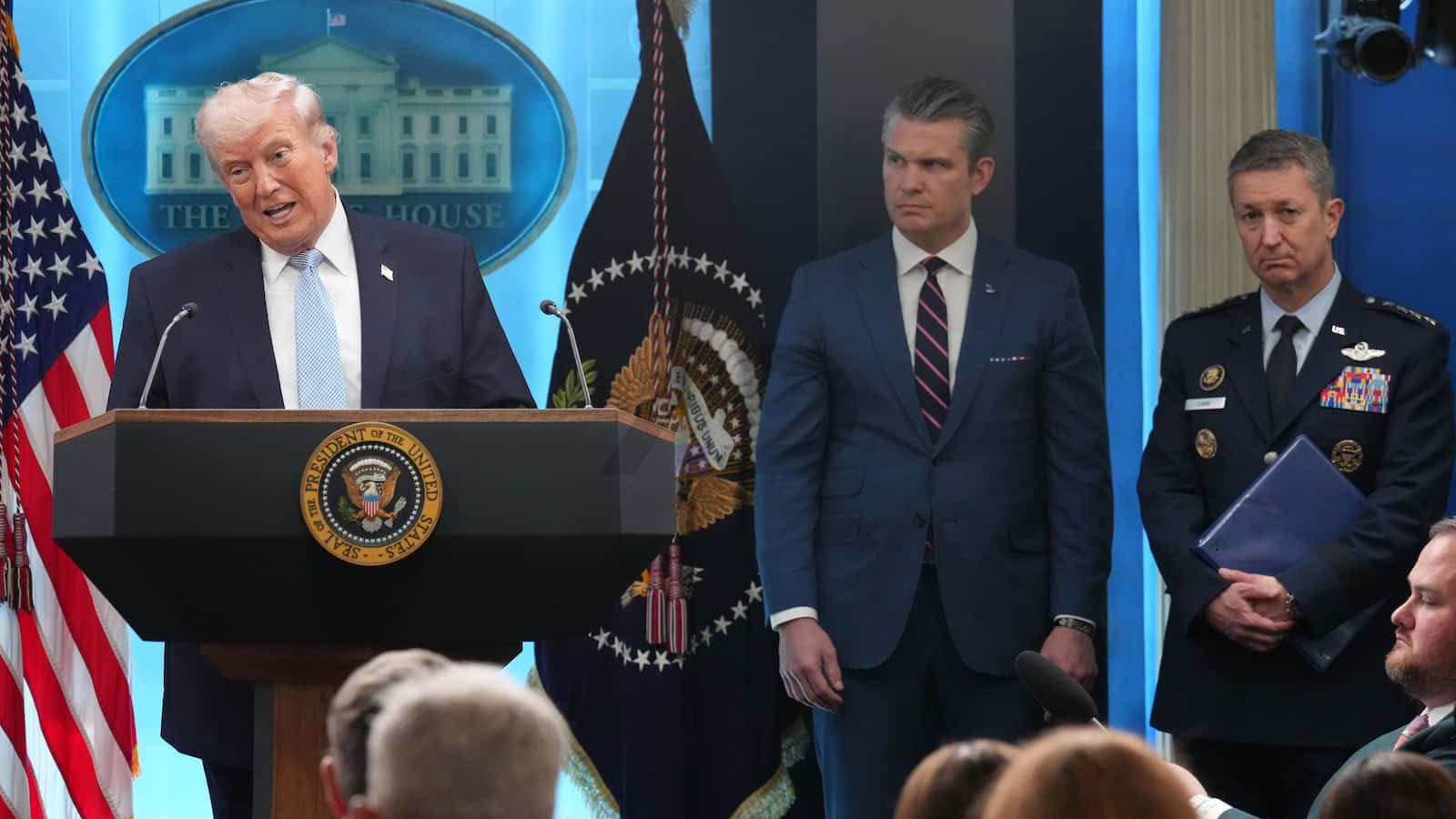
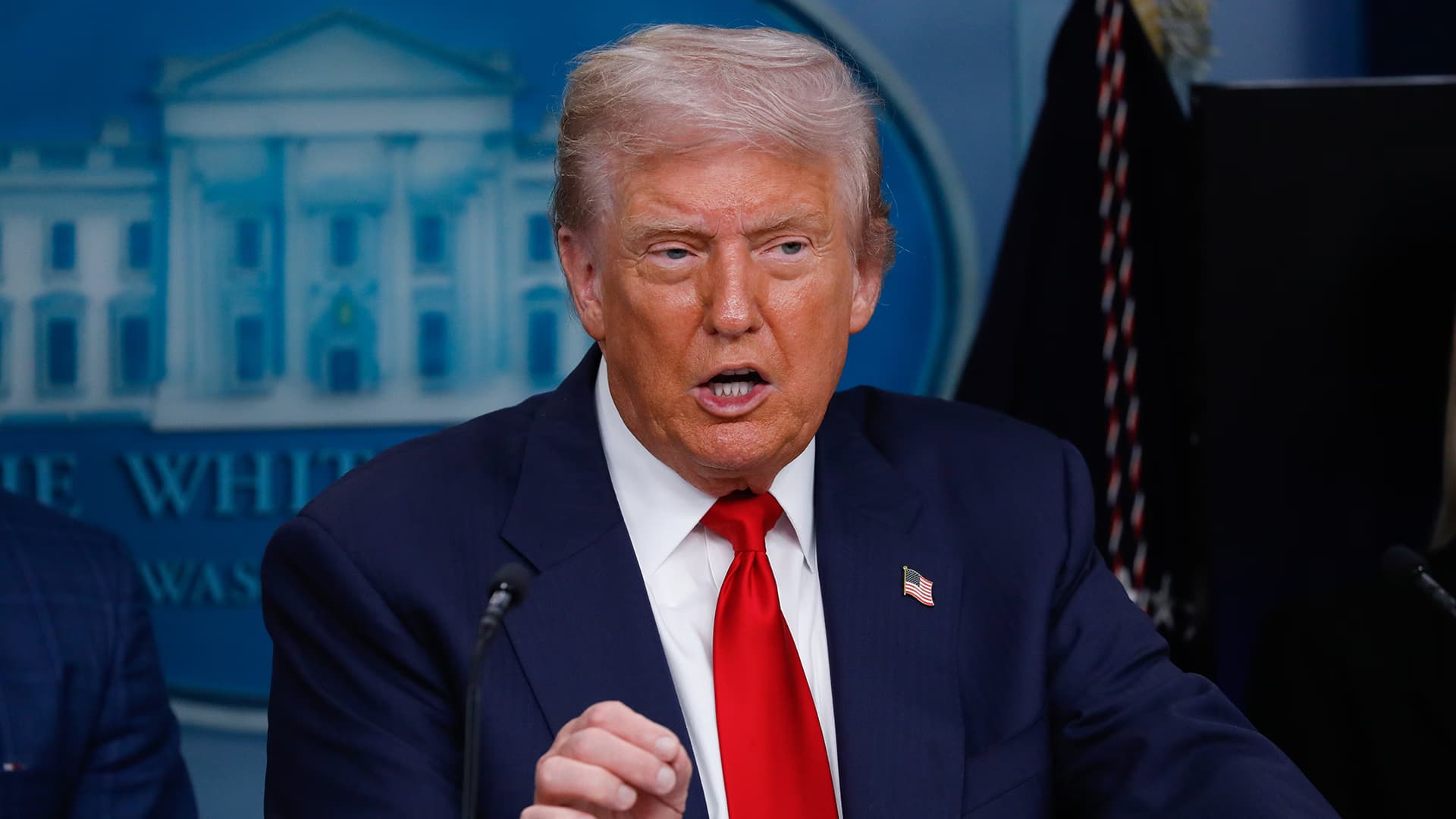
Trump has openly floated a lasting military footprint in the region. Asked on Oct. 1 about a possible base in Venezuela or elsewhere in South America, he said, "We're looking at doing a lot of things," adding: "We're getting along very well, as you know. And Venezuela — it's been a great situation. The people are happy, and I'm very happy. And we're taking a lot of oil, and we have a great relationship." Secretary of State Marco Rubio said in September, during a visit to Colombia, that the administration was studying a U.S. or joint facility there: "If it's not a military base, it's a joint base, or a facility that both countries can use."
Supporters of a regional base argue it could aid surveillance, counternarcotics operations, maritime security and logistics, and limit Chinese, Russian and Iranian influence in Latin America. The Times report rests on unnamed officials, and the details of any final agreement remain unclear.
Photos: U.S. Navy (file), Wikimedia Commons