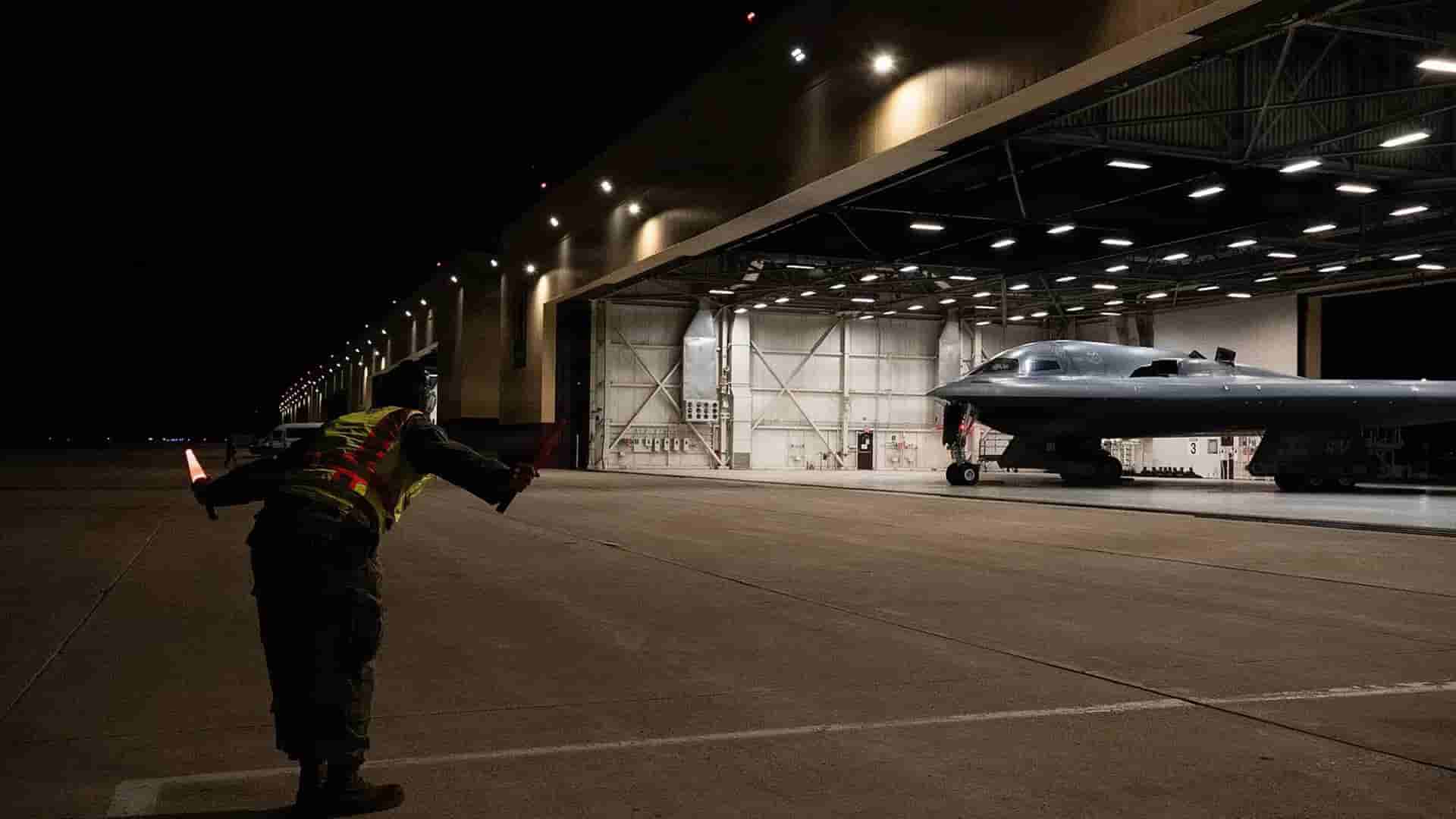
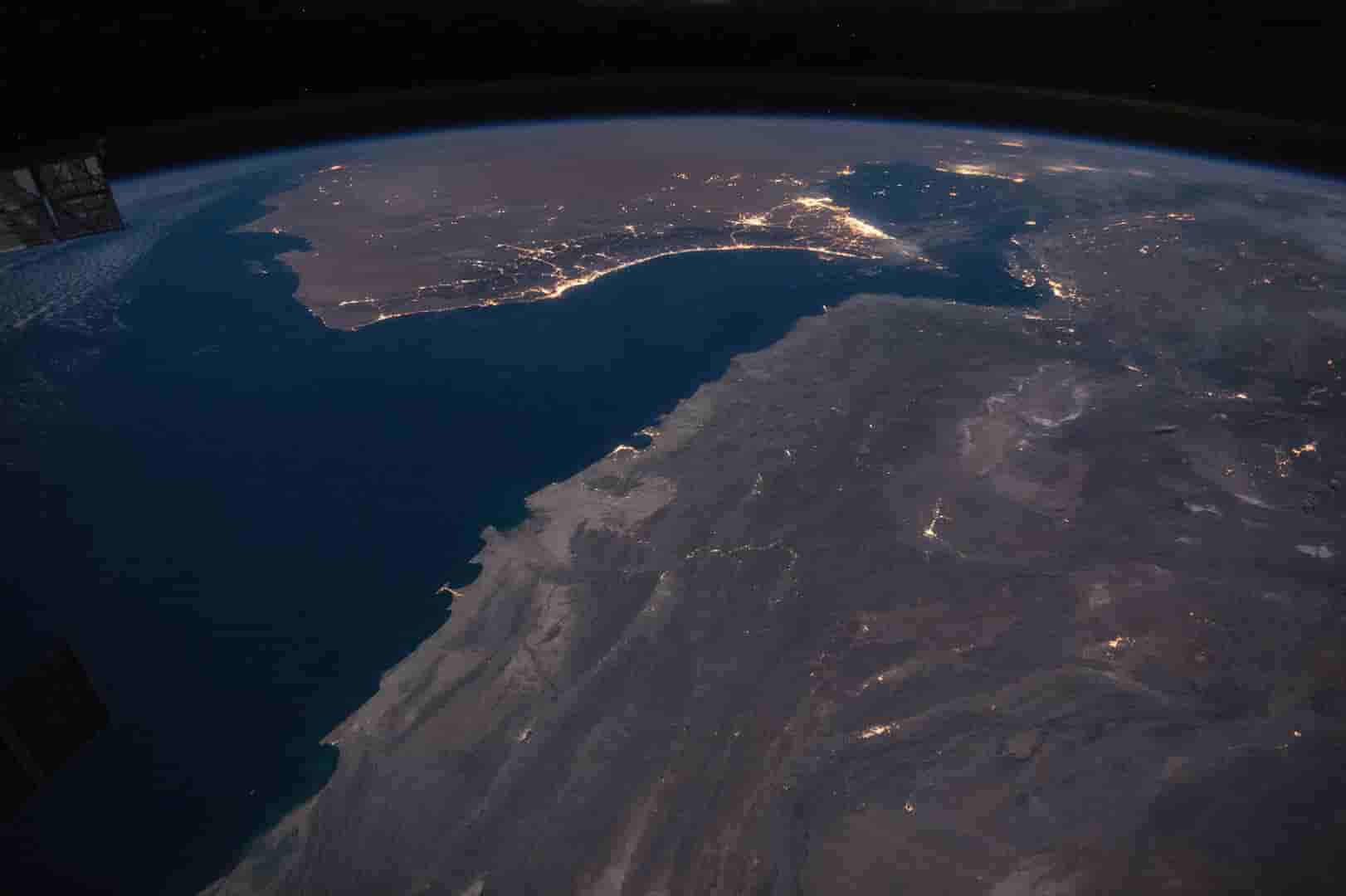
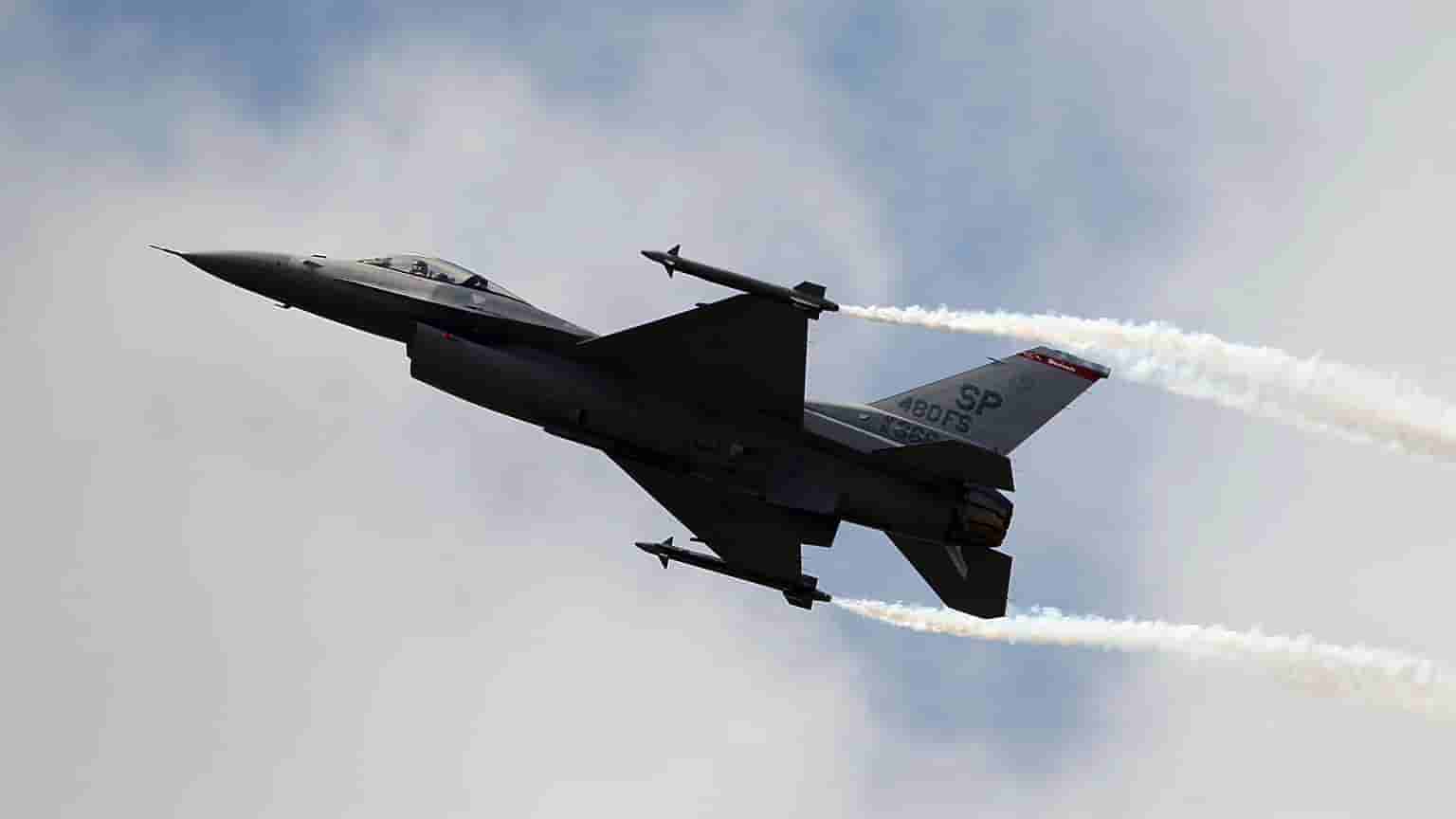
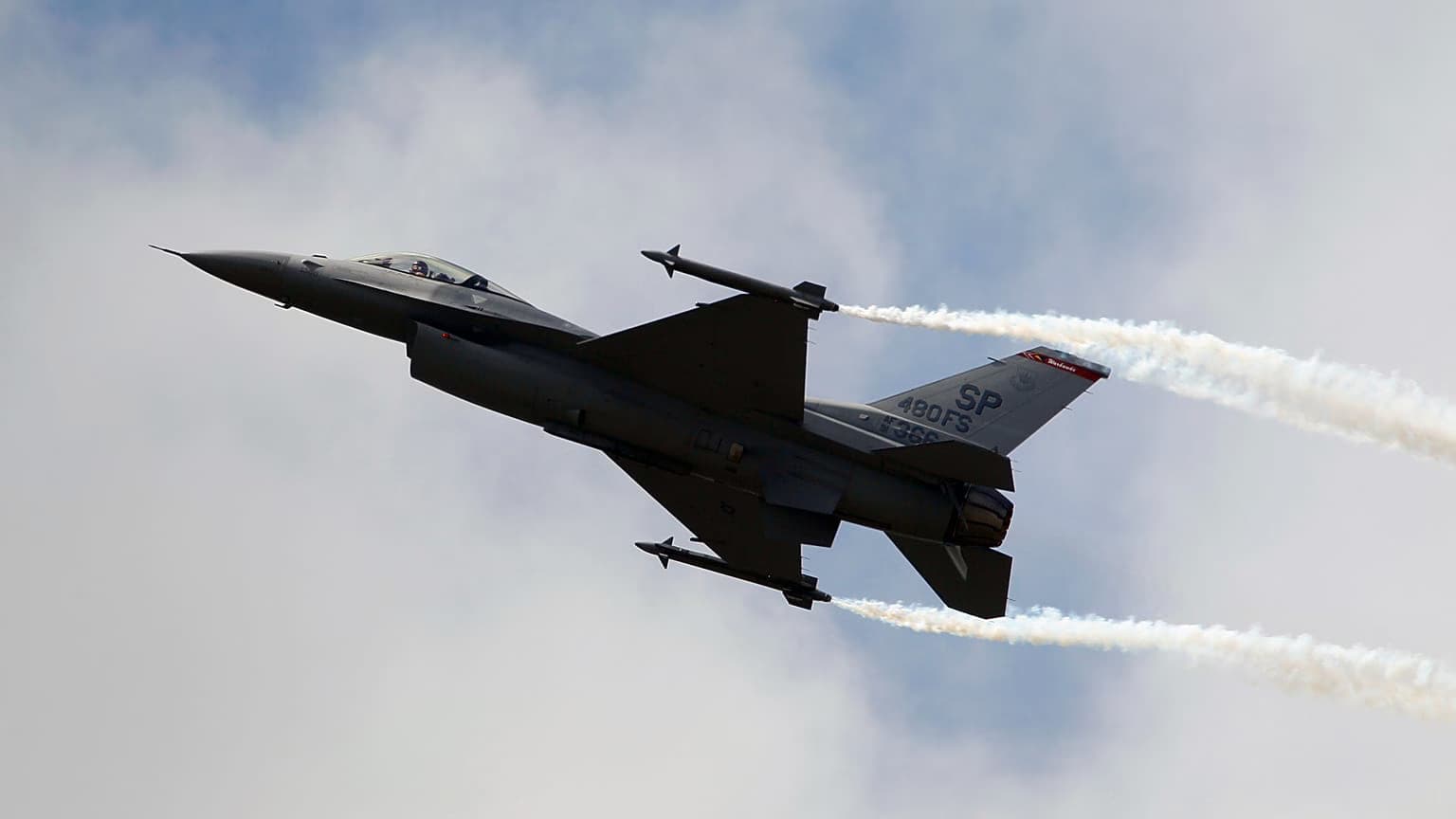
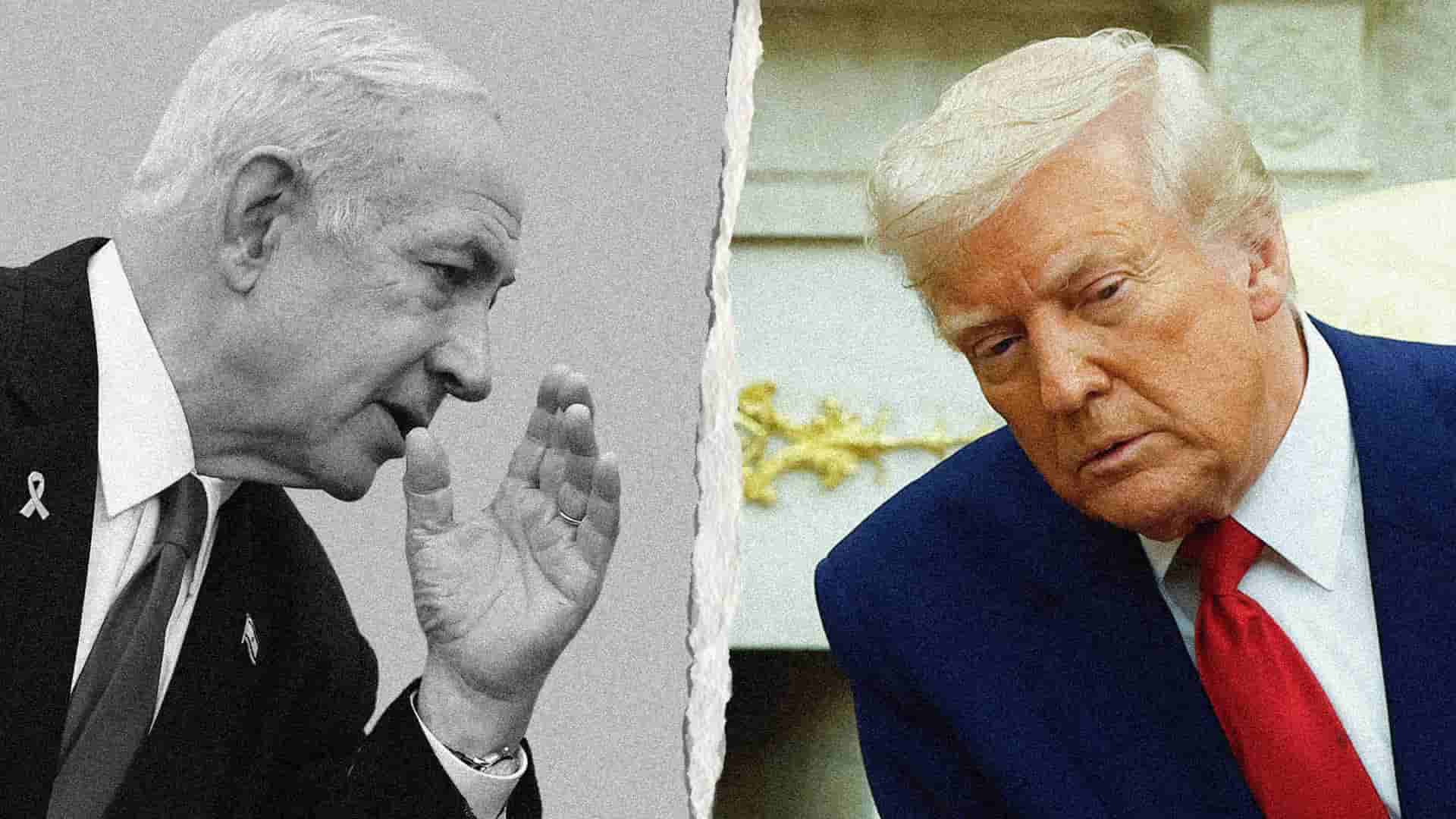
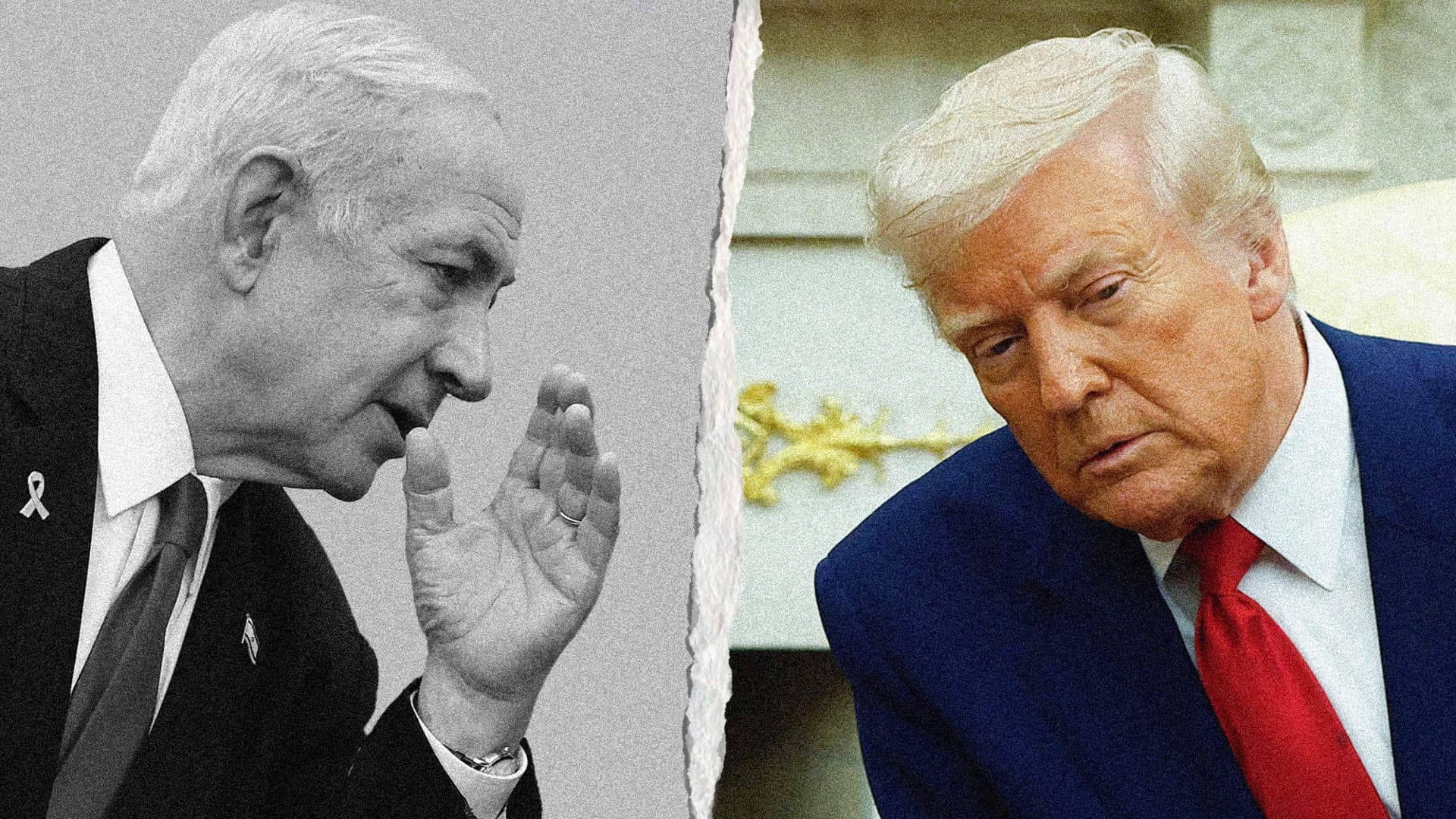
The U.S. military is preparing for a possible strike on Iran that could come as early as Wednesday, the day after the midterm elections, The New York Times reported on Tuesday, citing American officials. According to the Times, U.S. Central Command has a plan for strikes that would begin once three American aircraft carriers are in the region. Any attack would require President Donald Trump's approval, and the White House has not announced a decision.
The timing is tight. One of the three carriers is due to return to its home port after early November, narrowing the window, and the moonless nights of early November would offer cover favorable to U.S. operations, according to accounts of the report. In an earlier story on Oct. 21, the Times said American and Israeli planners had drawn up options for strikes after the U.S. election, with Iran's energy, nuclear and missile sites among the likely targets.
Israel's chemical weapons warning
The Times also reported that Israel has shared intelligence with Washington asserting that Iran is considering using chemical weapons against its adversaries. The information was met with alarm by some U.S. officials and deep skepticism by others, some of whom see it as part of a pressure campaign by Prime Minister Benjamin Netanyahu's government to push the administration back into major combat. Netanyahu has been pressing for further strikes once the midterms are over.
Gulf allies told to brace
The report follows a Wall Street Journal account that Washington had urged several Gulf Arab states to prepare for a "short but intense military campaign" after the election. The Journal said a Patriot air defense battery was being moved from Texas to the region, U.S. troops were being relocated away from bases considered vulnerable to Iranian attack, munitions had been replenished, and an additional carrier strike group and a Marine expeditionary force were expected to join roughly 20 U.S. warships already in the region.
Trump said in early October that the United States would not attack Iran before the midterms. On Monday, U.S. forces carried out what officials described as limited "defensive" strikes on Iran's Qeshm Island, which Trump played down on Tuesday: "It was just a minor attack. It wasn't war." He has also said there is "a very good chance we make a deal."
Diplomacy on a knife's edge
Qatari and Omani mediators are still trying to broker an agreement, but the gap remains wide. Mohsen Rezaei, secretary of Iran's Supreme National Security Council, said on Tuesday that Washington's reply to Tehran's demands was "not convincing" and that the Strait of Hormuz would remain closed until all seven of Iran's conditions are met.
Photos: U.S. Air Force (file), Iran International