- BIST10011,333+2.81%
- USD50.03+0.05%
- EUR56.26+0.56%
- GOLD4,104.80+0.78%
- INTEREST36.00%-1.00
- BITCOIN76,792-4.52%
- November 5, 202621°
- BIST10011,333+2.81%
- USD50.03+0.05%
- EUR56.26+0.56%
- GOLD4,104.80+0.78%
- INTEREST36.00%-1.00
- BITCOIN76,792-4.52%
- November 5, 202621°
Paraguay seizes its biggest digital bank, locking 3 million out of their money
Paraguay's Central Bank has put Ueno Bank, the country's largest digital lender, into a resolution procedure after its solvency collapsed, freezing access for about 3 million customers. Eight executives were detained, the central bank chief resigned and protesters took to the streets of Asunción.
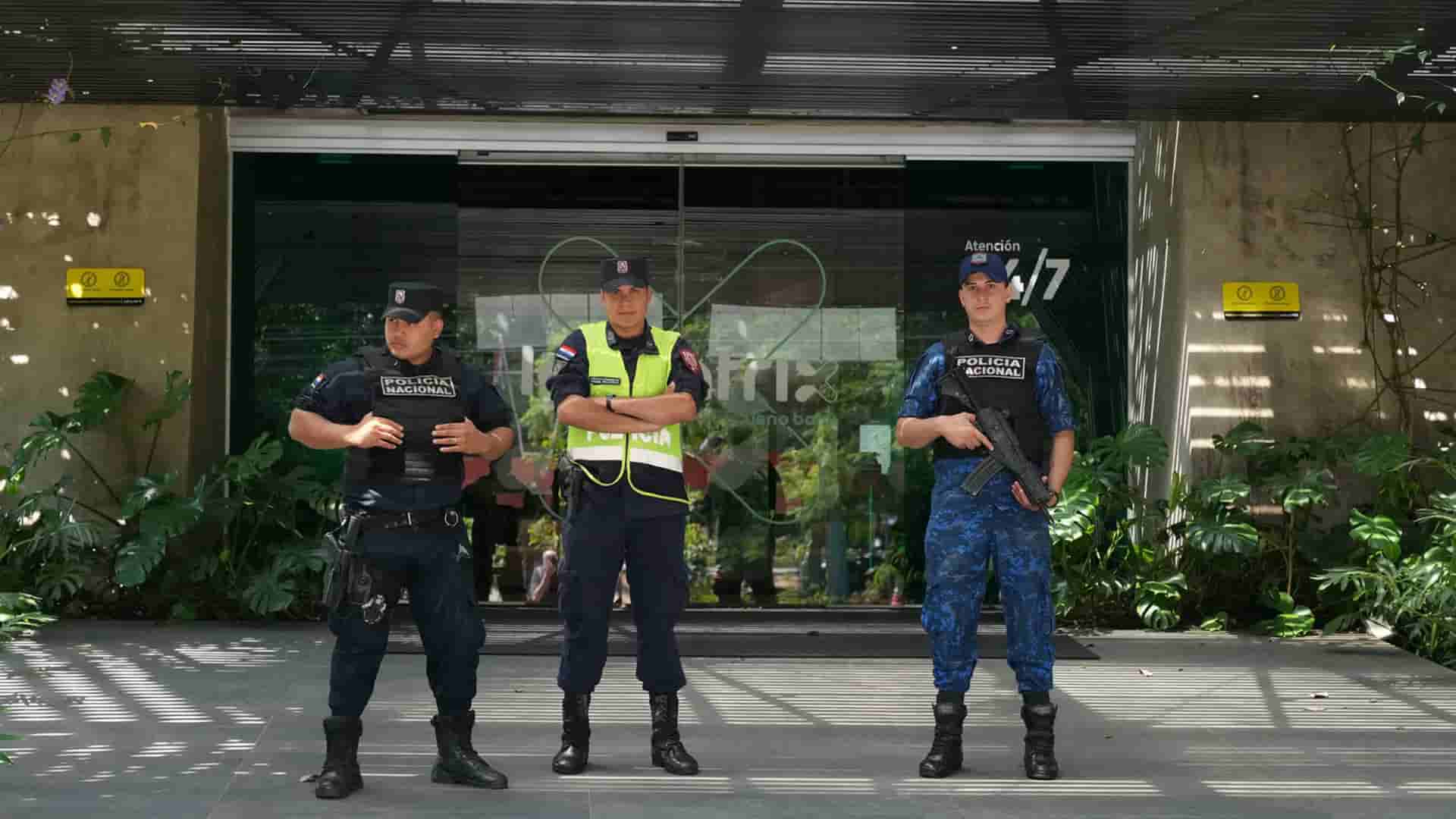
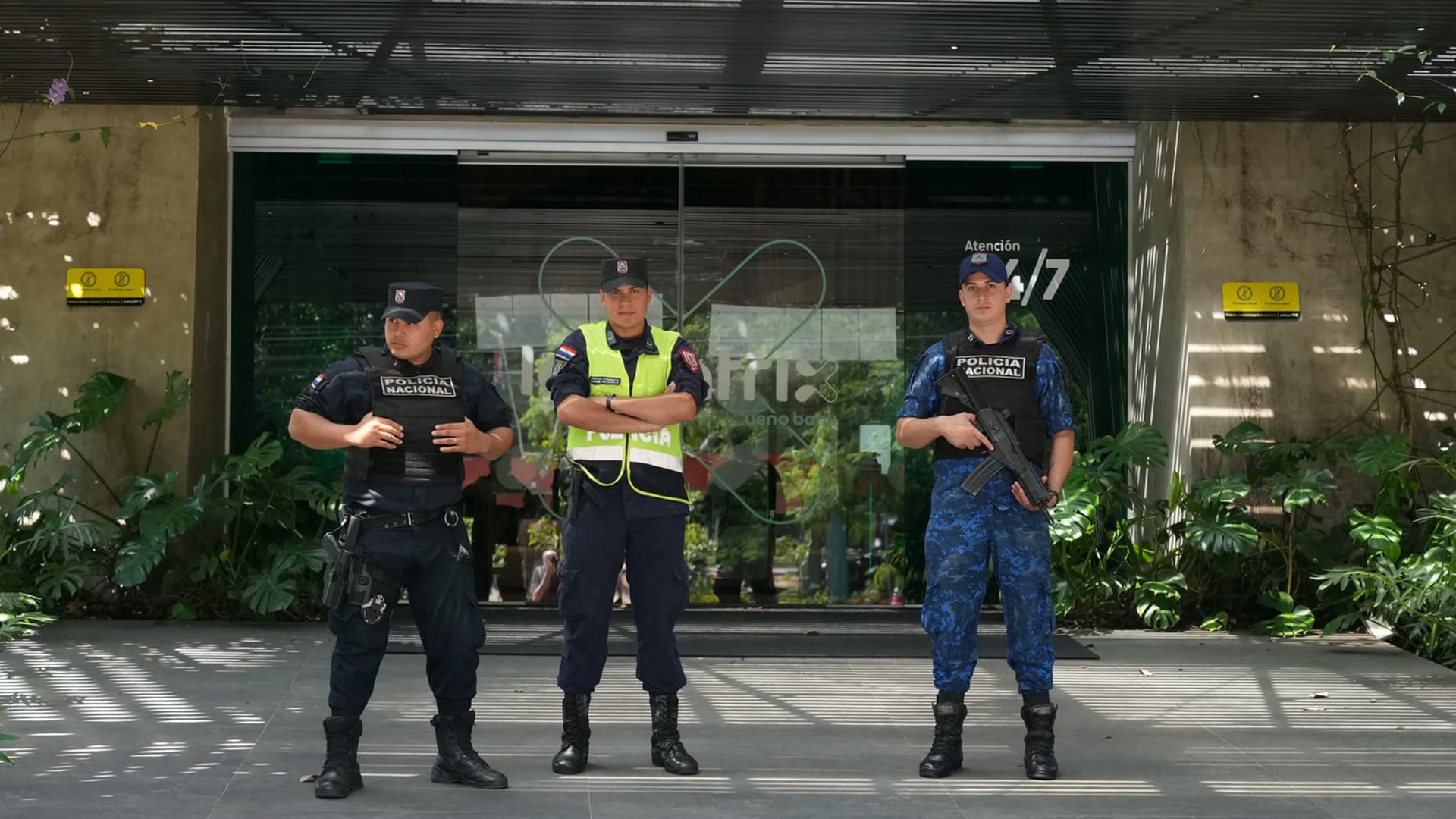
Paraguay's Central Bank (BCP) has taken control of Ueno Bank, the country's largest digital bank, after its solvency ratio collapsed, leaving roughly 3 million customers — about 60% of the country's adults, according to Latin Times — unable to reach their money. The bank's app, debit and credit cards stopped working on the morning of Nov. 3, and customers could not check balances, withdraw cash or make payments, Asunción Times reported.
The BCP board voted unanimously on Monday, Nov. 2, to open a bank resolution procedure. Ueno's solvency ratio had fallen to 5.56%, less than half the 12% regulatory minimum, Argentina's La Nación reported, citing inspections that found weak credit-risk assessment and lending to companies linked to the bank's shareholders, the Grupo Vázquez.
Protests in Asunción
By Tuesday night, hundreds of protesters had gathered in central Asunción — near the National Pantheon of Heroes and outside the presidential residence — and some planned a vigil near Congress, Latin Times reported. Organizer Jorge Ramírez told EFE that customers had been left without wages or basic financial services. Deposits are guaranteed up to 228.3 million guaraníes (about $38,000) per depositor, which the central bank says covers some 97% of savers; around 87,000 people with larger balances may struggle to recover the rest, according to La Nación.
Arrests, resignation and a president under pressure
Prosecutors detained eight executives, including founder Federico Vázquez Villasanti and bank president Juan Manuel Gustale, on suspicion of breach of trust, and courts froze $70 million and 1.62 trillion guaraníes in assets, La Nación said. Central Bank President Carlos Carvallo — who previously chaired Ueno's predecessor, Financiera Ueno, according to Latin Times — resigned at the request of President Santiago Peña, saying "the central bank needs calm to do its job." Liana Caballero is serving as interim chief.
The scandal has reached Peña himself, who was a shareholder of Ueno Holding until 2025. He insists it is a problem specific to Ueno and not a systemic crisis, while opposition lawmakers are preparing an impeachment motion against him and Vice President Pedro Alliana. Public money is also at stake: about $380 million of the state pension fund IPS was held in Ueno bonds and deposits, and total public funds at the bank are estimated at $800 million to $850 million.
Video: social media. Photo: provided
Stay Updated with Ally Daily
Subscribe to be informed about special news, developments and announcements. We will keep you informed.
By signing up, you agree to our Privacy Policy