- BIST10011,152+0.31%
- USD49.65+0.05%
- EUR55.60-0.19%
- GOLD4,031.00+0.58%
- INTEREST36.00%-1.00
- BITCOIN79,991-0.06%
- October 27, 202620°
- BIST10011,152+0.31%
- USD49.65+0.05%
- EUR55.60-0.19%
- GOLD4,031.00+0.58%
- INTEREST36.00%-1.00
- BITCOIN79,991-0.06%
- October 27, 202620°
Starbucks tells customers in China to buy something before taking a seat
Starbucks has ended open seating at its roughly 8,000 stores in China, asking visitors to make a purchase before sitting down, with some branches limiting stays to 90 minutes.
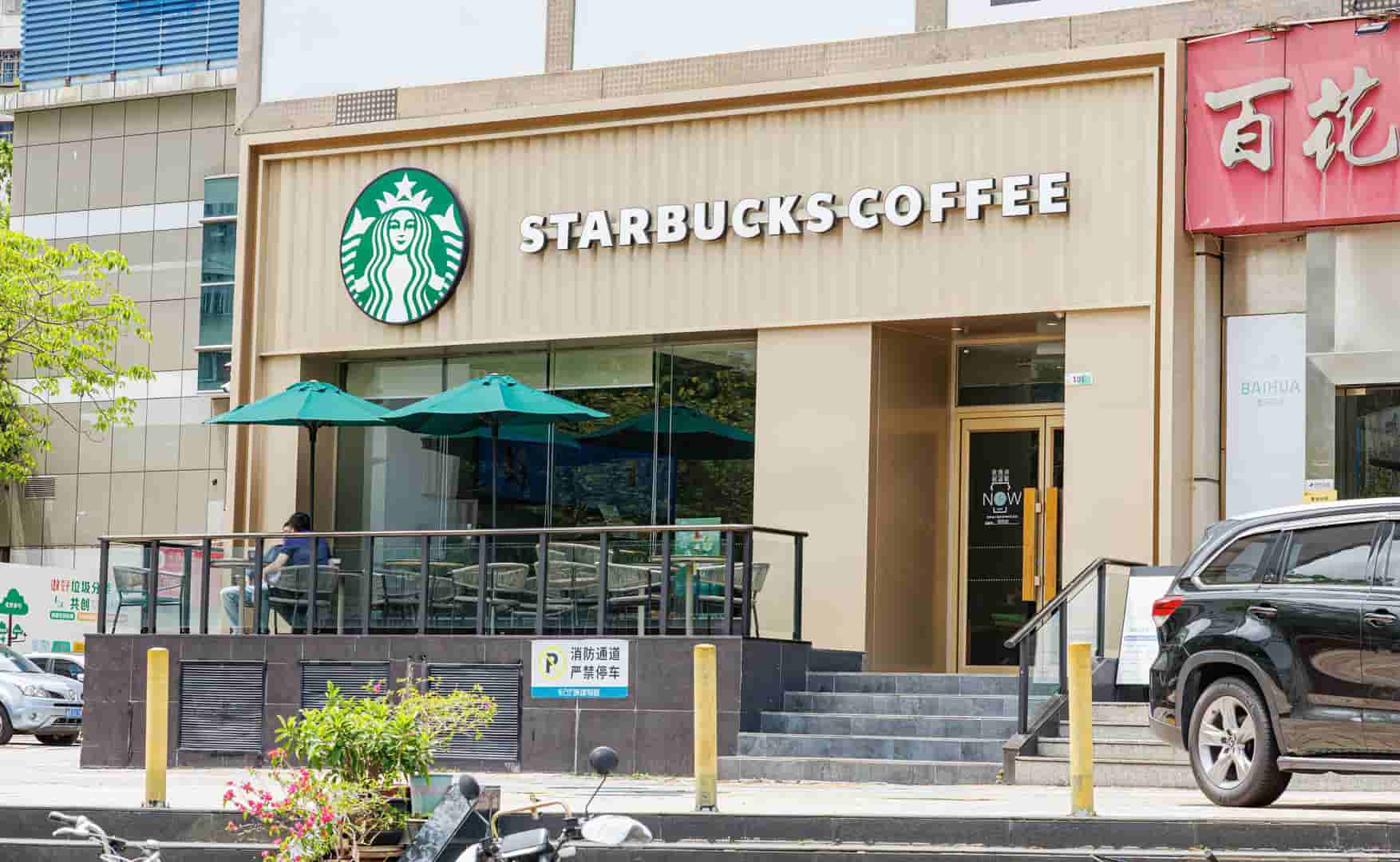
Starbucks has ended its long-standing open-seating practice in China, asking visitors at its roughly 8,000 stores in the country to buy something before sitting down. Signs at branches describe the cafés as commercial spaces and ask visitors to make a purchase first.
Some branches have gone further, requiring at least one purchase between 11 a.m. and 6 p.m. and limiting visits to 90 minutes. Pregnant women, people with mobility difficulties, delivery workers, people sheltering from rain and on-duty security personnel are exempt.
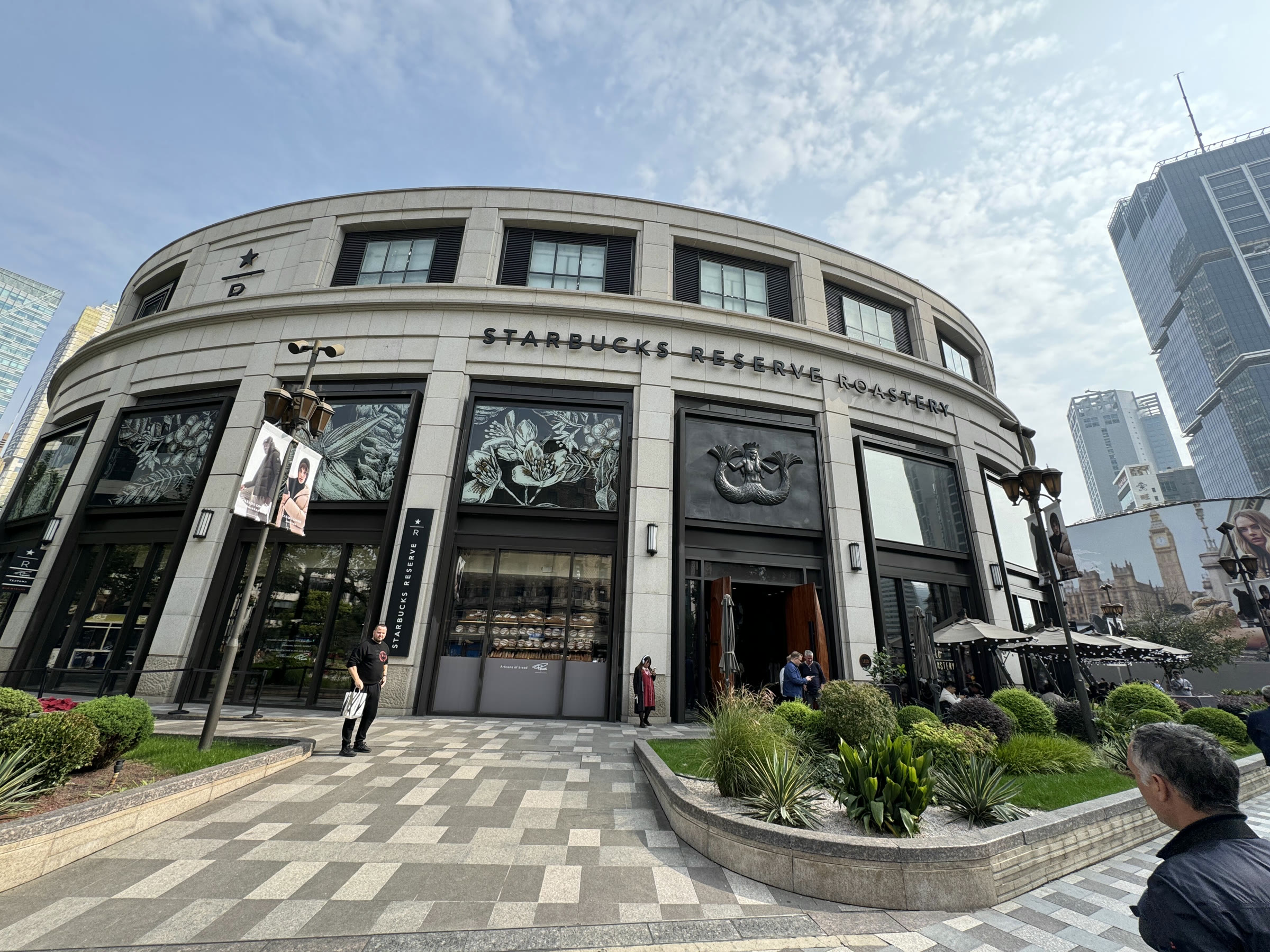
Starbucks said the change aims to improve the customer experience while preserving its identity as a "third place." Surveys cited in local reports found about 70% of respondents supported the restrictions, though Tang Jiansheng, deputy secretary-general of the Shanghai Consumer Council, said short-term rest facilities should be provided by public services rather than businesses.
The move follows Starbucks' January 2025 decision to reverse its open-door policy in North America, where customers must again make a purchase to use seating, restrooms or Wi-Fi.
Stay Updated with Ally Daily
Subscribe to be informed about special news, developments and announcements. We will keep you informed.
By signing up, you agree to our Privacy Policy