Ten years have passed since the July 15, 2016 coup attempt, orchestrated by Fetullah Gülen, the leader of the Fetullahist Terrorist Organization (FETÖ), from his residence in the US. The bloody uprising aimed at seizing control of Turkey was suppressed in about 21 hours as the public flooded the streets and patriotic security forces resisted.
FETÖ, which had infiltrated state institutions for many years, had previously tried to force the government to back down through various conspiracies. The AK Party's return to power in the November 1, 2015 elections and the purge of organization members from the military through Supreme Military Council (YAŞ) decisions lit the fuse for the coup. The ringleader Fetullah Gülen openly called on soldiers to stage a coup in a speech on March 19, 2016.
After receiving the order, members of the organization began preparations for the coup. FETÖ's civilian leaders traveled to the US starting in December 2015 to meet with Gülen. Domestically, meetings were held at a villa in Ankara's Konutkent district, chaired by Adil Öksüz, the so-called imam of the Turkish Armed Forces. Öksüz and Kemal Batmaz went to the US again on July 11, presented the plan to Gülen, and obtained his approval.
The coup plot was revealed by a tip-off
Hours before the planned attack, a pilot major serving at the Army Aviation Command informed MIT Chief Hakan Fidan that FETÖ members were planning to detain him. This intelligence was relayed to then-Chief of General Staff General Hulusi Akar. Akar ordered all airborne elements to return to base and the airspace to be closed.
However, after the information leaked, the putschists at Akıncı Air Base moved the planned time from 03:00 on July 16 to 20:30 on July 15. Thirty-three maroon berets from the Special Forces Command moved toward the General Staff headquarters. At 21:00, Major General Mehmet Dişli, who informed General Akar of the coup, ordered Akar to be detained when he could not persuade him.
Resistance and martyrs
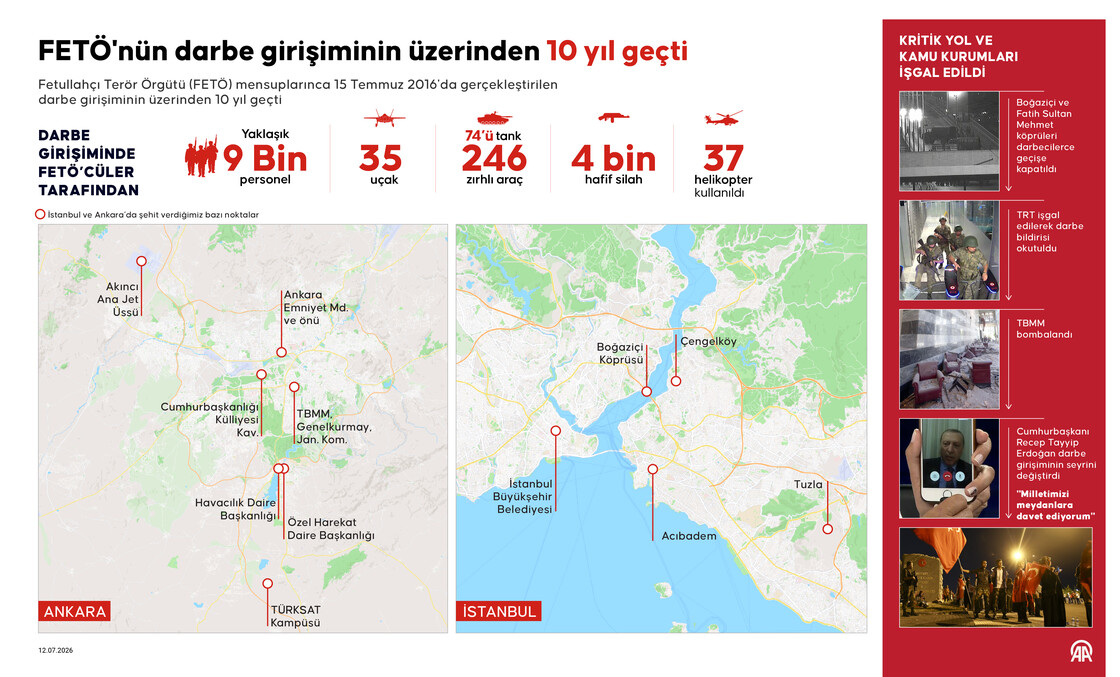
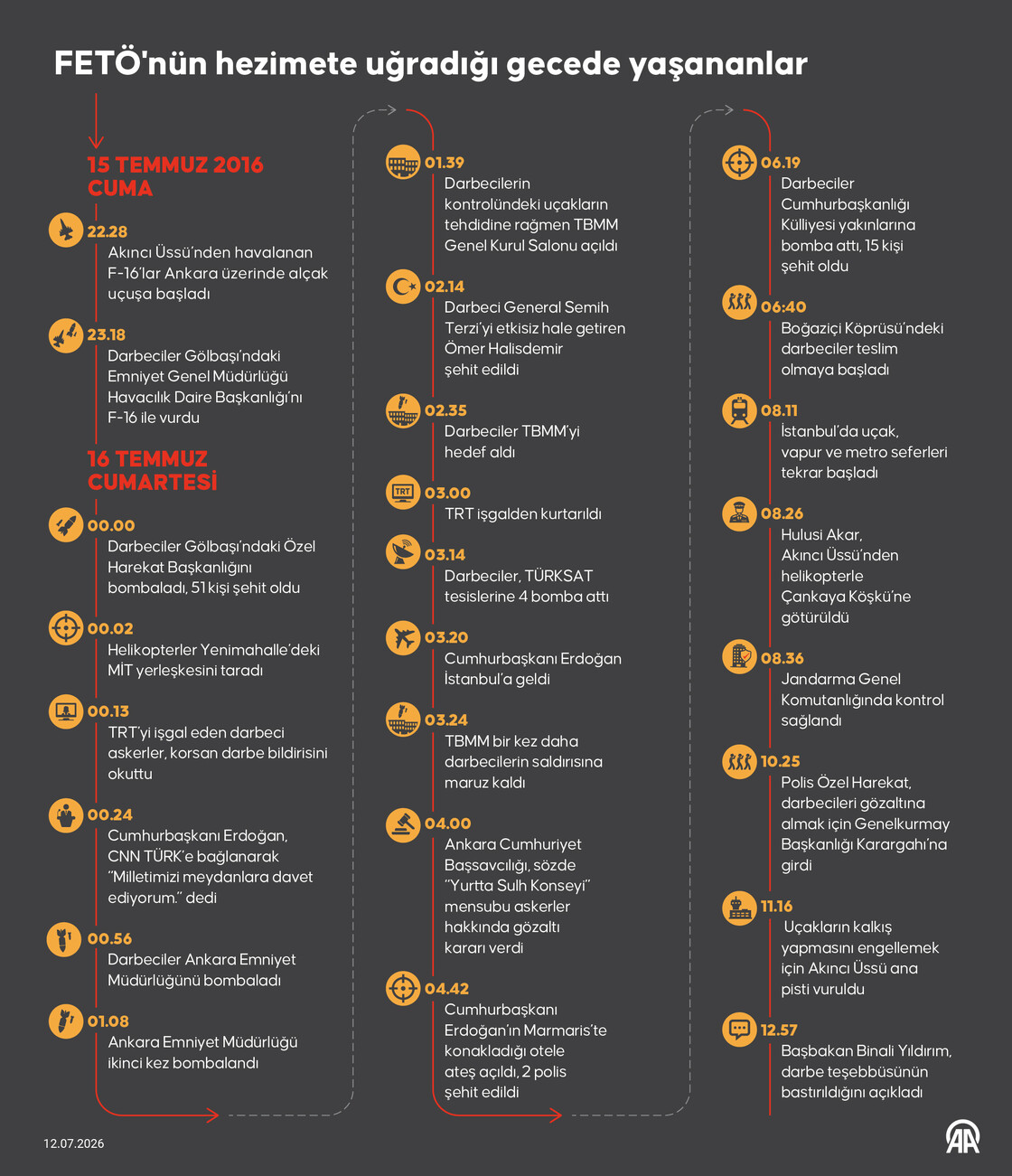
Shortly after the coup attempt began, Bülent Aydın, a protection non-commissioned officer of Land Forces Commander General Salih Zeki Çolak, was martyred by the putschists at the General Staff headquarters, becoming the first martyr of July 15. As F-16s took off from Akıncı Air Base and began low-altitude flights over Ankara, the Bosphorus bridges in Istanbul were closed by soldiers.
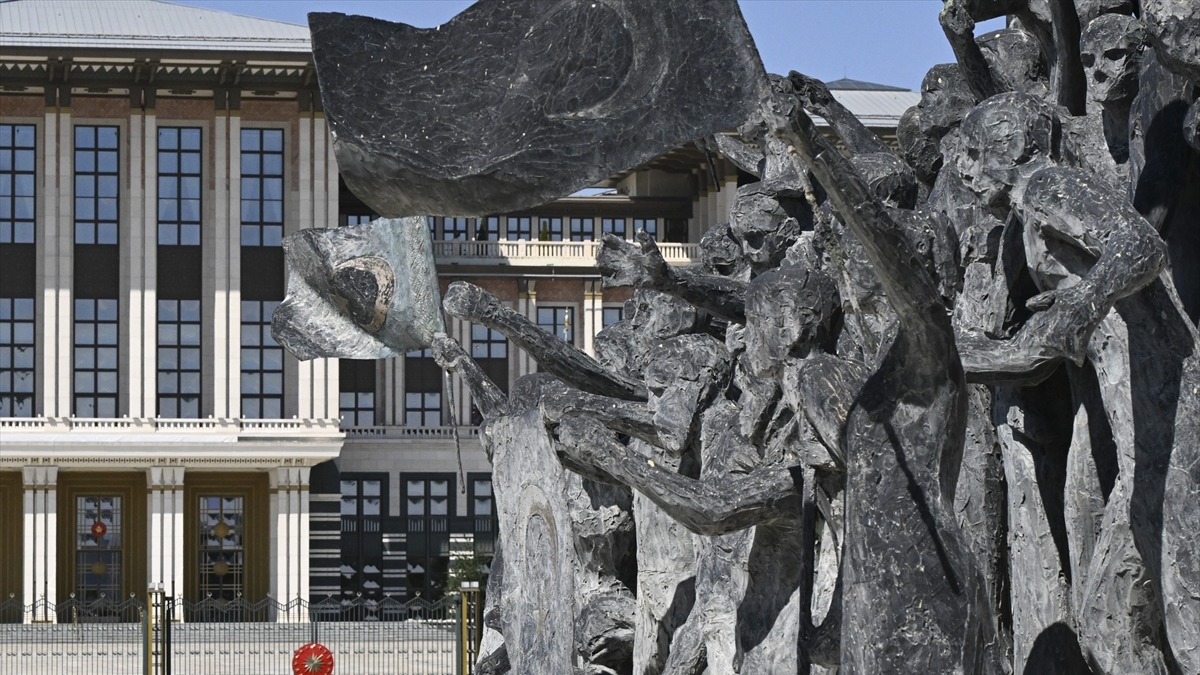
Then-Prime Minister Binali Yıldırım stated at 23:02 that the nation was represented. President Recep Tayyip Erdoğan, in a live connection to CNN Türk at 00:24, called on the public: "I invite our nation to the squares." This call was the most important step that changed the course of events.
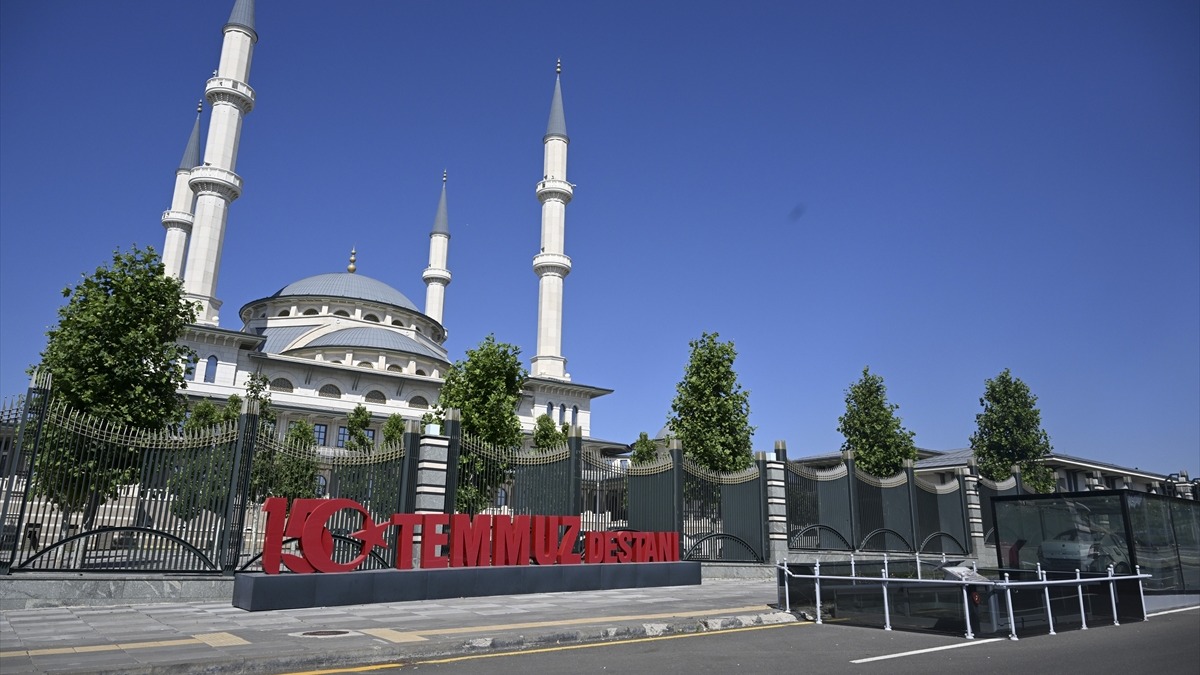
While putschist pilots bombed the Ankara Police Department, nine people were killed when fire was opened from a helicopter on citizens protesting in front of the Gendarmerie General Command. Putschist Brigadier General Semih Terzi, who came from Diyarbakır, was neutralized by Master Sergeant Ömer Halisdemir while trying to seize the Special Forces Command headquarters. Halisdemir also fell as a martyr in this clash.
The Turkish Parliament was bombed for the first time in history
To break the resistance, the putschists targeted the Turkish Grand National Assembly (TBMM). The parliament building was bombed for the first time in history by bombs dropped from an F-16, wounding 32 people. TRT was liberated from occupation by the resistance of citizens and returned to normal broadcasting.
President Erdoğan's landing at Istanbul Atatürk Airport and being greeted by thousands of people greatly boosted morale for the resistance. At 04:00, the Ankara Chief Public Prosecutor's Office issued detention orders for those involved in the coup attempt.
The coup was suppressed
In the morning hours, a plane under the control of the putschists dropped a bomb on the Presidential Complex junction, killing 15 citizens. Prime Minister Yıldırım authorized Lieutenant General Ziya Kemal Kadıoğlu to shoot down the putschists' planes.
At 08:26, Chief of General Staff Akar, who had been detained at Akıncı Air Base, was brought to Çankaya Mansion by helicopter. The main runway of Akıncı Air Base was struck to prevent planes from taking off. At 12:57, Prime Minister Yıldırım, together with Minister Işık and Chief of General Staff Akar, announced at a press conference that the coup attempt had been suppressed.
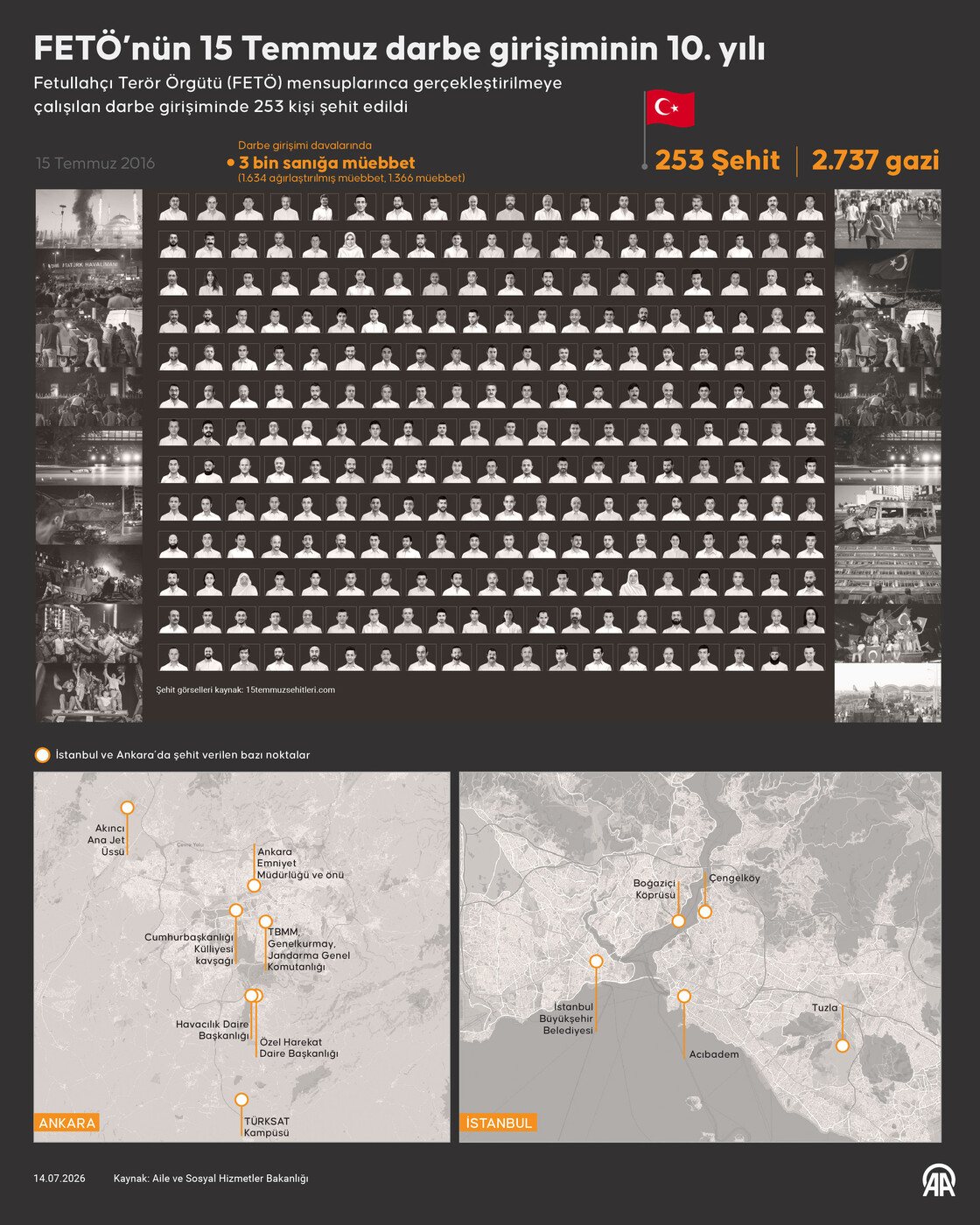
A total of 253 people lost their lives, while the putschists used 9,000 military personnel, 35 planes, 37 helicopters, 246 armored vehicles including 74 tanks, and nearly 4,000 light weapons.
Planner Gülen died in the US
Fetullah Gülen, who directed the coup attempt from his farm in the US state of Pennsylvania, was not extradited by US authorities despite Turkey's seven extradition requests for 27 separate crimes. Gülen died on October 20, 2024, at St. Luke's Hospital in Pennsylvania. His death was officially confirmed by a document conveyed to Turkish authorities by the US State Department.