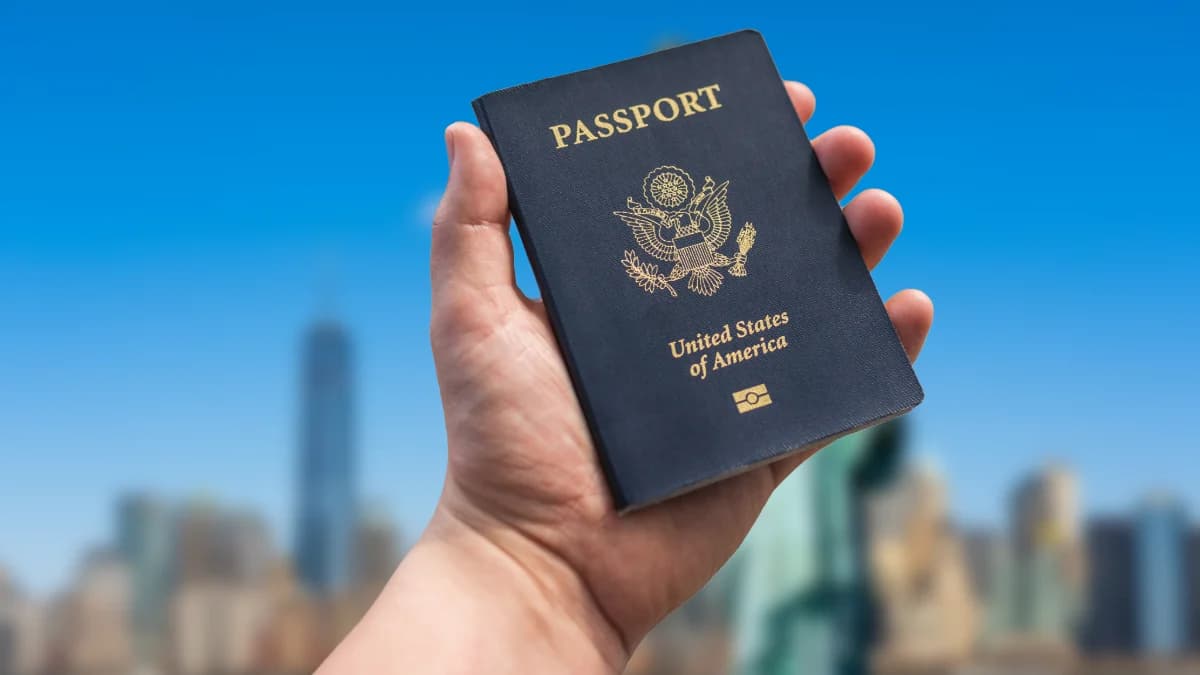
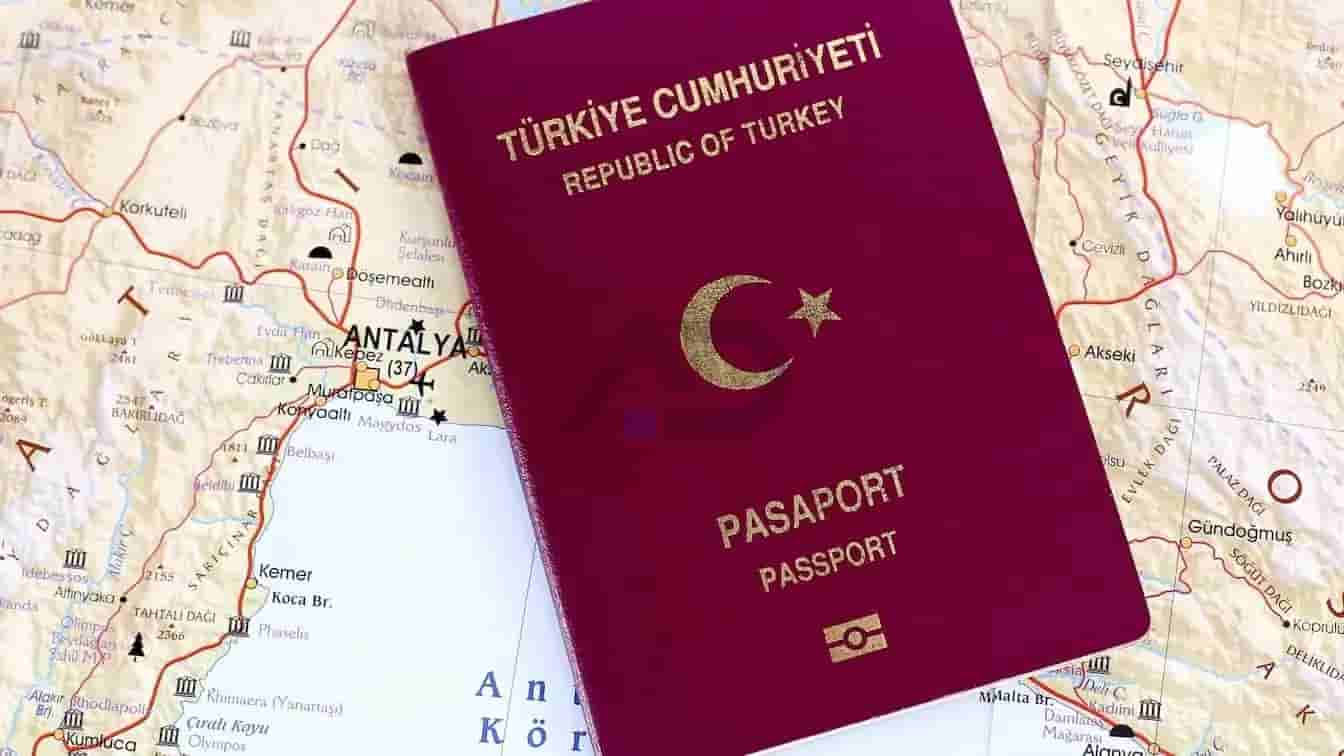
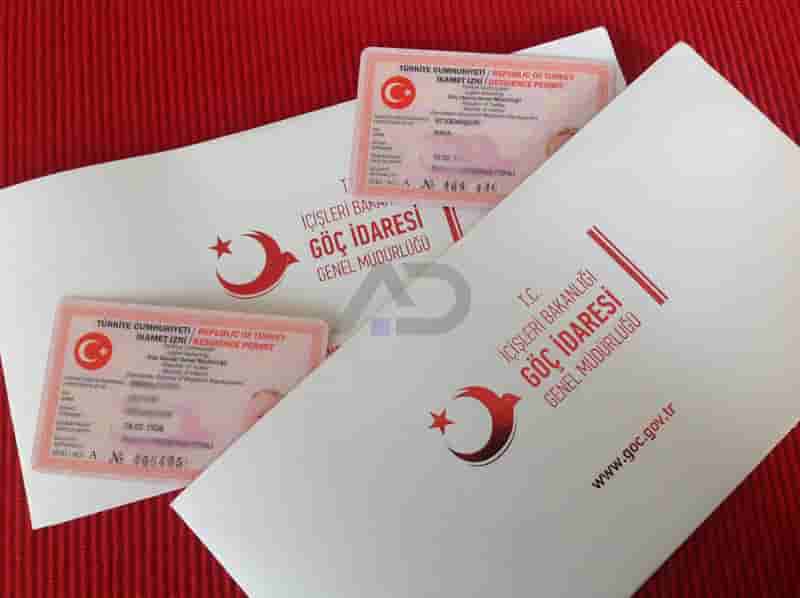
Every year thousands of Turkish citizens look to the United States — to study, to build a business, to join family, or to settle permanently. But “going to America” is really two different journeys: getting a visa to visit, work or study, and getting a green card that eventually leads to citizenship. This is a practical 2026 guide to both, including the recent rule changes that matter most for Turkish applicants.
Start here: two things every Turkish applicant should know
First, Turkey is not in the U.S. Visa Waiver Program. Unlike travelers from most of Europe, Turkish passport holders cannot use ESTA and need an actual visa for every trip to the United States — even a short holiday. Second, the U.S. permits dual citizenship and so does Turkey, so a Turk who naturalizes as an American can, in most cases, keep their Turkish passport too.
Part 1 — Temporary (non-immigrant) visas
These let you enter the U.S. for a specific purpose without becoming a permanent resident. The most common for Turkish nationals:
|
B-1 / B-2 | Business trips / tourism, family visits, medical care | Often issued for 10 years; interview in Ankara or Istanbul; main hurdle is proving you will return to Turkey |
E-2 Treaty Investor | Entrepreneurs investing in a U.S. business | Turkey's standout option (treaty since 1990); no fixed legal minimum, but Turkish files typically run $100,000–$300,000; renewable indefinitely |
E-1 Treaty Trader | Those running substantial trade between Turkey and the U.S. | Treaty since 1933; requires ongoing, sizeable cross-border trade (goods or services) |
F-1 | University and other students | Requires admission to a U.S. school; can lead to work under OPT after graduation |
H-1B | Specialty professionals (tech, engineering, etc.) | Needs a U.S. employer and is subject to an annual lottery/cap |
L-1 | Employees transferred within a company | For a Turkish company with a U.S. branch, parent or affiliate; no lottery |
J-1 / O-1 | Exchange visitors / individuals of extraordinary ability | J-1 for exchange programs (may carry a 2-year home-return rule); O-1 for top talent in the arts, sciences, business or sport |
Why the E-2 matters so much for Turks
Because Turkey holds an investment treaty with the United States, Turkish citizens can apply for the E-2 visa — a route closed to nationals of many countries. The investment must be substantial, placed in a real, operating business (not just parked in a bank), and more than “marginal,” meaning it should create jobs or clear economic impact rather than merely support the investor's family. The investor must own more than 50% and actively run the business. A spouse can work in the U.S., and children under 21 are included. The E-2 does not by itself give a green card, but it can be renewed indefinitely and many Turkish founders later move to an investor green card (EB-5) as their business grows.
 Part 2 — The road to a green card (permanent residence)
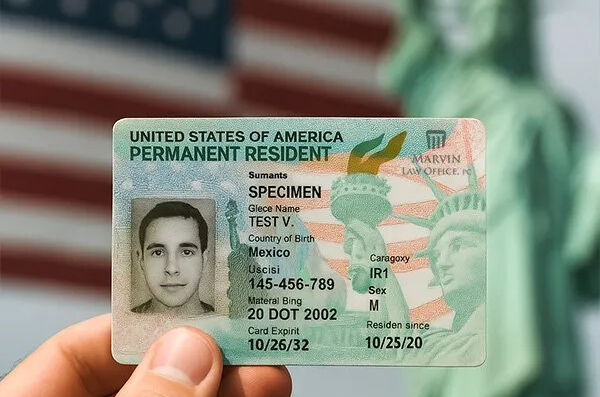
A green card makes you a lawful permanent resident and is the necessary step before citizenship. The main routes for Turkish nationals:
- Family-based: Spouses, parents, and children of U.S. citizens (“immediate relatives”) have no annual cap; siblings and adult children fall under slower preference categories.
- Employment-based (EB-1 to EB-5): Turkey counts as “Rest of World,” so it faces no country-specific backlog — EB-2 and EB-3 dates are generally current or only one to two years out, a real advantage over applicants from India or China. EB-1 is for top talent and executives; EB-2 includes the National Interest Waiver; EB-5 grants a green card for an investment of roughly $800,000 (in a targeted area) to $1.05 million plus creating 10 U.S. jobs.
- Diversity Visa (green-card lottery): Turkey is on the eligible-country list, and each entry needs a high-school diploma or two years of qualifying work. Important caveat: the program was suspended in December 2025 pending a federal review and, as of mid-2026, registration timing remains uncertain, with new rules (a $1 fee and a passport-page upload) pending. Anyone interested should rely only on the official site and check its current status.
- Marriage to a U.S. citizen or green-card holder, which also opens a faster path to naturalization.
Part 3 — From green card to U.S. citizenship
Citizenship (naturalization) is the final step, filed on Form N-400 once you have held a green card long enough:
- Time as a resident: generally 5 years as a green-card holder, or 3 years if you are married to and living with a U.S. citizen.
- Physical presence: at least 30 months inside the U.S. out of those 5 years (18 out of 3), plus continuous residence and at least 3 months in your state or district.
- Good moral character: a clean record and honest dealings. Since August 2025, USCIS applies a stricter, more holistic review that can include online and neighborhood checks.
- English and civics test: basic English reading, writing and speaking, plus a civics test. Under the redesigned test (in force since 20 October 2025), newer applicants are asked 20 questions from a pool of 128 and must answer 12 correctly; earlier filers took the older 10-question version. Applicants who are older and long-time residents may qualify for age-based exemptions.
- The oath: after an approved interview you take the Oath of Allegiance, receive your Certificate of Naturalization, and can immediately apply for a U.S. passport.
Naturalization currently takes on the order of six months to a year, though timelines vary by field office.
Documents you should prepare
- For a visa: a Turkish passport valid at least six months beyond your stay, the online DS-160 form, a compliant photo, proof of funds, and evidence of strong ties to Turkey (job, property, family). Investor cases add the DS-156E, a detailed business plan, and clear source-of-funds records.
- For a green card: the sponsoring petition (I-130 for family, I-140 for employment), then either an immigrant-visa application (DS-260) abroad or adjustment of status (I-485) inside the U.S., a medical exam, an affidavit of support, and civil documents.
- For naturalization: Form N-400, your green card, all passports and travel records, tax transcripts, any marriage or divorce certificates, and certified court records for any arrests.
- Turkish civil documents — birth records (nüfus kayıt örneği), criminal-record certificate (adli sicil belgesi), marriage records — generally need a certified English translation, and for consular processing must follow the U.S. reciprocity schedule for Turkey.
2026 changes Turkish applicants should watch
- A new $250 “Visa Integrity Fee” was created by law in July 2025 and is expected to be charged on top of normal visa fees once collection begins (anticipated by late 2026). The standard B-1/B-2 application fee is $185.
- Interview waivers narrowed: since 1 October 2025, most applicants — including first-timers — must attend an in-person interview; the waiver now mainly covers recent B-1/B-2 renewals.
- Diversity Visa pause: as noted above, the lottery is on hold pending review.
- Longer consular waits: B-1/B-2 interview slots in Istanbul and Ankara have been running from roughly two to six months; E-visa interviews longer still. Apply early.
 Bottom line
For Turkish citizens, the U.S. offers a full ladder — from a 10-year visitor visa, to the unusually accessible E-2 investor route, to employment and family green cards, and finally citizenship, all while keeping Turkish nationality. But U.S. immigration rules and fees are changing quickly in 2025–2026, and this article is general information, not legal advice. Before acting, verify the current rules on official sources — the U.S. Embassy in Ankara, travel.state.gov, and uscis.gov — and consult a licensed U.S. immigration attorney for your own case.