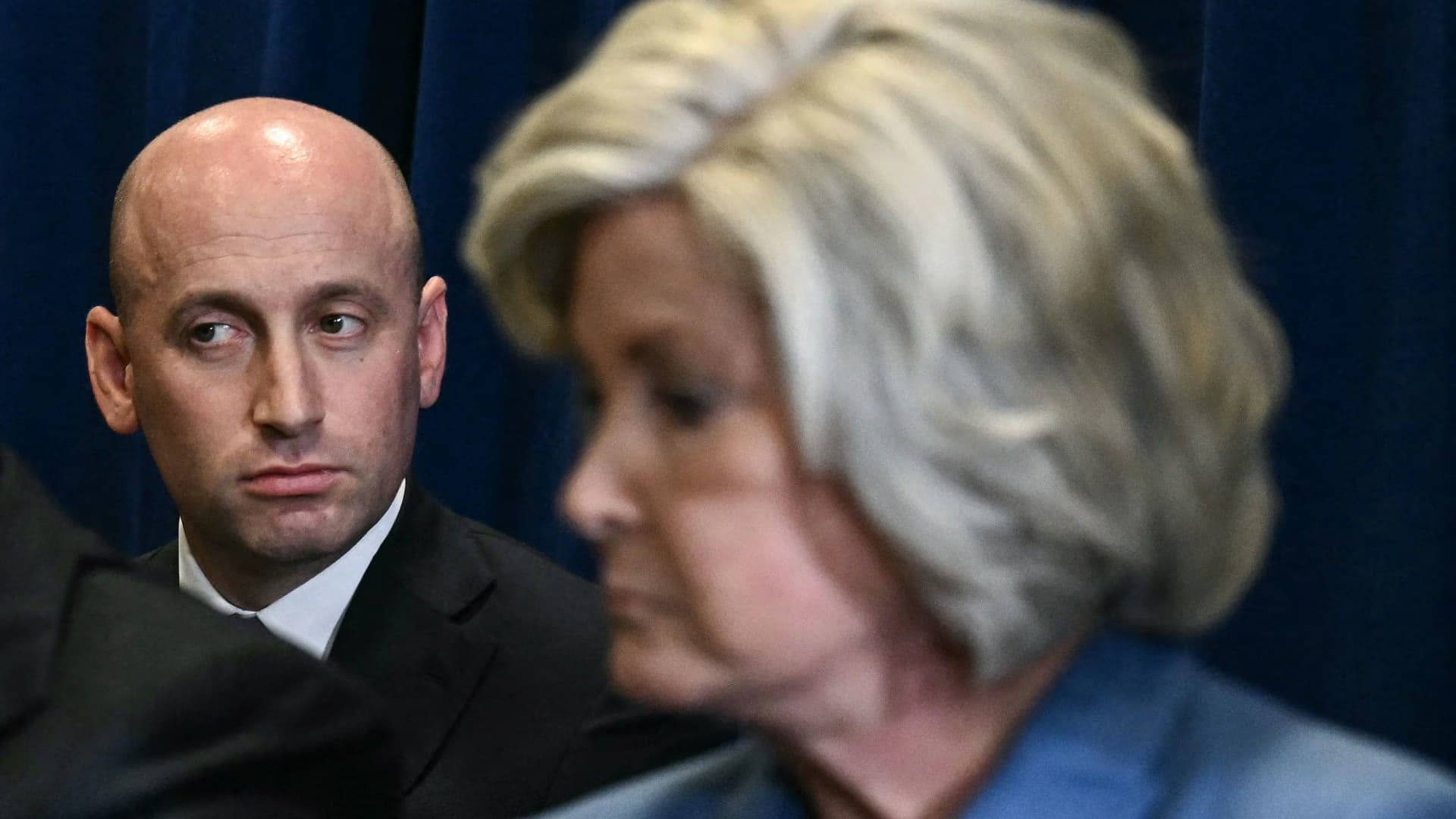
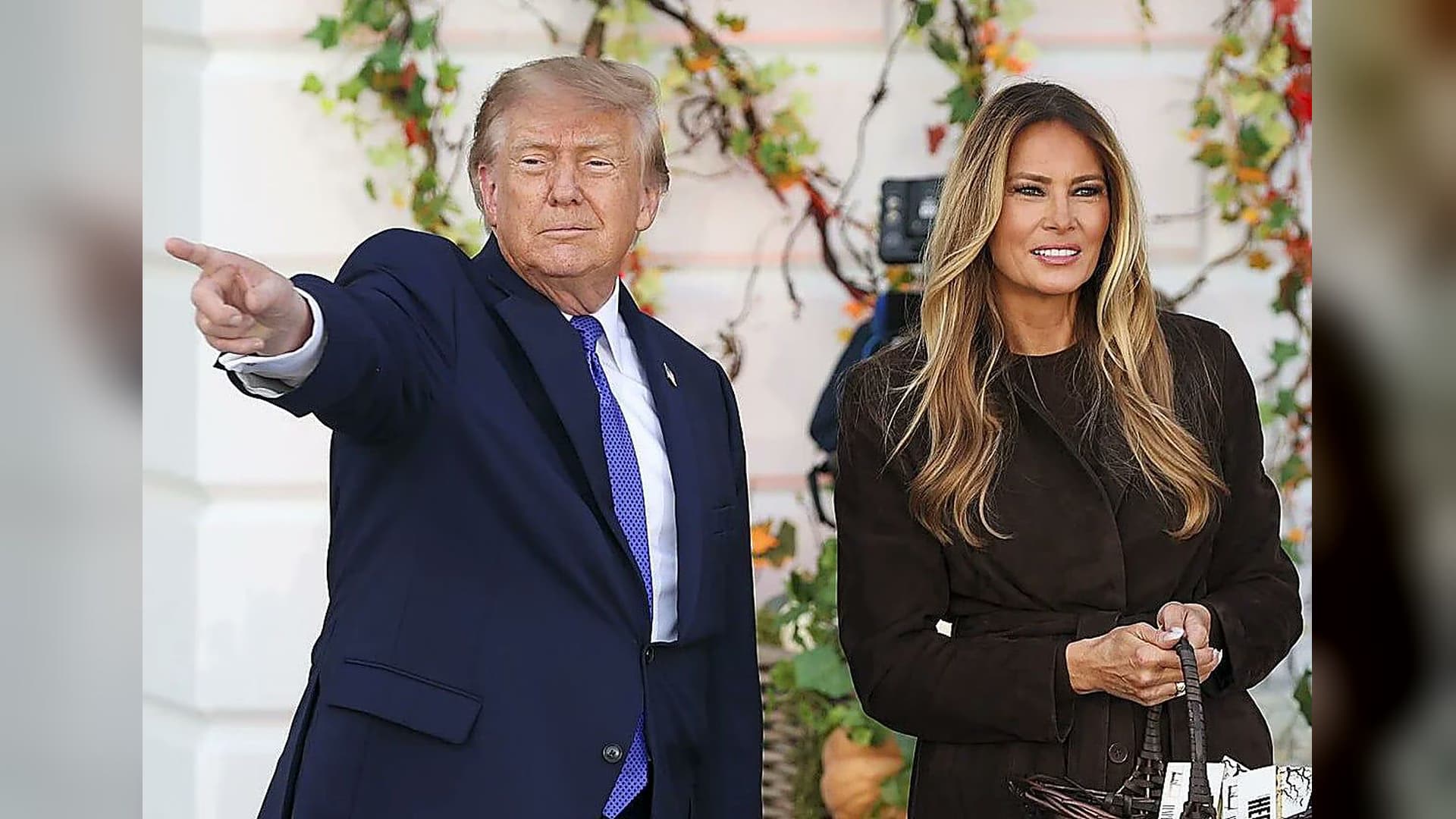
President Donald Trump on Friday named Stephen Miller, his longtime adviser and the architect of his hard-line immigration agenda, as White House chief of staff, replacing Susie Wiles three days after Republicans lost control of both the House and the Senate in the midterm elections. Miller takes over on Monday, Nov. 9.
"I am pleased to announce that Mr. Stephen Miller, the current Deputy Chief of Staff of the Trump Administration, and one of my most trusted advisors, will become the Chief of Staff starting Monday, November 9, 2026," Trump wrote on Truth Social. "Susie Wiles, who has done an outstanding job, will be moving over to the Trump Political Operation. I want to thank her for her service as Chief of Staff — She has done a great job!"
"I wanted to make a change," Trump told reporters as he left the White House. "I think Susie's done a very good job, great job," he said. "Sometimes in life, you have to make moves."

A Thursday night resignation
Wiles submitted her resignation on Thursday night, a White House official told Fox News Digital, calling the decision "very amicable." But ABC News and CNN, citing people familiar with the matter, reported that Trump had privately blamed her for the midterm losses and that she chose to resign once that became clear. CBS News reported she had planned to stay through the lame-duck session before the president accelerated her exit.
Trump did not ask her to go, a person who spoke with Wiles told Axios, "but he couldn't get it out of his head that she was to blame, not him." Publicly, Trump said late Friday that the change was "not because of the election." "It's just time. Sometimes you change," he said, according to CNN.
"Serving President Trump in the White House has been the honor of a lifetime," Wiles wrote on X, confirming Friday was her last day. "While my role may be changing, my commitment to the President and the mission never will."
Trump's longest-serving chief of staff
Wiles served 21 months, longer than any of Trump's chiefs of staff across both terms; John Kelly, the longest-serving of the four in his first term, lasted about 17 months, Fox News noted. She managed his entire 2024 campaign, was his first White House pick after that victory and became the first woman to hold the job. Trump nicknamed her the "Ice Maiden."
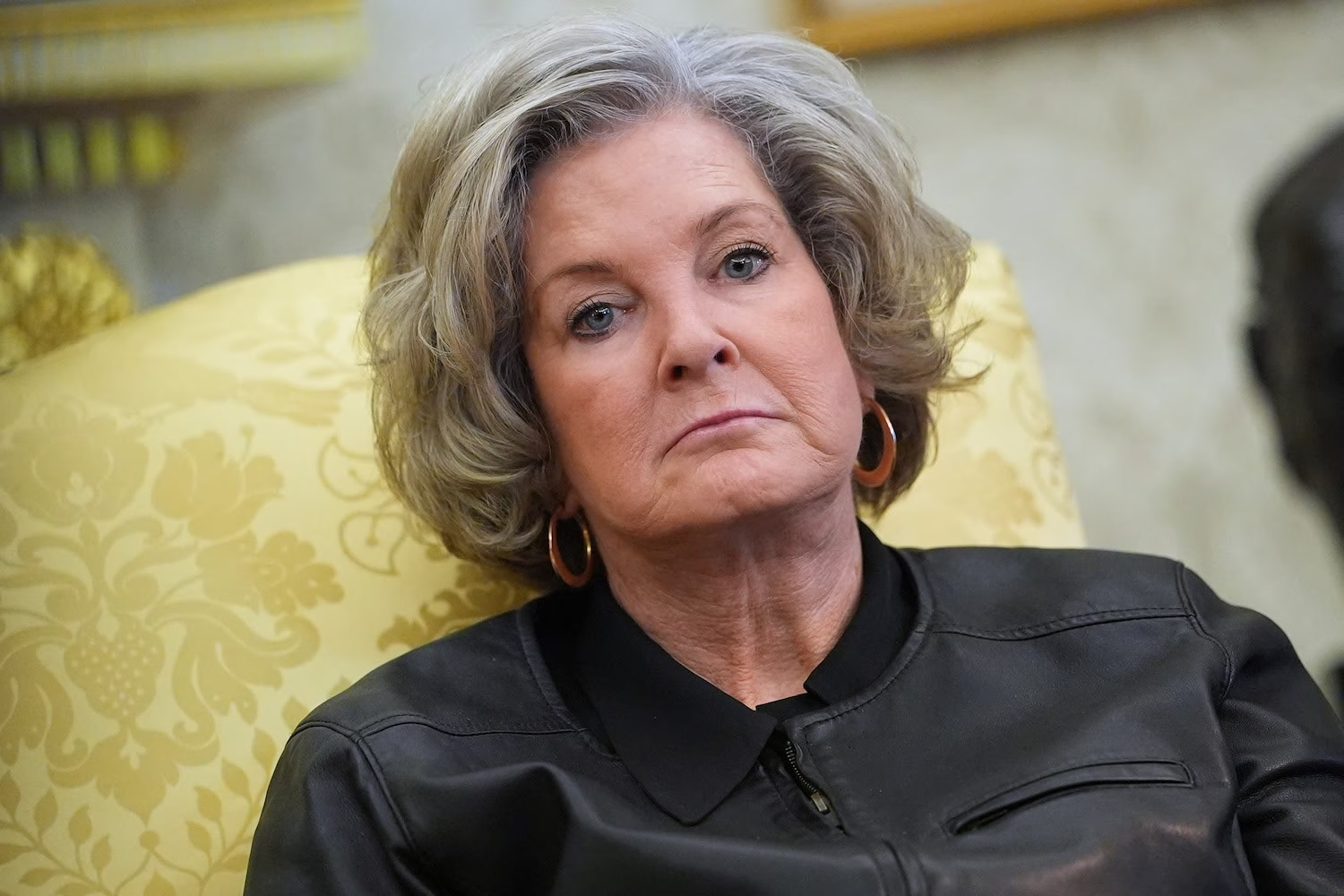
Axios described her as widely seen as the most powerful person in the White House after the president, though she rarely spoke publicly. She was diagnosed with early-stage breast cancer in March and declared cancer-free in September. As recently as Oct. 16, Trump said, "Susie is here and she's gonna be here for a long time."
Who is Stephen Miller?
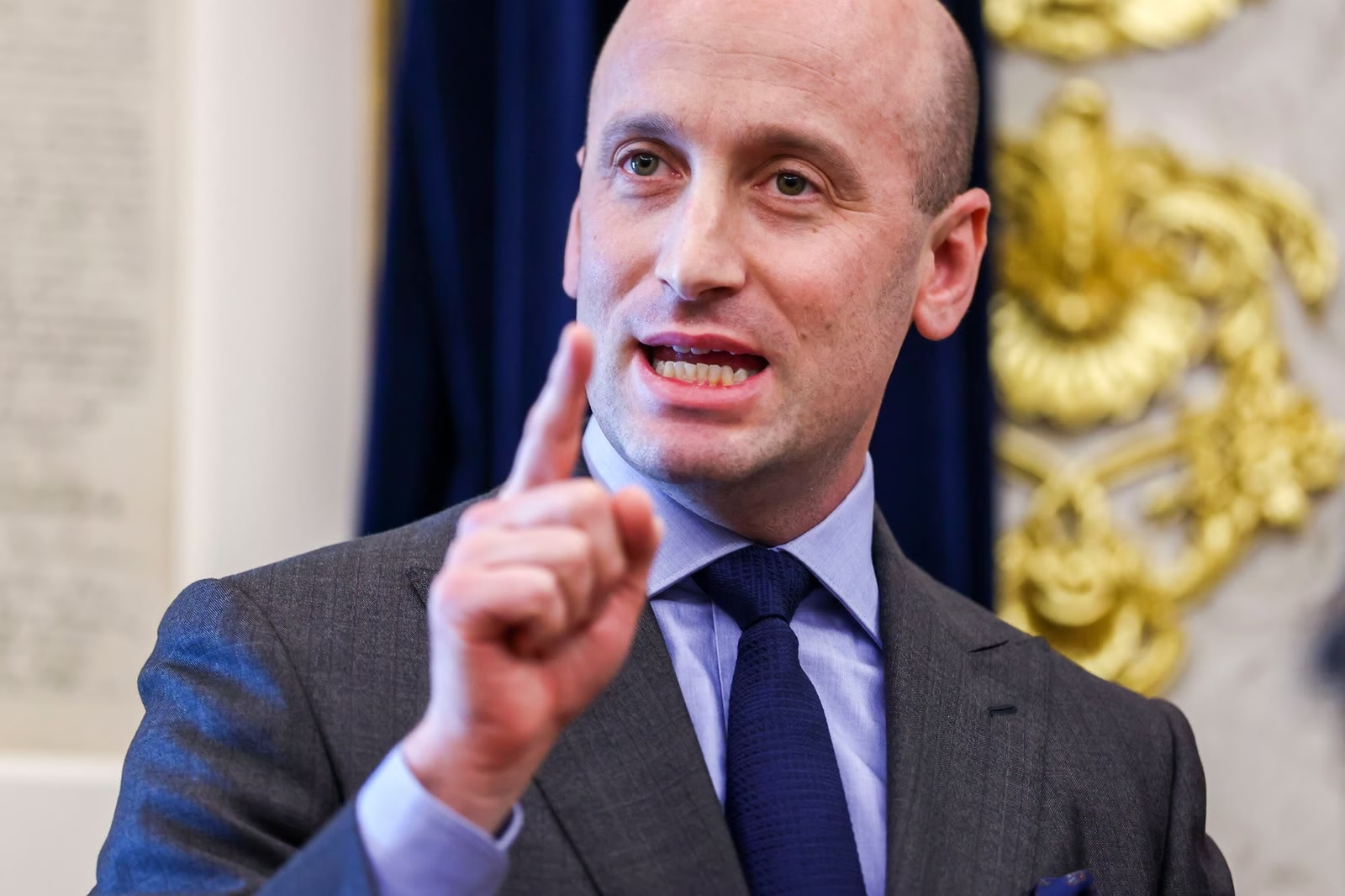
Miller, 41, joined Trump's 2016 campaign from the office of then-Sen. Jeff Sessions. In the first administration he helped shape the travel ban on several Muslim-majority countries and the 2018 "zero tolerance" policy that separated thousands of families at the border. In the second term he served as deputy chief of staff for policy and homeland security adviser.
CBS News reported that he pushed ICE to make at least 3,000 arrests a day; the White House and DHS have denied that arrest quotas exist. Miller wrote on X: "The mission now is more clear than ever: Fight with all of our soul to support our President and defend this magnificent Republic."
Praise from the Cabinet, fury on Capitol Hill
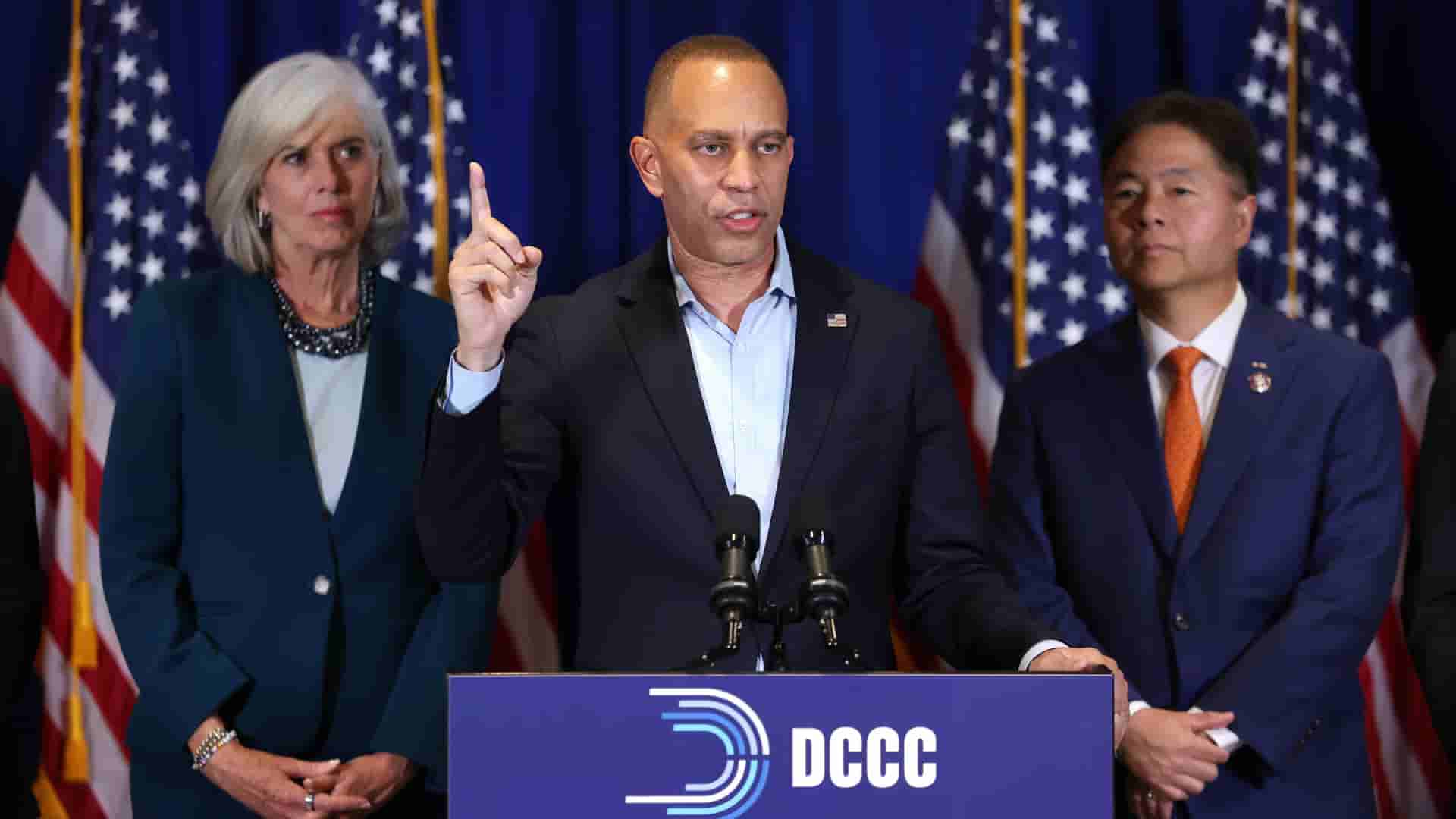
Vice President JD Vance congratulated Miller on a "well deserved promotion," and Defense Secretary Pete Hegseth said he "never backs down." Senate Democratic leader Chuck Schumer said Trump "learned nothing from his historic defeat" and "couldn't have made a worse choice." House Democratic leader Hakeem Jeffries, expected to become speaker, called Miller "a dangerous xenophobe and reckless extremist," and Rep. Robert Garcia, in line to chair the Oversight Committee, said he "should lawyer up."
Most Republicans in Congress stayed quiet. But outgoing Sen. Thom Tillis of North Carolina told CNN the pick was "a colossal mistake," and Rep. Don Bacon of Nebraska told ABC News he had warned Miller and his staff, "you're going to cost us the election in the midterms, and he didn't believe it."
What it could mean
The White House's direction: Axios wrote that Trump is "trading one of his few moderating forces with one of the most maximalist champions of his agenda," signaling he may double down on the policies that helped Republicans lose Congress. Trump also told CBS' "60 Minutes" he expects "maybe a few changes" to his team.
Immigration: Administration officials told CNN the move signals a doubling down on the immigration crackdown despite waning public support, even though Trump said on Fox News on Tuesday that "we could work with them on immigration."
A Democratic Congress: Axios reported Miller has been planning to keep "a muscular White House" running despite big Democratic majorities, quoting a Trump adviser: "Stephen is a wartime adviser." CBS News said the promotion "could lay the groundwork for a much more confrontational relationship" with the new Congress.
The Iran war: Axios reported that Wiles was "a critical voice against the war in Iran." CNN reported that her relationship with Hegseth, whom some Republicans blame for the losses over the war, had "significantly fractured." Vance has said "the reason we lost is the war," while Trump says he "would have done nothing different."
2028: GOP strategist Kevin Madden told The Hill the midterm results were "particularly tough for Vance's 2028 prospects," as Sen. Ted Cruz and Florida Gov. Ron DeSantis offer their own postmortems. Axios reported this week that Trump plans to keep raising money through his MAGA Inc. super PAC or a new group aimed at 2028 and beyond.
Cover photo: Brendan Smialowski/AFP via Getty Images. Photos: Umit Bektas/Reuters, Evan Vucci/AP, Jim Lo Scalzo/EPA