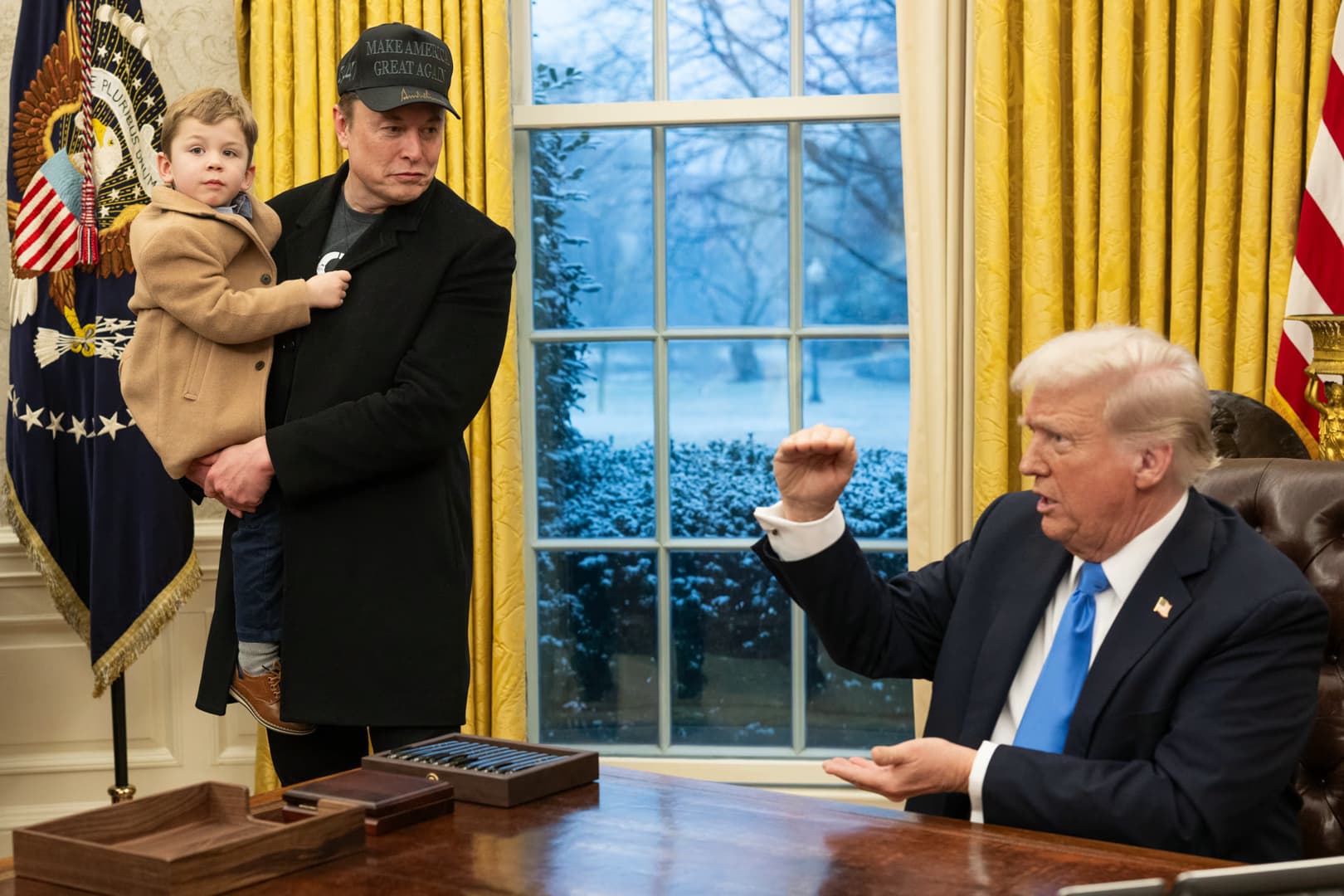
US President Donald Trump said that negotiations for a peace agreement in the Middle East have reached the final stage. Trump claimed that the deal could be concluded soon following the cessation of hostilities between Iran and Israel.
He noted that both sides agreed to halt the conflict through his mediation and said the talks are progressing toward a "very good" agreement. He added that the process could be completed within days, possibly two or three.
However, the diplomacy still appears fragile. Despite the ceasefire being in effect since April 8, mutual attacks between the parties have continued.
Tensions Continue Between Iran and Israel
Iran has previously expressed several times its desire to include Lebanon in the scope of the agreement. On Sunday, Tehran launched missiles at Israel, which responded in kind.
Iran then fired another salvo but shortly afterward announced it was halting military activities. Following this, Israeli Prime Minister Benjamin Netanyahu said the fire on that front had been brought under control.
Iran also warned it would retaliate again if Israel continued its attacks in Lebanon. Netanyahu cautioned that if Iran resumed attacks, Israel would respond with full force.
Messages Between Washington, Tel Aviv, and Tehran
Trump had previously said a deal with Iran was close. However, talks have frequently slowed, and both sides have occasionally continued firing.
The Israeli side emphasized the country's right to self-defense. Netanyahu said in a televised speech that he had clearly conveyed this stance to Trump.
According to Axios, Israel was preparing a large-scale new wave of attacks against Iran. It was also reported that Trump directly called Netanyahu to urge him to step back.
In an interview, Trump said he told Netanyahu, "You better be careful, or soon you'll be on your own." This statement reignited discussions about differences between Washington and Tel Aviv.
US Vice President JD Vance also said the two countries share common interests but are not aligned on every issue. Vance noted that interests can diverge on some matters.
Regional Impact of the Conflict Continues
The Israeli military announced that Iran fired nearly 30 missiles, and in response, military targets in Iran were struck. No casualties were reported on either side.
Nevertheless, attacks continued in southern Lebanon. The Lebanese Ministry of Health reported at least 14 deaths from Israeli strikes on Monday.
The Israeli military said that shells were fired toward its units operating in southern Lebanon, some attacks were prevented, and one shell landed near soldiers without causing casualties. On the same day, a "suspicious aerial target" originating from Yemen was also intercepted.
In Tehran, Monday was relatively calm. Café terraces were full, traffic was lighter than usual for a weekday, and some fuel stations had queues.
Maryam, a 41-year-old accountant, said there was a feeling of uncertainty and confusion in the city. In Tel Aviv, civilians headed back to shelters as sirens sounded again.
Jonathan Ariel, 30, expressed hope that the conflict would be short but recalled previous times when he thought the same and the situation dragged on.
Iranian media also reported that the international airport in Tehran has reopened and started accepting pilgrim flights from Saudi Arabia.
The conflict has seriously disrupted shipping through the Strait of Hormuz. While Washington's blockade of Iranian ports continues, oil prices rose more than 5% the day before before falling on Tuesday.