The 2017 Korea Crisis: First Sign of the 'Madman'
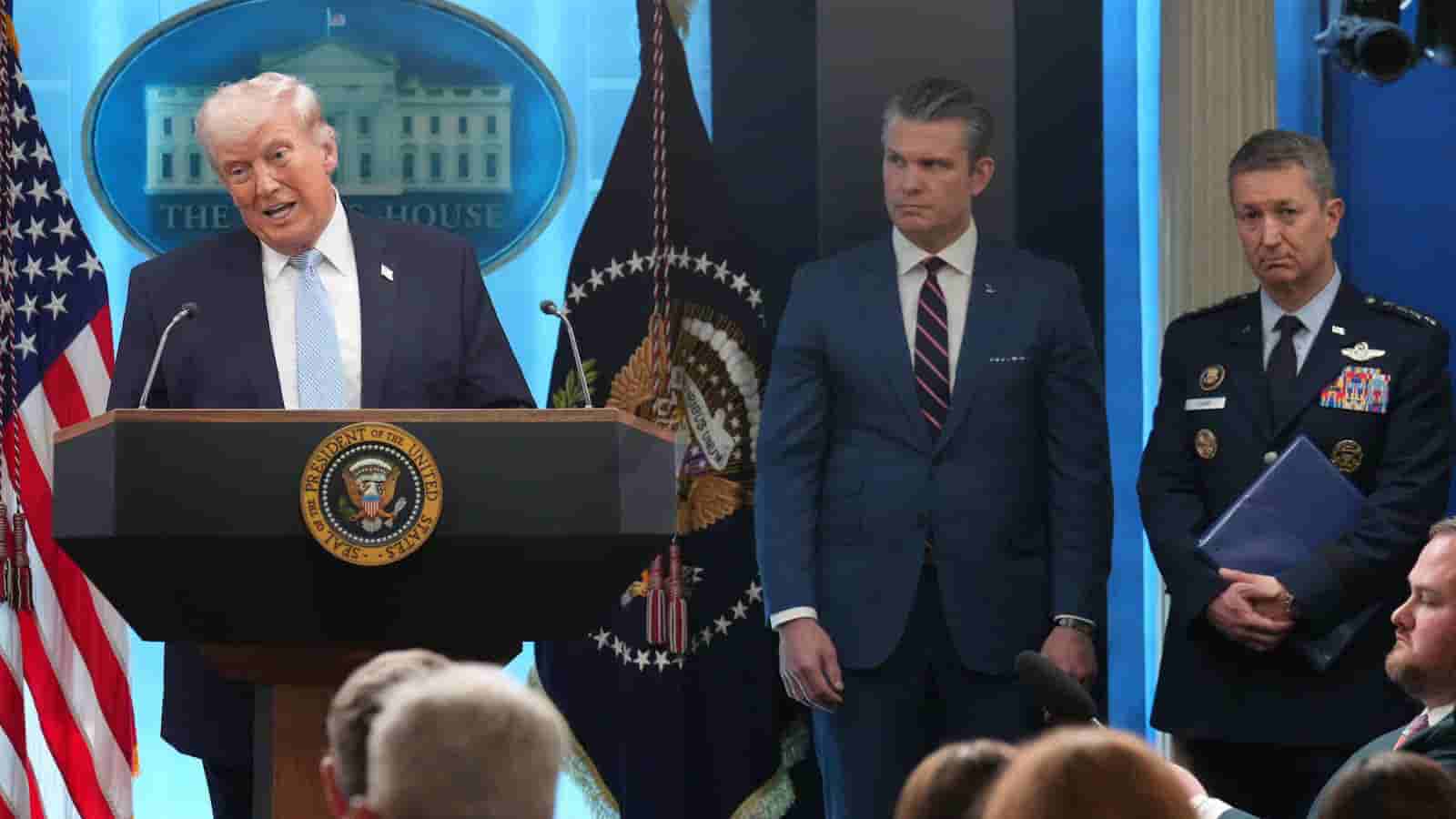
In the fall of 2017, former U.S. Trade Representative Robert Lighthizer complained to then-President Donald Trump that South Korean negotiators were not making concessions. Trump's response was short and clear: "Tell them the madman in the White House is ready to tear up the deal at any moment." This incident, as reported by Axios, formed the cornerstone of Trump's negotiation strategy.
Nixon's 'Madman' Legacy
The 'madman' theory emerged in 1969 during the Vietnam War under President Richard Nixon. When negotiations with North Vietnam in Paris stalled, Nixon's team leaked a message to the Soviet Union that the president was so unpredictable in his rage that he might resort to the nuclear option. In fact, in October 1969, B-52 bombers carrying nuclear weapons were flown near Soviet airspace to simulate a radar threat. This strategy, recounted in the memoirs of Nixon's Chief of Staff Bob Haldeman, relied on intimidating the adversary with uncertainty.
Trump's Twist: 'The Art of the Deal' in Play
Trump, however, combined Nixon's tactic with the instincts of a real estate mogul from his 1987 book 'The Art of the Deal.' In the book, Trump writes that "he plays to people's fantasies" and that people "admire those who are big, the biggest, and the most impressive," viewing "innocent hyperbole" as a legitimate marketing tool. In negotiation, he emphasizes that the worst thing is to reveal how eager you are, and the power of having cards the other side cannot live without.
Grilling NATO, Threatening Mexico
Trump applied this approach globally during his presidency. In his first term, while demanding more defense spending from NATO allies, he directly threatened to withdraw from the alliance. In 2019, by threatening Mexico with harsh tariffs over migration, he forced the country to send tens of thousands of troops to the border within a few days. In both cases, he extracted concessions by creating chaos and uncertainty.
The Suleimani Decision: The Allure of the Extreme Option
Trump's 'madman' reflex was most clearly seen in the decision to kill Iranian General Qassem Suleimani in January 2020. As the Pentagon presented options in response to the death of an American in Iraq, it had traditionally included the most extreme option—targeting Suleimani—on the list to make the others appear more reasonable. However, Trump, against the generals' expectations, chose that very option. According to The New York Times, this was intended to send a message of "a president not bound by red lines."
Controlling the State with 'Schedule F'
Having faced resistance from the bureaucracy in his first term, Trump aimed in his second term to establish full control over the federal government through the "Schedule F" plan. This plan, which makes it easier to fire thousands of senior officials, paves the way for him to be even more unpredictable at the negotiating table.
From the Atlantic to the Pacific: China as the New Enemy
For Trump, the real rival is China. To him, NATO is a drain that flows to European "freeloaders"; China is a giant factory that takes the jobs of the American working class. He prefers a direct, head-to-head struggle against China rather than multilateral alliances. With midnight tweets praising the Chinese President and then raising tariff walls in the morning, he upends supply chains. This "weaponizing uncertainty" tactic creates a minefield-like environment for investors.
The Iran War: A Message to Both Sides
Trump's military moves toward Iran also serve a dual purpose. On one hand, with tensions in the Strait of Hormuz, he tells Europe, "either pay your NATO dues or look after yourselves," while on the other hand, he reminds China and India, who import oil from Iran, of their energy dependence. He acts like a merchant who starts a fire and then sells extinguishers at triple the price.