- BIST10011,894+0.43%
- USD50.28+0.05%
- EUR55.60-0.24%
- GOLD3,860.10-0.67%
- INTEREST36.00%-1.00
- BITCOIN64,409-1.39%
- November 16, 20262°
- BIST10011,894+0.43%
- USD50.28+0.05%
- EUR55.60-0.24%
- GOLD3,860.10-0.67%
- INTEREST36.00%-1.00
- BITCOIN64,409-1.39%
- November 16, 20262°
U.S. home sales sink to slowest pace since 2010 as mortgage rates top 7%
Sales of previously owned U.S. homes fell 5.5% in October to a 3.75 million annual rate, the National Association of Realtors said Thursday. Mortgage rates near their highest since 2000 are keeping buyers away, even as the median price set an October record of $416,700.
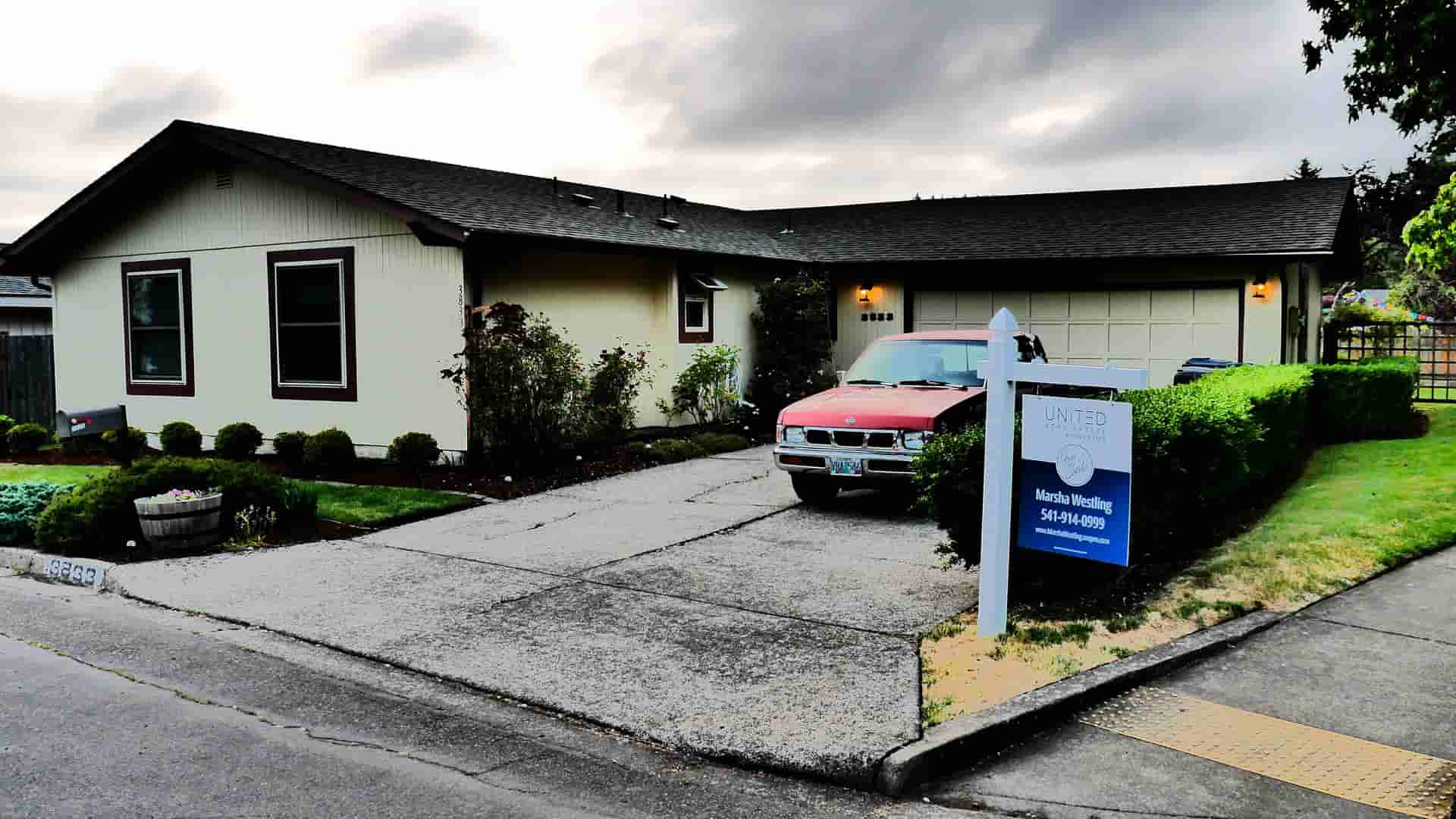
Americans bought previously owned homes in October at the slowest pace in more than 16 years, as mortgage rates above 7% pushed homeownership further out of reach for many buyers. Existing-home sales fell 5.5% from September to a seasonally adjusted annual rate of 3.75 million, the National Association of Realtors (NAR) said Thursday. That is the weakest reading since August 2010, when the market was still recovering from the late-2000s housing crash.
The figure missed forecasts. Economists had expected a pace of about 3.8 million, according to FactSet. Sales were down 8.8% from October 2025 and below the 4 million mark for a third straight month, after a 3.97 million pace in September.
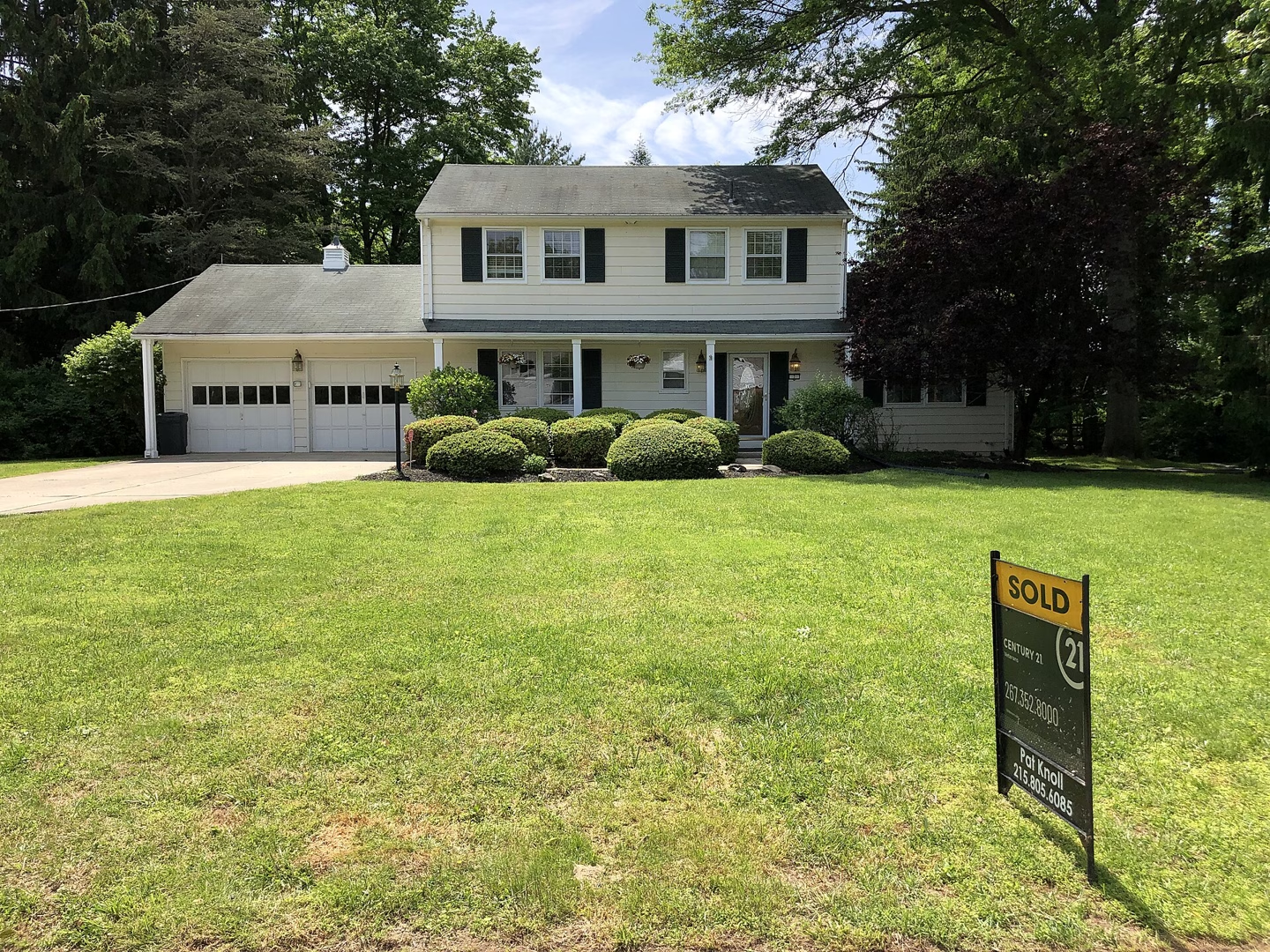
The slowdown was broad. Single-family home sales dropped 5.8% to a 3.41 million annual rate, while condo and co-op sales slipped 2.9% to 340,000. Sales fell 9.7% in the West to 650,000, 6.5% in the South to 1.73 million and 3.2% in the Midwest to 900,000. They held steady in the Northeast at 470,000. Compared with a year earlier, sales declined in all four regions.
Rates near a quarter-century high
"Home buying is difficult when mortgage rates have climbed to their highest levels since 2000, aside from a single month in 2023. As a result, home sales fell to their lowest level since August 2010," NAR Chief Economist Lawrence Yun said. "It is just a tough market for buyers and sellers," he added.
The average 30-year fixed mortgage rate was 7.33% in October, according to Freddie Mac, up from 6.86% in September and 6.25% a year earlier. Rates have risen sharply since the war between the United States and Iran began in late February. Expectations of higher inflation amid surging oil prices have pushed up the long-term bond yields that lenders use to price home loans.
Prices still edging higher
Even with fewer deals, prices kept rising, though slowly. The national median existing-home price rose 0.4% from a year earlier to $416,700, a record for the month of October and the 40th straight month of annual gains. NAR's Housing Affordability Index fell to 100.7 from 107.3 a year ago.
Buyers who can still afford today's rates have more to choose from. Total inventory rose 1.3% from September to 1.59 million homes, up 4.6% from a year earlier, which equals a 5.1-month supply at the current sales pace. Homes typically stayed on the market for 35 days, up from 33 in September. First-time buyers made up 29% of sales, down from 31%. Investors and second-home buyers accounted for 20%, and distressed sales for just 2%.
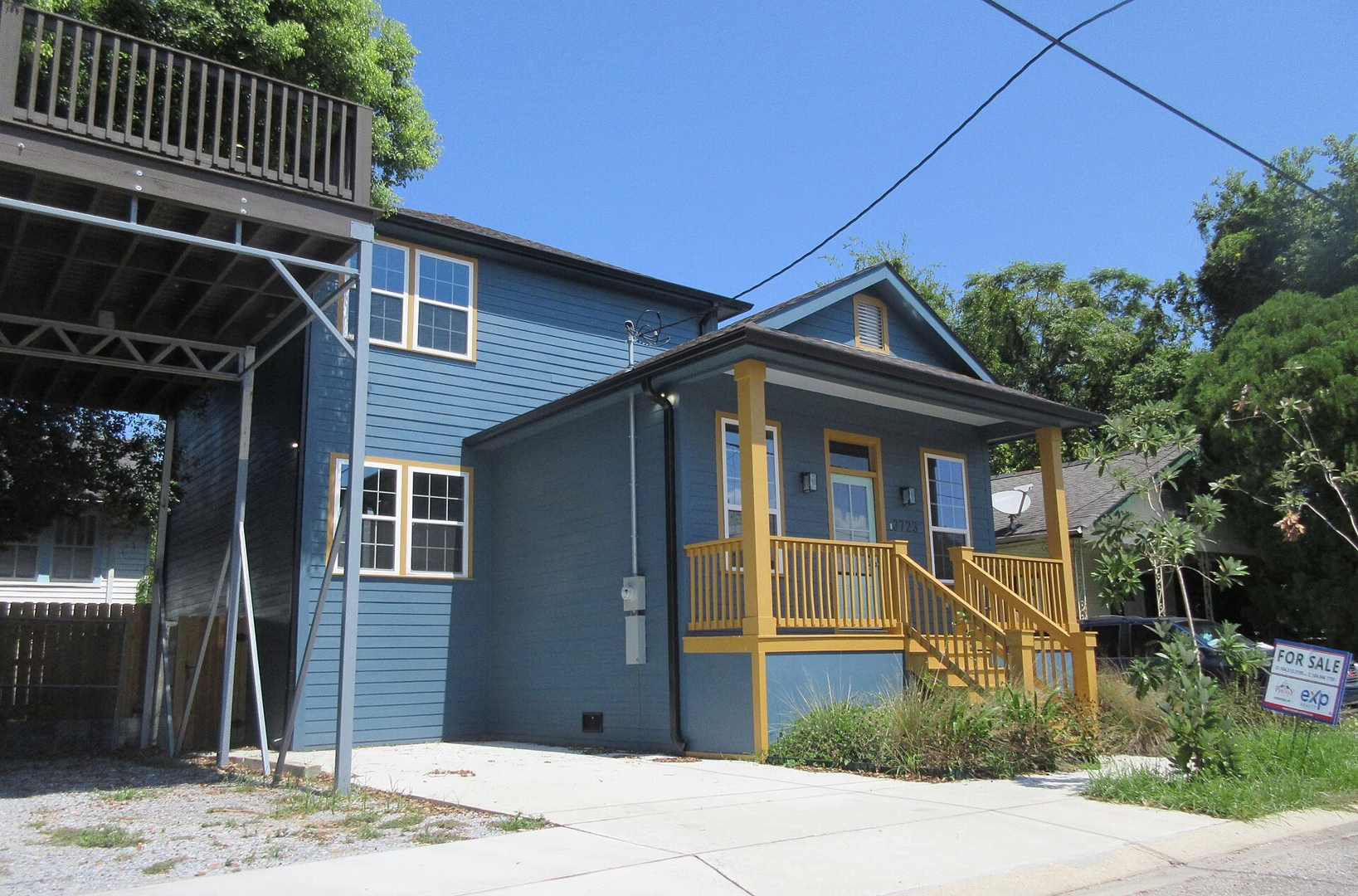
Yun said most owners are not under pressure to sell. "Despite fewer transactions in October, the 88 million homeowners across the country are largely in a comfortable financial position due to sizable housing wealth accumulation," he said. He added that the slow sales pace, at a time of steady job growth, points to "sizable pent-up demand if mortgage rates decline."
Photos: Wikimedia Commons (CC BY 2.0, CC BY-SA 4.0)
Stay Updated with Ally Daily
Subscribe to be informed about special news, developments and announcements. We will keep you informed.
By signing up, you agree to our Privacy Policy