- BIST10011,131-3.02%
- USD50.47+0.05%
- EUR55.46+0.20%
- GOLD3,530.00-4.22%
- INTEREST36.00%-1.00
- BITCOIN58,408-5.65%
- November 20, 202621°
- BIST10011,131-3.02%
- USD50.47+0.05%
- EUR55.46+0.20%
- GOLD3,530.00-4.22%
- INTEREST36.00%-1.00
- BITCOIN58,408-5.65%
- November 20, 202621°
U.S., Israel reportedly weigh new Iran strike as Trump stays undecided
Israel wants a joint operation with Washington amid alarm over Iran's missile rebuilding, CBS News reports, but it is unclear whether President Trump will order new military action as the U.S. naval blockade of Iran grinds on.
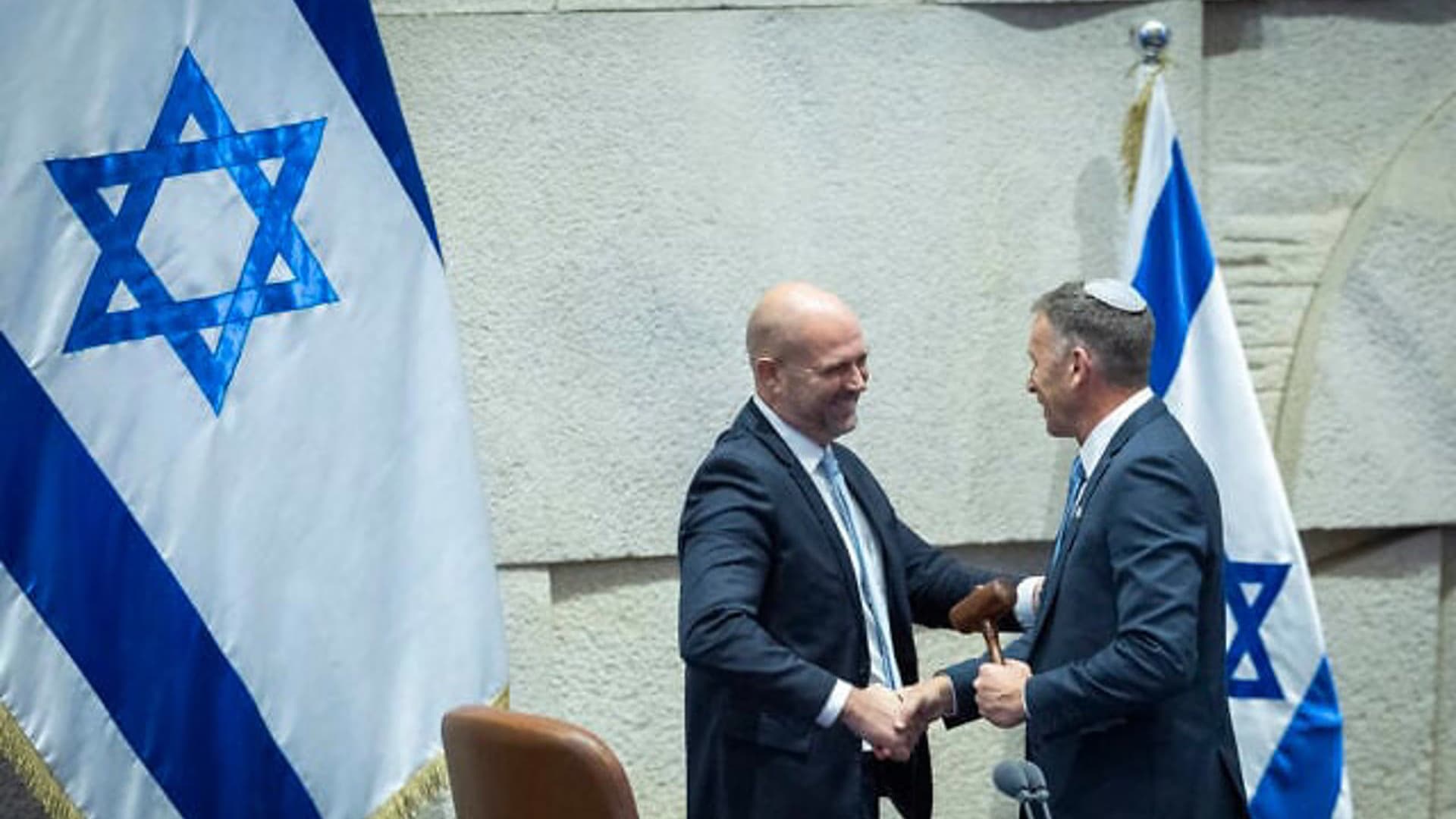
The United States and Israel are considering a new assault on Iran in the short term, CBS News reported Friday, citing sources familiar with the matter. Israel would prefer a joint operation with the U.S., but the sources said it remains unclear whether President Donald Trump wants to order new military action and, if so, what kind.
According to the report, Prime Minister Benjamin Netanyahu's government is worried by how fast Iran is rebuilding its ballistic missile production and by the pace at which Tehran is moving military and nuclear sites underground. Israel's military is said to be ready for a new round of fighting and on peak defensive alert in case Iran strikes first.
Strike possible within days of an order
CBS said the U.S. has tens of thousands of troops and two aircraft carrier strike groups in the region, and that a new offensive could be mounted within two to four days if Trump gave the order. The White House and the U.S. military declined to comment on current planning, while Netanyahu's office and the Israeli military did not respond.
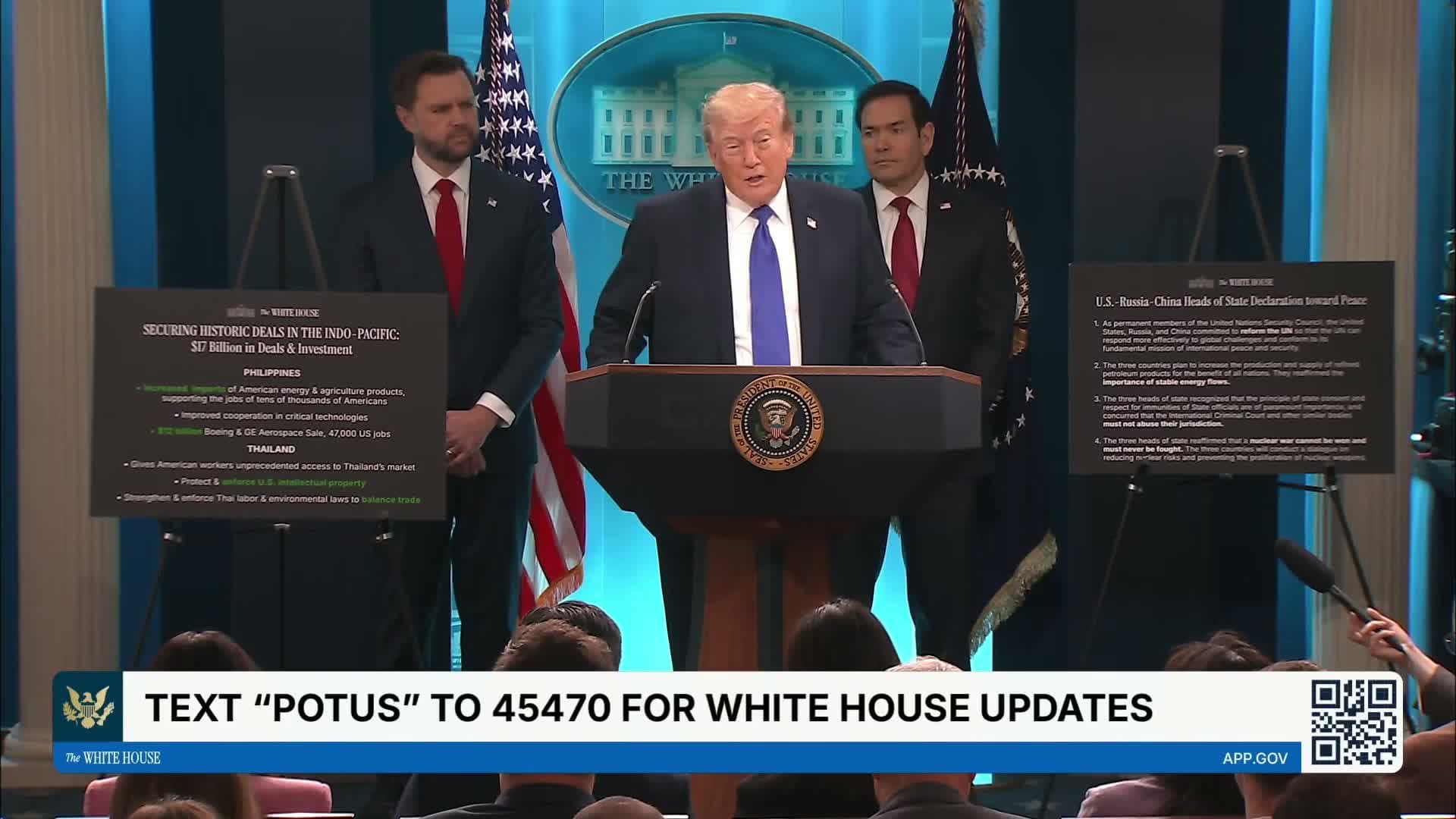
Trump has sent mixed signals. He told Fox News on Wednesday that he still wants a lasting deal with Iran but would "finish it off" one way or the other. On Thursday, he told Israel's Channel 12 he was "not rushing into any decision," adding: "We will see what happens after the beginning of the year."

The report noted that the political window for both leaders may be closing. The Iran war, launched jointly by the two countries almost nine months ago, was a key factor in the Republicans' midterm defeat, and Democrats will control both chambers of Congress from January, gaining more say over war funding. In Israel, Netanyahu's rivals have been tasked with forming a government after last month's election.
Blockade standoff
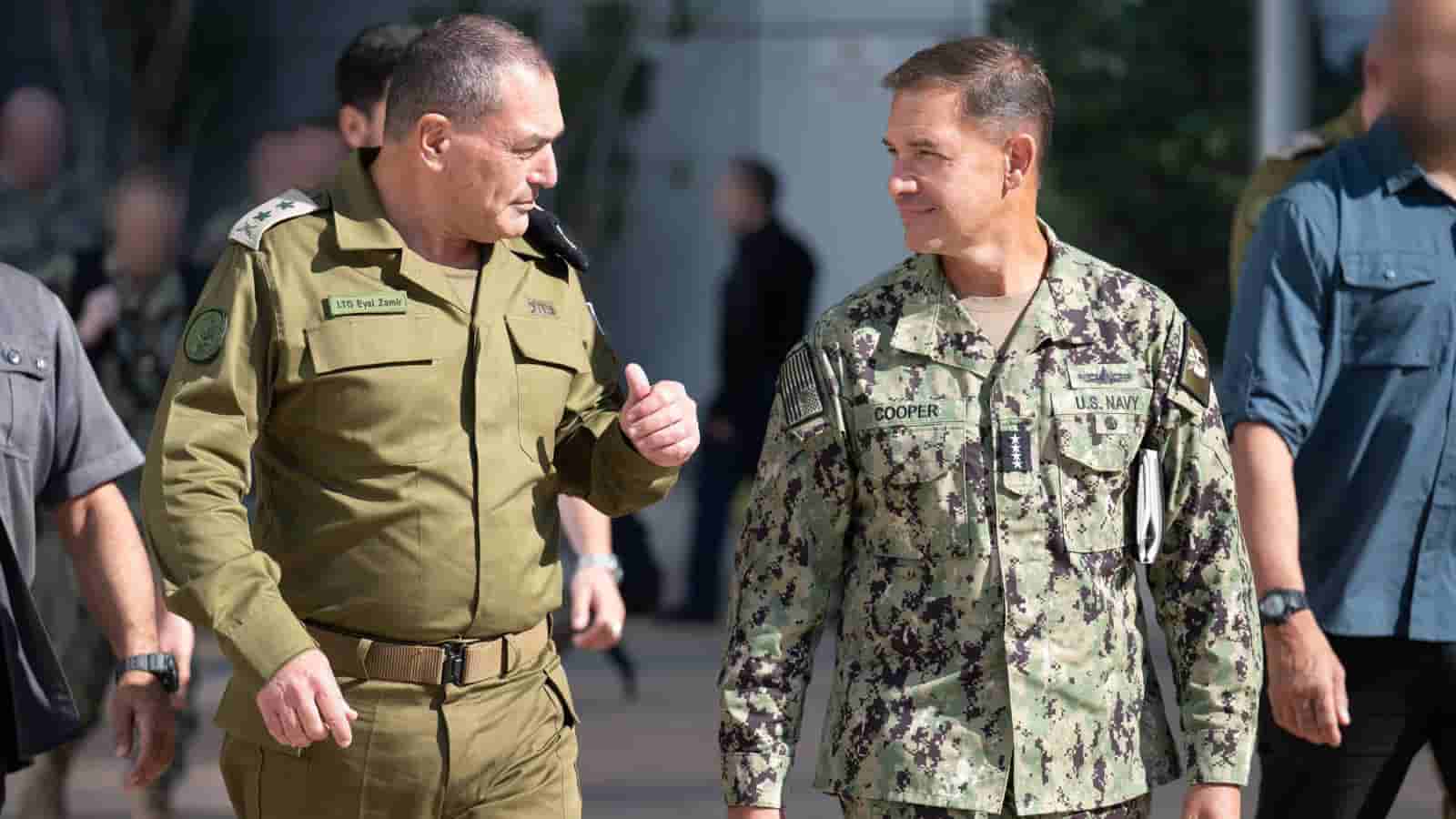
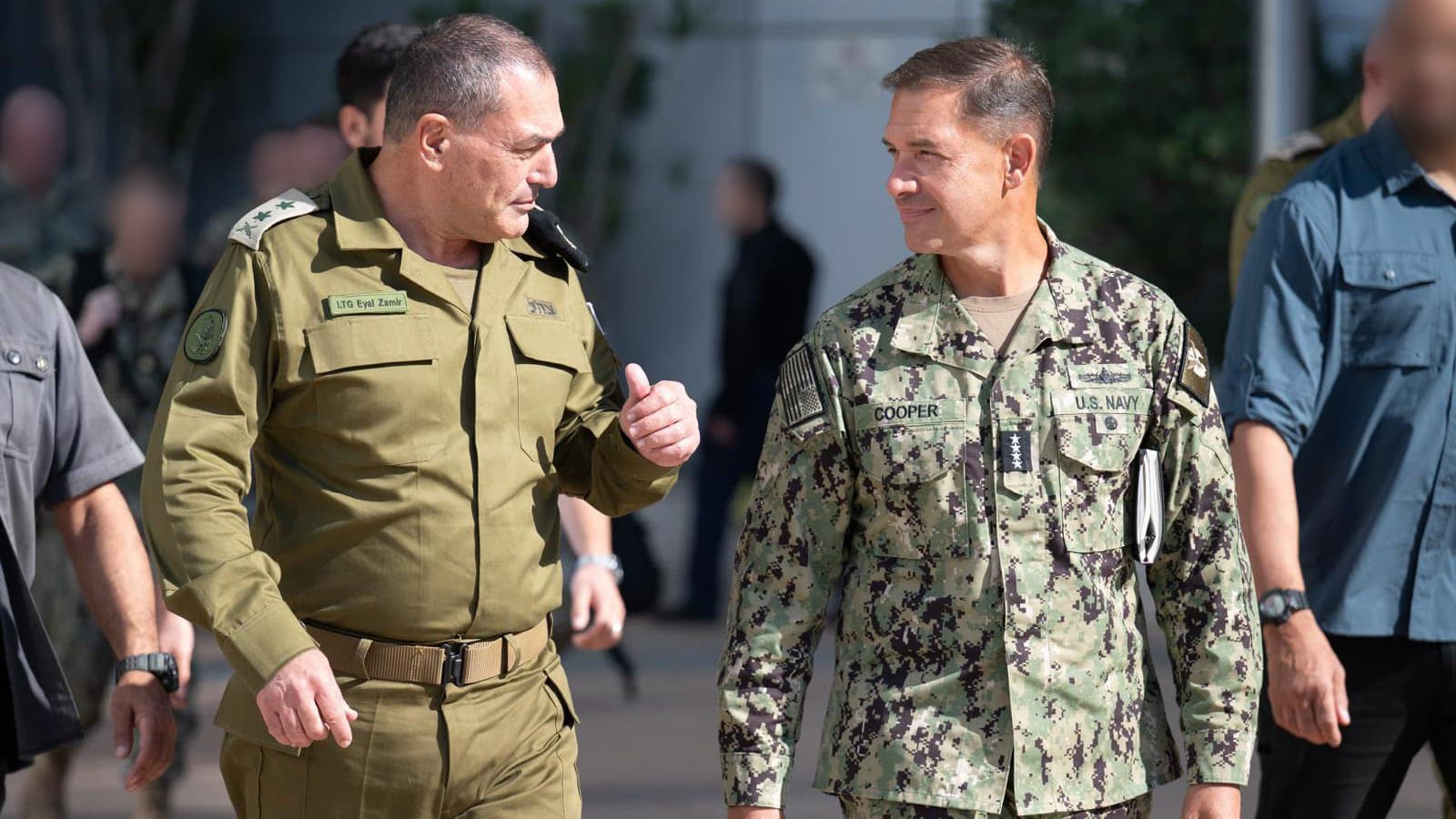
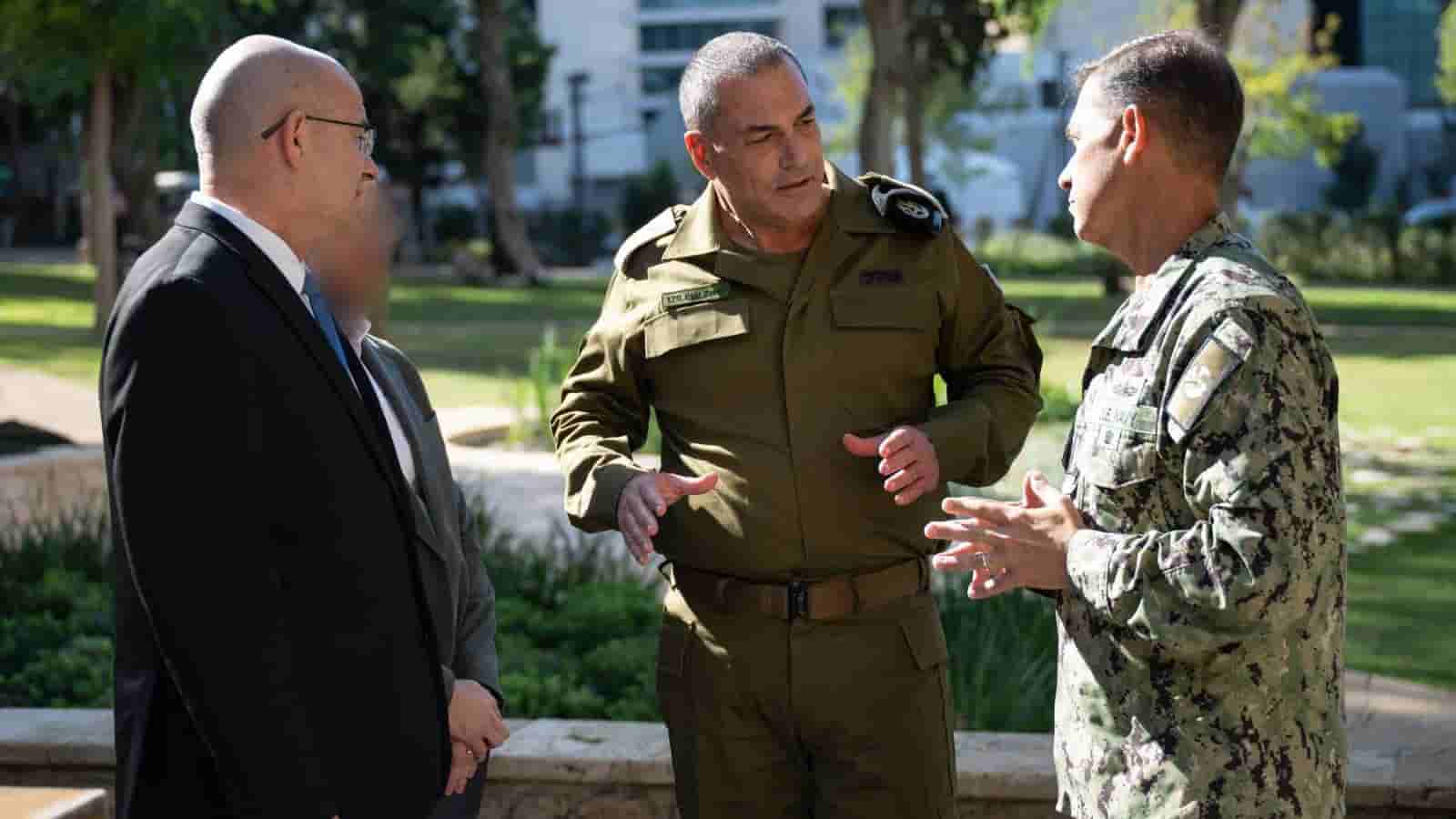
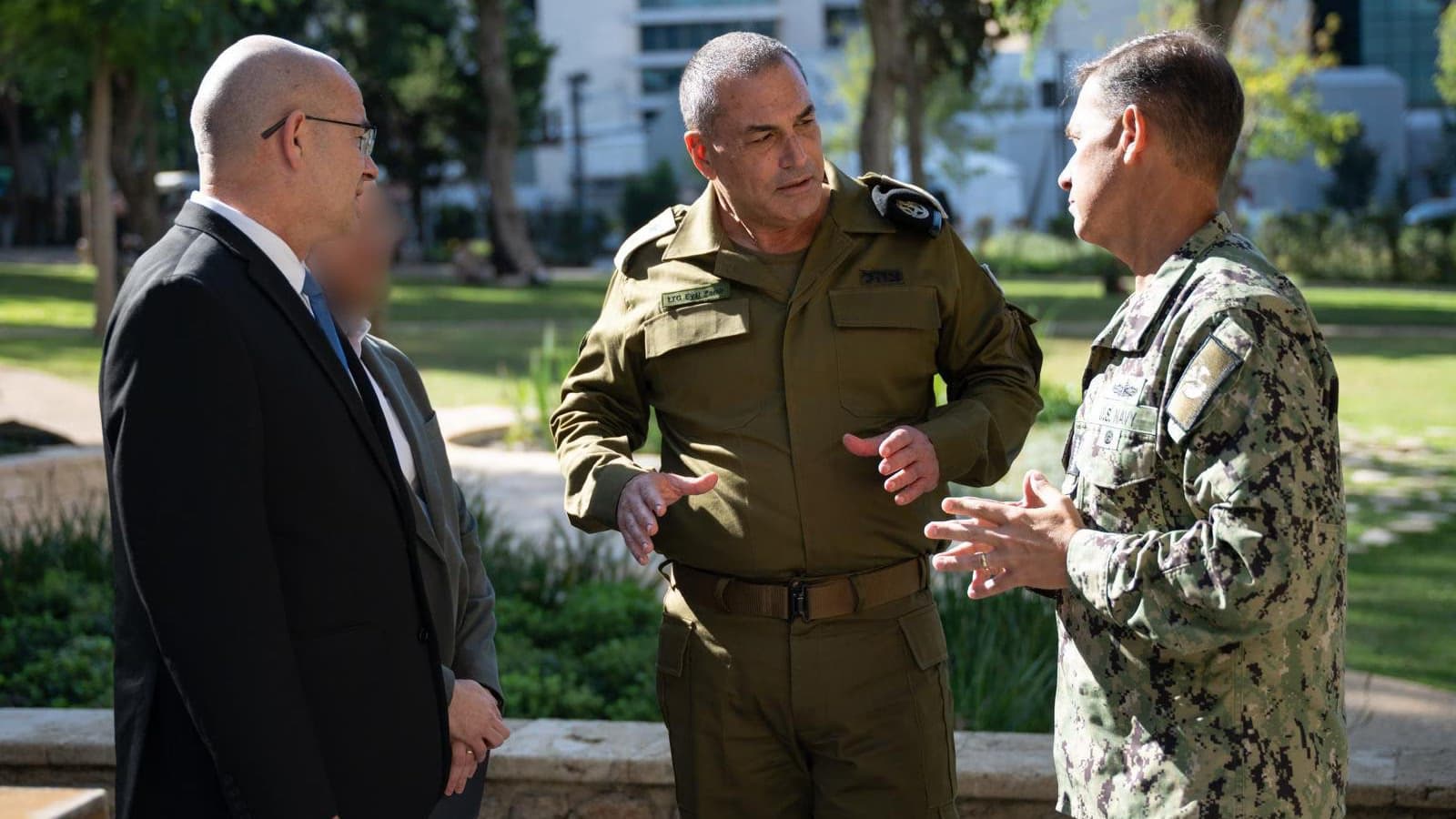
On Wednesday, CENTCOM commander Adm. Brad Cooper held a "joint, comprehensive situational assessment" at Israel's defense ministry with IDF Chief of Staff Eyal Zamir and Mossad Director Roman Gofman, who met CIA Director John Ratcliffe in Washington last week.
Months of indirect talks have failed to produce a deal to reopen the Strait of Hormuz, which Iran closed on March 2. The U.S. has enforced a naval blockade of Iranian ports and vessels since April 13, and Tehran refuses to discuss its nuclear program unless it is lifted. Iranian Foreign Minister Abbas Araghchi said Friday that "the blockade must be broken," according to Anadolu Agency.
Stay Updated with Ally Daily
Subscribe to be informed about special news, developments and announcements. We will keep you informed.
By signing up, you agree to our Privacy Policy