- BIST10010,656-4.04%
- USD50.63+0.05%
- EUR55.32-0.44%
- GOLD3,487.70-2.88%
- INTEREST36.00%-1.00
- BITCOIN57,879-3.12%
- November 25, 20265°
- BIST10010,656-4.04%
- USD50.63+0.05%
- EUR55.32-0.44%
- GOLD3,487.70-2.88%
- INTEREST36.00%-1.00
- BITCOIN57,879-3.12%
- November 25, 20265°
US-backed UAE candidate Nusseibeh blocked by UK, France and China in UN chief race
Washington's preferred candidates are struggling in the race to succeed António Guterres: the UK and France effectively vetoed UAE diplomat Lana Nusseibeh in Friday's straw poll, according to The Guardian, while the frontrunner is believed to face U.S. opposition.
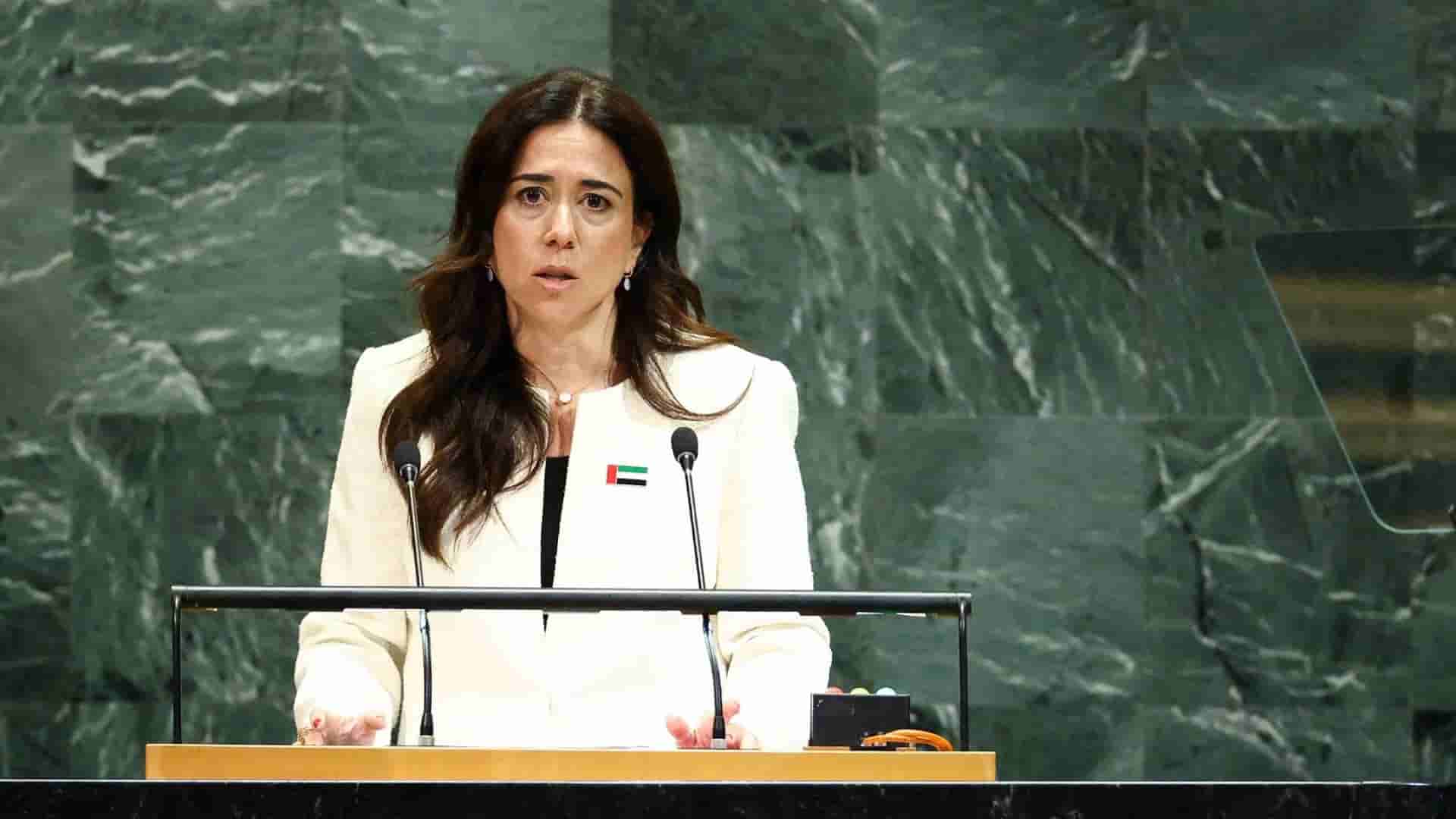
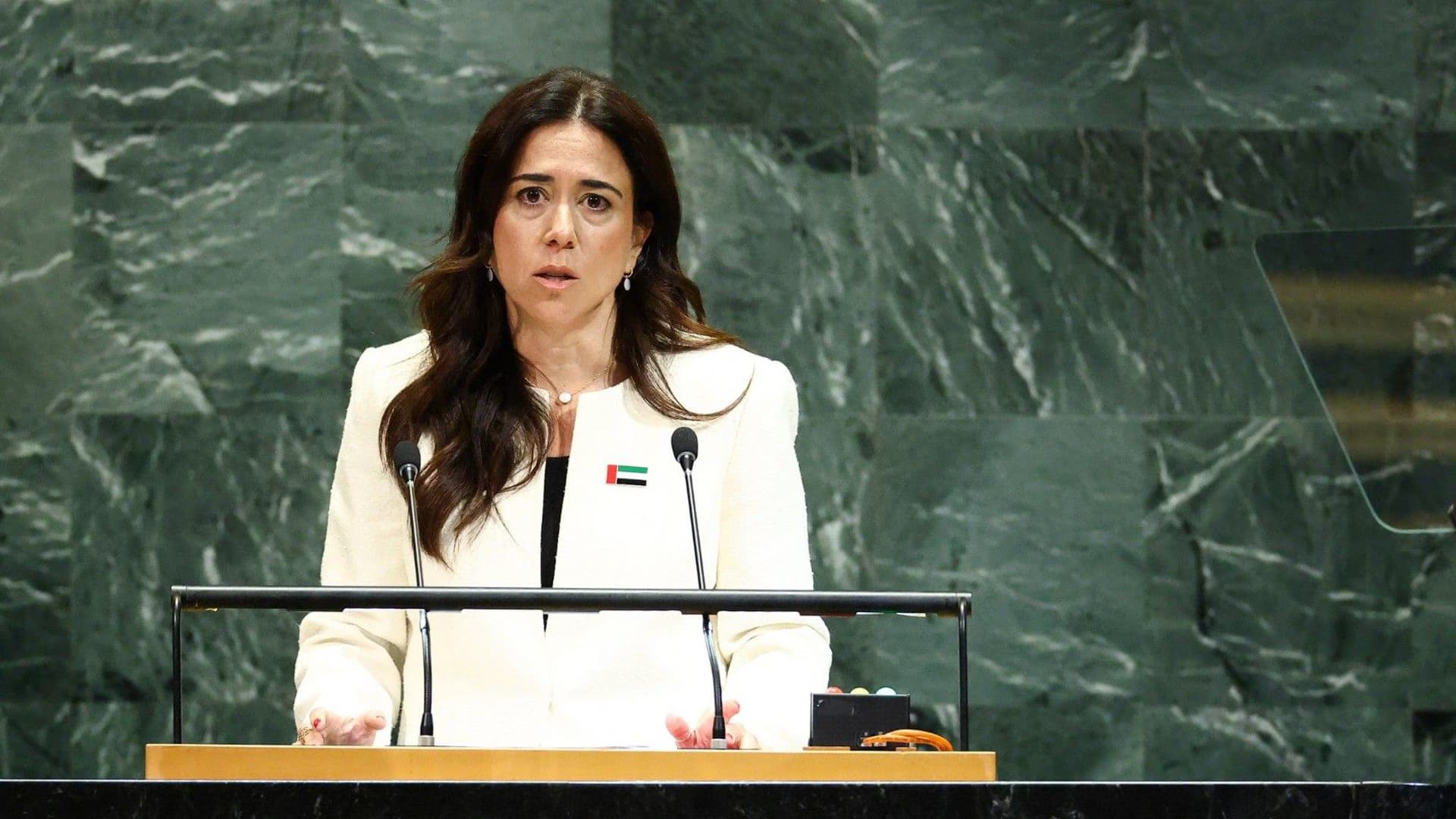
The race to choose the next United Nations secretary-general remained deadlocked after Friday's ninth Security Council straw poll, in which Lana Nusseibeh, the United Arab Emirates candidate backed by the United States, drew "discourage" votes from three veto-wielding permanent members. She received seven "encourage" votes, six "discourage" and two "no opinion," the same result as in the Nov. 6 poll.
According to The Guardian, the United Kingdom and France are believed to have effectively vetoed Nusseibeh over the UAE's alleged links to atrocities in Sudan, with multiple sources indicating China was the third permanent member to oppose her. Diplomatic sources told Middle East Eye that the U.S. and Russia support her candidacy. The straw-poll ballots are secret, but tallies circulate through unofficial channels: elected members vote on white ballots and permanent members on red ones.

Frontrunner faces U.S. resistance
Costa Rican economist Rebeca Grynspan, who heads the UN's trade and development agency, remained the frontrunner with 10 "encourage" votes but two "discourage" votes from permanent members, believed to be the United States and Russia. Argentina's Rafael Grossi, the head of the UN nuclear watchdog who is also favored by Washington and backed by President Javier Milei, got eight "encourage" votes but three objections from the permanent five.
A winning candidate needs at least nine votes on the 15-member council and no "discourage" vote from any of the U.S., Britain, France, Russia or China. If Grynspan overcame the opposition, she would become the first woman and the first Jewish person to lead the UN.
Sudan at the center
Opposition to Nusseibeh centers on the UAE's alleged role in Sudan's civil war. A UN panel of experts and rights groups have reported that the UAE armed and hired mercenaries for the Rapid Support Forces, the paramilitary group the U.S. has determined committed genocide in Darfur; the UAE denies the allegations. Nearly 70 British lawmakers urged Foreign Secretary Ed Miliband to block her. China's objection is reportedly rooted in an informal rotation that gives Latin America and the Caribbean the next turn.
Nusseibeh, who has taken leave from her post as UAE minister of state, said on X that she remains "fully committed" to her campaign. The selection, now more than 100 days long, is the longest in UN history. Guterres' term ends Dec. 31, and another straw poll is expected next week.
Photos: AFP, UNCTAD / Wikimedia Commons (CC BY-SA 4.0).
Stay Updated with Ally Daily
Subscribe to be informed about special news, developments and announcements. We will keep you informed.
By signing up, you agree to our Privacy Policy