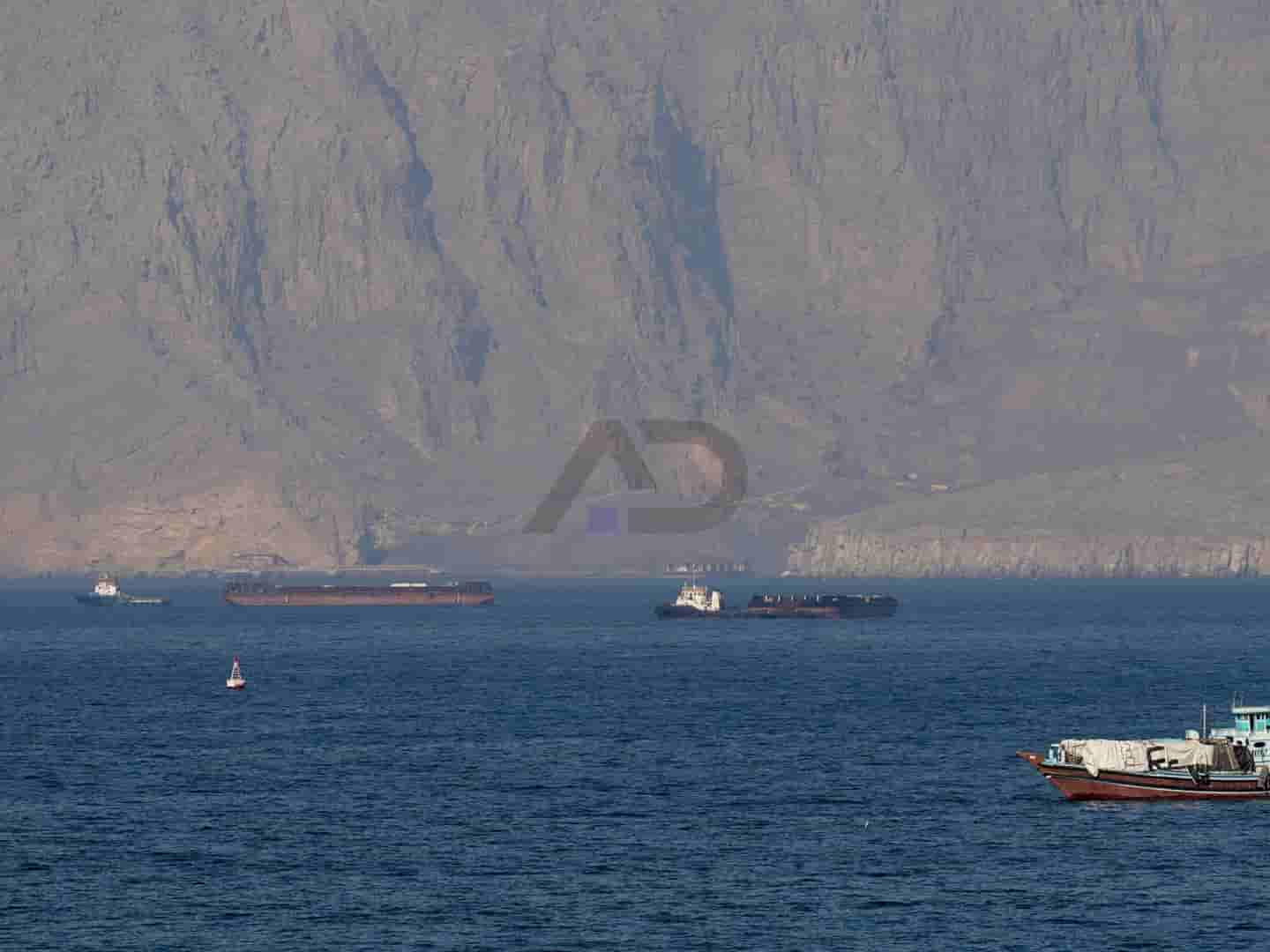
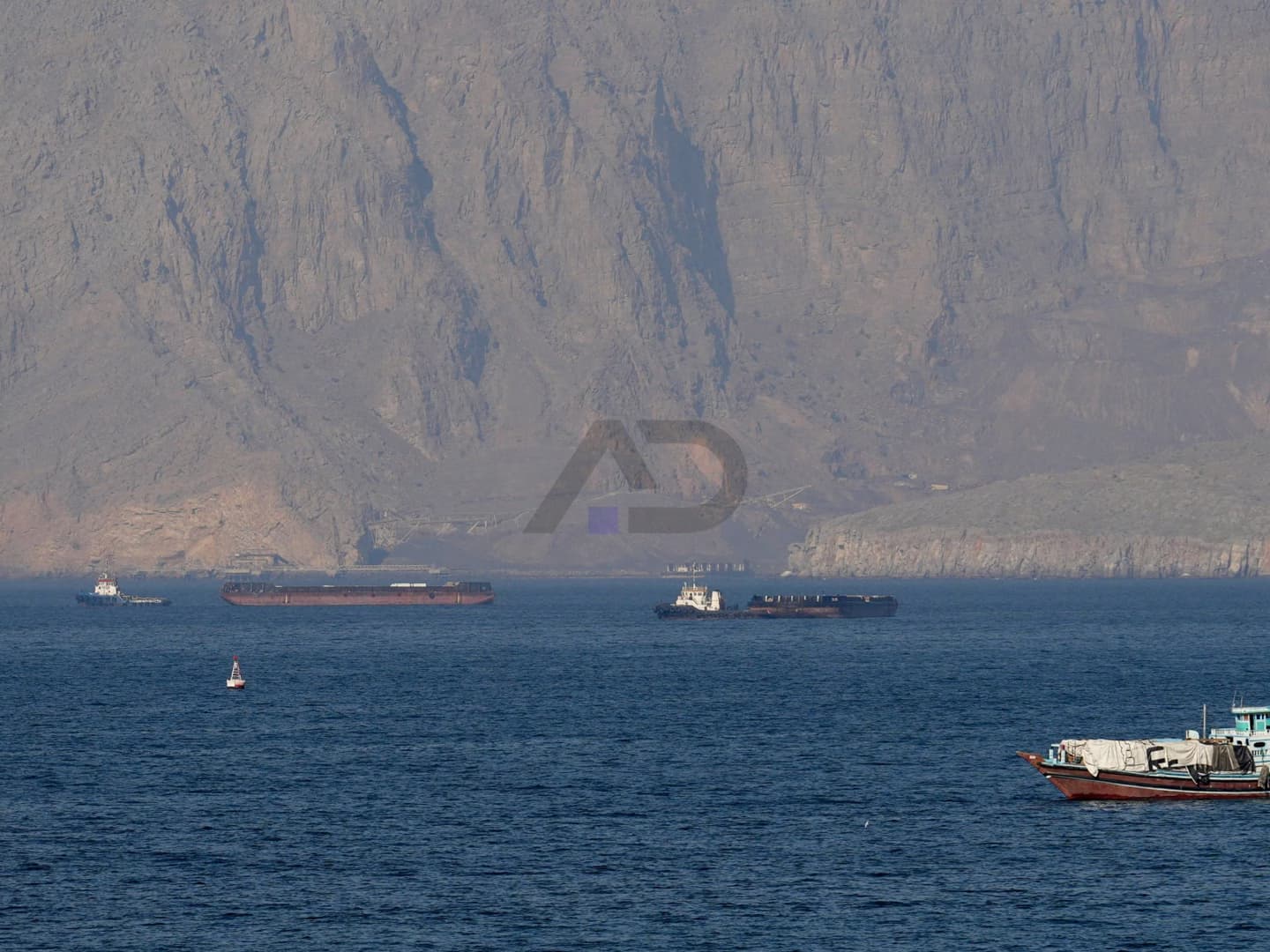
US forces shot down two one-way Iranian attack drones over the Strait of Hormuz. The US Central Command stated that these drones posed a threat to ship traffic.
The shootdowns came after Iran's Revolutionary Guards launched attacks on US bases and facilities linked to the US Fifth Fleet headquarters a day earlier. Iran described these attacks as a response to "American hostility."
Tensions Continue at Sea and in the Air
The US military reported that all incoming attacks were successfully intercepted. In response, Iran's Revolutionary Guards warned that if a similar action is repeated, there will be no "limited" response and the aggressor will be held accountable for the consequences.
Among the possible consequences, Iran raised the prospect of completely closing the Strait of Hormuz to oil and natural gas shipments. The strait is critically important for global energy transportation.
Missile Attack on Kuwait and Bahrain Also Thwarted
The US Central Command announced that seven ballistic missiles were launched toward Kuwait and Bahrain the night before, six of which were shot down, and one failed to reach its target. This development shows that tensions in the Gulf persist not only along the maritime front but also around military targets in the region.
Following US-Israel attacks in recent months, the region continues to experience drone threats, maritime pressure, and cycles of reciprocal retaliation. The ceasefire in place since April remains fragile.
Diplomacy Under Pressure
Amid these tensions, Pakistan's Interior Minister Mohsin Naqvi said he visited Tehran on Saturday to deliver a special message to Iranian leadership. Naqvi stated that the message came from Asim Munir and Shehbaz Sharif.
Iranian Vice President Mohammad Reza Aref declared that senior officials are fully coordinated in their negotiation strategy. Aref said there is no disagreement among institutions regarding the texts or proposals under discussion.
Unresolved issues such as the frozen Iranian assets amounting to about $24 billion stand in the way of negotiations. Tehran sees sanctions relief and asset release as conditions for progress, while Washington is reluctant to make a full concession.
Meanwhile, reports have emerged that US officials are considering using some of the seized Iranian assets to compensate Gulf allies for their losses. This possibility increases pressure on parties trying to maintain the fragile ceasefire.
Conflict Spreads to Other Fronts in the Region
The Israeli military reported intercepting two munitions launched from Lebanon. The Lebanese army announced that three soldiers, including two officers, were killed in an Israeli attack on a vehicle in southern Lebanon.
Hezbollah stated that it shelled Israeli forces in southern Lebanon and struck an Israeli military vehicle in Khiam with a drone attack. These reciprocal attacks indicate that fighting along the border remains unresolved.
Iran also claimed that the US denied visas to its World Cup football team, calling it a deliberate and discriminatory act. Tehran called for FIFA's intervention and accused Washington of bringing political tensions into the sports arena.