- BIST10010,890+1.22%
- USD49.86+0.15%
- EUR55.82+0.52%
- GOLD3,911.70+0.33%
- INTEREST36.00%-1.00
- BITCOIN77,757-0.61%
- November 2, 20267°
- BIST10010,890+1.22%
- USD49.86+0.15%
- EUR55.82+0.52%
- GOLD3,911.70+0.33%
- INTEREST36.00%-1.00
- BITCOIN77,757-0.61%
- November 2, 20267°
Wealth-tax fight sinks Belgium's €10 billion budget deal, pushing De Wever to offer resignation
Belgian Prime Minister Bart De Wever moved to hand his government's resignation to King Philippe after overnight talks on €10 billion in savings collapsed over a classic left-right split between healthcare cuts and higher taxes on the wealthy.
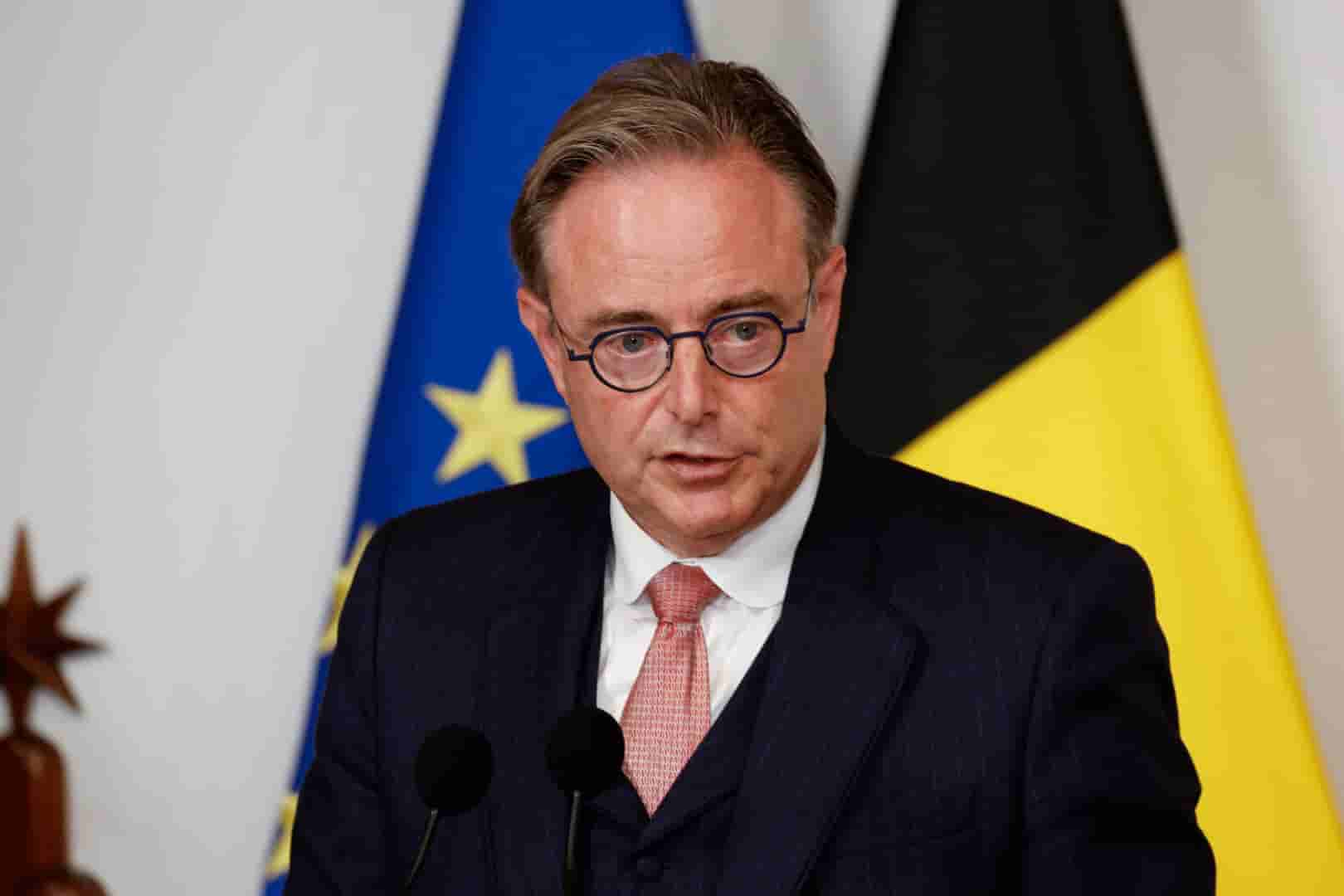
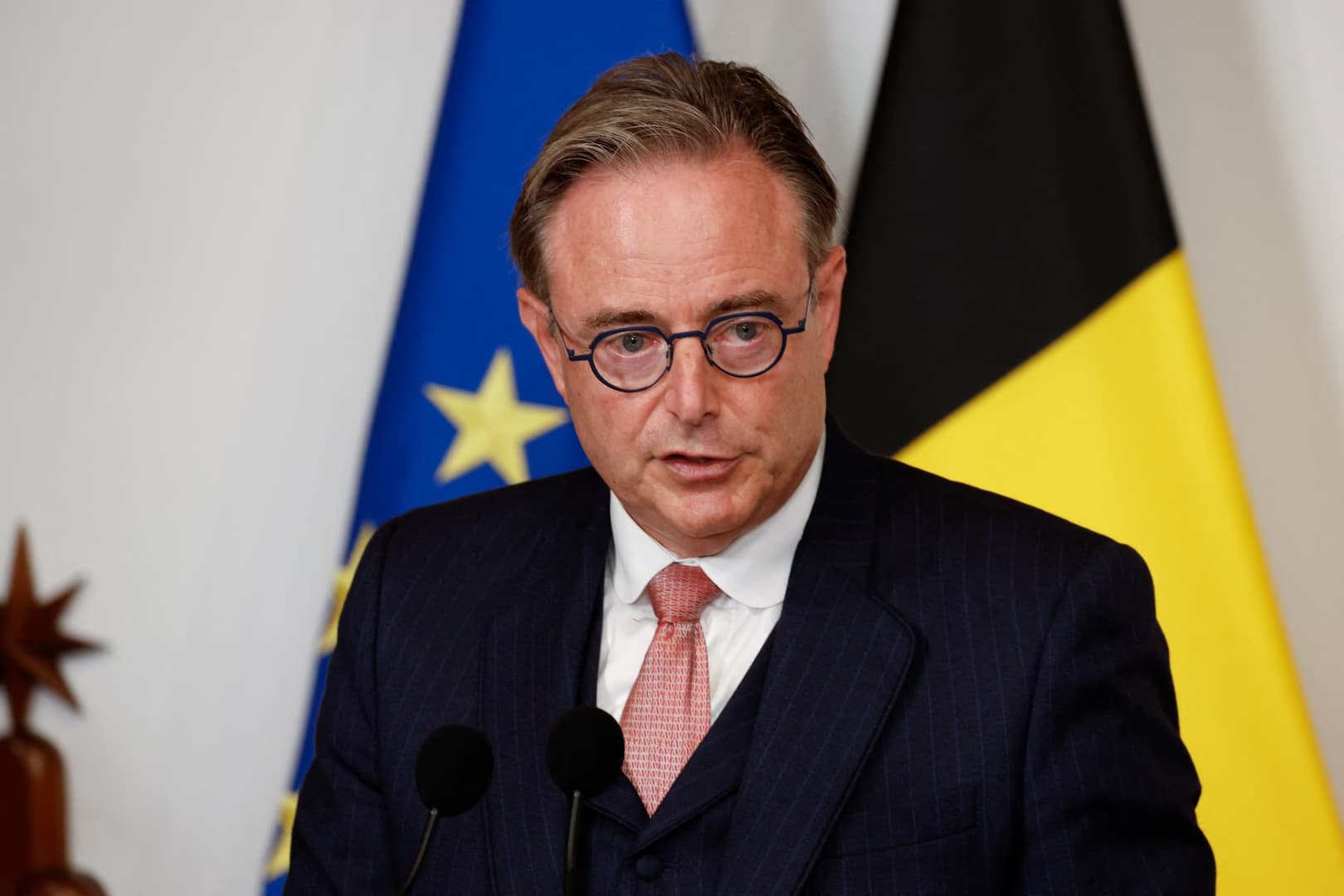
Belgian Prime Minister Bart De Wever moved Monday, Nov. 2, to hand his government's resignation to King Philippe after his five-party coalition failed to agree on about €10 billion in budget savings, plunging the country into what Belgian public broadcaster VRT called an official political crisis.
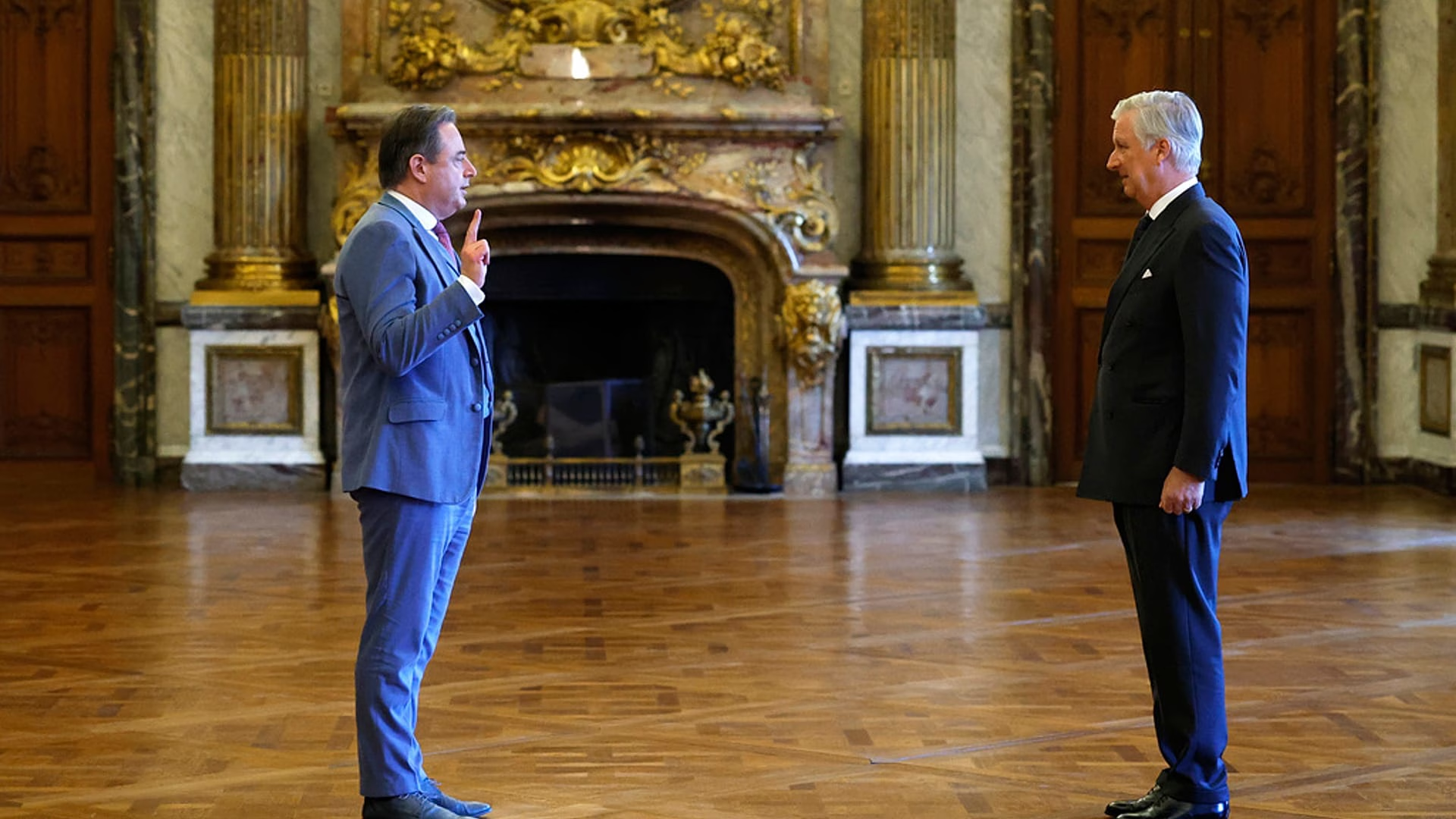
Negotiators parted ways around 1 a.m. after a core cabinet meeting that began Sunday evening ended without a deal. The King, who had been scheduled to be on holiday until Nov. 11, cut his break short to receive De Wever at the palace on Monday morning.

'The strongest shoulders'
The standoff is largely a left-right split. Flemish socialists Vooruit, centrists Les Engagés and Christian Democrats CD&V want people with "the strongest shoulders" to contribute more, while De Wever's Flemish nationalist N-VA and the Francophone liberal MR favor cuts in healthcare spending. Vooruit leader Conner Rousseau raised his demand for a contribution from the wealthy to €1.5 billion, while De Wever capped it at €1 billion in his own budget table.
MR Deputy Prime Minister David Clarinval warned against "too much taxation," and his party dismissed a new list of measures from Les Engagés, including a higher capital gains tax, as a "fiscal horror list." Foreign Minister Maxime Prévot of Les Engagés said listing all the sticking points would take "an eternity."
What happens next
The King is widely expected to hold the resignation in abeyance rather than accept it, giving the parties more time. Offering the resignation does not automatically trigger elections, and a new majority could in principle be formed. A year ago, De Wever asked the King for more time instead of resigning, and the coalition agreed on €9.2 billion in savings on Nov. 24, 2025.
Without a deal, Belgium would start the new year on provisional monthly "twelfths" based on this year's budget, an outcome De Wever has vowed to avoid. Belgian bond yields have risen sharply in recent months amid concern over the country's deficit and debt.
Have a story, event or announcement of your own?Send us your news on WhatsApp
Spotted an error in this story?Report it on WhatsApp
Share on all social platforms
Sponsored Ads
Featured Listings
Loading featured properties...
Stay Updated with Ally Daily
Subscribe to be informed about special news, developments and announcements. We will keep you informed.
By signing up, you agree to our Privacy Policy