Regional mediators have introduced a new ceasefire plan to halt the escalating tensions between the US and Iran. The initiative, led by Qatar, Egypt and Pakistan, envisions a 10-day ceasefire and the reopening of the Strait of Hormuz to global maritime traffic.
According to Axios, the mediators conveyed this plan to both Washington and Tehran. The proposal requires that the southern shipping lane of the strait be cleared of Iranian attacks and that the northern route be freed from the US naval blockade.
Washington's Dual Approach
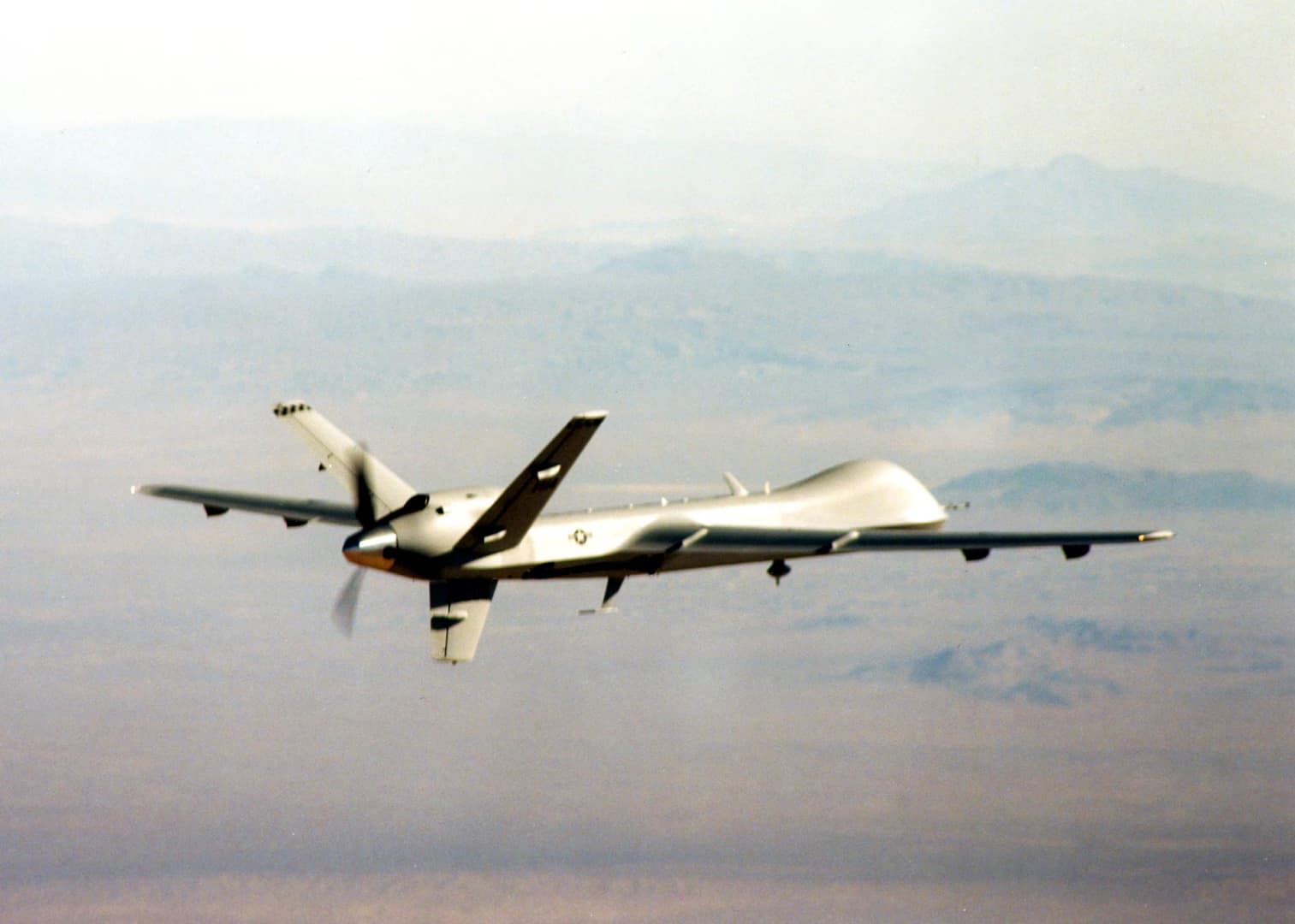
US officials said the Trump administration is evaluating the mediators' proposal and has warned Israel to avoid steps that would close the diplomatic window. At the same time, however, Washington has sent dozens of warplanes and refueling aircraft to the Middle East in case the negotiations fail.
A senior US official stated that negotiations are ongoing but that President Trump has not yet completed the retaliation process. The official said, 'The president will make Iran pay for the recently killed US soldiers. These devastating strikes will continue until the president decides otherwise.'

Military Preparations and Past Talks
Israeli sources reported that the military is on high alert and preparing for a regional war that could turn into a large-scale military operation within days.
The mediation efforts came on the tenth night of US airstrikes against Iran and after the killing of three US soldiers in Jordan and Iraq. President Trump announced that he had ordered the Pentagon to make Iran pay a multiplied price for every US soldier killed.
A regional source said this initiative is based on a similar proposal discussed earlier on July 11 in Muscat, the capital of Oman. At that time, the US demanded that Iran publicly announce its commitment to keeping the Strait of Hormuz open, but no agreement was reached. Shortly after, when Iran attacked commercial ships in the strait, US bombing resumed.
Long-Term Plans for the Strait of Hormuz
During the envisaged ceasefire period, the US and Iran are expected to negotiate a long-term arrangement to regulate maritime traffic in the Strait of Hormuz. Two options are on the table.
The first option is to allow Iran to charge ships a 'reasonable service fee' in return for services such as maritime security and environmental protection. It is noted that Malaysia, Indonesia and Singapore implement a similar model in the Strait of Malacca. The second proposal involves depositing the collected fees into a joint fund that would be managed with the participation of the International Maritime Organization.
Iranian Foreign Ministry Spokesperson Ismail Bekayi confirmed that mediators are working to avoid escalating tensions. A regional source, however, stated that the White House might seriously consider the ceasefire proposal after bombing Iran for a few more days, citing revenge for the US soldiers killed in the region.