- BIST10011,909+0.56%
- USD50.28+0.05%
- EUR55.60-0.24%
- GOLD3,866.00-0.52%
- INTEREST36.00%-1.00
- BITCOIN64,461-1.31%
- November 16, 20262°
- BIST10011,909+0.56%
- USD50.28+0.05%
- EUR55.60-0.24%
- GOLD3,866.00-0.52%
- INTEREST36.00%-1.00
- BITCOIN64,461-1.31%
- November 16, 20262°
Alabama-built Vulcan rocket fails 10 minutes into flight, losing 40 Amazon satellites
United Launch Alliance suffered the first total mission failure in its 20-year history on Sunday when its Vulcan rocket malfunctioned during the upper-stage burn. The loss is a fresh blow to Amazon's Starlink rival and another hurdle for the Space Force, which paused Vulcan's national security launches in February.
Ally Daily Editorial DeskUpdated:


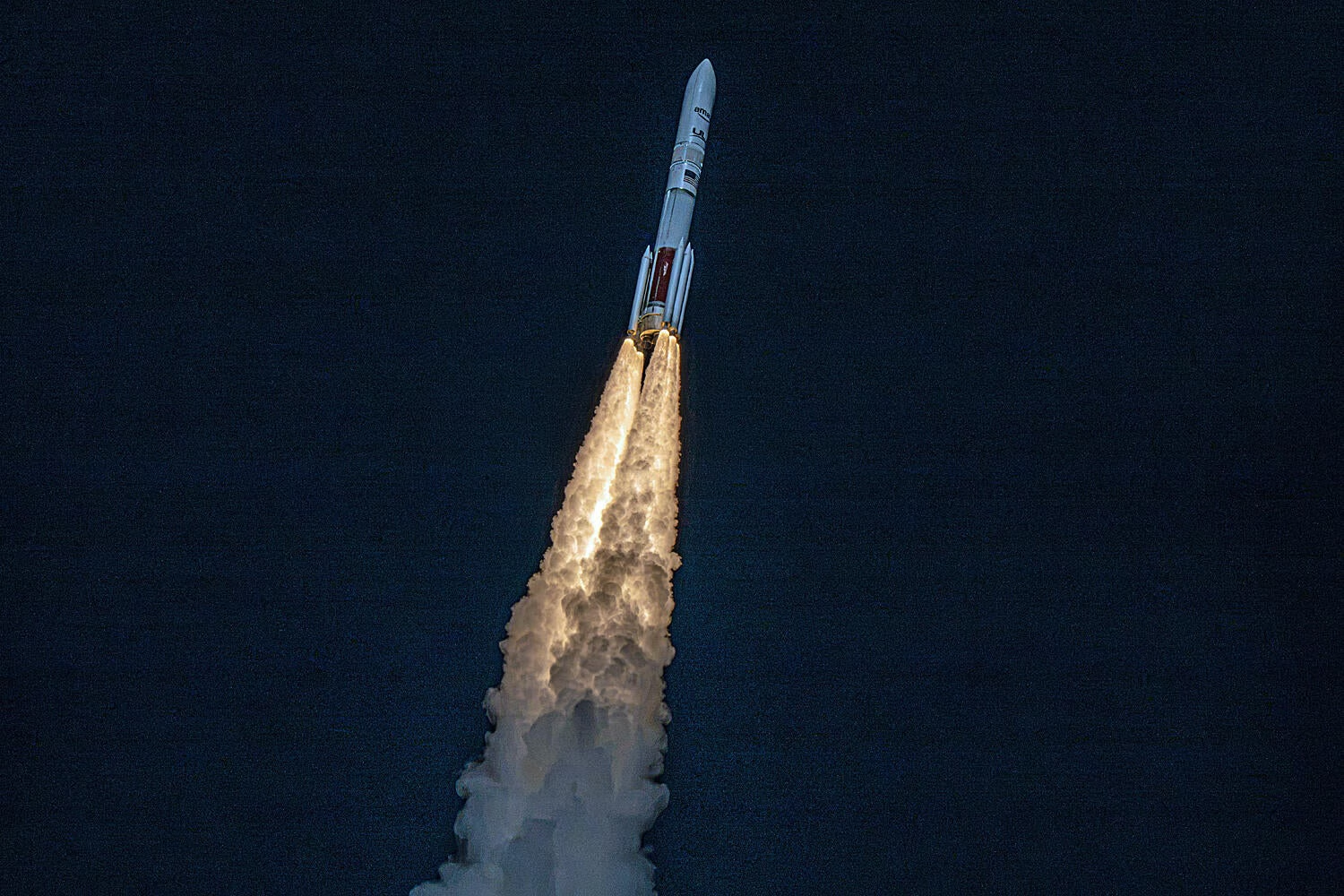
A Vulcan rocket built at United Launch Alliance's factory in Decatur, Alabama, failed about 10 minutes after liftoff from Cape Canaveral Space Force Station on Sunday, Nov. 15, destroying all 40 Amazon Leo internet satellites on board. It was the first outright mission failure for ULA since Boeing and Lockheed Martin formed the joint venture in 2006.
The 214-foot rocket climbed away from Space Launch Complex 41 at 12:40 p.m. ET, at the very end of its launch window, CBS News reported. Friday's attempt had been scrubbed after a gaseous nitrogen plant serving several launch providers failed, Saturday's was called off over network problems between the rocket and ground systems, and on Sunday controllers held the countdown at T-minus 20 seconds to fix an unexplained technical issue. It was Vulcan's first flight in nine months.
"Today, we did not meet that standard"
"Based on data received by our Launch Director, we confirm that the Vulcan vehicle launched from Space Launch Complex 41 suffered an anomaly 10 minutes into the flight and failed to deliver the Amazon mission to orbit," ULA said in a statement about 50 minutes after liftoff.
"ULA exists to provide assured access to space for our nation and for the customers who depend on us," the company added. "That purpose is why we take on some of the hardest missions in spaceflight, and why we hold ourselves to the standard of mission success. Today, we did not meet that standard." ULA said it does not yet have data explaining the failure and will work with Amazon and other organizations to find the cause and return to flight "as quickly as possible."
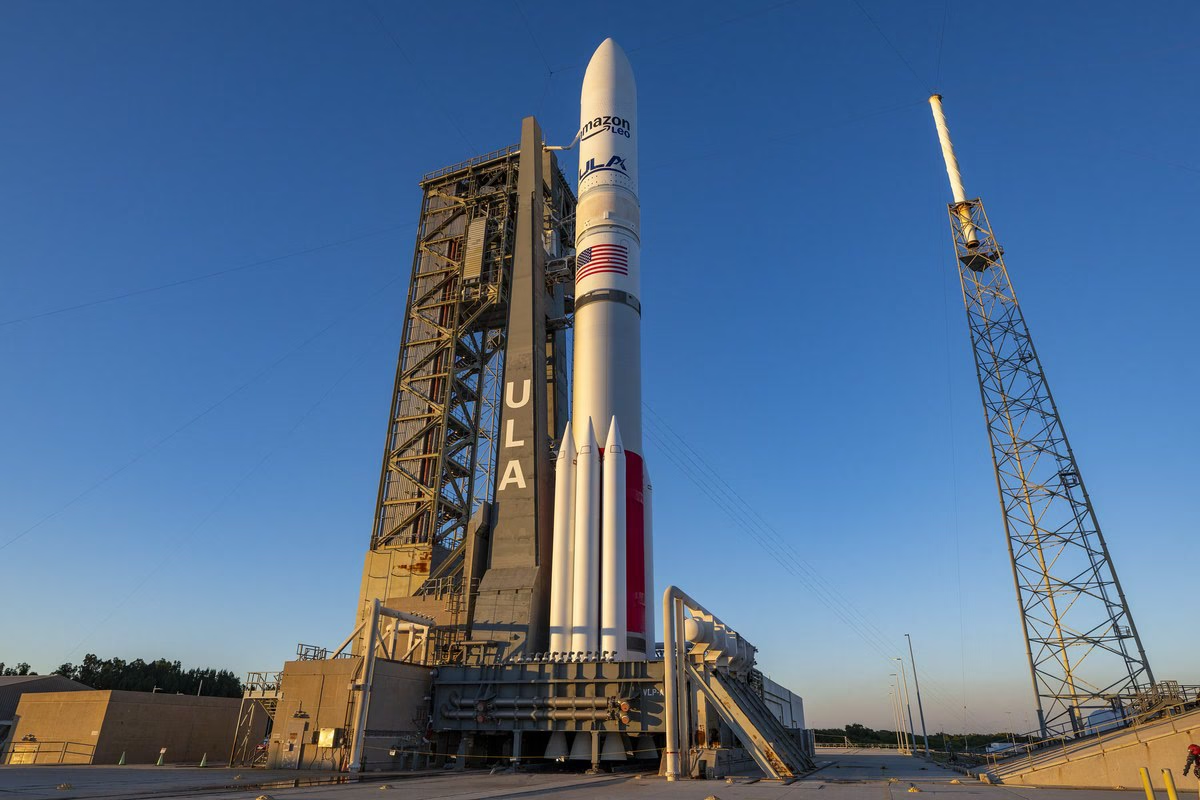
The six Northrop Grumman solid rocket boosters, whose nozzles failed on two earlier Vulcan flights, appeared to work normally and fell away about 100 seconds into the climb. But the first stage, powered by two Blue Origin BE-4 engines, appeared to fire longer than ULA's pre-launch timeline called for, CBS News and Spaceflight Now reported. Something then went wrong during the Centaur V upper stage's planned burn of 12 minutes and 15 seconds on its two L3Harris RL10 engines.
A blow to Amazon's Starlink rival
"There is risk with any launch, and that's especially true for inaugural missions like LV-01," Amazon Leo said. "ULA has been a trusted partner for Amazon, and we believe they'll learn from this mission and deliver on their long-term plans for Vulcan."
Sunday's flight was the first of 38 Vulcan launches Amazon has bought, and the rocket is slated to carry more than 1,500 of the company's first-generation satellites. Amazon had launched 396 Leo satellites on 14 missions since April 2025, GeekWire reported, most recently on ULA's older Atlas V in July. Its other main ride, Blue Origin's New Glenn, has been grounded since an explosion on the pad in May.
The timing is tight. The Federal Communications Commission let Amazon keep deploying after it missed a July 2026 deadline to have about 1,600 satellites in service, but the company still has to put all 3,232 first-generation satellites into operation by July 2029.
Space Force and Decatur on hold
The failure also complicates the Pentagon's plans. The U.S. Space Force suspended national security missions on Vulcan after a booster nozzle malfunction in February and had planned to review Sunday's flight data, flown with redesigned nozzles, before deciding whether to resume them, The Decatur Daily reported. ULA CEO Mark Peller had told Aviation Week before the flight that engineers had "identified three credible causes" of the nozzle problem.
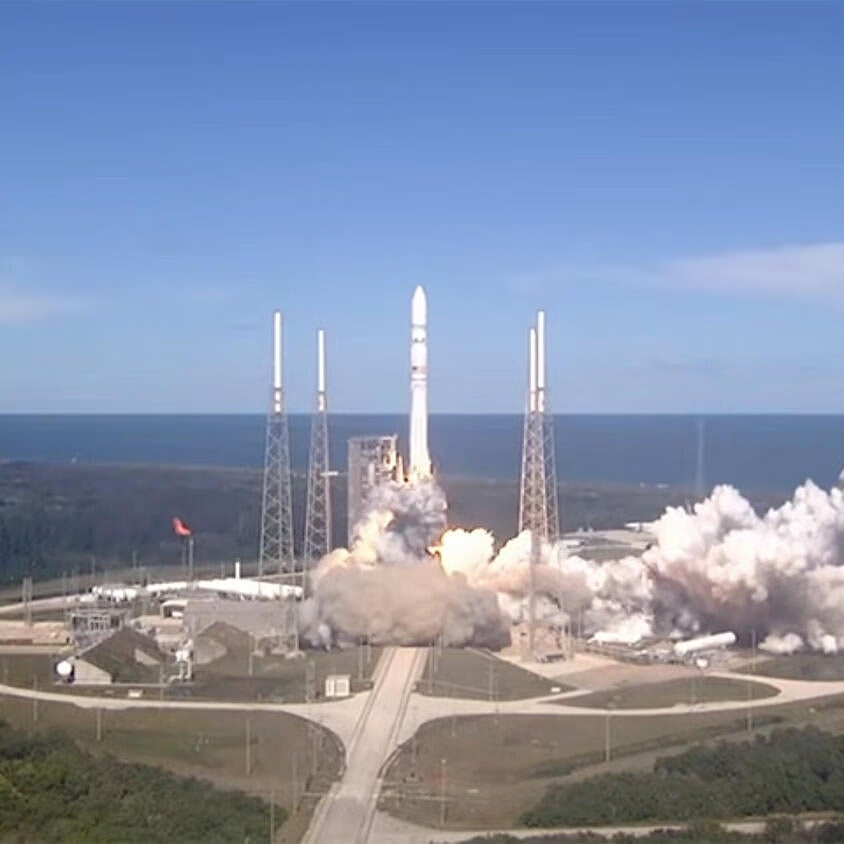
Vulcan's main booster and Centaur upper stage are built and assembled in Decatur, a 2.2-million-square-foot plant on the Tennessee River that employs more than 1,000 people, AL.com reported. Amazon missions were expected to make up about two-thirds of launches of rockets built there over the next couple of years. NASA Administrator Jared Isaacman offered his agency's help with the investigation: "Artemis, Moon Base, and the nation need ULA. We are in your corner and here to help."
Cover photo and second photo: Michael Cain/Spaceflight Now. Pad photo and liftoff photo: United Launch Alliance. Sources: United Launch Alliance, Amazon Leo, CBS News, GeekWire, AL.com, The Decatur Daily, Anadolu Agency.
Have a story, event or announcement of your own?Send us your news on WhatsApp
Spotted an error in this story?Report it on WhatsApp
Share on all social platforms
Sponsored Ads
Featured Listings
Loading featured properties...
Stay Updated with Ally Daily
Subscribe to be informed about special news, developments and announcements. We will keep you informed.
By signing up, you agree to our Privacy Policy