- BIST10011,909+0.56%
- USD50.28+0.05%
- EUR55.60-0.24%
- GOLD3,866.00-0.52%
- INTEREST36.00%-1.00
- BITCOIN64,461-1.31%
- November 16, 20262°
- BIST10011,909+0.56%
- USD50.28+0.05%
- EUR55.60-0.24%
- GOLD3,866.00-0.52%
- INTEREST36.00%-1.00
- BITCOIN64,461-1.31%
- November 16, 20262°
NASA’s Voyager 1 hits one light-day Wednesday as JPL keeps the 1977 probe alive
The probe will be about 16.09 billion miles from Earth at 5:16 a.m. EST on Nov. 18, so a command from mission control takes a full day to arrive and two days to get an answer. NASA is inviting Americans to flash Voyager’s call sign in Morse code on Tuesday night.
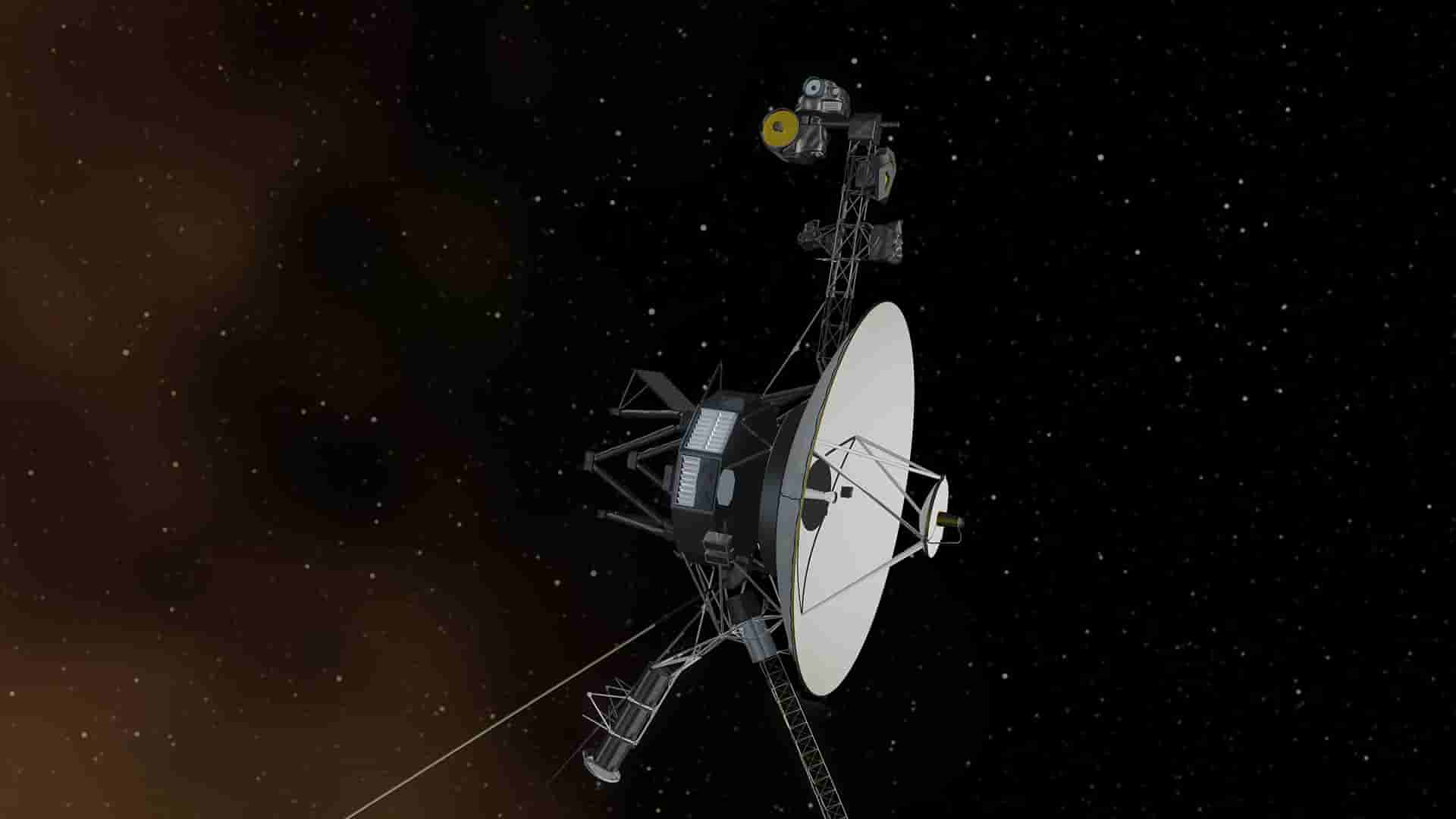
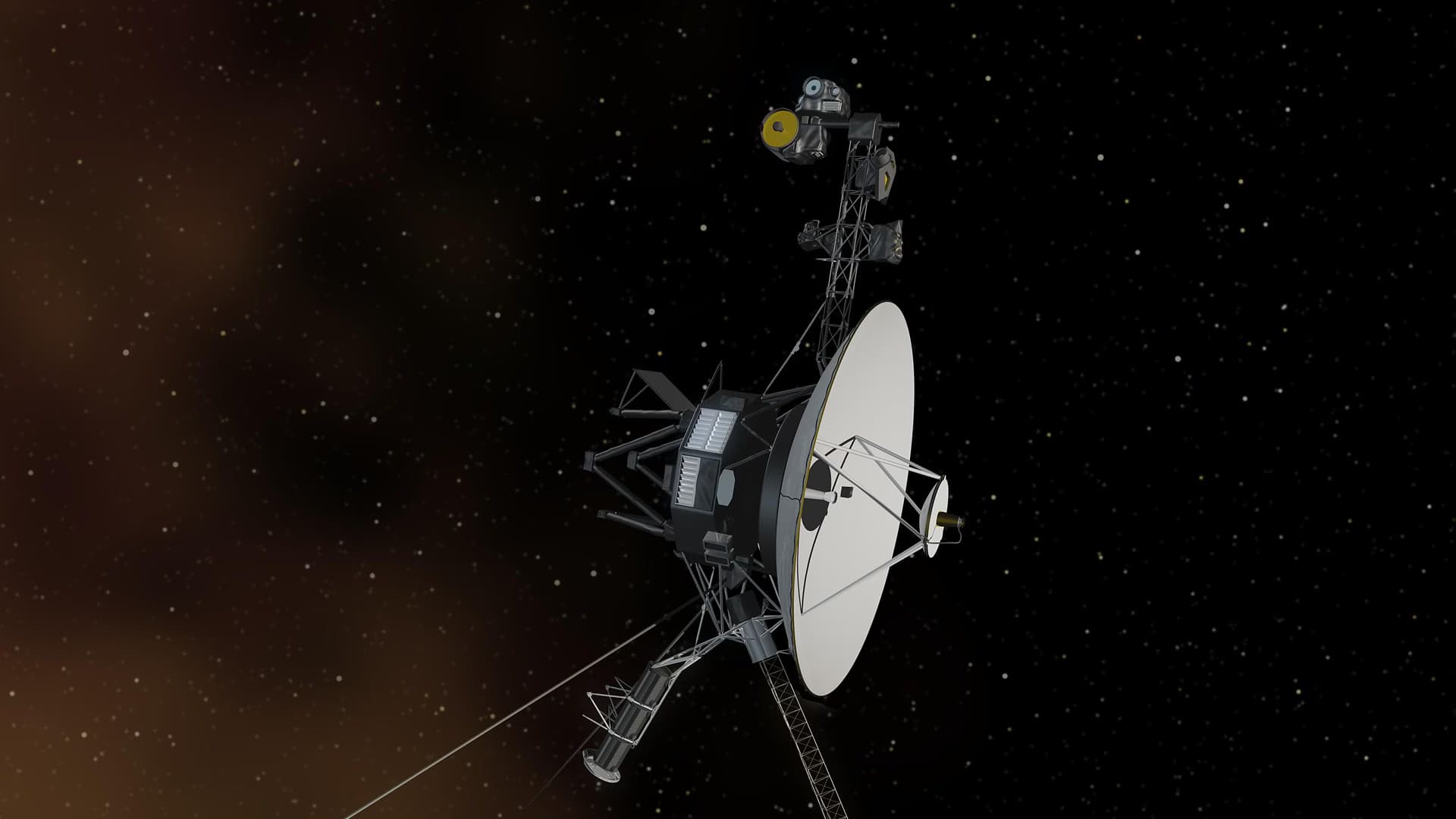
NASA’s Voyager 1 will become the first human-made object to reach one light-day from Earth on Wednesday, nearly 49 years after it lifted off from Cape Canaveral, Florida. At 5:16 a.m. EST on Nov. 18, the spacecraft will be about 16.09 billion miles (25.9 billion kilometers) away, so far that its radio signals, moving at the speed of light, need exactly 24 hours to reach home.
For the small team that flies the probe from NASA’s Jet Propulsion Laboratory in Pasadena, California, the milestone is mostly a lesson in patience. “If you want to say ‘hello’ to Voyager, you send your message and then you go home and you wait two days before you finally get a response,” said project manager Suzanne Dodd, who has worked on the mission since 1984. Nothing will change aboard the spacecraft when it crosses the line, according to the Voyager team.
A skeleton crew and a shrinking power budget
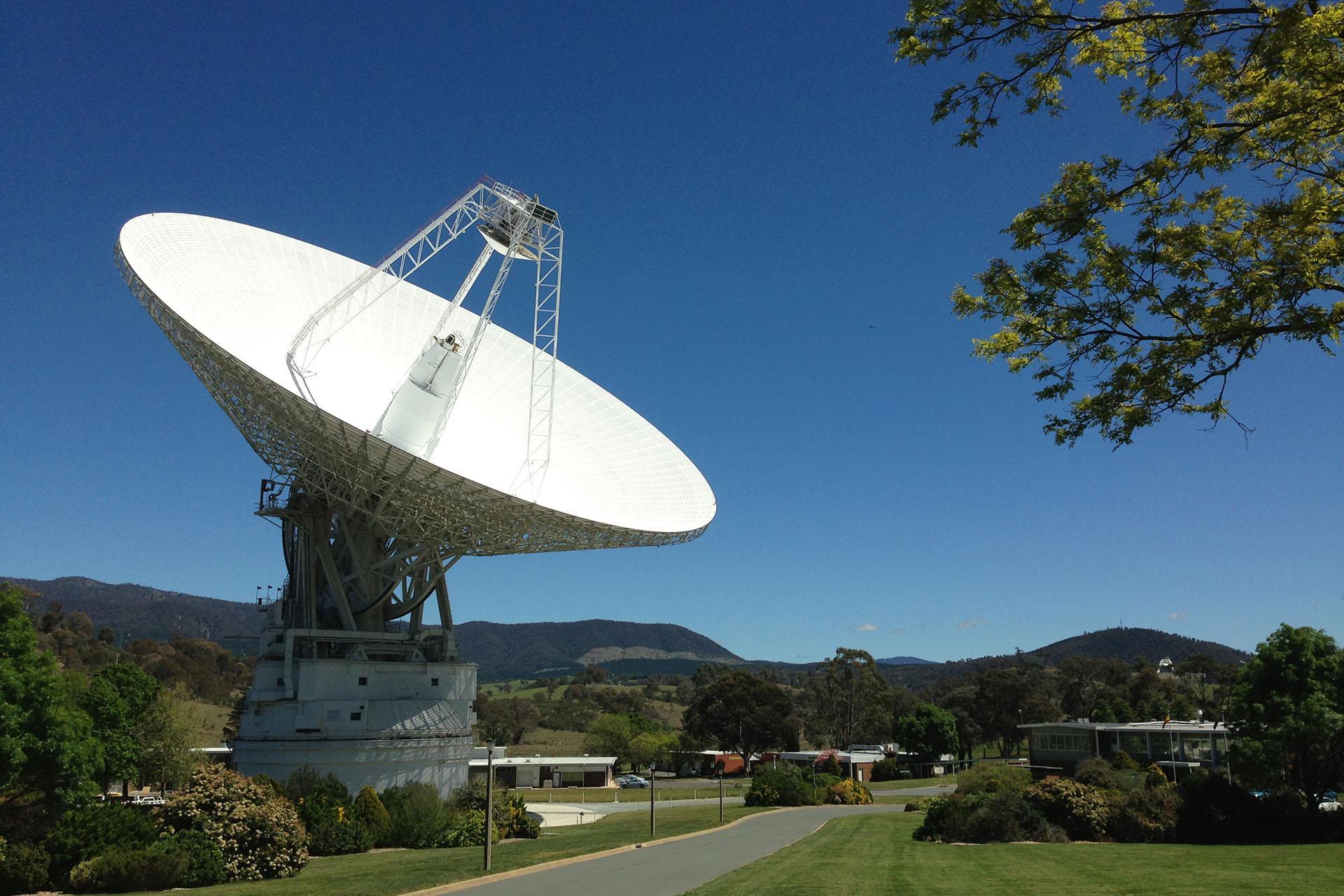
Only antennas as sensitive as those of NASA’s Deep Space Network can still pick up Voyager 1’s faint signal. The flight team sends commands about once a week, and when something goes wrong it sometimes calls on retirees who once worked on the project, the Associated Press reported. Dodd called the probe “a national treasure.”
Keeping it running is getting harder. Voyager 1 runs on radioisotope thermoelectric generators that turn the heat of decaying plutonium into electricity, and both Voyagers lose about 4 watts a year, according to JPL. In September, engineers switched off three devices on Voyager 1 and replaced them with lower-power alternatives, a swap meant to postpone shutting down another science instrument that could otherwise have gone dark as early as summer 2027. Two instruments, one measuring magnetic fields and one listening for plasma waves, are still working.
Weeks later the probe went quiet. The team missed its signal during scheduled contacts on Oct. 18 and 19 before hearing it again on Oct. 20, and found that one set of thrusters had gone offline and backups had switched on automatically. “This is the first time we’ve seen the spacecraft do something like this, but we are also at a point in the mission where we have to expect the unexpected,” said Kareem Badaruddin, Voyager mission manager at JPL.
From Jupiter to interstellar space
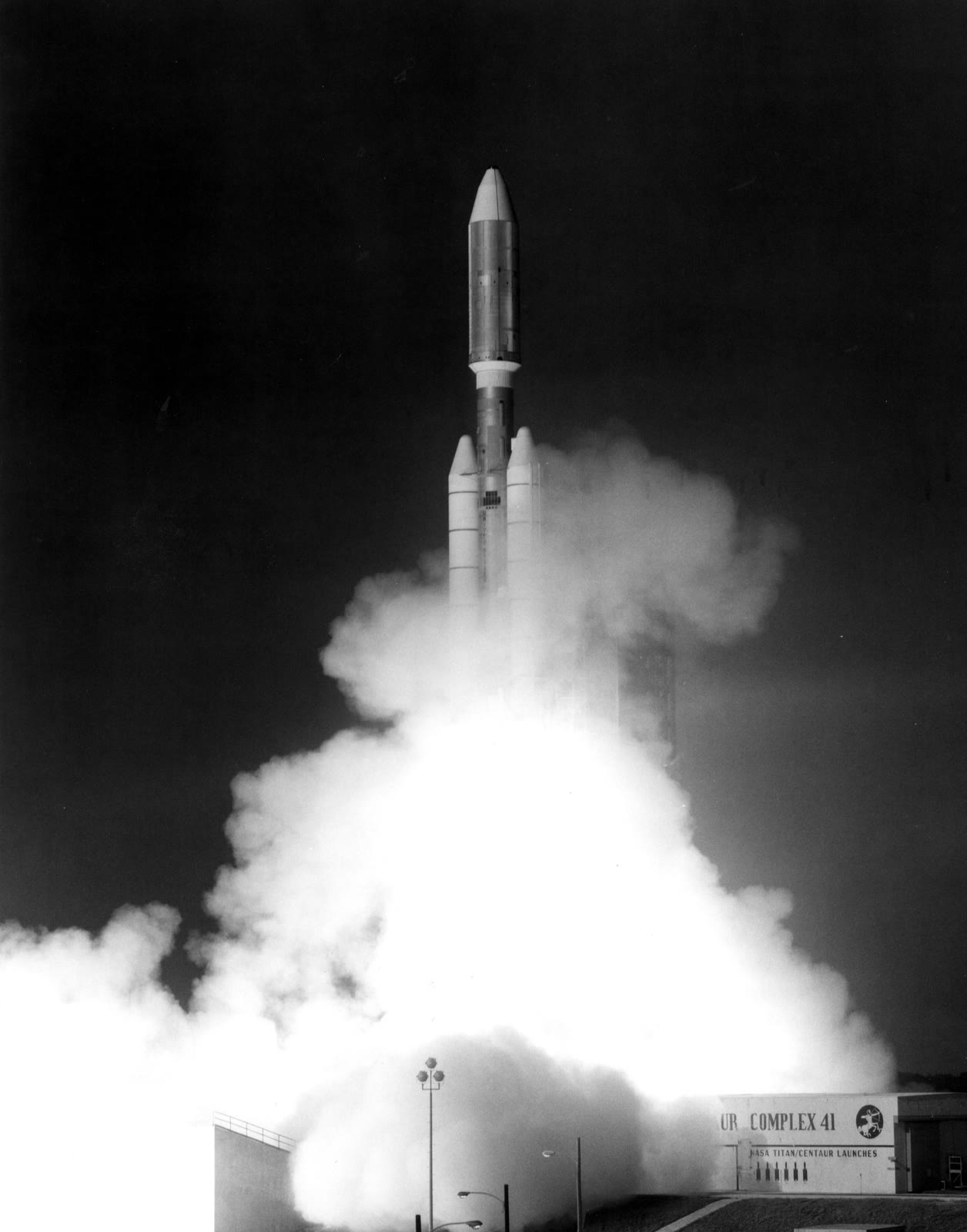
Launched on Sept. 5, 1977, Voyager 1 flew past Jupiter in 1979 and Saturn in 1980, then in 2012 became the first spacecraft to reach interstellar space, the region beyond the bubble of solar wind that surrounds our solar system. Traveling at about 38,000 mph, it would need roughly 18,000 more years to cover a full light-year. Its twin, Voyager 2, launched two weeks earlier on a longer route, will not reach the one light-day mark until 2035.
To celebrate, NASA is asking people across the country and around the world to go outside after sunset on Tuesday and use a phone or flashlight to blink V-G-R, Voyager’s call sign, in Morse code. While most people alive today were not yet born when the Voyagers launched, “all of us — everyone on Earth — have been touched by these missions,” said Bill Nye, CEO of the Planetary Society, which Carl Sagan co-founded.
Images: NASA/JPL-Caltech
Have a story, event or announcement of your own?Send us your news on WhatsApp
Spotted an error in this story?Report it on WhatsApp
Share on all social platforms
Sponsored Ads
Featured Listings
Loading featured properties...
Stay Updated with Ally Daily
Subscribe to be informed about special news, developments and announcements. We will keep you informed.
By signing up, you agree to our Privacy Policy