- BIST10011,577-1.87%
- USD49.58+0.05%
- EUR55.62+0.09%
- GOLD4,143.50-0.16%
- INTEREST37.00%-1.00
- BITCOIN84,120+1.42%
- October 22, 202612°
- BIST10011,577-1.87%
- USD49.58+0.05%
- EUR55.62+0.09%
- GOLD4,143.50-0.16%
- INTEREST37.00%-1.00
- BITCOIN84,120+1.42%
- October 22, 202612°
Annual renewal process expected for USMCA's July 1 review
The first mandatory review of the USMCA trade agreement between the US, Mexico and Canada will take place on July 1. Analysts say uncertainty for businesses will increase if the agreement is not renewed and a yearly review process is adopted.


The future of the North American free trade agreement USMCA remains uncertain ahead of its first mandatory joint review on July 1. US President Donald Trump's fluctuating stance on the deal reduces the likelihood of renewal, while analysts consider a shift to an annual review process as the most likely scenario.
USMCA's History and Review Process
USMCA, which Trump pushed to replace the North American Free Trade Agreement (NAFTA) during his first term, came into effect on July 1, 2020. On the sixth anniversary of the agreement, which is set to expire after 16 years, the three countries will decide whether to extend it for another 16 years.
However, the outcome of the review process is uncertain. If none of the three countries commits to an extension, an annual review process will be triggered until 2036. Tony Stillo, Director of Canadian Economics at Oxford Economics, said, "We could face mandatory annual reviews, but that also means continued uncertainty, which is a negative situation for business decision-making."
Trump's Stance
Vina Nadjibulla, Deputy Director of Research at the Asia Pacific Foundation of Canada, said the dynamics of the July negotiations are uncertain. Noting that in the worst-case scenario, any party could cancel the agreement entirely with six months' notice, Nadjibulla indicated Trump might lean in that direction: "He said he wished USMCA did not exist."
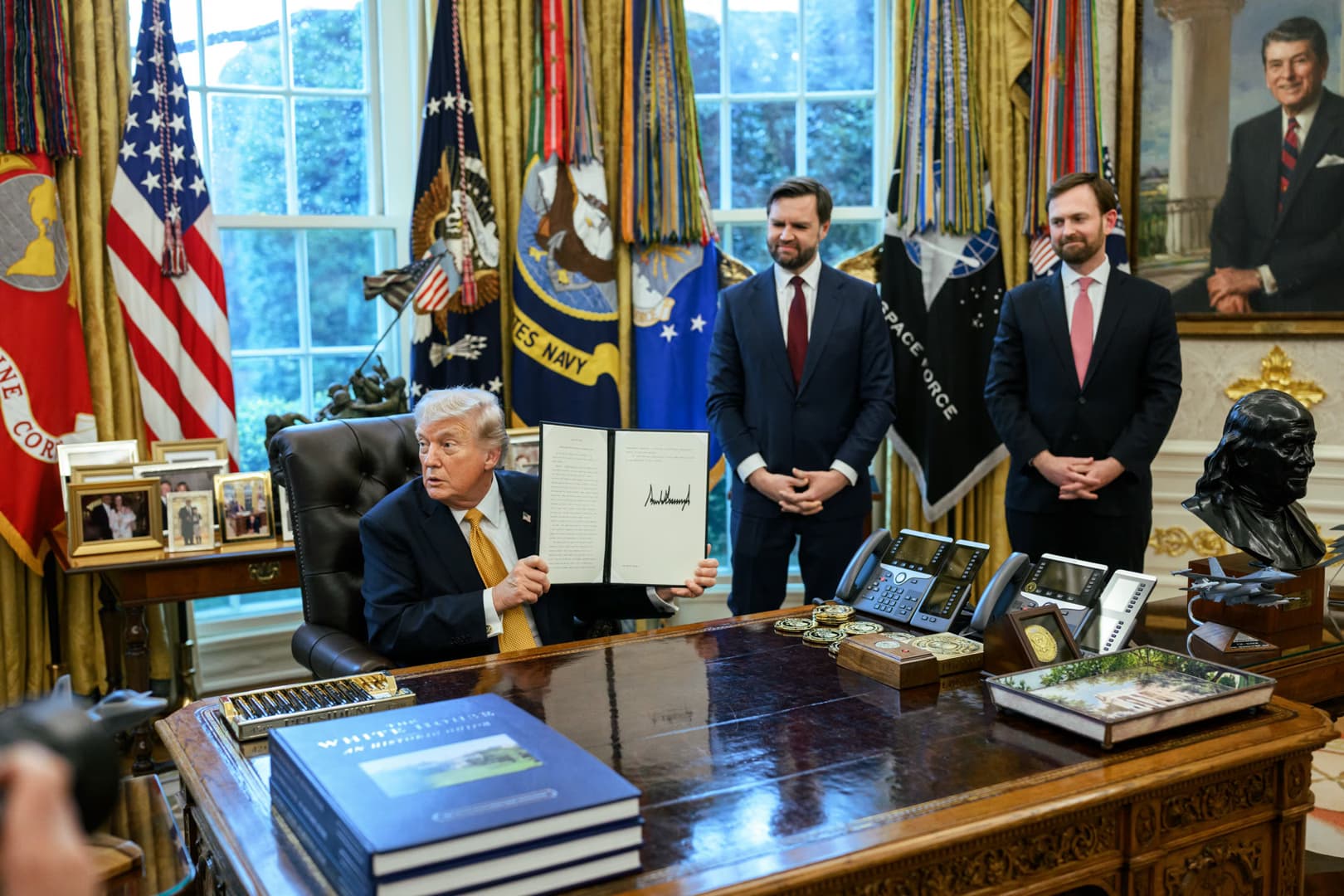
Trump told reporters on June 10 that he was not sure he would renew the deal: "I don't know if I'll renew it. We're talking to them. Let's see if we do something?" A week later, during a visit to Paris, he maintained the uncertainty by saying, "I wouldn't prefer the deal, but I could sign it."
Canada and Mexico's Position
Canadian and Mexican leaders, however, want the agreement to continue. USMCA has provided critical protection for the two countries, especially against the tariffs Trump imposed during his second term. Goods covered by the agreement have largely been exempt from additional duties.
However, the Trump administration imposed taxes on even USMCA-compliant goods using different legal tools. Using Section 232 of the Trade Expansion Act, it imposed a 50 percent tariff on Canadian steel, aluminum and copper, a 25 percent tariff on non-US content of USMCA-compliant automobiles, and a 10 percent additional tariff on some lumber products.
Risk to US Exports
USMCA has also provided a major advantage for US businesses exporting products such as auto parts, aircraft, oil and computers to Canada and Mexico. According to data analysis by the Peterson Institute for International Economics, a large portion of some US states' exports go to these two countries under USMCA. For example, North Dakota sent 89.9 percent of its exports last year to Canada and Mexico, Michigan 64.9 percent, Iowa 50 percent, and Arizona 39 percent. All four states voted for Trump in the 2024 election.
Gary Hufbauer from the institute said the cancellation of USMCA poses a danger to US exports. He noted that if the agreement ends, the US could impose more tariffs on Canadian and Mexican products, which could lead to retaliation and a search for alternatives to US goods.
Global Implications
Hufbauer warned that a failed USMCA review could cause long-term damage to cross-border relations: "The bigger impact for the US is the erosion of our alliances and friendships around the world. The political dimension is much larger than the economic one."
Stillo said the USMCA review is taking place amid a broader global restructuring process where traditional alliances are being tested. "We are in a much more fragmented world. It's not a complete exit from globalization, but we definitely see a fracture in regional blocs," Stillo said, adding that Canada may have to diversify its trading partners.
Stay Updated with Ally Daily
Subscribe to be informed about special news, developments and announcements. We will keep you informed.
By signing up, you agree to our Privacy Policy