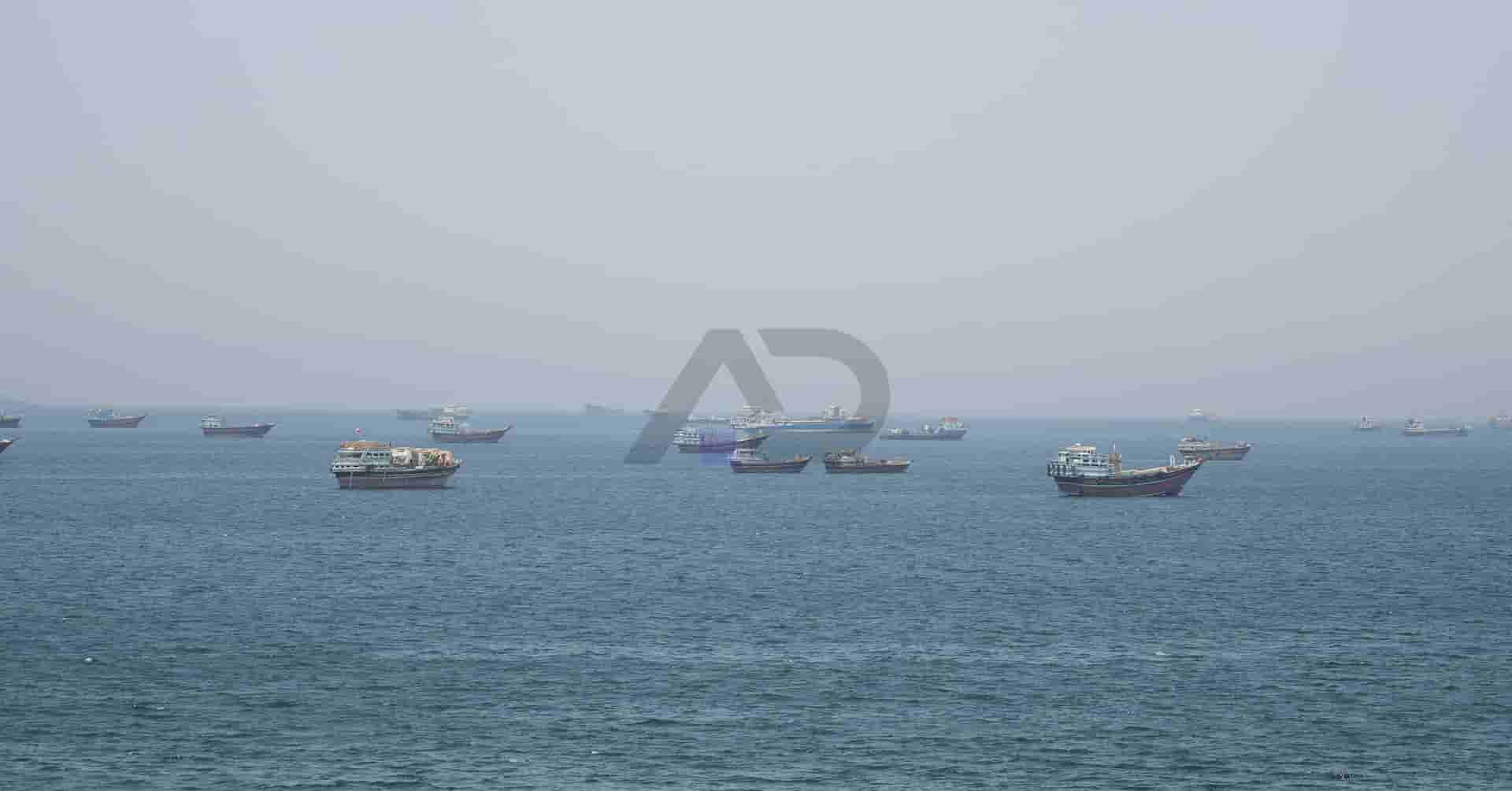
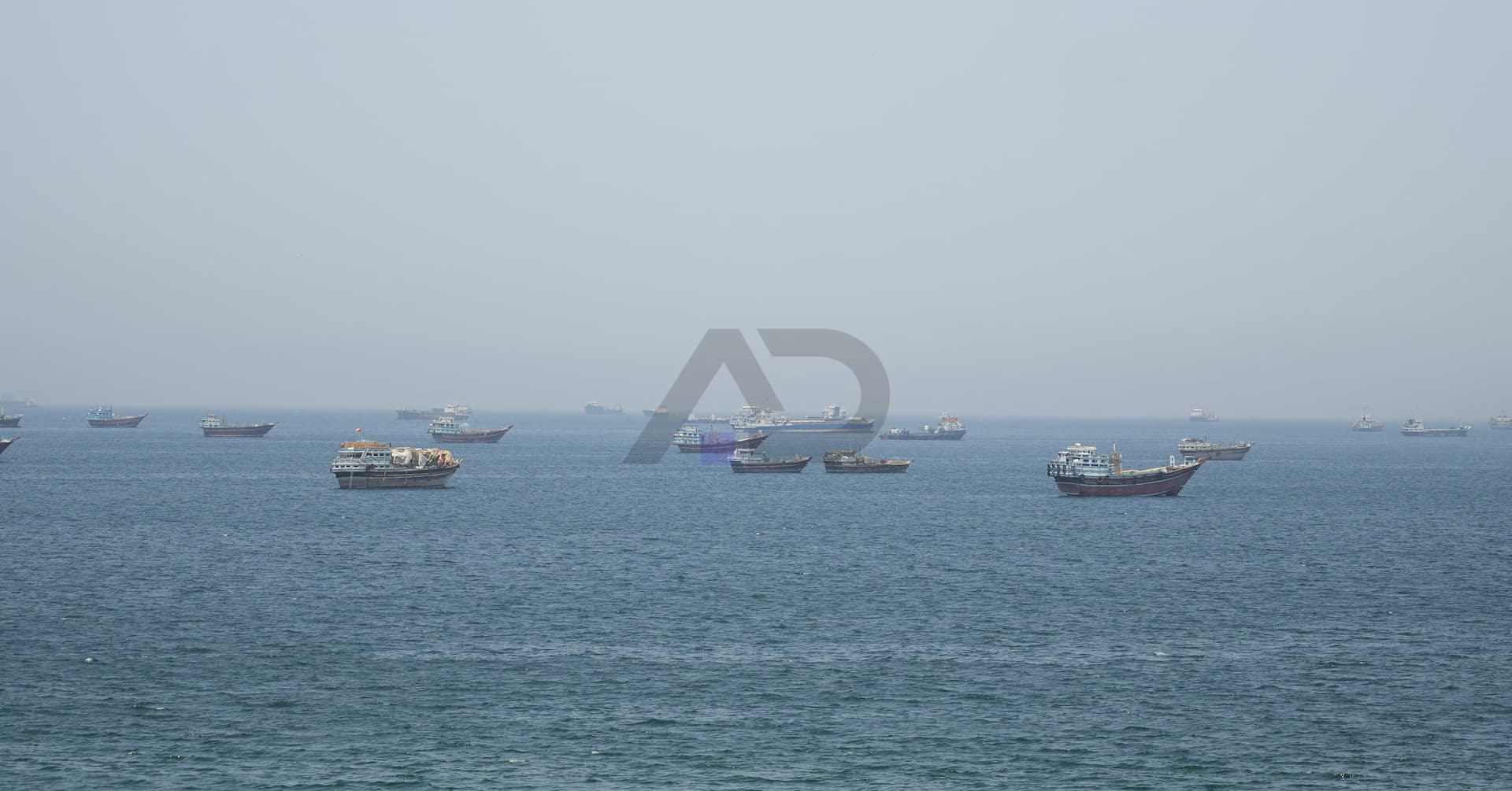
Commercial ship traffic in the Strait of Hormuz has rapidly recovered after the end of the US/Israel-Iran war. On June 24, 70 ships passed through the strait, recording the highest daily traffic since February 28.
Before the war, the strait saw an average of 130 ships daily; on February 28, when the war started, this number declined to 78, and in the following days it dropped to 90 percent below the pre-war level.
Recovery After the Agreement
With the 14-point agreement reached between the US and Iran on June 14, signed and put into effect on June 18, ship movements in the strait began to increase noticeably. According to data from data analytics company Kpler, as of June 24, daily ship transits reached 70, the highest level since the start of the war. Ship traffic showed an increase of over 100 percent compared to the previous day.
Departing primarily from ports in the United Arab Emirates, Saudi Arabia, Iraq and Iran, supertankers carrying at least 11 million barrels of crude oil were among the ships that passed through the strait on June 24.
First Western Shipment to Greece
The Greek-flagged tanker Prudent Warrior, which departed from the United Arab Emirates, is heading toward Greece with approximately one million barrels of crude oil. While most ships using the Strait of Hormuz during the war headed to Asia and some African countries, this shipment became the first oil delivery to a Western country after the conflict.
Additionally, two tankers carrying over 1.8 million barrels of dirty petroleum products from the UAE and another tanker carrying 500,000 barrels of clean petroleum products from Kuwait passed through the strait on the same day.
Other Cargo Ships Also Passed
On June 24, not only oil tankers but also ships carrying dry cargo, LPG, grain and fertilizer passed through the strait.
Before the war, nearly 20 million barrels of oil — 15 million barrels of crude and 5 million barrels of petroleum products — were shipped through the Strait of Hormuz daily. Whether commercial activity in the region will return to normal will depend on the durability of the ceasefire.