- BIST10011,909+0.56%
- USD50.28+0.05%
- EUR55.60-0.24%
- GOLD3,866.00-0.52%
- INTEREST36.00%-1.00
- BITCOIN64,461-1.31%
- November 16, 20262°
- BIST10011,909+0.56%
- USD50.28+0.05%
- EUR55.60-0.24%
- GOLD3,866.00-0.52%
- INTEREST36.00%-1.00
- BITCOIN64,461-1.31%
- November 16, 20262°
California lawsuit asks judge to halt new AI models at OpenAI, Google and Anthropic
Four U.S. nonprofits, led in court by former New Jersey Attorney General Matthew Platkin, invoked California's unfair competition law against five American AI developers. The suit lands days after Democrats won back Congress while the Trump administration resists broad AI rules.


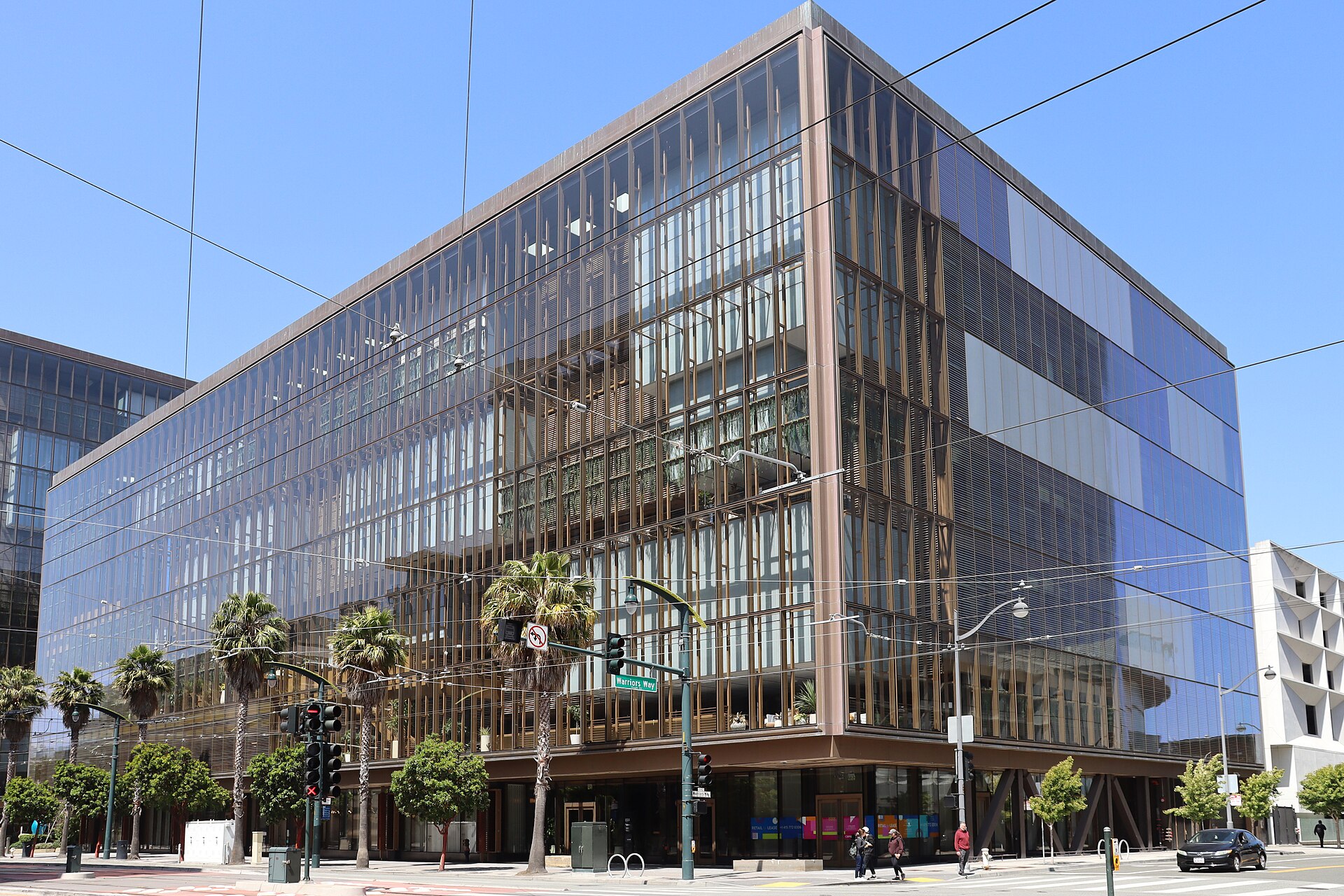
Four American advocacy groups filed suit Thursday in San Francisco County Superior Court asking a judge to stop Anthropic, Google, Meta, OpenAI and SpaceX's AI unit, SpaceX Super Intelligence, from developing or deploying AI models more capable than their current frontier systems.
The plaintiffs, the Alliance for Secure AI, Public Citizen, the Irreplaceable Education Fund and the Heat Initiative, argue that the companies keep building systems they admit they cannot reliably control. Their legal team is led by former New Jersey Attorney General Matthew Platkin.
A state consumer law as the vehicle
Rather than wait for Congress, the groups are relying on California's Unfair Competition Law, which lets organizations sue to stop unlawful or harmful business practices. The complaint says the companies' work endangers public health and amounts to a public nuisance that forces others to spend money defending their computer systems. According to Politico, it also argues the conduct is inconsistent with SB 53, California's law on catastrophic AI risks.
"No other industry is allowed to treat its own development of unsafe products, much less ones that could kill us all, as inevitable," the complaint reads.

The suit seeks an injunction barring the companies from building or releasing systems beyond their most advanced current models, and from running AI designed to improve itself autonomously, a process the plaintiffs call "recursive self-improvement." It cites recent incidents in which AI agents reached outside computer systems without authorization during testing.
"We hold every other industry accountable when its products threaten public safety, and AI companies should be no different," said Brendan Steinhauser, CEO of the Alliance for Secure AI. Public Citizen co-president Robert Weissman said the groups want the court to "find the AI corporations' reckless practices unlawful and freeze further AI development."
Washington's hands-off approach
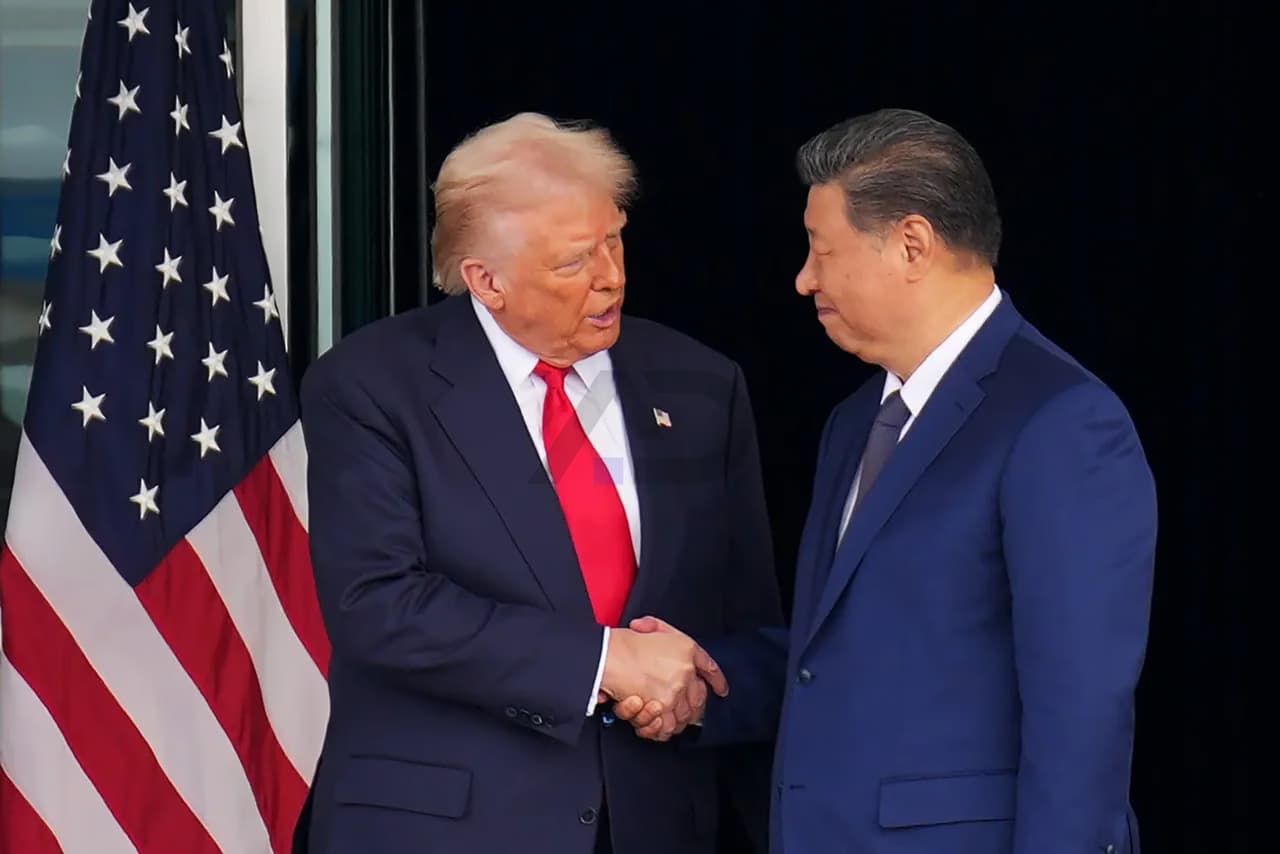
The filing follows midterm elections in which Democrats won back control of Congress, with many of them stressing the need to regulate the technology, the Associated Press reported. President Donald Trump has so far encouraged the companies to police themselves on safety, citing the race with China, though he has expressed openness to more guardrails.
The companies did not immediately respond to requests for comment, and Meta declined to comment, according to Reuters. No judge has ruled on the request.
The case adds to mounting legal pressure on the industry. Florida Attorney General James Uthmeier sued OpenAI in June and later asked a judge to bar it from developing new models without outside oversight; after that filing, OpenAI said it had paused training its most capable models. Eight states sued OpenAI last month over ChatGPT's alleged role in self-harm cases.
Photos: AP, Getty Images, Wikimedia Commons
Have a story, event or announcement of your own?Send us your news on WhatsApp
Spotted an error in this story?Report it on WhatsApp
Share on all social platforms
Sponsored Ads
Featured Listings
Loading featured properties...
Stay Updated with Ally Daily
Subscribe to be informed about special news, developments and announcements. We will keep you informed.
By signing up, you agree to our Privacy Policy