- BIST10011,909+0.56%
- USD50.28+0.05%
- EUR55.60-0.24%
- GOLD3,866.00-0.52%
- INTEREST36.00%-1.00
- BITCOIN64,461-1.31%
- November 16, 20262°
- BIST10011,909+0.56%
- USD50.28+0.05%
- EUR55.60-0.24%
- GOLD3,866.00-0.52%
- INTEREST36.00%-1.00
- BITCOIN64,461-1.31%
- November 16, 20262°
Megaspeed, the Nvidia partner at the center of a U.S. chip probe, opens internal review
The Singapore cloud firm says media claims that it helped move restricted Nvidia AI chips to China are “not supported by verifiable evidence,” and confirms Alice Huang left in August 2025. In Washington, Treasury Secretary Scott Bessent has blamed the Commerce Department for not blacklisting the company.
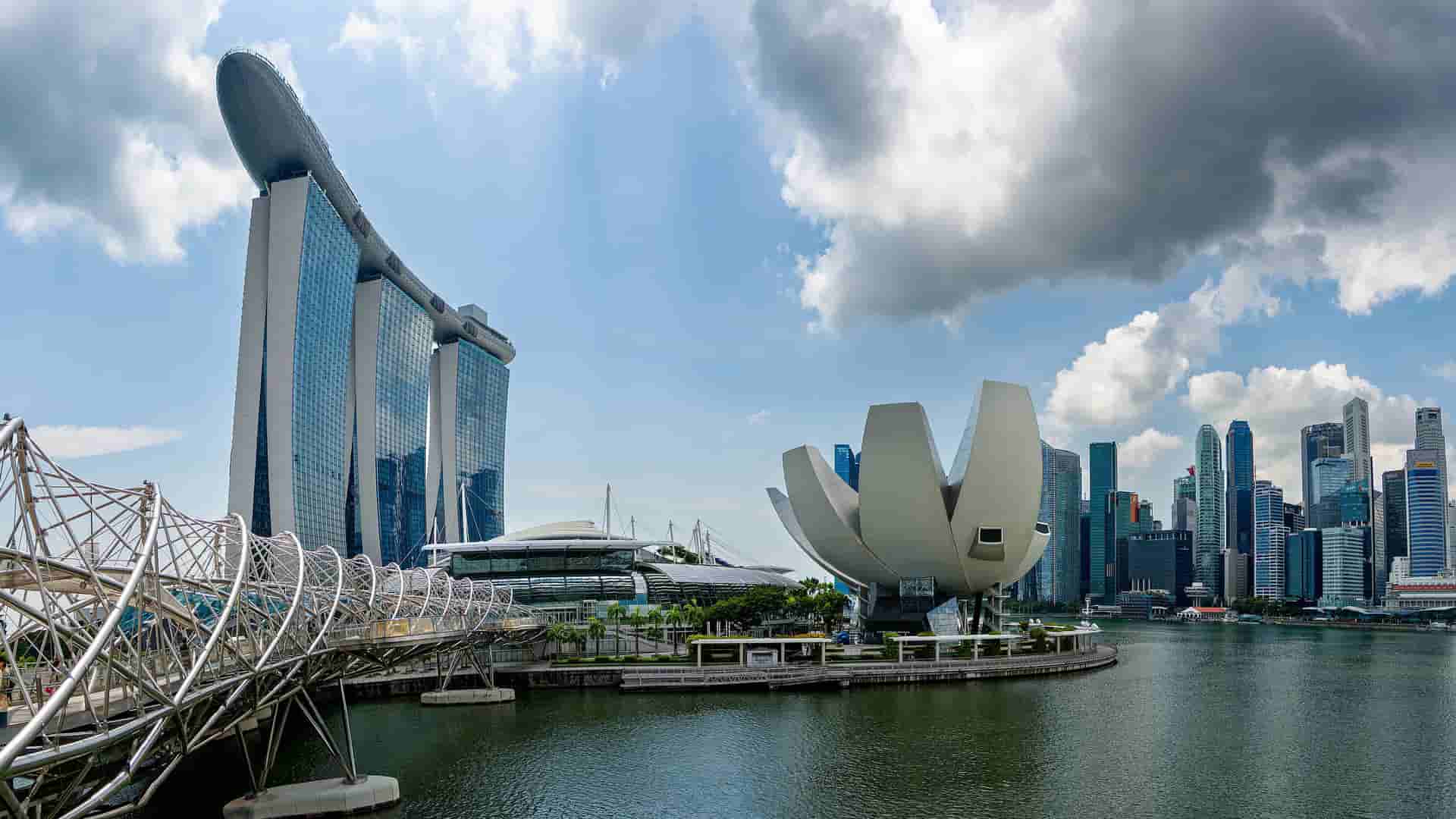
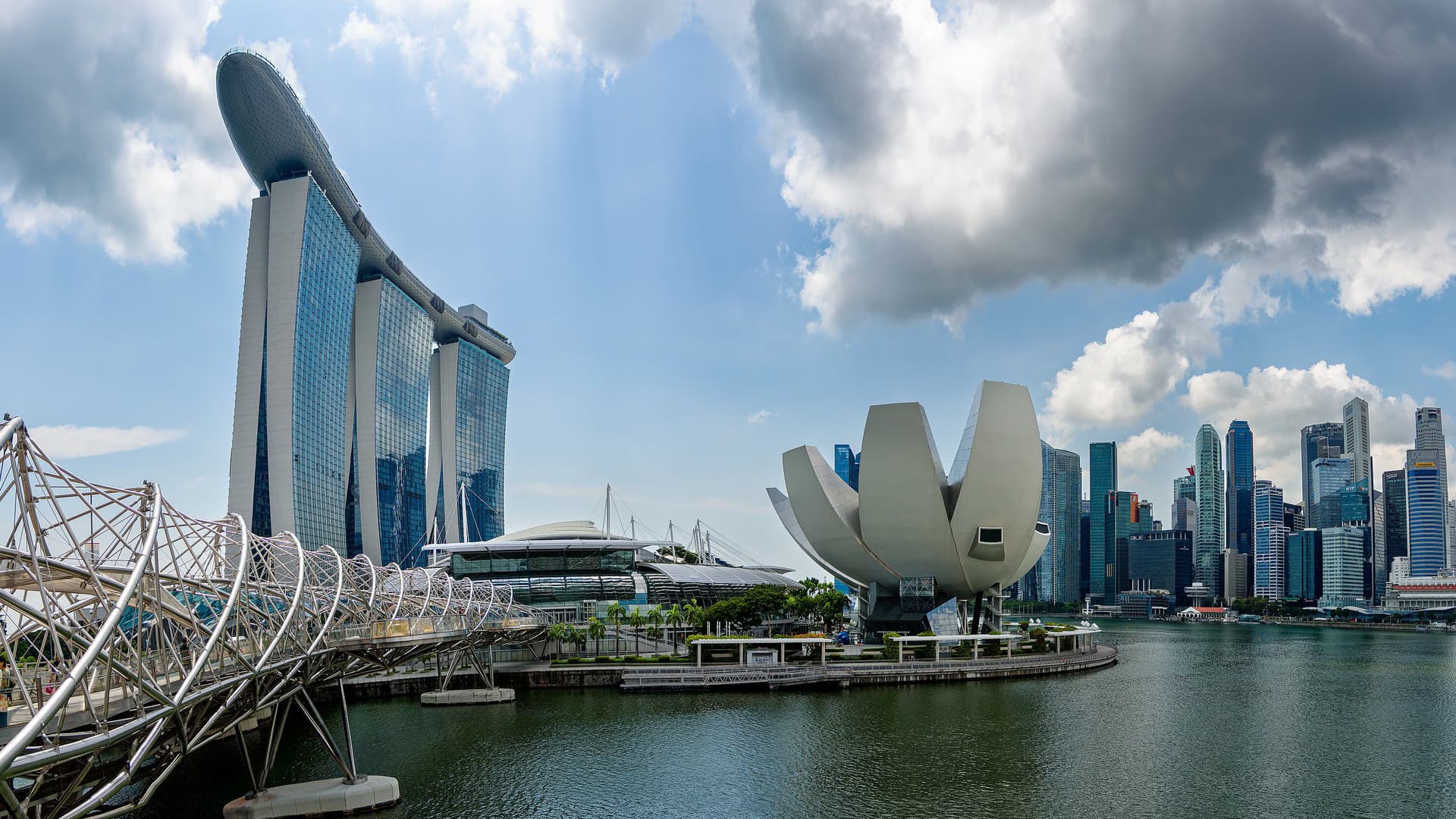
Megaspeed, the Singapore-based cloud company at the heart of U.S. questions over whether advanced Nvidia artificial intelligence chips reached China despite American export controls, said Sunday it has hired outside lawyers to run an internal investigation of its business.
“Megaspeed is aware of recent media reports containing assertions about our business, supply chain and global operations that are not supported by verifiable evidence,” the company said in a statement. It said it conducts “legitimate and lawful business” and has retained external legal counsel to carry out a thorough internal investigation.
The company also said Alice Huang, the Chinese businesswoman whose relationship with former Nvidia CEO Jensen Huang set off the scandal, “left Megaspeed effective Aug. 30, 2025, and currently has no role with the company.” It declined to comment on what it called her “personal and private matters.”
Who is Megaspeed?
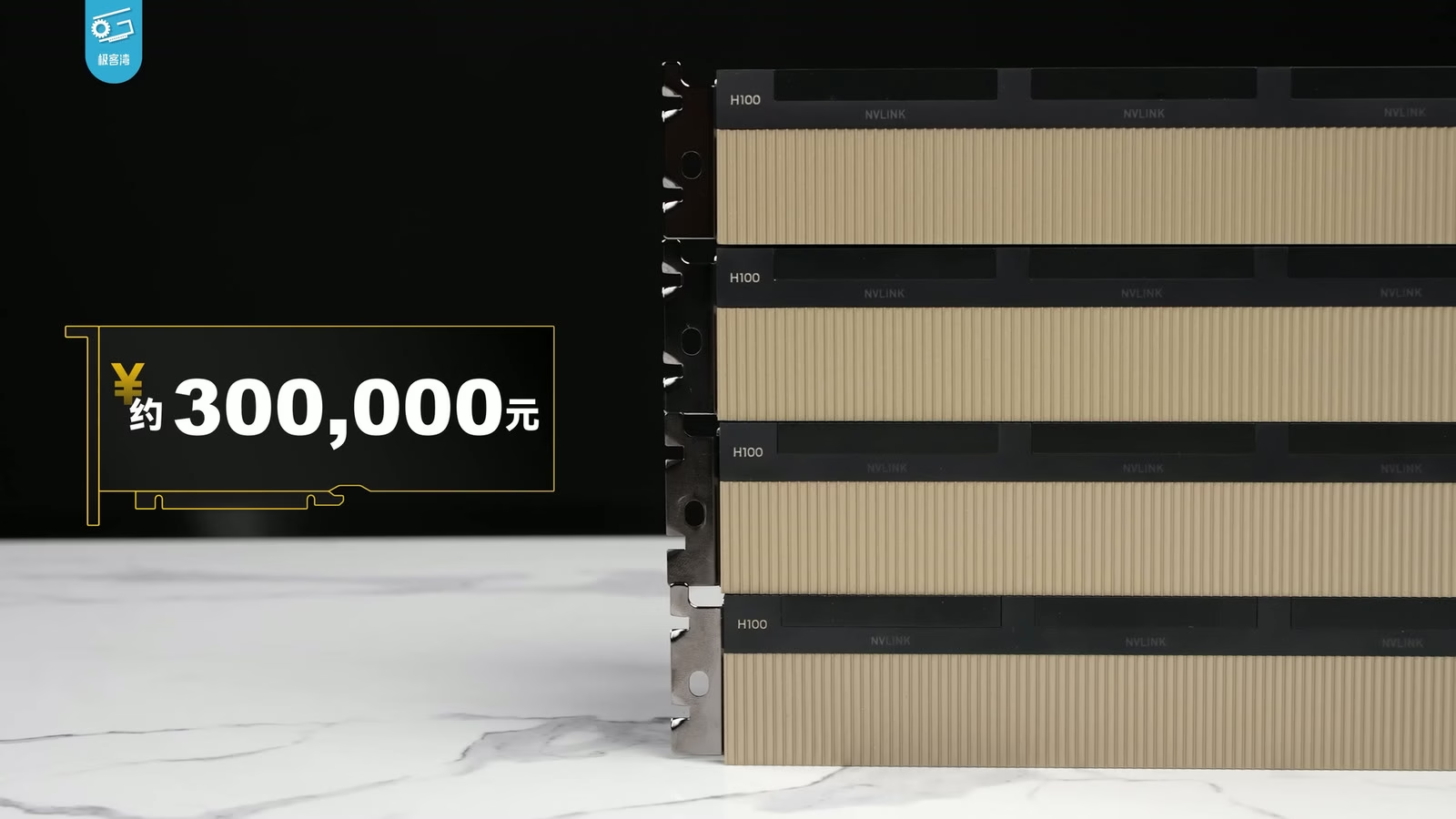
Megaspeed rents out computing power from data centers running Nvidia graphics processors and describes itself as an Nvidia Cloud Partner, with operations in Singapore and Indonesia. According to Anadolu Agency, it is the largest buyer of Nvidia chips in Southeast Asia and is suspected of giving Chinese companies covert access to the chips through data centers in Malaysia, Indonesia and Thailand. Washington bars Nvidia from selling its most advanced chips to China, but Singapore has no rule against transferring them to companies abroad.
Singapore’s Ministry of Home Affairs said on Nov. 12 that police and customs began investigating Megaspeed and related entities in February 2025 over suspected false declarations involving server purchases. On June 24, 2025, U.S. Commerce Department officials carried out a post-shipment verification at Megaspeed with Alice Huang present, and Singapore police interviewed her the same day and impounded her passport, CNBC-TV18 reported.
In February 2026, Singapore authorities found insufficient evidence that she had committed offenses tied to the false declarations, but said she had knowingly given inaccurate information to play down her role at the company. She was warned, barred from re-entering Singapore and left the country on Feb. 26, 2026. The investigation into Megaspeed and six other people is continuing. Megaspeed denies shipping chips to China illegally, and no public finding has established that it broke U.S. export rules.
Nvidia has defended the relationship. In October, after The New York Times reported that U.S. authorities were investigating a former Megaspeed executive, Jensen Huang told Bloomberg News that the company had checked the firm’s operations: “We’ve studied all their deployments of our GPUs and counted every one.”

Finger-pointing in Washington
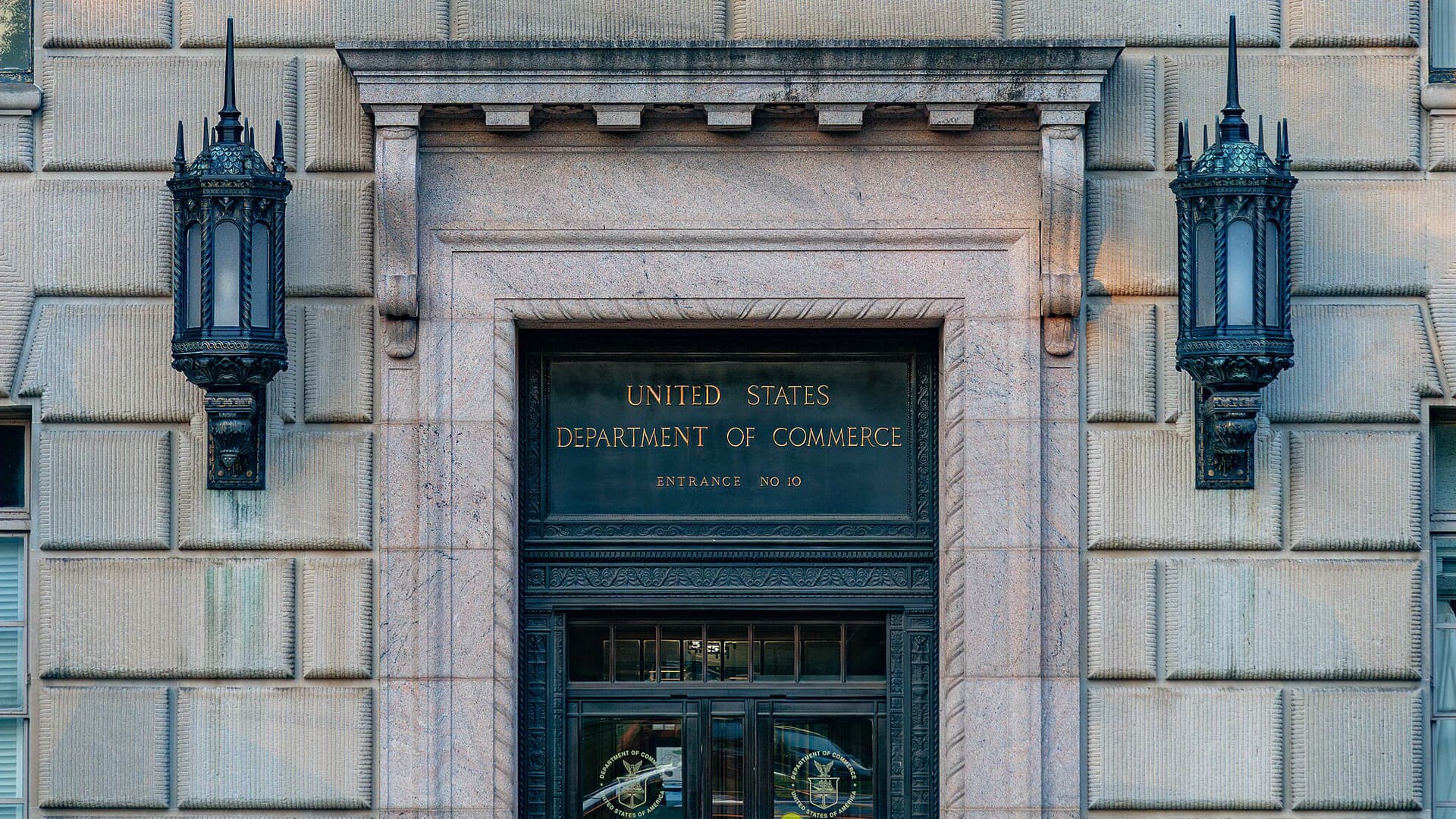
The company’s ties to the Nvidia scandal have set off a dispute inside the Trump administration. Treasury Secretary Scott Bessent said Friday that Treasury, the War Department, the U.S. Trade Representative and the State Department had favored adding Megaspeed to the Commerce Department’s Entity List “for months, but Commerce has the pen.” Commerce Secretary Howard Lutnick has agreed to testify before the Senate Banking Committee on Dec. 10, CBS News reported, and lawmakers in both parties are pushing bills to tighten AI chip exports.
Singapore was once one of Nvidia’s biggest billing locations: the chipmaker billed $23.68 billion, about 18% of its fiscal 2025 revenue, to Singapore, while saying actual shipments there were under 2%. Nvidia reports quarterly results on Tuesday, with interim CEO Colette Kress at the helm after Huang’s Nov. 12 resignation.
Photos: Wikimedia Commons
Have a story, event or announcement of your own?Send us your news on WhatsApp
Spotted an error in this story?Report it on WhatsApp
Share on all social platforms
Sponsored Ads
Featured Listings
Loading featured properties...
Stay Updated with Ally Daily
Subscribe to be informed about special news, developments and announcements. We will keep you informed.
By signing up, you agree to our Privacy Policy